
Mahjong Tournaments in Hoboken: Where to Play & How to Train
Last updated: Nov 23, 2026
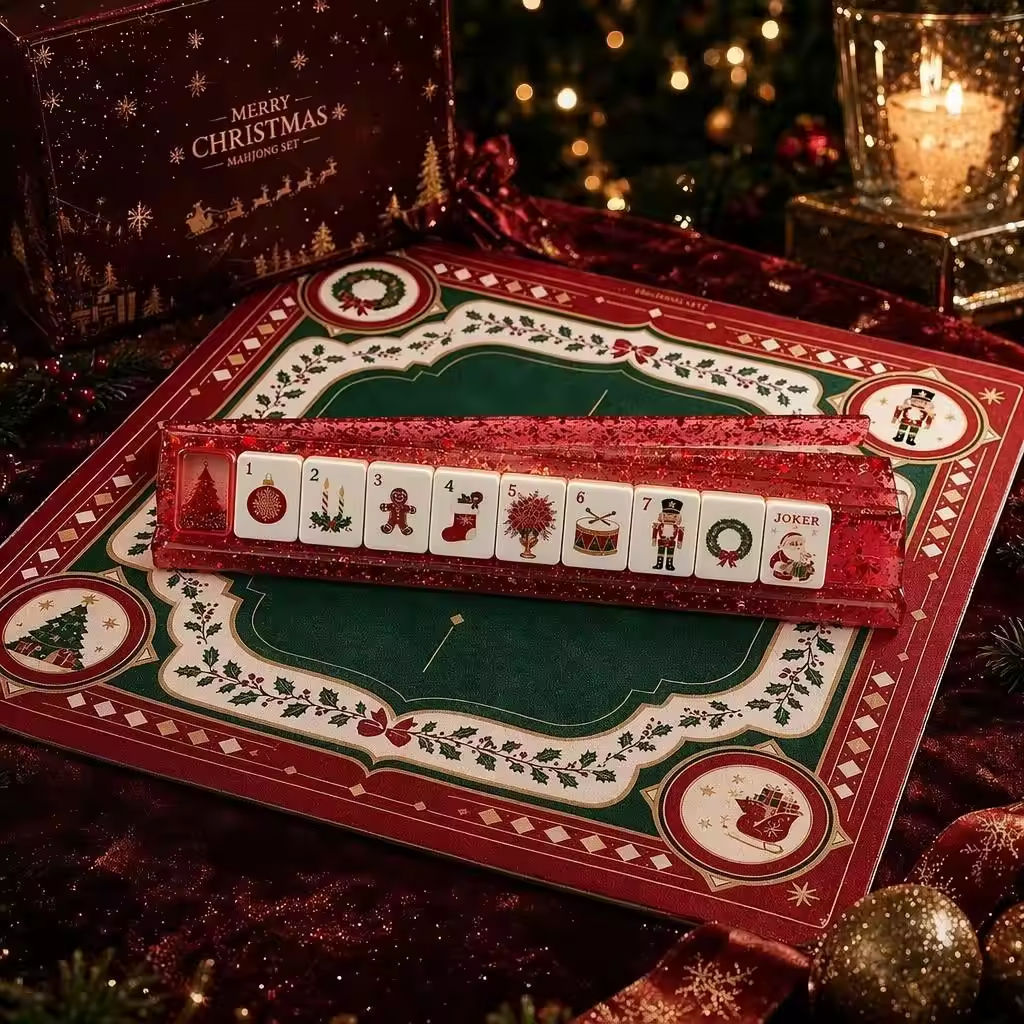
Hoboken doesn't host a dedicated mahjong tournament venue, but Hudson County and Newark host seasonal American Mahjong League sanctioned events, plus informal club tournaments year-round. Regional competitions run spring through fall; entry fees typically range from fifteen to fifty dollars depending on format and prize pool. Search community centers, public libraries, and synagogues in Hoboken, Jersey City, and Newark—they often post tournament schedules and beginner nights. Most tournaments use the current year's National Mah Jongg League card (updated each spring) and require players bring their own tiles. Mahstead sells tournament-ready best-selling mahjong sets with sharp tile visibility and durable pushers ideal for competitive play. Connect through Meetup boards, ask at local card shops, or ring community recreation departments to learn when the next event starts.
Where do Hoboken-area tournaments actually happen?
Hoboken itself lacks a permanent tournament hub, but nearby Hudson County and Newark host sanctioned American Mahjong League events during spring and fall seasons. Community centers in Jersey City, Hoboken Recreation Department facilities, local synagogues with active mahjong groups, and library meeting rooms regularly post tournament schedules. Use Meetup.com and Facebook community boards to find "mahjong tournament New Jersey" or "Hudson County mahjong club"; call your local library reference desk—librarians track recurring game nights and competitions. Most tournaments require advance registration and post rules (hand format, tiles per game, scoring method) one to two weeks before play.

What tournament format will you likely encounter?
Most Hudson County and Newark tournaments follow American mahjong rules: four players, 152 tiles, hands drawn from the current year's National Mah Jongg League card, and standard rotation seating (East, South, West, North). Tournaments typically run round-robin (each player faces every opponent once) or Swiss format (pairings based on win record). A session lasts two to four hours; players compete in rounds of thirty to fifty minutes per game. Scoring follows the National League standard: Limit hand (highest payout, rare), All Simples, concealed hand bonuses, and so on. Before registering, ask the tournament director whether they play with how jokers work—some groups allow one joker per hand, others none in certain positions.
🀄 Shop best-selling mahjong sets →
How do you prepare if you're new to tournament play?
Start by mastering the current year's National Mah Jongg League card—that's non-negotiable. Spend two weeks learning to read the card layout, spot valid hands at a glance, and recognize which tiles are legal in each section. Play casual games with friends weekly; focus on speed (reading the card fast) and accuracy (no illegal calls). Attend beginner nights at local clubs—most communities offer free or five-dollar drop-in sessions where experienced players explain tournament etiquette and hand reading. Visit mahjong for beginners to understand the Charleston, tile passing, and exposure rules. Practice the Charleston explained ritual until it's automatic; tournament directors expect smooth tile passing. Many veterans suggest playing five to ten casual games before your first tournament entry.
What gear do tournament players actually need?
Bring your own 160-tile set with clear tile markings and working pushers—tournaments don't supply equipment. Your tiles must show sharp symbol contrast (especially Red/Green Dragons, which players often confuse under pressure). Most competitors use mahjong racks with pushers to hold and manage their hand clearly; pushers let you sort tiles without accidentally exposing them. A mahjong mat isn't required but helps you organize the wall and discards on unfamiliar tables. Bring a pen and scorepad (tournament organizers usually supply a sheet). If you're traveling between venues, a travel bag or case protects your set during transport—tiles can chip or crack without padding.
Gear prep checklist:
160-tile set with visible symbols
Working racks and pushers (four-player set)
Optional: personal mat for familiar hand positioning
Pen and scorepad
Optional: padded travel case if attending multiple venues

What common mistakes kill your tournament debut?
Calling tiles illegally. Players often expose a hand that doesn't match the card—the director voids the hand, losing points. Slow down, reread the card section, count your tiles three times. Losing track of the Charleston. Pass tiles in the wrong direction or forget which round you're in; you'll confuse the table. Practice the Charleston explained at home until it's automatic. Joker confusion. Placing a joker in a pair (illegal in American mahjong), or misunderstanding whether the game allows jokers in certain positions—ask the director before play starts. Slow hand reading. If you can't spot your hand in thirty seconds, you'll rush, call wrong, and lose credibility. Use the card daily for two weeks before entering. Forgetting the current year's card. Tournaments only recognize the National League card issued that spring; last year's card is worthless.
Common tournament penalties:
Illegal tile call → hand voids, one point given to winners
Late arrival (past registration close) → potential disqualification
Tile damage (cracked, marked) → replacement required if discovered mid-game
Distraction/phone use → warning, possible dismissal per venue rules
Building a tournament-ready set: what to check before you buy
When shopping for a set to use in competition, confirm the tiles have high contrast and legible symbols—blurry dragons or faint number printing will cost you speed and accuracy. Look for durable acrylic or bone construction; cheap plastic tiles wear fast and confuse players during long sessions. Test the pushers: they should grip the tile rack firmly without slipping. If you're traveling to multiple venues in Hudson County or Newark, opt for a set with mahjong bags and cases that keep the entire package protected and organized. Mahstead's engraved American mahjong sets with custom artwork come tournament-ready; they include full racks and pushers, so you won't scramble for missing pieces on game day.
Consideration | Why it matters | How to verify |
Tile contrast | Spotting your hand fast in competition | Hold tiles under table lighting; symbols must read in three seconds |
Pusher grip | Avoiding accidental tile exposure | Squeeze pusher on tile; it shouldn't rotate or fall off |
Travel durability | Protecting tiles during multi-venue play | Drop test on carpet from waist height; no cracks acceptable |
Acrylic vs. plastic | Longevity under tournament use | Check product material spec; acrylic lasts five–ten years, plastic two–three |
Joker & pusher count | Never running short mid-game | Count all pieces before first tournament |
🎁 See our most-loved mahjong sets & accessories →
How do you find and register for your first event?
Start online: search "mahjong tournament New Jersey" on Meetup, Facebook Groups, or Nextdoor for Hudson County. Call Hoboken Parks & Recreation and ask if they know of affiliated clubs or upcoming events; they often post flyers for weekly sessions. Visit local synagogues in the area—they historically host strong mahjong communities and welcome newcomers. Ask at community centers in Jersey City and Newark for tournament calendars. Once you find an event, email or call the organizer two weeks ahead to confirm eligibility (most accept any skill level), entry fee, start time, and whether you should bring your own set or if they supply tiles (rare—bring your own). Confirm the current year's National League card is in use. Arrive thirty minutes early to test your tiles on the table, meet other players, and receive hand-out sheets showing table assignments and scoring rules.
Registration steps:
Find event via Meetup, library, or recreation center
Confirm eligibility, fee, and date—email organizer
Verify National League card year (always current spring)
Test your set two days before play
Arrive thirty minutes early
Ask director one question if rule unclear before first game
Should you join a casual club before entering a tournament?
Yes. Casual weekly games at community centers or clubs teach you unwritten rules, hand-reading speed, and social norms that tournaments expect. Most groups charge five to fifteen dollars per session, run two to three hours, and welcome all levels. You'll learn which players are patient mentors and which are ruthless competitors—useful intel for tournament strategy. Experienced club players often know tournament directors and can introduce you, easing your entry. Start with a beginner night; ask the host which how to read a mahjong card guides they recommend or whether they teach card-reading before play. Most importantly, playing ten casual games builds muscle memory so your first tournament feels less overwhelming.
✨ Find your Mahstead set — free US shipping →

FAQ
Do I have to own my own mahjong set for Hoboken-area tournaments?
Yes. Tournaments don't supply sets—bring your own 160-tile American mahjong set with racks and pushers. Check it works the day before; a broken pusher or missing tile eliminates your entry. Most organizers allow a ten-minute grace period to swap a defective set before your first game.
What's the entry fee for a typical Hudson County mahjong tournament?
Entry fees range from fifteen to fifty dollars depending on format, prize pool size, and venue. Some casual club tournaments charge a flat session fee (five to twenty dollars per three hours), while sanctioned League events cost thirty to forty dollars for a full day bracket. Ask the organizer when you register.
Can I play in a tournament if I've never read the National Mah Jongg League card before?
Technically yes, but you'll lose badly and frustrate other players. Spend two weeks learning the card before entering—most experienced players spot illegal calls instantly. Attend one beginner night at a local club first; volunteers will teach you the card layout and safe hand patterns, cutting your learning curve from months to weeks.
What's the difference between a casual club game and a tournament in Hoboken area?
Casual games enforce rules loosely, allow teaching mid-hand, and prioritize fun; tournament games enforce strict National League rules, penalize illegal calls, and require silent play (no coaching). Tournaments also rotate players between tables so you face new opponents; clubs often keep the same four players all evening.
Where should I look if the Hoboken Recreation Department doesn't know of tournaments?
Call libraries in Jersey City, Newark, and surrounding areas—they maintain community event calendars. Search Meetup.com for "mahjong Hudson County" or "mahjong New Jersey." Join Facebook community groups for your neighborhood; locals post tournament info weekly. Ask at Jewish Community Centers or senior centers; they often sponsor events but don't advertise widely outside their networks.
Do I need a mat or racks to compete, or are they optional?
Racks with pushers are nearly mandatory—they keep your hand organized and prevent accidental tile exposure, which costs money in tournaments. A mat is optional but helpful for visual organization, especially if you're nervous. Most competitive players bring both to every game; both protect your focus and tile handling under pressure.


View More
View More
View More
