
Mahjong clubs in Tucson: where to play and how to join
Last updated: Nov 23, 2026
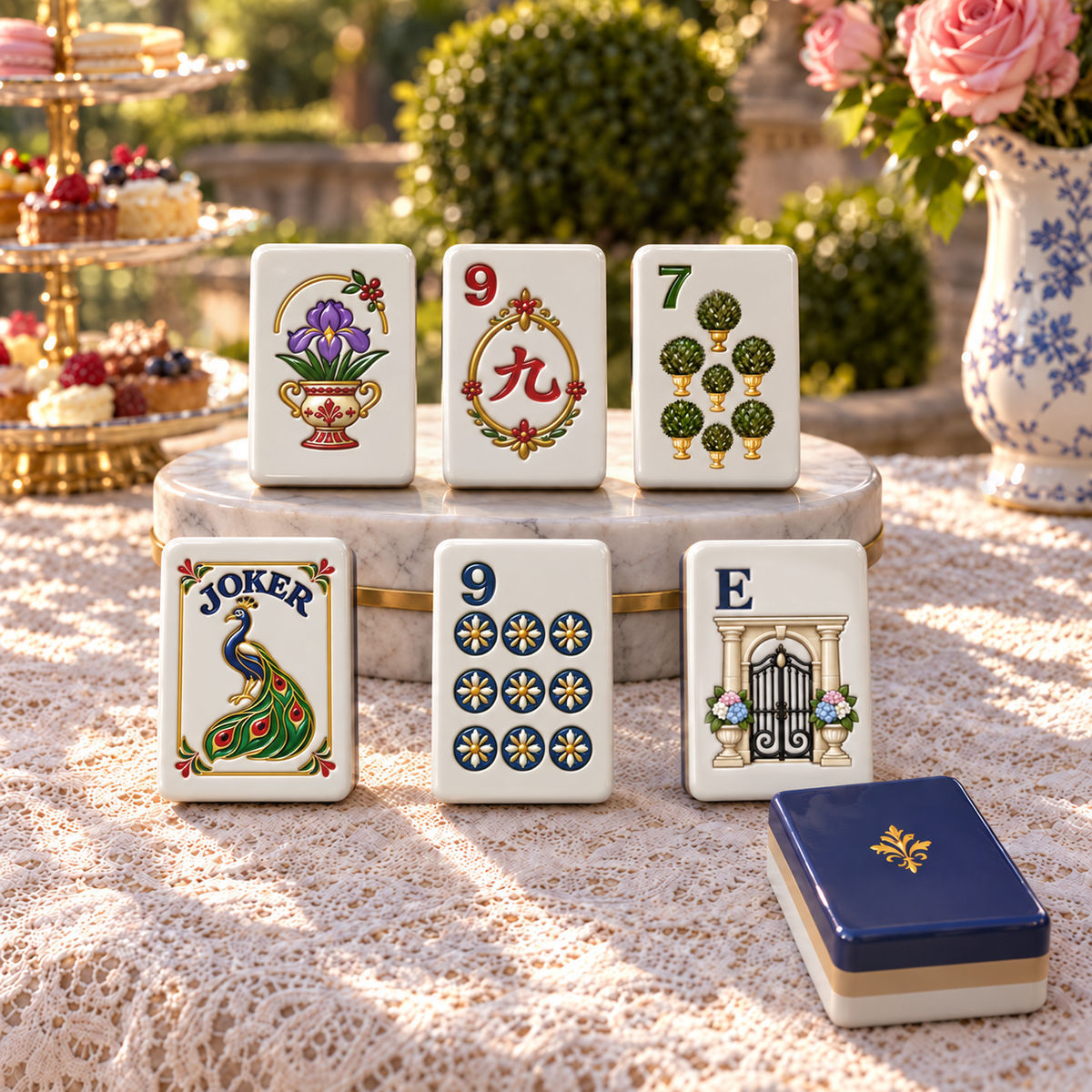
Tucson mahjong players gather mainly through community centers, libraries, synagogues, and informal home groups rather than dedicated storefronts. Start by calling your local library or Parks and Recreation department to ask about mahjong clubs or game schedules; many offer weekly or monthly gatherings. Synagogues (particularly Reform and Conservative congregations) often host Thursday or Friday afternoon games, especially during the fall and winter. Country clubs and retirement communities sometimes run daytime sessions. Online, check Meetup.com for "mahjong" + "Tucson" and Facebook community groups focused on games or hobbies in your neighborhood. Expect to play American mahjong with the current National Mah Jongg League card; bring a set if you don't have one. Most groups meet weekly or biweekly and welcome newcomers. No entry fee is typical; players often chip in a small pot for refreshments or prizes.
Where do Tucson players actually meet?
Tucson's mahjong scene is decentralized—there's no single club headquarters. Public libraries often host afternoon games on weekday afternoons or weekends; call ahead to confirm the schedule and whether beginners are welcome. Community centers in neighborhoods like Midtown, Foothills, and Downtown run drop-in or registered sessions. Religious organizations, especially synagogues in central Tucson, host regular Thursday or Friday games as part of their community programs. Retirement communities and active-adult neighborhoods near the Foothills frequently run daytime sessions; some require membership or residency, others welcome outside players. Private home groups—sometimes called "kitchen table" games—are common and often posted on Meetup or passed along by word of mouth. Your best first move: call Parks and Recreation (the main number covers all city facilities), ask what mahjong times exist, and request a name or phone number of a contact. That person will tell you the dress code, whether to bring your own set, and if there's a waiting list.

What should you bring to your first game?
Show up with a complete American mahjong set—152 tiles, 16 winds, 12 dragons, 8 flowers, and 8 jokers—plus the current year's National Mah Jongg League card (issued every spring). Many groups have spare sets or loan them, but bringing your own removes doubt. Wear comfortable clothes and plan for 2–3 hours. Bring a pen to score, a small notebook if you're learning, and a positive attitude; experienced players appreciate questions between hands. If you own a mahjong mat, bring it—some groups play on bare tables or shared mats, but a personal mat helps you organize your tiles and keeps the game moving. Do not bring alcohol or cell phones in active use; most groups keep the phone away during hands. A small snack to share is optional but appreciated. If you're nervous, arrive 10 minutes early to meet the host or coordinator; they'll walk you through the group's pace, scoring rules, and any house variations.
What to bring | Why | Optional? |
Complete American set (152 tiles + 8 jokers) | Each player needs to draw and manage tiles | No—borrow if needed, but confirm first |
Current year League card | Hands are validated against this card only | No—groups share copies, but having your own helps you learn |
Pen and notebook | Track score, learn patterns, note rules | Yes—many groups use a shared scorepad |
Personal mahjong mat | Organize tiles, speed up play, protect table | Yes—most venues have a mat or play on bare tables |
Small snack or drink | Social courtesy; many games run 2–3 hours | Yes—some groups have a potluck system |
Comfortable shoes and clothes | Games last hours; you'll shift tiles constantly | Yes—but dress for casual sitting |
Small cash for refreshment pot | Groups often contribute for coffee/cookies | Yes—amounts are informal (suggested, not required) |
🀄 Shop best-selling mahjong sets →
Do I need to know American mahjong rules before joining?
No—most Tucson clubs have players of all levels and expect to teach. However, learning the basics beforehand speeds up your entry and builds confidence. Spend one evening reading how to play American mahjong so you understand the flow: the Charleston (tile-passing ritual), drawing and discarding, calling tiles, building your hand from the League card, and melding (exposing groups). Understand that American mahjong has no sequences—only identical groups (pungs of 3, kongs of 4, or longer melds). Watch a 5-minute YouTube demo of the Charleston so you're not lost in the first ritual. Learn the four winds and three dragons. Bring the League card and ask the coordinator which section beginners should practice (usually the easiest lines). Experienced players will call out errors gently and help you correct. Tucson groups tend to be patient; nobody expects a new player to memorize hand patterns in one session. If you're learning, choose a daytime or weekend game rather than an evening tournament-style session—the pace is slower and the culture is more forgiving.

What are the unwritten rules of Tucson mahjong etiquette?
Arrive on time or text the host if you're running late. Silence your phone and put it away during play. Do not offer unsolicited advice to other players mid-hand (called "backseat driving"); comments before or after a hand are fine. If you're learning, ask questions between hands or at the end of a round. Do not touch another player's tiles or discard pile without permission. Keep your own tiles orderly and visible so others can count quickly. Honor the house or group's scoring rules—ask at the start if they use any local variations. If there's a dispute, accept the group's decision; Tucson players generally follow standard American rules, but some groups have house tweaks. Rotate positions fairly and don't hog a particular seat. If refreshments are shared, contribute or ask how; don't assume they're free. Thank the host at the end. If you plan to come back, confirm the next game time before you leave. Groups that feel respected and energized invite newcomers to return; those that feel rushed or criticized often lose players.
🎁 See our most-loved mahjong sets & accessories →
What if you can't find an active club near you?
Tucson has pockets of activity, but they're not always visible. If your library or community center doesn't list a mahjong time, ask the front desk staff directly—many clubs are informal word-of-mouth and don't appear on websites. Call two or three venues; one will likely have a contact. Check Meetup at least weekly; new groups pop up seasonally. Join Facebook groups for "Tucson games," "Tucson community," or "retirement activities"—mahjong posts appear in these forums. Ask your synagogue, church, or country club directly if they host games. If nothing fits your schedule, consider starting a home group. Text or email 3–4 people you know (or post on Meetup looking for 2–3 other players), pick a weekly time, and play in your kitchen or dining room. Many of Tucson's long-standing clubs began exactly this way. You'll need a complete American mahjong set and a copy of the League card for each player (or share one). A mahjong mat keeps tiles organized and protects your table; if space is tight, play directly on your table and use a mahjong rack with pushers to manage your hand. Home groups tend to be more flexible on house rules and timing, so many beginners find them less intimidating than formal clubs.
✨ Find your Mahstead set — free US shipping →
What to check before you buy or bring your set
Tile count: Ensure your set has 152 playing tiles plus 8 jokers. A 160-tile set includes spares; that's normal and fine.
Tile size: Standard American tiles are roughly 1 inch wide. Verify your set matches the group's preference before your first game (ask the host).
Tile clarity: Can you read the symbols quickly in daylight? Worn or faded tiles slow the game.
Case or bag: Check that your set is packed so tiles don't rattle during transport. A mahjong travel bag or case prevents loss and damage.
Card year: Confirm the League card matches the current year (2026). Older cards are no longer valid.
Joker condition: All 8 jokers must be present and unmarked. Jokers are essential and can't be substituted.

FAQ
Where can I find mahjong clubs or groups in Tucson?
Contact your local library, Parks and Recreation department, or nearby synagogues first—most host regular games. Search Meetup.com and Facebook for "mahjong Tucson." Call community centers and country clubs to ask about afternoon or evening sessions. Private home groups are common; ask players you meet if they know of one.
Do I need my own mahjong set, or can I borrow one?
Ask the group coordinator before you arrive. Many clubs have spare sets, but bringing your own ensures it's complete and you're familiar with the tiles. A 160-tile American set is standard; confirm it has 152 playing tiles, 8 jokers, winds, dragons, and flowers.
Is American mahjong different from what my friends play?
Yes. American mahjong uses the current National Mah Jongg League card, plays with 152 tiles and 8 jokers, and does not allow sequences or chows. Most Tucson clubs play American rules. If you learn in another country or variant, mention it to the host so they can clarify any differences.
What does the Charleston do, and why is it confusing?
The Charleston is a tile-passing ritual before the first hand begins. Each player passes tiles in a set order to the player on their right, then left, then across, then right again. The Charleston explained in detail so you can practice it at home and feel confident your first time.
How much does it cost to join a Tucson mahjong club?
Most clubs are free or have a voluntary small contribution (a few dollars) toward refreshments or charitable causes. No standard fee exists. Ask the host at your first game. Home groups are always free.
Do I need a mahjong mat, or can we just play on a table?
A mat is optional but helpful. It organizes your tiles, protects the table, and speeds up play by giving everyone a clear boundary for their hand. Many venues already have a shared mat. If you play regularly, investing in a personal mat makes the game more comfortable and protects your set.


View More
View More
View More
