
Mahjong Retreats in Alabama: Planning Your Getaway
Last updated: Nov 23, 2026
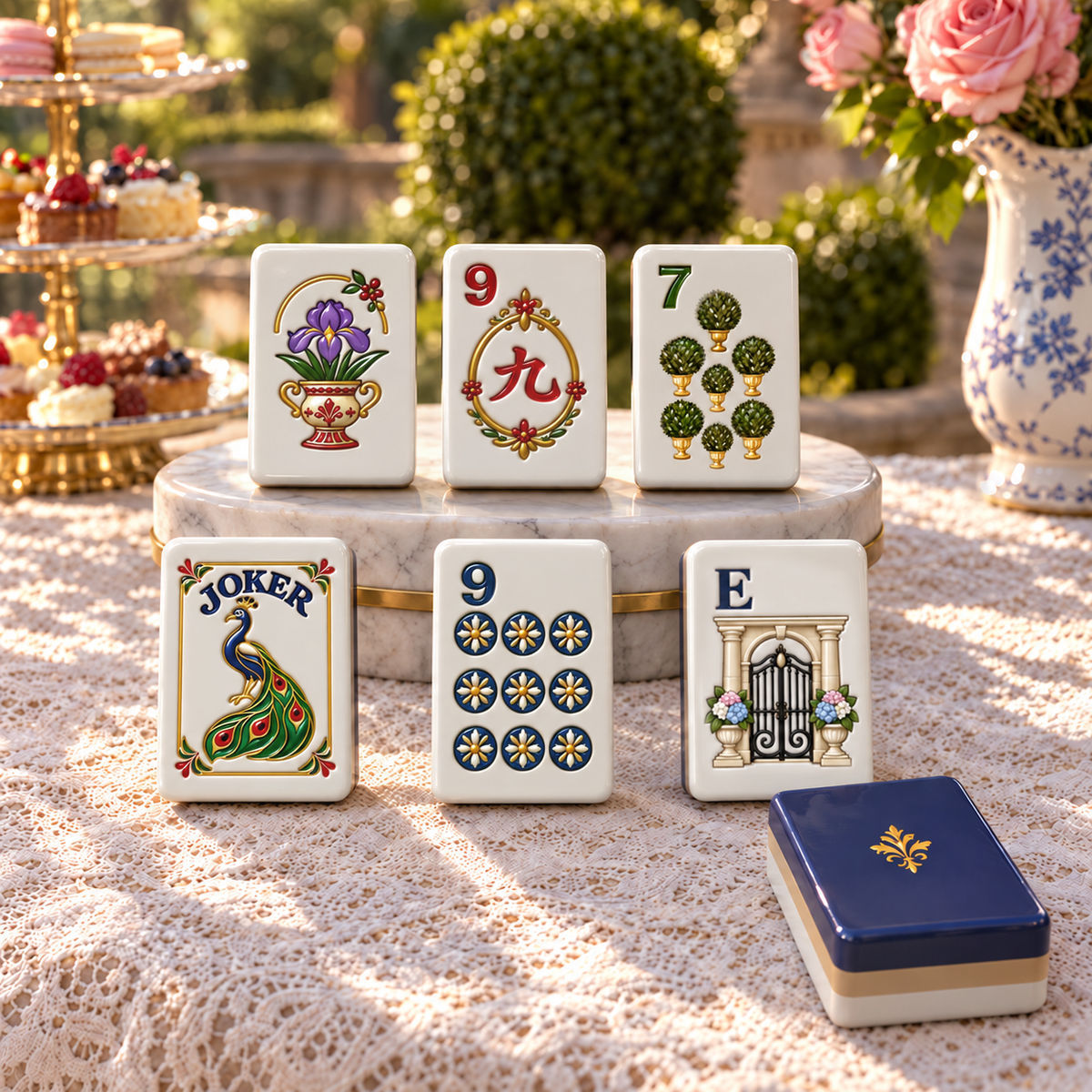
A mahjong retreat in Alabama typically runs 2–5 days and accommodates 4–16 players in a rented cabin, lake house, resort conference room, or bed-and-breakfast with a large table or multiple gaming surfaces. Participants bring or organize American mahjong sets (152 tiles per set per game), mats, racks, pushers, and dice; split costs for rental and supplies. Popular regions include the North Alabama mountains, Gulf Coast beach towns, and countryside near Birmingham and Montgomery. Before booking, confirm the venue has level tables, reliable power for lighting, and quiet space. Plan a rolling schedule of simultaneous games or round-robin tournaments, and stock at least one backup set and spare jokers in case of lost tiles during extended play.
Where in Alabama can we host a mahjong retreat?
Alabama's geography offers three strong retreat zones: the Tennessee River valley near Guntersville and Scottsboro (North), the Gulf Coast beaches around Gulf Shores and Orange Beach (South), and the central regions near Birmingham, Tuscaloosa, and Montgomery. Each suits different group sizes and seasons. Search community rental platforms (Airbnb, VRBO, Facebook Marketplace) for "large cabin rental" or "event space" with table capacity; filter by occupancy and amenities like full kitchens, parking, and Wi-Fi. Visit local convention bureaus online (city name + "convention and visitors bureau") to ask about group discounts on lodging. State parks (Lake Guntersville, Cheaha, Gulf State Park) sometimes rent pavilions with electricity and flat surfaces suitable for mahjong tables, often at lower cost than private rentals.

How do we plan tile and game logistics for four days or longer?
For a 4-day retreat with 8–12 players, assume two simultaneous games running 3–4 sessions per day (morning, afternoon, evening, optional late-night). Each game requires one complete 152-tile American mahjong set plus one backup. Buy or borrow two best-selling mahjong sets and confirm every set includes all 152 tiles before departure. Organize a shared spreadsheet: game times, table assignments, player rotation, and which set each table uses. Assign one person as "tile captain" to inventory jokers and check for damage after each session. Store sets in mahjong bags and cases that protect against spills and dust during transport. Pack a printed current-year National Mah Jongg League card for each table (or display it on a tablet), and ask each player to bring their own scorebook or use a shared digital tracker.
What equipment matters most for multi-table setup?
Equipment comparison for a retreat with two tables:
Equipment | Two tables need | Why it matters | Notes |
Mahjong sets (152-tile) | 2 complete sets | One per active game; one spare if tiles break | Buy or borrow backup before trip |
Mats | 2 mats | Protects tiles, defines play area, speeds cleanup | Check mat size fits your tables; store rolled in a case |
Racks with pushers | 2 per set (8 racks) | Organizes player hands, prevents accidental exposure | Lightweight, pack in a flat case or dedicated bag |
Dice (two per set) | 4 dice total | Determines wall break and seating | Reuse; unlikely to break |
Bags or cases | 2 protective bags | Protects sets during car travel and storage between sessions | Waterproof liner prevents tile damage |
Scoreboards or tablets | 2 displays | Tracks round scores and game totals | Use a physical scorebook or shared phone app |
Ship or pack sets in advance to avoid last-minute travel stress. A mahjong mat sized for your table prevents tiles from sliding and makes cleanup between rounds instant.
🀄 Shop best-selling mahjong sets →

What does a sample retreat schedule look like for four days?
A tested 4-day, two-table retreat schedule:
Day 1 (Friday arrival): Check in 2–4 p.m., tile inventory & setup, light dinner, casual 2-game session after 7 p.m. (allow 90 minutes per game).
Day 2 (Saturday): Morning session 10 a.m.–12 p.m., lunch break, afternoon 2–4 p.m., dinner, evening tournament round 7–9 p.m.
Day 3 (Sunday): Morning session, midday break and optional scenic outing, evening session with potluck dinner, optional late-night play.
Day 4 (Monday): Morning final tournament game, lunch, tile cleanup and departure by 2 p.m.
This structure allows 6–8 games over four days without exhaustion. Each player rotates between tables or plays fixed partnerships depending on your group's preference. Assign one volunteer coordinator to manage table swaps and keep time; print a wall schedule or text reminders 30 minutes before each session. Include a 15-minute break between games for bathroom, drinks, and tile verification.
What should we buy or rent versus bring from home?
Make a decision matrix before committing to purchase. If fewer than three people in your group own a complete set, budget to buy or borrow two new sets rather than improvise with a mixed collection (mismatched tiles cause disputes and slow gameplay). A new best-selling set from Mahstead arrives as a complete 160-tile package ready to play. Rent venue tables if your retreat venue's surface is uneven or too small; bring your own mahjong mats to level play and protect existing furniture. Racks with pushers are lightweight and inexpensive to own; buy them rather than improvise with cardboard. Borrow or buy scorebooks and dice locally if your sets lack them, or request spares when you purchase new sets. Rent linens and dishes from the venue; bring mahjong gear only.
🎁 See our most-loved mahjong sets & accessories →
What common mistakes should we avoid when planning?
Underestimating tile loss: A 4-day retreat with heavy play can lose 3–5 jokers to spilled drinks, bathroom trips, or simple miscounts. Pack two complete sets, not one. Confirm every joker and the White Dragon ("Soap") tile before Day 1 starts.
Wrong table dimensions: Test your mat on the venue table during a video tour or phone call. A mat undersized for the table shifts and causes tiles to scatter. Request table dimensions in writing from the venue before booking.
No printed National Mah Jongg League card: Tablets die or lose signal. Each table needs a printed current-year card or a printed backup. Download from the League website and bring two copies per table.
Scheduling back-to-back games without breaks: Mahjong is cognitively demanding. Play 90 minutes per game, then take 15 minutes. Players fatigue and mistakes multiply without rest.
Forgetting to sort and inventory sets 48 hours before departure: Discover missing tiles at home, not on Day 1 at the retreat. Count all tiles, jokers, dice, and racks in advance.
✨ Find your Mahstead set — free US shipping →
What to check before you book a retreat venue
Table height & surface: Confirm 28–30 inches high and level. Request a photo or video walk-through.
Number & size of tables: Each mahjong table needs minimum 36 × 36 inches of flat play area per person (four people per table). Two tables = two separate spaces or one large room.
Lighting: Overhead ceiling lights plus optional task lamps prevent eye strain during 3–4 hour sessions.
Power outlets: Ensure 4+ outlets per gaming area for lamps, phone chargers, and a small refrigerator if needed.
Acoustics & quiet hours: Mahjong involves tile clicking and frequent calls; confirm neighbors or staff won't object to noise after 9 p.m.
Cancellation policy: Read the fine print; group bookings sometimes have strict refund windows.
Kitchen & dining setup: Confirm you can store snacks and beverages without venue interference.
Parking & accessibility: Confirm ample parking and level entry for luggage and equipment bags.

FAQ
How many days does a typical mahjong retreat last?
Most retreats run 3–5 days, allowing 6–10 games per person. Weekend getaways (Friday–Sunday) are common; longer vacations (Thursday–Monday) suit retirees and remote workers. Shorter 1-day or 2-day outings work for local groups.
Can I host a mahjong retreat in my own home?
Yes, if you have space for one or two tables, adequate seating, and parking for guests. Outdoor patios work in warm Alabama months but require weatherproof mats and protected tile storage. Confirm neighbors won't object to noise and tile shuffling sounds.
Do we need a mahjong mat for every table?
Yes. A mat protects tiles from sliding on uneven surfaces, speeds cleanup, and defines the play zone clearly. It's worth the investment if you host multiple retreats or weekly games.
What's the best way to transport two complete mahjong sets safely?
Pack each set in a dedicated mahjong bag or case with a waterproof liner. Lay bags flat in your car's trunk or back seat; avoid stacking heavy items on top. Place a towel underneath to prevent shifting during turns.
Should I provide mahjong sets for all my guests, or ask them to bring their own?
If your group is mixed (new and experienced players), provide two complete, identical sets to avoid confusion over tile design or missing pieces. If everyone owns a set, ask them to bring it; verify all sets are complete before Day 1.
How do we keep a mahjong retreat affordable for all players?
Split venue rental, groceries, and equipment costs equally among all players. Suggest a per-person fee (e.g., $150–300 for a 4-day weekend) that covers lodging and food; each person brings their own transportation and a small snack to share. Ask experienced players to bring their own sets if they own them.
What if a tile breaks or goes missing during the retreat?
Stop play immediately and count all tiles in that set. If a joker is lost, pause that table and swap in a game from your backup set, or contact Mahstead for spare tile inquiries. Keep a printed spare tile list or photo of a complete set for reference.


View More
View More
View More
