
Mahjong clubs in the Villages: where to find and join one
Last updated: Nov 23, 2026
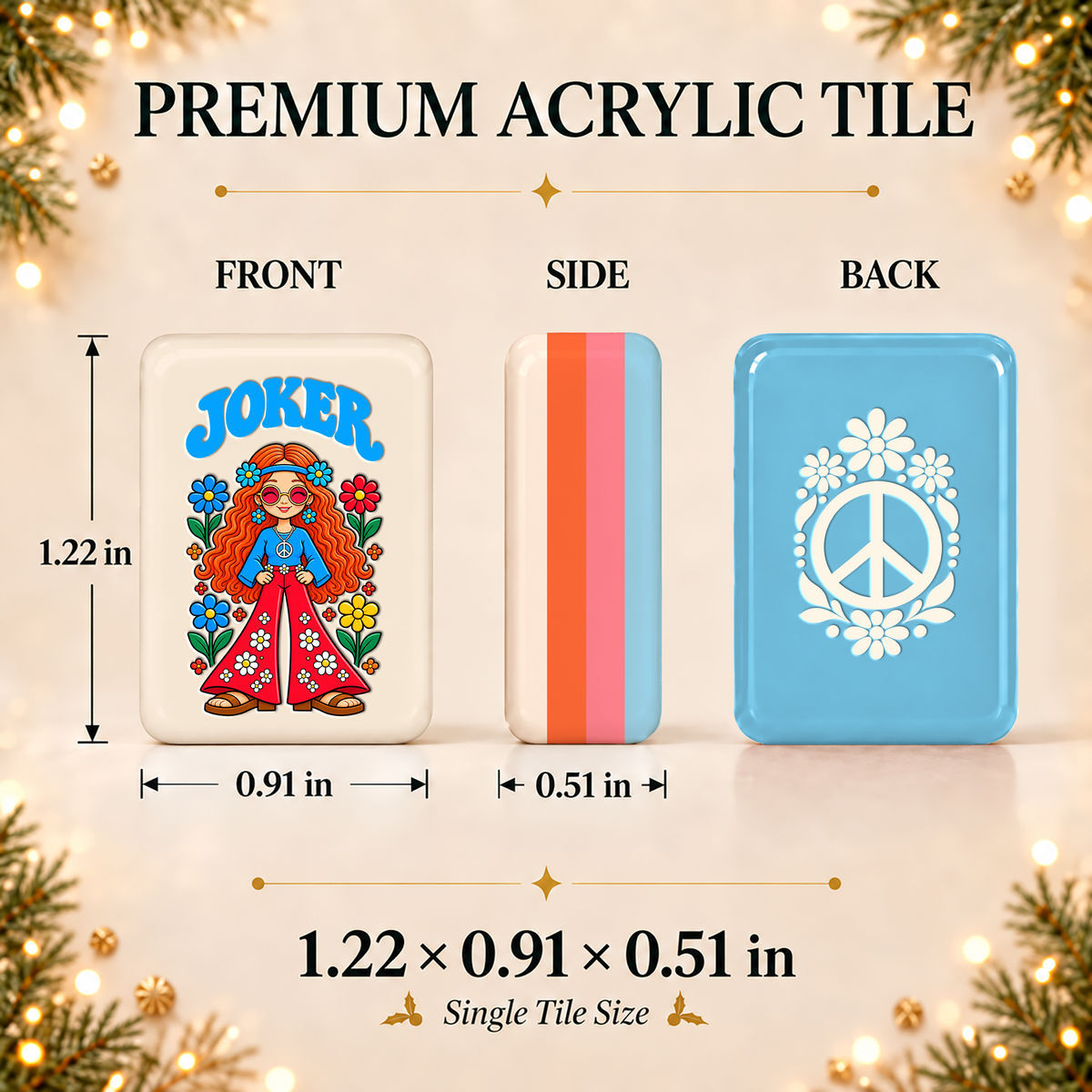
The Villages and similar large retirement communities across the US host active mahjong clubs that meet weekly—typically in clubhouses, community centers, or members' homes. To find one, contact your community's main activities desk, check the internal bulletin boards or newsletter, browse community Facebook groups, or ask at the local library. Most clubs welcome beginners and charge little or nothing per session; some suggest a small contribution for snacks. American mahjong requires learning the current National Mah Jongg League card and the Charleston passing ritual before play begins each hand. You'll need a 160-tile set, a mat for comfort, and pushers to track your score. Mahstead offers engraved American mahjong sets ready to play, shipped free across the US, so you can show up to your first club meeting fully equipped.
How do Villages clubs differ from other mahjong groups?
Villages clubs cater to retirees who play weekly and often for years at the same table. Play is leisurely, social, and rule-focused—these are not casual players. Expect players aged 55+, established house rules about betting limits, and a culture where regulars welcome newcomers but also expect you to learn quickly. Most clubs meet the same day and time each week, so commitment matters. The play style tends toward strict adherence to the current-year National Mah Jongg League card and serious scorekeeping, though stakes are typically modest. If you're new to mahjong or visiting seasonally, ask the club secretary or host whether there's a "learn-to-play" night or a mixed-level table.

Where exactly do you find a club in your community?
Start with your community's main activities office—they maintain the master calendar. Check physical bulletin boards in the clubhouse, fitness center, and mail room. Most Villages communities publish a weekly or monthly activities newsletter (often emailed or mailed); search it for "mahjong" or "tile games." Ask the front desk or concierge directly; they know who the club organizers are. Look for Facebook groups tied to your specific community—many have sub-groups like "Mahjong Players" or "Game Night." If you're in a smaller retirement community without a formal activities program, visit the local library or community center and ask the staff whether mahjong players meet there. You can also post in local Nextdoor or community apps asking if anyone hosts a game. Don't be shy—mahjong players love recruiting new members.
What does a typical club meeting look like?
Most clubs meet for three to four hours on the same weekday each week. Players arrive 10–15 minutes early to set up, socialize, and drink coffee. Each game takes 30–50 minutes depending on how fast players draw and discard. Most groups play two to four rounds per session, rotating seats between games so everyone partners with different players. Before the first hand, the Charleston occurs—the prescribed tile-passing ritual that randomizes the tiles every hand. Players then form pairs or groups and begin calling hands according to the National Mah Jongg League card for that year. Scoring happens at the table with paper or sometimes with a scorebook. Beginners often sit at the same table with more experienced players who coach quietly. Sessions end with final scores tallied and often a brief social chat. Snacks and drinks are common; some clubs split a small pot for refreshments.
What do you absolutely need to bring or own?
You need a complete 160-tile American mahjong set—no shortcuts. Sets contain 152 playing tiles plus spares, and American mahjong has no substitutes. A mahjong mat isn't strictly required but makes play faster and tiles quieter; most clubs have shared mats or allow you to bring your own. Racks with pushers help you organize your hand and keep track of claimed tiles; many players consider them essential for comfort and speed. A scorepad and pen come with most sets or clubs provide them. If you play weekly or travel to your club, a bag or case protects your set from chips and tile-edge cracks during transport. Dice are included in every set and are used to determine the seating and wall break at the start of each hand. Wear comfortable clothes and give yourself two hours to learn the basics before your first session.
Gear you'll need | Why it matters | Where to start |
160-tile American set | Must contain exactly 152 playing tiles + 8 jokers per hand | Best-selling sets with free US shipping |
Mahjong mat | Protects table, speeds play, quiets tiles | Choose a size that fits your table; many are reversible |
Racks & pushers | Organizes your 13 tiles, lets you sort quickly | Speeds up your draw-and-discard cycle |
Bag or case | Protects set during transport to the club | Saves tile damage over a season of weekly play |
Current-year card | Only hands on the current National Mah Jongg League card are valid | Your club secretary will tell you how to get one |

What are the biggest beginner mistakes to avoid?
Mistake 1: Not learning the card before you arrive. Every hand you play must match a pattern on the current year's National Mah Jongg League card—no exceptions. Ask your club for the card or buy one at the session. Spend an hour learning the card layout and notation before your first game. See how to read the mahjong card for a detailed walkthrough.
Mistake 2: Assuming you can use any tiles to make a run. American mahjong has no chows (sequences like 1-2-3). You can only claim pungs (three identical tiles) or kongs (four identical tiles), or larger groups like quints and sextets from the card. A pung is always the same tile, not different numbers.
Mistake 3: Forgetting the Charleston. Before every hand, players pass tiles in a prescribed pattern to randomize the hand. If you skip this or do it wrong, the hand is invalid. Learn the Charleston thoroughly before week one.
Mistake 4: Drawing too many tiles or discarding the wrong tile. Each player draws 13 tiles; on your turn, you draw one and discard one. Drawing an extra tile or discarding before drawing ruins the hand. Play slowly at first and let other players guide you.
Mistake 5: Calling with a joker in a single tile or pair. Jokers can only be used in pung, kong, or larger groups, never in a single tile or pair. If you break this rule, the hand is invalid and you may owe points. See how jokers work for the full rules.
🎁 See our most-loved mahjong sets & accessories →
What to check before you buy your first set
Tile count: Buy a 160-tile set, never less. It contains 152 tiles for play plus 8 jokers plus spares.
Material: Acrylic tiles are durable and stay clean longer than bamboo or bone in a communal setting.
Size & weight: Make sure tiles fit your hands comfortably. Heavier tiles (acrylic) feel more substantial but are harder to carry; lighter sets are easier to transport to the club weekly.
Rack compatibility: Check that your set's tiles fit standard racks and pushers—most do, but confirm before purchase.
Included mat: Some sets come with a mat; most don't. Budget for one separately if you want quiet, fast play.
Warranty or quality promise: Mahstead sets ship free across the US and are checked before packing, so damage in transit is rare; confirm their current policy on the product page.
✨ Find your Mahstead set — free US shipping →
How to make the most of your first month
Week 1: Buy your set, learn the card, and attend your first club meeting. Sit at a table with experienced players and watch two full hands before playing. Ask questions quietly between hands—good players are generous with beginners.
Week 2–3: Play two to three games per session. Don't worry about winning; focus on learning to read the card, follow the discard order, and recognize valid hands. Take notes on common hands you see.
Week 4+: You should now recognize 5–10 common hands by sight and understand when to claim versus pass. This is when your game speeds up and becomes fun rather than stressful. By month two or three, you'll have a regular seat and a group of familiar players.
Most clubs follow the American mahjong rules strictly, so learning them early saves you from feeling lost. If your club plays a house variant (like a different betting system or house rule on jokers), ask them to explain it on week one and write it down. Consistency matters—play the same way every week so you build reliable habits.
🀄 Shop best-selling mahjong sets →

FAQ
Do I need to know how to play before joining a club?
No. Most clubs welcome beginners, but you should spend an hour learning the basics and the current National Mah Jongg League card before your first session. Many clubs have a "learn-to-play" session once a month. Ask the secretary or host when the next beginner night is scheduled.
How much does it cost to join a Villages mahjong club?
Most clubs charge nothing or a small voluntary contribution (typically $1–5 per session) for refreshments. Some groups play for money (betting a dime or quarter per point), but this is optional and the stakes are modest. Check the club's house rules before joining.
What if I'm visiting for the season and can't commit to weekly play?
Many clubs have a "drop-in" option for seasonal residents. Call ahead or email the club organizer and ask if you can play two or three times during your stay. Bring your own set to show you're serious, and show up early so the host knows to count you in.
What size mahjong set is best for club play?
Standard American tiles are about 1.5 inches long. Buy a set labeled "160-tile" which contains all 152 tiles needed for play in American mahjong. Avoid travel sets (smaller) unless you have limited hand strength; full-size tiles are faster to play and easier to see.
Can I use the same set at different clubs?
Yes. Your set is yours to use anywhere. If you play at two clubs on different days, bring the same set each time. Just make sure your tiles are clean and complete before each session, and keep them in a bag or case to prevent damage during transport.
Should I buy a mat and racks before my first club meeting?
Not required for week one, but many experienced players bring their own mat and racks for comfort and speed. Watch how your club plays first—you may find shared equipment works fine. If you play weekly, invest in a mat and racks by month two; most players find them essential for fast, quiet play.


View More
View More
View More
