
How to Clean Your Mahjong Starter Kit: Tile-by-Tile Guide
Last updated: Nov 23, 2026
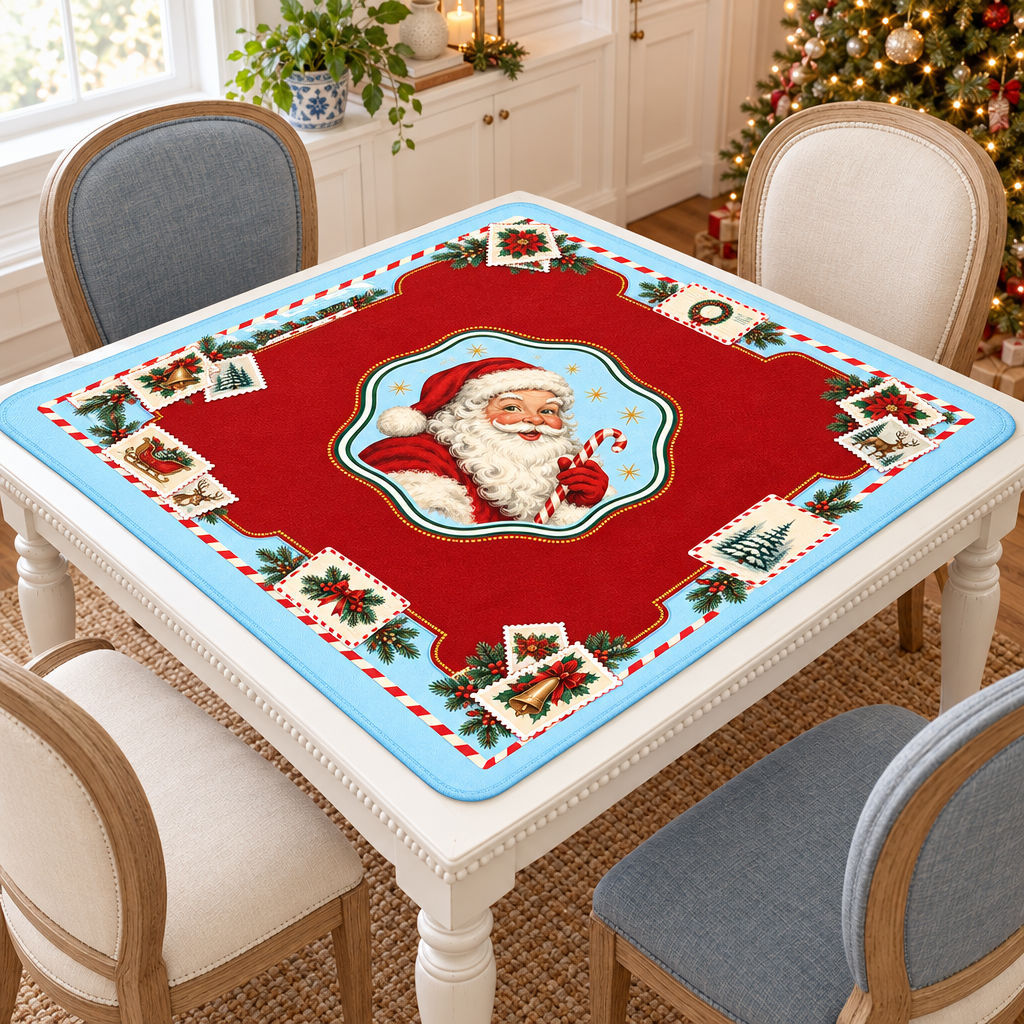
Cleaning a mahjong starter kit means caring for tiles, the mat, racks, and case separately—each requires a different approach. Acrylic tiles tolerate gentle soap and warm water; wipe them dry immediately to prevent water spots. Never soak tiles or use solvents; avoid the dishwasher. The mat benefits from a vacuum and mild spot-clean with a damp cloth; let it air-dry flat. Racks and pushers need the same warm-water treatment as tiles. Cases and bags respond well to a soft brush and dry cloth—moisture is their enemy. Most players clean their sets after every 5–10 games or monthly, depending on use. Mahstead's acrylic tiles resist staining better than bone or bamboo, but quick drying is still the rule.
We've been playing weekly for years, and the best-selling sets in our circle stay tournament-ready because we stick to one rule: dry fast, dry completely. Tiles are the heart of your starter kit, but a mat, racks, bag, and case all need attention. Here's how to clean each piece without accidents or guesswork.
How do I safely clean acrylic mahjong tiles?
Acrylic tiles are forgiving—soap and lukewarm water work perfectly. Fill a shallow basin with warm water and add one drop of dish soap. Place tiles in a mesh strainer (not loose in the water), gently agitate for 10 seconds, then rinse under clean running water. Pat each tile dry with a lint-free microfiber cloth within 30 seconds. Never leave tiles wet; standing water causes spots and can creep into joker slots. Avoid vinegar, rubbing alcohol, bleach, or acetone—these degrade acrylic over time. The engraved titles on best-selling mahjong sets stay sharp longest when dried immediately after a quick wash. Store tiles in their original case or a breathable bag once fully dry.
What's the right way to clean a mahjong mat?
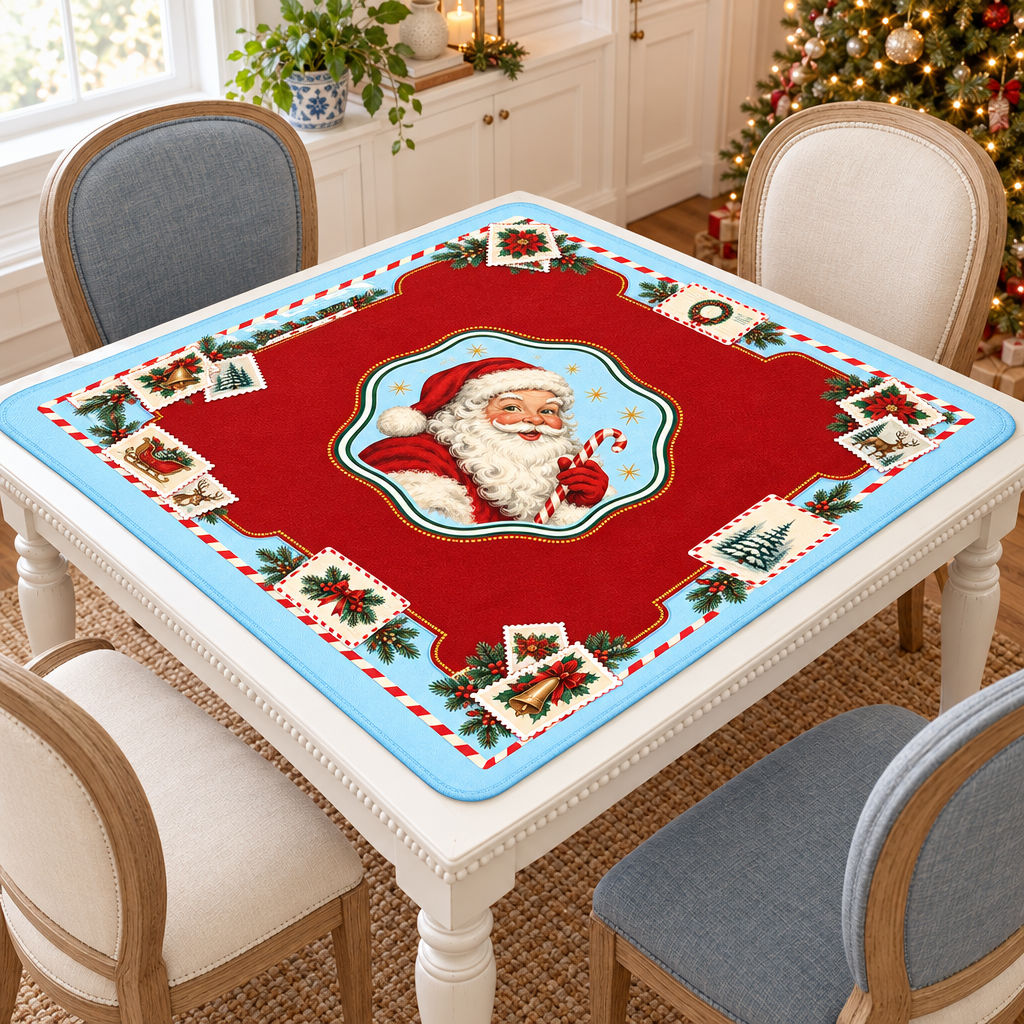
Your mat is a dust and stain magnet—it sits face-up through every game. Start with a vacuum: use the upholstery attachment on low suction to lift dust and lint without pulling threads. For stains, test your cleaning agent on an inconspicuous corner first. Mix lukewarm water with one drop of mild detergent, dampen a white cloth (colored cloths can bleed), and dab—never rub—the affected area. Blot, don't scrub. Rinse the spot with a cloth wrung out in plain water, then blot dry. Lay the mat flat to air-dry completely (at least 2 hours) before rolling it up. Avoid steam cleaners and hot water; heat can warp the mat's underside. Our mahjong mats are designed to endure weekly play when dried properly.
How should I care for racks and pushers?
Racks and pushers live in contact with your hands and tiles—they pick up dust and oils. Rinse them with warm soapy water using a soft cloth or soft-bristled brush, just as you would tiles. Pay attention to the slots and the pusher mechanism; a toothbrush works well for crevices. Dry immediately with a lint-free cloth. If a pusher sticks, never force it; let it soak for 30 seconds in warm water, then work it gently. Avoid leaving racks or pushers in the sun or near heat; acrylic can warp. Store them in a cool, dry place inside your case. Our mahjong racks with pushers are built to last if you dry them right away—moisture left to sit is the only real enemy.
What's the best way to clean mahjong bags and cases?
Soft cases and travel bags need a gentler touch than tiles. Use a soft dry brush or old toothbrush to loosen dust from seams and corners, then wipe with a barely damp cloth. Never machine-wash or soak cases; water seeps into stitching and can mold. Let them air-dry completely (at least 4 hours) in a well-ventilated space before storing tiles inside. Hard cases respond well to the same dry-brush-and-damp-cloth approach. Avoid leather conditioners unless the case is genuine leather—most mahjong bags and cases use synthetic materials that don't need oils. Store cases in a cool, dry place; basements and attics can trap moisture. Empty your case monthly to let air circulate around the tiles and racks.
What cleaning mistakes should I avoid?
Mistake | Why It Fails | What To Do Instead |
Soaking tiles overnight | Water seeps into joker slots; discolors engraved titles | Rinse in mesh strainer; dry in 30 seconds |
Using a dishwasher | Heat and high pressure warp acrylic and blur engravings | Hand-wash in lukewarm water only |
Rubbing stains on mats | Fibers fray; stain spreads deeper into felt | Dab gently; blot with clean water; air-dry flat |
Leaving racks wet after cleaning | Moisture trapped in slots causes discoloration and odor | Towel-dry immediately; air-dry in open space |
Storing tiles in damp cases | Mold and mildew develop inside; tiles absorb moisture | Ensure all pieces are fully dry before storing |
Cleaning with solvents (acetone, bleach) | Acrylic cracks, yellows, or becomes brittle | Use only warm water and one drop of dish soap |
🀄 Shop best-selling mahjong sets →
What should I check before buying a starter kit?
A good starter kit includes tiles, a mat, racks, and a case—and each piece affects your cleaning routine. Acrylic tiles are your best bet because they resist staining and clean easily. Check that the case has ventilation holes or a breathable lining; airtight cases trap moisture and invite mold. Look for a mat with a backing you can wipe—vinyl-backed mats dry faster than felt-only designs. Racks should fit snugly in the case without forcing; loose racks create friction and require more frequent cleaning. Cases with interior dividers keep tiles, racks, and mats separated, which speeds up drying after cleaning. Our best-selling mahjong sets bundle these elements so you're ready to play and maintain from day one.
How often should I deep-clean my starter kit?
Monthly is the sweet spot for most weekly players. Set a calendar reminder: on the first Sunday of each month, empty your case, wipe down the mat, wash tiles, and air-dry racks for 2 hours. Quick wipes after every game (tiles and racks) take 5 minutes and prevent buildup. If you play outdoors or in dusty venues, clean more often—dust settles faster on mat felt and into tile slots. Tournament players often clean before and after events. Store your kit in a climate-controlled space year-round; humidity is your worst enemy. A dry closet or shelf beats a basement or garage. If you notice discoloration, spots, or a musty smell, increase your cleaning schedule and check for moisture in the case.
🎁 See our most-loved mahjong sets & accessories →
A Checklist for Your Weekly Game Setup
Before playing:
Wipe tiles with a dry microfiber cloth to remove dust.
Check the mat for visible stains or debris; vacuum if needed.
Inspect racks and pushers for stickiness or residue.
Ensure the case is dry inside before removing tiles.
After playing:
Return all tiles to the mesh strainer (or a dedicated container).
Wipe the mat with a dry cloth while it's still on the table.
Stack racks and place pushers in a designated spot.
Leave everything uncovered for 15 minutes to air.
Monthly deep-clean (1.5 hours):
Wash tiles in warm soapy water; dry completely.
Spot-clean the mat; air-dry flat for 2 hours.
Wash racks and pushers; dry immediately.
Wipe the case interior with a barely damp cloth; air-dry.
Check for moisture or odors; open the case for 1 hour.
✨ Find your Mahstead set — free US shipping →
Proper cleaning isn't a chore—it's maintenance that keeps your game sharp. When your tiles gleam and your mat is fresh, every hand feels better.

FAQ
Can I use a magic eraser on acrylic mahjong tiles?
No. Magic erasers are abrasive and will scratch acrylic. Stick to warm water and mild soap on a soft cloth. Scratches are permanent and hurt tile longevity.
What if my mat smells musty after storage?
Musty smell means moisture was trapped. Lay the mat flat in sunlight or a well-ventilated room for 4 hours. If odor persists, the case or storage space may be too humid. Move your kit to a drier location.
Can I iron a wrinkled mahjong mat?
Do not use direct heat on any mat. Heat warps acrylic backing and can melt synthetic materials. Instead, lay the mat flat, weight the corners with books, and let time flatten it over 24 hours.
Are engraved titles harder to clean than plain tiles?
No. Engraved titles on acrylic clean the same as blank tiles. The key is drying fast—water sitting in grooves can cause spotting. A microfiber cloth handles engraving safely.
How do I remove hard water stains from tiles?
Hard water stains are mineral deposits. Soak the affected tiles in distilled water for 10 seconds, then wipe with a soft cloth and dry immediately. Never use vinegar or descaling solutions; they degrade acrylic. If stains persist, they're cosmetic only and won't affect play.
Should I store my starter kit assembled or disassembled?
Disassemble for cleaning. Before long-term storage, ensure all pieces are fully dry, then pack tiles and racks separately so air can circulate. This prevents mold and odor. Store the case in an upright position with its lid slightly ajar overnight to let residual moisture escape.


View More
View More
View More
