
Mahjong Clubs in Tampa: Where to Play & How to Join
Last updated: Nov 23, 2026
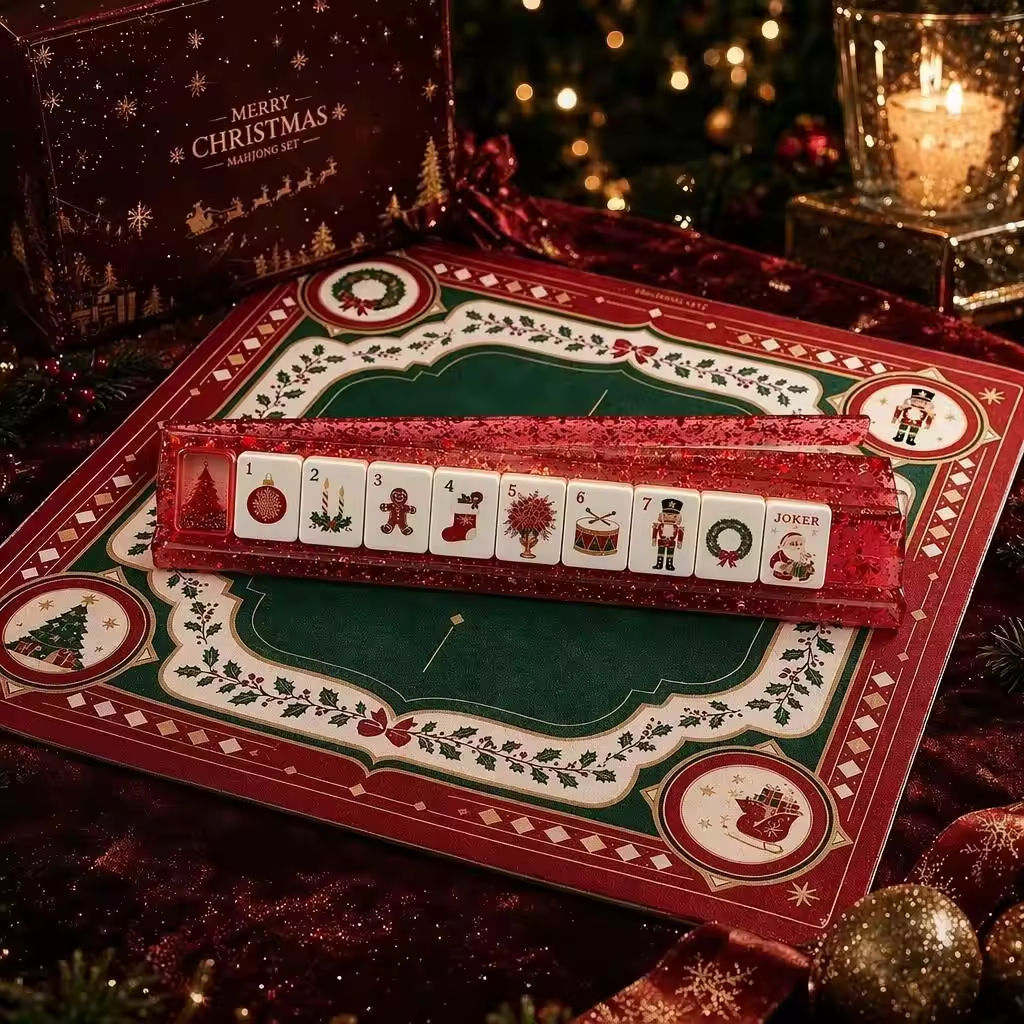
Mahjong clubs in Tampa operate through community centers, libraries, synagogues, senior centers, country clubs, and meetup boards—both in-person and online groups post weekly game schedules. Most groups welcome drop-ins and teach beginners; games typically run 2–4 hours on weekday evenings or weekends. Some clubs charge a small membership fee or table fee; others are free. To find them, search "mahjong" on Meetup, call your local library or community recreation department, ask at synagogues or Jewish community centers, or post in Tampa Bay Facebook groups. Before you join, confirm the rule variant (American mahjong is most common), whether they supply sets and mats or you bring your own, and the skill level of regular players. Our beginner guide covers rules so you can show up confident.
Tampa's mahjong community is active and welcoming. Whether you're a beginner or experienced player, we'll show you how to find clubs, join games, and connect with other players in the area.
Where do Tampa mahjong clubs meet?
Mahjong groups in Tampa gather at libraries, community centers, senior centers, synagogues, country clubs, and private homes. Public libraries often host free or low-cost game nights; check your local branch's calendar. Senior centers welcome players of all ages and typically meet weekday mornings or early afternoons. Synagogues and Jewish community centers run regular mahjong leagues—call ahead to confirm openness to new players. Country clubs and recreational venues sometimes host members-only groups; ask when you visit. Online platforms like Meetup show recurring in-person games with addresses and times posted by organizers.

How do I find a Tampa mahjong game this week?
Start with Meetup.com: search your city and "mahjong" to see active groups, their meeting days, locations, and how to RSVP. Call your nearest public library branch and ask if they host mahjong nights; many do on a regular schedule. Visit or call community recreation departments (city or county level) and request their activity calendars—they list ongoing clubs. Jewish community centers and synagogues in Tampa maintain mahjong rosters; a quick call often lands you a game within days. Ask in Facebook groups for Tampa Bay locals—post "looking for a mahjong group" and you'll get responses from established players. Word-of-mouth matters: if you know one player, ask them to bring you to their regular game.
What should I expect at my first Tampa mahjong game?
Most groups play American mahjong, the rule set used across the U.S. You'll sit with three other players at a table with a mat, a set of 152 tiles, and racks. Before each hand, the four players pass tiles in a ritual called the Charleston—don't worry, someone will walk you through it. Games are social: players chat, joke, and help newcomers understand the flow. Experienced players often sit near beginners and offer quiet coaching. Bring a notebook if you want to track scoring. Most games last 2–4 hours; you can usually leave after one round of hands. Some clubs serve snacks or coffee. Dress casually; the atmosphere is relaxed and inclusive. If you've never played, arrive 15 minutes early, introduce yourself as new, and ask the organizer to pair you with patient players.
🀄 Shop best-selling mahjong sets →
What tiles and equipment do Tampa clubs provide?
Most established clubs supply everything: sets, mats, racks with pushers, and jokers. Verify when you call or email the organizer. If you become a regular, consider owning a set so you can practice at home and bring it if the club ever needs backup. A 160-tile acrylic set includes all tiles needed for American mahjong plus spares; acrylic is durable, easy to see, and stands up to weekly play. Mats protect the playing surface and keep tiles organized; many homes and clubs use custom mahjong mats so players can spot their own tiles quickly. Racks with pushers prevent tiles from tipping during the Charleston and scoring rounds. If you host games, these tools make the evening smooth for all skill levels.

Should I join a Tampa mahjong club or host my own games?
Scenario | Best for | Commitment | Social Level |
Join existing club | Beginners; busy schedules; meeting players | 1–2 hours/week | High; established friendships |
Host weekly game | Experienced players; control rules/pace | 3–4 hours setup + play | Flexible; your friends + their friends |
Drop-in games | Casual players; trying different groups | Whenever you want | Medium; same core group + visitors |
League play | Competitive players; scoring & ranking | Weekly + tournaments | Very high; organized events |
Most players start by joining an existing group, then host occasional games at home once they know other players. Hosting requires a quality set, a mat, racks, and snacks—but it builds community and lets you control the night. If you're new, visit 2–3 clubs first to find your fit.
🎁 See our most-loved mahjong sets & accessories →
What's the best way to learn American mahjong before I show up?
Watch YouTube videos on the Charleston and hand-building so you're not starting from zero. Read how to play American mahjong and how to read the mahjong card—these take 20 minutes and give you enough context to follow along. Understand what jokers do and how scoring works so you're not confused when players call hands. The National Mah Jongg League card (issued every spring) lists all valid hands; clubs provide it at the table. Don't memorize every hand—just know the basics and ask questions. Every player at the table expects to coach a beginner; it's part of the culture. Our beginner guide has everything you need in one place.
What to check before you buy a set for your own Tampa games
If you decide to host or want a personal set:
Tile material: Acrylic is durable and loud enough to hear across a room; bamboo and bone feel premium but cost more and chip over time.
Joker count: American sets always have 8 jokers; verify the listing says 160 tiles (that's 152 playing tiles plus 8 spares total).
Rack style: Pushers make the Charleston easier and prevent tiles from falling; some players prefer simple racks without pushers.
Mat quality: Compare mats by grip, size, and portability; if you host regularly, a padded mat lasts years.
Storage: Bags and cases keep sets safe if you travel to games; soft bags are lighter, hard cases are more protective.
✨ Find your Mahstead set — free US shipping →

FAQ
How much does it cost to join a mahjong club in Tampa?
Costs vary widely. Free groups exist at libraries and some community centers. Membership clubs may charge monthly dues (often under modest amounts) or a per-game table fee. Ask the organizer before your first visit. No cost barrier should stop you from trying.
Can I learn mahjong if I've never played before?
Yes. Most Tampa clubs welcome absolute beginners. Come 15 minutes early, tell the organizer you're new, and ask to sit near experienced players. The rules take one evening to grasp; strategy develops over months. Everyone started exactly where you are.
What rule version do Tampa clubs play?
Nearly all play American mahjong, which uses 152 tiles, the National Mah Jongg League card, and a pre-game tile-passing ritual called the Charleston. Some groups may try other variants; ask when you call.
Do I need to bring my own set and mat?
Not for your first visit. Established clubs provide everything. If you become a regular or want to host games, buying your own set is helpful but not required until then.
How do I start hosting mahjong games in my Tampa home?
Invite 3 players you've met at a club, buy or borrow a set and mat, provide snacks and drinks, and pick a weeknight or weekend. Set a start time (usually 6 or 7 p.m.) and stick to it. Word spreads quickly in the mahjong community.
What's the difference between joining a club and a league?
Clubs are informal, social, and focus on fun. Leagues track rankings, host tournaments, and may require membership in the National Mah Jongg League. Most Tampa players do both—casual weekly games plus occasional league tournaments.


View More
View More
View More
