
Mahjong Clubs in Philadelphia: Where to Play & How to Start
Last updated: Nov 23, 2026
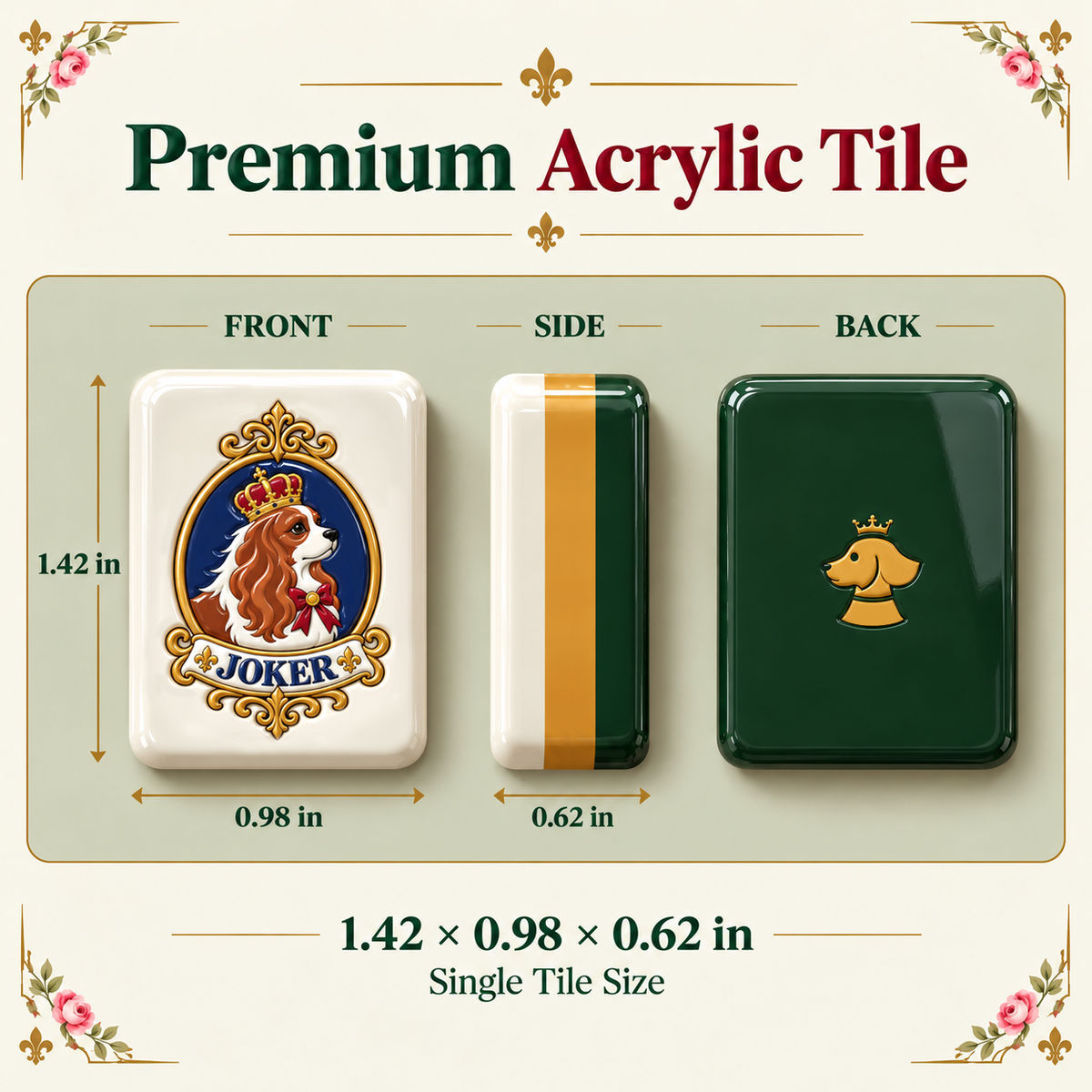
Philadelphia's mahjong clubs and games meet in community centers (check your local parks department and library systems for weekly offerings), synagogues (particularly strong in Center City and Northeast neighborhoods), country clubs with active game groups, and casual meetup networks. Most clubs play American mahjong using the National Mah Jongg League card updated each spring. Games typically run Thursday or Friday evenings and Sunday afternoons; a session lasts 2–4 hours and involves four players. No entry fee is standard at beginner-friendly groups, though some members-only clubs may charge a small fee. To join, ask the group leader what tile set, mat, and racks they use—many clubs provide equipment, but bringing your own best-selling mahjong sets ensures you're comfortable and ready.
Where do Philadelphia mahjong clubs actually meet?
Community centers in Northeast Philadelphia, Center City, and West Philadelphia host open mahjong nights year-round; call or visit the Parks and Recreation Department website to find current schedules. Synagogues in the Northeast and Center City neighborhoods often run weekly morning or evening games, sometimes as member-only events and sometimes open to guests. Country clubs and senior centers (particularly in Bala Cynwyd, Abington, and other suburban areas) maintain long-running game groups, though many require membership or a member sponsor. Libraries occasionally host mahjong days or can point you to nearby clubs. The easiest first step: search "mahjong near me" on community meetup platforms or call the local recreation center nearest you and ask if a game runs this week.

How do I find a beginner-friendly game in my neighborhood?
Ask the person running the group whether they teach new players during the first 30 minutes or expect you to know how to play American mahjong. Beginner games move slower and are more forgiving about the Charleston (the tile-passing ritual) and reading the year's mahjong card. Many community centers and synagogues have a beginner night separate from the competitive game. Arrive 15 minutes early, introduce yourself as new, and ask if someone can sit as your partner or guide for the first hand. Most groups welcome newcomers and will loan you tiles and a rack if you don't have your own.
What equipment do I need to bring, and what does a club provide?
Most Philadelphia clubs provide a complete 152-tile American mahjong set, a mat for the playing surface, and wooden racks with pushers. Ask the host beforehand what you should bring—some groups ask each player to contribute one item (one person brings the set, another brings racks, etc.). If you're a regular, bring your own set so you're familiar with the tile feel and size; many players prefer a consistent tile weight and finish across sessions. A personal mahjong mat protects your tiles from spills and keeps them organized, and racks with pushers make holding 13 tiles ergonomic and quiet. If you plan to play weekly, invest in a travel bag or case so your set doesn't scatter in the car.
Equipment Item | What It Is | Who Provides It | Why You'd Bring Your Own |
152-tile set | 108 suited tiles + 16 winds + 12 dragons + 8 flowers + 8 jokers | Usually the host | You like the tile size, weight, or finish; you want consistency |
Mat | Bamboo or fabric surface for the play area | Usually the host | Personal preference for grip and visibility; protects club equipment |
Racks with pushers | Wooden stands to hold your 13 tiles | Usually the host | Quieter play, ergonomic comfort, familiar feel |
Card reader | Printed National Mah Jongg League card (current year) | Each player brings one | Ensures you're reading the same year's legal hands |
Bag or case | Protective storage for travel | Only if you own a set | Keeps tiles and accessories organized and safe |
What should I learn before my first game?
Study the current year's National Mah Jongg League card so you recognize the hand patterns (straights, sets, pairs, and joker uses are the main categories). Read about what's in an American mahjong set and the suits—Bam, Crak, Dot, winds, and dragons are the core. Understand that in American mahjong, you cannot call or expose a chow (sequence like 1–2–3); you may only expose pungs (three identical tiles), kongs (four identical), and longer runs of identical tiles. Learn how the Charleston works—the ritual passing of tiles before the game starts—because every table does it the same way and it sets the entire tone. Watch a short video or ask the host to walk through one full hand so you see the rhythm: draw a tile, discard a tile, call if someone can use your discard, repeat until someone wins.
🎁 See our most-loved mahjong sets & accessories →

What's the cost, and how does scoring work?
No entry fee is typical in community center or open synagogue games; some private club games include a small cost to fund prizes or refreshments (ask the host). Scoring in American mahjong uses the year's official card and a point value assigned to each hand; hands range from simple (low point value, easier to make) to complex (high point value, harder to make). Winners and losers settle points per hand, and many friendly games use play money, chips, or no payment at all—the focus is on play, not gambling. Before your first game, ask whether the group tracks points formally or plays casually. Read our American mahjong scoring guide to understand how points are awarded so you can follow the conversation and predict payouts.
What mistakes do new Philadelphia players make?
Forgetting the year's card. The National Mah Jongg League card changes every spring. If you bring last year's card, you won't recognize this year's legal hands, and the group will have to stop to help you. Not knowing the no-chow rule. Beginners often try to call or expose a sequence (chow) as if it were a pung; American mahjong doesn't allow exposed sequences. Rushing the Charleston. The tile-passing ritual has a rhythm—take time to pass tiles calmly or you'll throw off the whole table's pile count. Using a joker incorrectly.How jokers work is one of the trickiest topics; they substitute for a single tile in a pung, kong, quint, or sextet, but never for a pair or a single tile. Losing track of tile count. Every player should have 13 tiles in hand; if someone has 14, a discard is missing, and play must stop. Count before you draw and after you discard.
✨ Find your Mahstead set — free US shipping →
What to Check Before You Buy or Bring Equipment
Tile count: A standard American mahjong set has exactly 152 playing tiles (108 suited + 16 winds + 12 dragons + 8 flowers + 8 jokers). If you're buying a set, confirm the tile count so you know it matches the game standard.
Mat size: A mahjong mat should be large enough for four players to sit around and each have room for 13 tiles, a discard pile, and elbow space. Most measure 30–36 inches on a side; check dimensions before you buy so it fits your table and car.
Rack height and grip: Wooden racks with pushers are gentler on hands and quieter than plastic. Try one at a club game to see if the height feels natural for you.
Bag compartments: If you're buying a travel bag or case, check that it has padded dividers for the tile set, racks, and mat so nothing shifts during transport.
Card reader: Many players use a laminated card holder or stand so the official card stays visible and dry throughout the session. Bring your current year's card in a small sleeve.

FAQ
Do I need to know American mahjong before I join a Philadelphia club?
No. Most beginner-friendly groups teach the basics during your first few games. Arrive early, tell the host you're new, and ask if someone can guide you through the first hand. Having watched one video about the game flow helps, but genuine learning happens at the table.
Can I play mahjong as a pair or in groups smaller than four?
American mahjong is designed for exactly four players. Some clubs offer 2 and 3 player variants, but check with your local group. Most regular games stick to four.
What's the difference between American mahjong and the Chinese version I've heard about?
American mahjong uses the National Mah Jongg League card and has no exposed chows (sequences). Chinese and Hong Kong variants allow chows and use different hand patterns and scoring. Philadelphia clubs play almost exclusively American mahjong, though some specialty groups meet for other variants.
Is there a mahjong club that meets on weekends in West Philadelphia?
Check your local community center's activity calendar or call the Parks and Recreation Department for current weekend games. Libraries and synagogues sometimes post their game schedules online or by phone; calling a week ahead ensures a game is scheduled.
How do I bring my own mahjong set to a club without damaging it?
Use a padded travel bag or case with compartments for the tile set, mat, and racks. Tiles can chip if they roll around, and a case keeps everything organized and safe in your car between games.
What's the best way to learn to read the official mahjong card quickly?
Study the card at home before you play, focusing on the hand categories (straights, sets, pairs, joker placement). At the table, ask another player to point to a hand you're considering on the card so you see how the pattern is written. Our guide on how to read the mahjong card breaks down the layout so you can practice.
Are there beginner tournaments in Philadelphia, or is it all casual play?
Most Philadelphia clubs host friendly, casual games focused on learning and fun. A few private clubs may run scoring leagues; ask your host whether competitive play exists or if the group is recreational only. 🀄 Shop best-selling mahjong sets →


View More
View More
View More
