
Mahjong Clubs in Minneapolis: Where to Play & What to Bring
Last updated: Nov 23, 2026
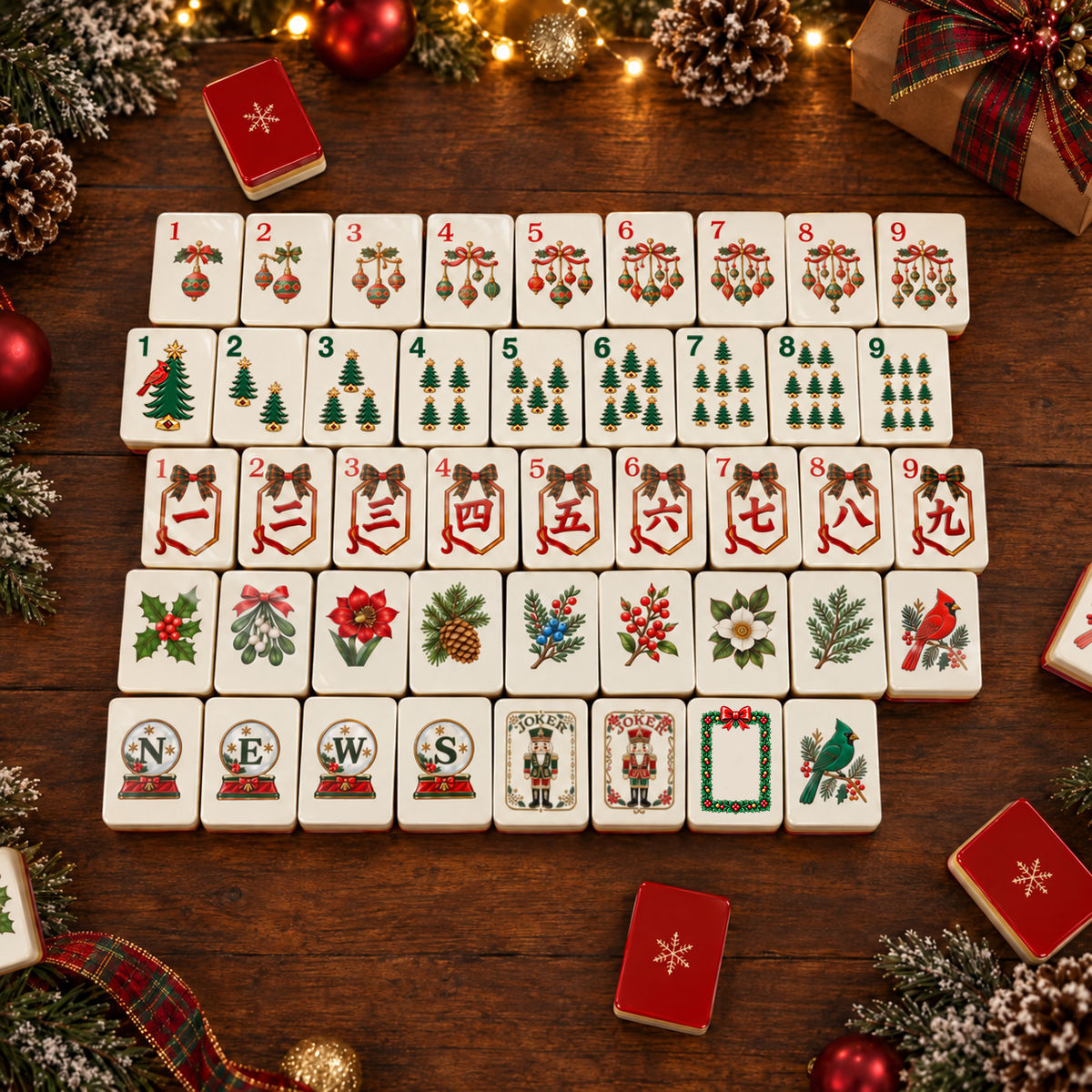
Minneapolis players gather at public libraries, community recreation centers, synagogues, and country clubs on weeknights and weekends—search your local library's events calendar, Meetup.com, and neighborhood Facebook groups for active four-player games. Most clubs welcome beginners if you learn the basics beforehand; expect weekly Thursday or Sunday games with a 1–2 hour social format. A 160-tile American mahjong set with a mat and racks makes hosting smoother, though most established clubs provide equipment. Check whether your group plays American or Chinese variants before joining; American uses the National Mah Jongg League card and specific hand patterns, while other versions have open sequences and different scoring. Start by learning American mahjong fundamentals and then reach out to local organizers directly—they're almost always eager to teach newcomers. 🀄 Shop best-selling mahjong sets →
Where Do Minneapolis Players Actually Meet?
Minneapolis has no centralized mahjong league, but active groups play at public venues year-round. Start with your city or county library system's event listings; many host open mahjong nights or can refer you to established clubs meeting in their community rooms. Check Meetup.com for "mahjong Minneapolis" groups—several chapters run weekly or biweekly games for all skill levels. Synagogues and Jewish community centers often host traditional games Thursday evenings or Sunday afternoons; call ahead to confirm schedules and whether drop-ins are welcome. Private country clubs and social organizations sometimes have standing mahjong nights too, though membership may be required. The fastest way in: ask at a library program or reply to a Meetup post saying you're new and want to learn.

What's the Difference Between American and Other Styles?
American mahjong uses 152 tiles, the official National Mah Jongg League card updated yearly, and specific exposed patterns (pungs, kongs, quints)—no open sequences allowed. Chinese, Hong Kong, and Taiwanese versions allow calling chows (sequences like 1-2-3), use 144 tiles, and have different scoring; Riichi mahjong, played in Japan, has yet another ruleset. Before joining a Minneapolis club, ask what variant they play; most groups advertise this upfront. If you've learned only American rules, jumping into a Chinese game will be confusing—the card doesn't exist in other variants, and tile discard strategy is entirely different. One Minneapolis club might play American exclusively, while another meets for mixed games. Read the American mahjong guide to ground yourself in one system first, then ask the club leader what you'll encounter.
How Do You Prepare Before Your First Game?
Learn the four suits (Bams, Craks, Dots, winds), the hand-reading card system, and basic tile naming before showing up. Watch a quick how-to video or read a beginner primer so you recognize what's on the table. Bring a notebook—watching experienced players and jotting down how they build hands teaches you faster than any lecture. Dress casually and plan to sit for 90 minutes to 2 hours. Most Minneapolis clubs rotate players between tables, so you'll partner with different people each game. Don't worry about being slow at first; good hosts pause to explain calls and help beginners understand why a discard was risky. Understand how jokers work and read the mahjong card correctly before you arrive—those two skills unlock 80% of what you need to play.
🎁 See our most-loved mahjong sets & accessories →

What Should You Bring (or Host With)?
If you're joining an established club, bring nothing—hosts provide tiles, racks, mats, and score sheets. If you want to host your own Minneapolis group or contribute to a rotating game, a 160-tile acrylic American mahjong set with a mat and pushers speeds setup and keeps everything organized on the table. A durable mat prevents tile clatter, protects your surface, and makes the game feel intentional. Pushers make tile management easier for new players who fumble stacks, and a travel bag keeps your set safe if you're hosting different locations. Most Minneapolis venues won't mind you bringing your own set; some prefer it because home sets are familiar to your regular group. If you're serious about joining or hosting weekly, your own equipment pays for itself fast in convenience and a better table experience.
What You'll Need:
Item | Why It Matters | Best For |
160-tile acrylic set | Fast setup, durable, lasts years | Hosting weekly or joining established clubs |
Cloth mat | Quieter play, protects surfaces | Any venue, especially rentals or libraries |
Racks with pushers | Easier tile management for beginners | New players or mixed-skill groups |
Travel bag or case | Protects tiles during transport | Moving between venues or homes |
Current-year League card (printed) | Required for American rules, free to print | Every player, at every game |
How Do You Find and Join a Specific Group?
Search "mahjong Minneapolis" or "mahjong clubs Twin Cities" on Meetup, Facebook Groups, and Nextdoor. Call your local library branch and ask if staff know of active games or if they can post a notice for you. Contact the synagogue or Jewish community center nearest you—many track mahjong programs and can connect you directly. Some Minneapolis players organize private groups via email lists or WhatsApp; once you show up to a public game, ask the host if a regular group is forming. Don't be shy—mahjong communities are almost always welcoming to beginners, and hosts often remember new faces and follow up with invitations. Expect to try 1–3 groups before finding one that clicks with your schedule and style.
What To Check Before You Buy a Set for Hosting
If you're planning to host or gift a set to a fellow Minneapolis player, buy a 160-tile acrylic American set with clear tile faces and even weight distribution—plastic tiles shuffle quietly and survive years of weekly play. Avoid sets with overly small fonts; aged eyes at the table will struggle to read Bams, Craks, and Dots from a distance. Check that pushers and racks fit comfortably in your hands; some players prefer wider grips. A mat that folds into a carrying case saves space if you're moving between venues. Confirm the set includes the current-year National Mah Jongg League card or access to a free printable version—without it, American mahjong is unplayable. Custom-engraved sets make great gifts for Minnesota hosts; browse personalized titles and designs that celebrate your group's name or inside jokes.
✨ Find your Mahstead set — free US shipping →

FAQ
Do Minneapolis mahjong clubs charge to join?
Most public library and community-center games are free or charge $2–5 per player per night to cover hall rental. Private clubs may ask for membership fees; Meetup groups are free to join, though hosts sometimes split table-snack costs.
Can I learn mahjong online before attending a Minneapolis club?
Yes—YouTube tutorials, Mahstead's beginner guides, and online rule cards teach American mahjong basics in 1–2 hours. Many new Minneapolis players watch videos beforehand, then attend a live game to practice.
What if I don't know anyone in a Minneapolis mahjong group yet?
Show up as a drop-in to a Meetup game or library event and introduce yourself; hosts always assign newcomers to a table and explain the hand. Mahjong groups thrive on rotating players and new faces.
Is American mahjong the only variant played in Minneapolis?
American is the most common, but some clubs play Chinese or mixed variants. Always ask the host what rules you'll use before your first game.
Should I buy my own set if I'm a beginner in Minneapolis?
Not required—join a few club games first with the host's tiles. Buy a set once you know you love the game and want to host or contribute equipment regularly.
Where can I find a printable National Mah Jongg League card for this year?
The League sells printed cards, and many free printables exist online. Ask your Minneapolis club host for their favorite source or download link.


View More
View More
View More
