
Taiwanese Mahjong Rules: Tile Sets, Hand Patterns & Scoring
Last updated: Nov 23, 2026
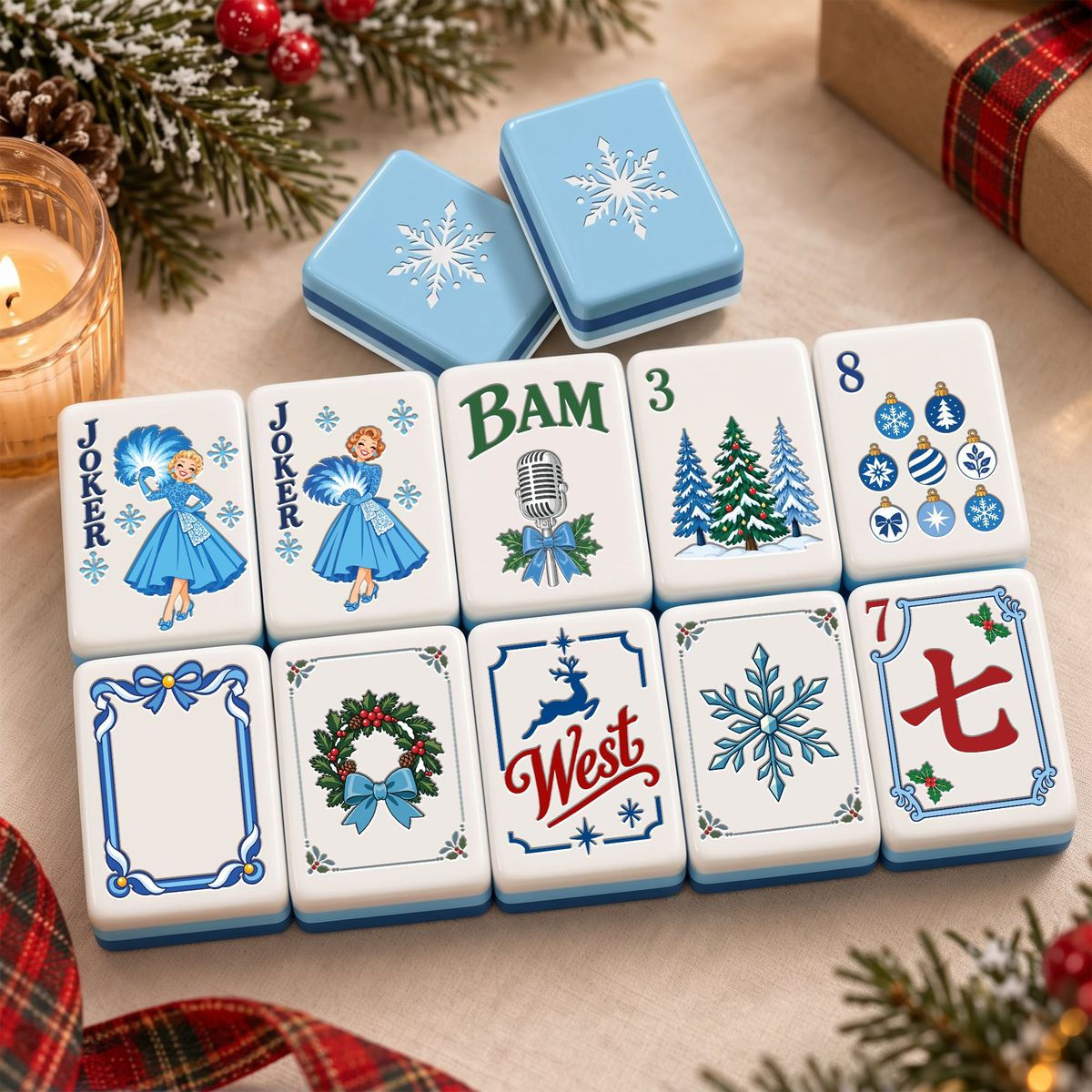
Taiwanese mahjong is played with 144 tiles (three suits numbered 1–9 plus honors and flowers), where players draw and discard to form a winning hand of four melds plus a pair. Unlike American mahjong, Taiwanese allows chows (sequences like 1-2-3) to be called and exposed; melds can include pairs; and there are no jokers. A round takes 15–20 minutes. Scoring is calculated per tile value, not by fixed hand pattern. You draw from a wall, discard to a central area, and call when you can form a legal winning combination. Winning typically requires "hu"—a complete hand meeting specific pattern rules that vary by regional house rules. The game emphasizes quick decision-making and reading opponents' discards.
How does Taiwanese mahjong differ from American mahjong?
American mahjong uses 152 tiles (plus 8 jokers), forbids sequences (chows), and requires hands only from the current year's National Mah Jongg League card. Taiwanese uses 144 tiles, permits chows and exposed pairs, has no jokers, and scoring is based on tile values and hand patterns rather than a fixed reference card. American hands are preset on the league card each season; Taiwanese hands are determined by pattern logic (e.g., "all pungs," "mixed suit"). American play is slower and more strategic; Taiwanese is faster and more intuitive. If you've played American mahjong, Taiwanese will feel more permissive—you're not locked into a specific year's list of hands.
🀄 Shop best-selling mahjong sets →

What are the tile compositions in a Taiwanese set?
A Taiwanese mahjong set contains 144 tiles: 108 suited tiles (three suits—Bams, Craks, Dots—each numbered 1–9 in four copies); 16 winds (four each of North, East, South, West); 12 dragons (four each of Red, Green, White); and 8 flowers (spring, summer, autumn, winter × 2). There are no jokers or blanks. Each tile is used exactly once per game; no draws from a spare pool. The winds and dragons are called "honors"; flowers are bonus tiles drawn separately and replaced from the wall. The suited tiles form the core of most winning hands, while honors add complexity and point value.
What is the basic hand structure and how do you win?
In Taiwanese mahjong, a winning hand consists of four melds (pung, kong, or chow) plus one pair, totaling 14 tiles. A pung is three identical tiles; a kong is four identical; a chow is a sequence of three consecutive numbers in the same suit (e.g., 3-4-5 Bams). The pair can be any two identical tiles. To win ("hu"), your hand must be complete and match allowable patterns—common ones include "all pungs," "mixed terminals," or "no honors." Melds can be exposed (called from others' discards or self-drawn) and remain visible on the table. Play cycles: draw a tile, evaluate your hand, then discard. When your 14 tiles form a legal winning combination, you declare "hu" and win the round.
How does calling and exposing melds work in Taiwanese mahjong?
When another player discards a tile you need to complete a pung, kong, or chow, you call it and expose the meld face-up. For a pung, you need two matching tiles in hand plus the discard; for a chow, two consecutive tiles plus the discard (e.g., you hold 2-3 Craks, someone discards 1 Crak, you call and expose 1-2-3). Kongs (four identical) are exposed and a replacement tile is drawn from the wall. After calling and exposing, you discard a tile from your hand and play passes to the next player. Crucially, once a meld is exposed it cannot be changed—the tile positions are permanent and visible to all players. This openness contrasts sharply with American mahjong, where melds must be identical tiles only and sequences are never allowed.

How is scoring calculated in Taiwanese mahjong?
Taiwanese mahjong scoring is point-per-tile: each hand is analyzed and points are awarded based on tile combinations, suits, terminals, honors, and pattern bonuses. Common scoring elements include: pung of honors (8 points), pung of terminals (2 points), mixed sequences (bonus), all one suit (large bonus), and edge/corner melds. Flowers are worth 1 point each and drawn at game start. The total hand score is often multiplied by a "base rate" (e.g., 1x, 2x, 4x) and then by the number of losing players (usually 3 others). So a 12-point hand at 2x base, paid by three players, yields 72 points. Exact scoring rules vary by region and house rules—Taiwan, Singapore, and Hong Kong each have dialects. Learn your table's rules before playing, as scoring can shift dramatically with different multiplier systems.
What are the key strategic differences when switching from American to Taiwanese mahjong?
American mahjong rewards pattern memory and planning ahead to specific hand combinations. Taiwanese mahjong rewards speed, tile-reading, and adaptability—you must build hands on the fly and watch what opponents discard or call, since exposed melds reveal their strategy. In American play, the Charleston (the pre-game tile exchange) shapes your opening hand; in Taiwanese, the wall draw is random and melds are called reactively. American players memorize the league card; Taiwanese players internalize pattern rules and scoring multipliers. Taiwanese tables often play with a "dead wall" (a reserve of unrevealed tiles) that raises tension near endgame, whereas American play draws steadily from a shuffled wall. If you're accustomed to American mahjong, expect Taiwanese to feel more combative and spontaneous—there's less time to think and more emphasis on reading your opponents' faces and tile patterns.
Comparison: American vs. Taiwanese Mahjong
Aspect | American | Taiwanese |
Tile count | 152 + 8 jokers | 144 (no jokers) |
Sequences allowed | No; never | Yes; called and exposed |
Hand reference | National Mah Jongg League card (yearly) | Pattern rules (regional variants) |
Melds exposed | Pungs, kongs, quints, sextets only | Pungs, kongs, chows, pairs |
Scoring | Fixed hand value from card | Points per tile + multipliers |
Round length | 20–30 minutes | 15–20 minutes |
Jokers | Yes, used to complete sets | None |
Pair rules | Cannot be used as single or pair | Can be any two identical tiles |
Skill emphasis | Pattern memory, long-term strategy | Speed, tile-reading, adaptability |
🎁 See our most-loved mahjong sets & accessories →
What should you check before buying a Taiwanese mahjong set?
Verify the tile count is exactly 144 (no extra jokers or blanks, which are American-only). Check that numbered tiles are clearly marked 1–9 in each suit and that honors (winds, dragons, flowers) are distinct and easy to identify at a glance. Ensure tiles are durable acrylic or bone—lightweight plastic wears quickly in fast Taiwanese play. Look for smooth pushers and a sturdy carrying case if you'll transport the set. Confirm the tile faces are engraved or printed in high contrast (red/green/white dragons should be unmistakable). Test weight and size in hand: Taiwanese sets often use slightly smaller tiles than American sets, so hold them if possible. Avoid sets with missing or unclear flower designations—flowers are drawn and bonus-scored, so clarity matters.
✨ Find your Mahstead set — free US shipping →
What equipment complements a Taiwanese mahjong set?
A mahjong mat with clear boundaries helps organize discards and walls in fast play. Racks with smooth pushers are less essential in Taiwanese play than American (since melds are exposed), but they keep your hand organized and prevent accidental tile reveals. A travel bag or carrying case is worth the investment if you'll play at friends' tables or tournaments. Dice are standard for determining wall position and play order—any pair of six-sided dice works. Paper scorecards or a scoring app help track points across rounds. If hosting weekly Taiwanese games, consider a mat with zone markers for the wall, dead wall, and discard area to speed up play.

FAQ
Can I use an American mahjong set to play Taiwanese mahjong?
No. American sets include 152 tiles plus 8 jokers; Taiwanese requires exactly 144 tiles with no jokers. Jokers have no role in Taiwanese hands and will confuse gameplay. You need a true 144-tile set.
What does "hu" mean and how do I know when I can call it?
"Hu" is the winning call—you declare it when your 14 tiles form a legal combination (four melds plus a pair). Your hand must also meet one of the allowed patterns per your table's regional rules. Always confirm rules before playing, since hu validity varies by house.
Is Taiwanese mahjong harder than American mahjong?
It's different, not harder. Taiwanese requires less memorization (no yearly card) but faster decision-making and better tile-reading. American rewards pattern memory; Taiwanese rewards adaptability. Most players find one style more natural after a few games.
How long does a typical game of Taiwanese mahjong take?
A single round (one hand) typically takes 15–20 minutes. A session of four rounds takes about an hour. American rounds usually run 20–30 minutes, so Taiwanese is faster-paced.
Do I need to speak Cantonese or Mandarin to play Taiwanese mahjong?
No. The tile faces and basic calls ("hu," "pung," "chow") are easy to learn in English. House rules and scoring may be explained in English. Many international Taiwanese mahjong groups in the US teach and play in English.
What regional variants of Taiwanese mahjong exist?
Taiwan, Singapore, and Hong Kong each have scoring and pattern rule dialects—sometimes called "Taiwanese," "Singaporean," and "Hong Kong" styles. Scoring multipliers, allowed patterns, and payment rules differ. Always ask which rules your table uses before sitting down.


View More
View More
View More
