
Mahjong Clubs in Indianapolis: How to Join & What to Play
Last updated: Nov 23, 2026
Indianapolis mahjong players gather weekly at public libraries, community centers, country clubs, and synagogues—the fastest path is calling your local library's programming desk or checking Meetup boards for "mahjong" + your neighborhood. Most clubs play American mahjong (the National Mah Jongg League variant with tiles, a seasonal card, and the Charleston shuffle). Beginners are welcomed; games usually meet Tuesday–Thursday evenings or weekend afternoons, lasting 2–3 hours. Clubs almost always provide tiles, but owning a personal 160-tile set with a mat and rack speeds your play and shows respect to hosts. Mahstead ships sets with engraved titles or custom designs that last through hundreds of games—a smart investment if you plan to join regularly.
🀄 Shop best-selling mahjong sets →
Where do Indianapolis mahjong groups actually meet?
Public libraries host the steadiest games: Marion County libraries and branches often have weekly afternoons or evenings. Call ahead to confirm the room, time, and whether new players are invited. Community centers (check Parks & Recreation departments in your township) also run clubs or rent meeting rooms cheaply to player groups. Country clubs and Jewish community centers sometimes host members-only or open games. Meetup.com and Facebook groups for "Indianapolis Mahjong" surface ad-hoc games hosted by locals. Start with your nearest library branch—staff can give you current club leaders' contact info.

What's the difference between American and Chinese mahjong clubs?
American mahjong uses a National Mah Jongg League card issued yearly, 152 playing tiles plus 8 jokers, no chows (sequences), and the Charleston (tile pass before play). Chinese mahjong uses all-tiles sequences, calling, stealing, and rarely a card—it's faster-paced and less forgiving of rule mistakes. Most Indianapolis clubs play American; when joining, ask upfront which variant the group prefers. American beginners find it less chaotic because every hand is written on the card and jokers act as wildcards, not wild draws. If you've watched online play and felt confused, it was likely Chinese or Hong Kong rules—American clubs walk you through their card line-by-line.
How do I learn the current year's rules before I show up?
Ask the club organizer to email or text you a photo of the 2026 National Mah Jongg League card, then spend 20 minutes at Mahstead's how-to play guide learning tile names, the Charleston shuffle, what a pung and kong are, and how jokers fill gaps. That's enough to sit down. Most groups have one experienced player who will teach you one hand at a time—don't memorize the whole card. Learning happens fastest at the table, not alone. Many clubs have a spare set on hand; if they don't, bring a personal set to speed rotation and show you're committed.
What equipment should you own if you're joining regularly?
Item | Who It's For | Why It Matters |
160-tile set | Weekly players | Faster setup, personal confidence, lasts years |
Mat with scoring area | All players | Protects tiles, speeds cleanup, shows respect |
Racks with pushers | Serious players | Holds tiles upright, organizes hand, professional feel |
Travel bag or case | Club rotators | Protects set during transport, easy handoff |
A basic acrylic 160-tile set with a mat covers 90% of needs. Our best-selling mahjong sets are built for this: acrylic tiles read clearly under library lights, don't chip after two years, and some come with titles you can customize to mark your club or year. Racks and pushers let you organize your hand without fumbling—newer players especially benefit. If you host, a mat with scoring grid saves 10 minutes per game on score tracking alone.
🎁 See our most-loved mahjong sets & accessories →

What should I check before buying a set to bring to my club?
Before buying:
Ask your club what's standard: Some groups already have mats and racks—confirm you won't duplicate gear.
Confirm tile size: American clubs almost always use standard 1.25–1.5 inch tiles; check this on any set listing.
Pick a set you'll actually carry: If your club rotates locations, a travel bag makes a difference—don't buy a beautiful set you leave home out of dread.
Match your club's play style: Casual weekly games work fine with basic acrylic sets. If your group scores heavily or runs tournaments, engraved sets with custom titles create a club identity and last longer under heavy use.
Verify it includes the Charleston and scoring tokens: Not all sets sold online do. Mahstead's 160-tile sets include everything needed for standard American play.
How do you know if a club is right for you before committing?
Visit twice before deciding. First visit: watch one hand, ask questions, eat snacks if offered, observe whether players are competitive or relaxed. Second visit: play one full hand and see if the pace, banter, and skill level fit. Red flags: a club that rushes new players, doesn't explain rule calls, or creates a clique vibe. Green flags: players pause to ask if you're comfortable, explain hand patterns on the card, laugh at their own mistakes, and trade contact info without pressure. Most Indianapolis clubs are warm and inclusive—finding the right one usually takes one or two tries.
✨ Find your Mahstead set — free US shipping →
What to check before you buy
Confirm 160-tile count: Mahstead ships 160-tile sets (152 playing tiles + spare tiles). This is the standard American game size.
Acrylic vs. resin durability: Both outlast paper tile sets. Acrylic reads clearly in variable lighting; pick based on weight preference (acrylic is lighter).
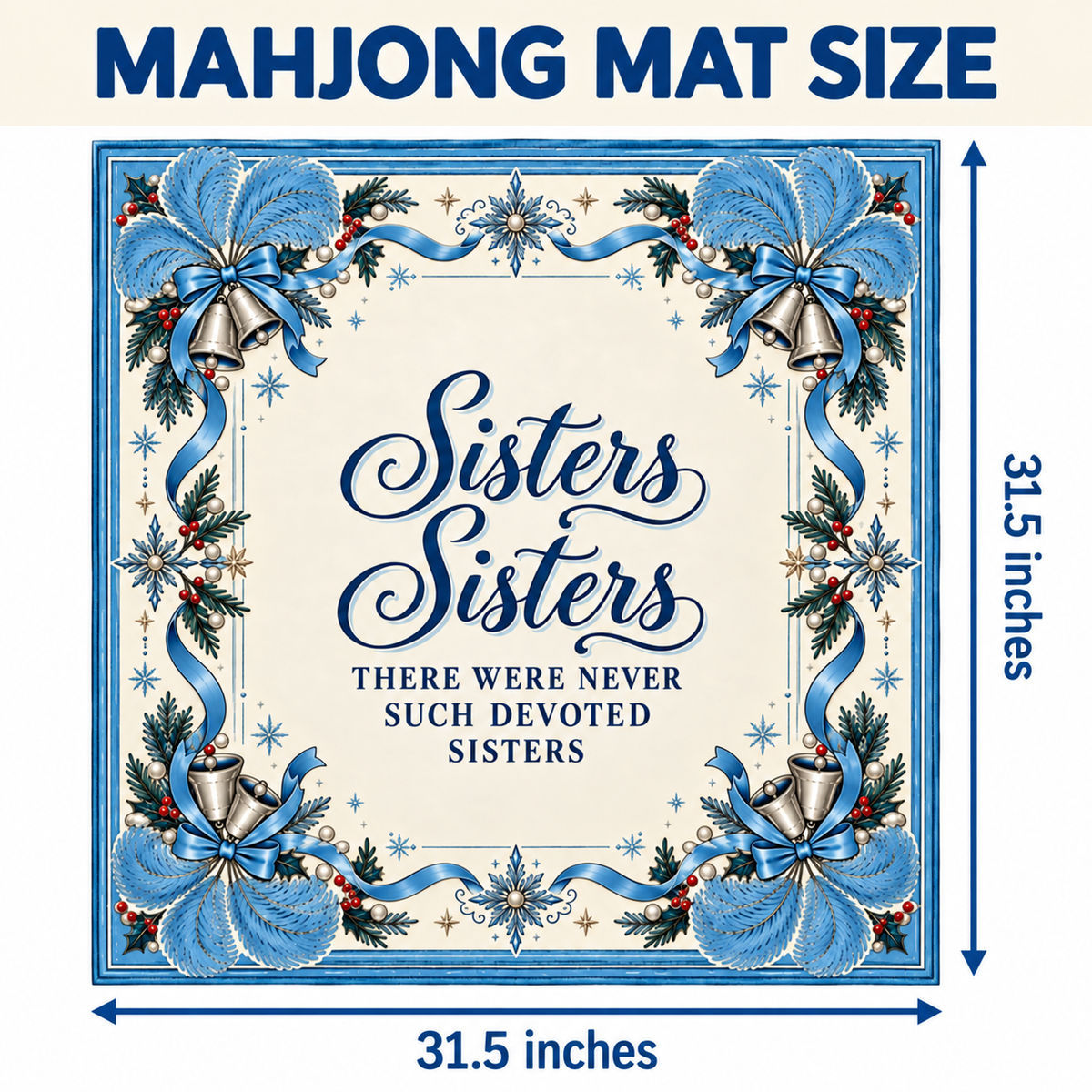
Mat dimensions: Measure your club's table—most mats are 27–31 inches square. A mat vs. tablecloth guide clarifies which works for rental spaces.
Shipping time: Free US shipping; plan 1–2 weeks before your first club meeting so you have time to unbox and inspect tiles.
Jokers and blanks: A 160-tile set includes extra jokers or blanks beyond the 152 played—these stay in the box, never added to the game.

FAQ
Can I play American mahjong if I don't own a set?
Yes. Nearly all clubs provide tiles and encourage newcomers to play communal sets first. Own a set later if you commit to weekly play or want a personal set for confidence and speed.
How long does a single mahjong game take?
A hand (one round) takes 15–25 minutes. A typical club session is four games (1–2 hours) plus a break. Total outing: 2–3 hours including setup and chat.
Are Indianapolis clubs for beginners, or do I need experience?
Beginners are actively welcomed. Most clubs have a mix of 2–30-year veterans and new players. Expect one experienced player to sit near you and explain patterns as they come up.
What's the Charleston and why does every American club use it?
The Charleston is a tile-passing ritual before play starts: each player passes three tiles left, then three right, then one optional pass. It randomizes starting hands fairly. Learn the Charleston step-by-step before you join—it's quick but confusing the first time.
Do I need to buy a specific brand set to join a club?
No. Any standard 160-tile American mahjong set works. Clubs care about tile consistency and readability, not brand. Our best-selling designs are tested by weekly players and last for years—a reliable choice, not required.
Is there a cost to join an Indianapolis mahjong club?
Most clubs are free or charge $1–3 per session to cover room rental. Some synagogues or country clubs require membership. Always ask when you call.


View More
View More
View More
