
Mahjong Retreats in Georgia: A Beginner's Guide to Playing & Planning
Last updated: Nov 23, 2026
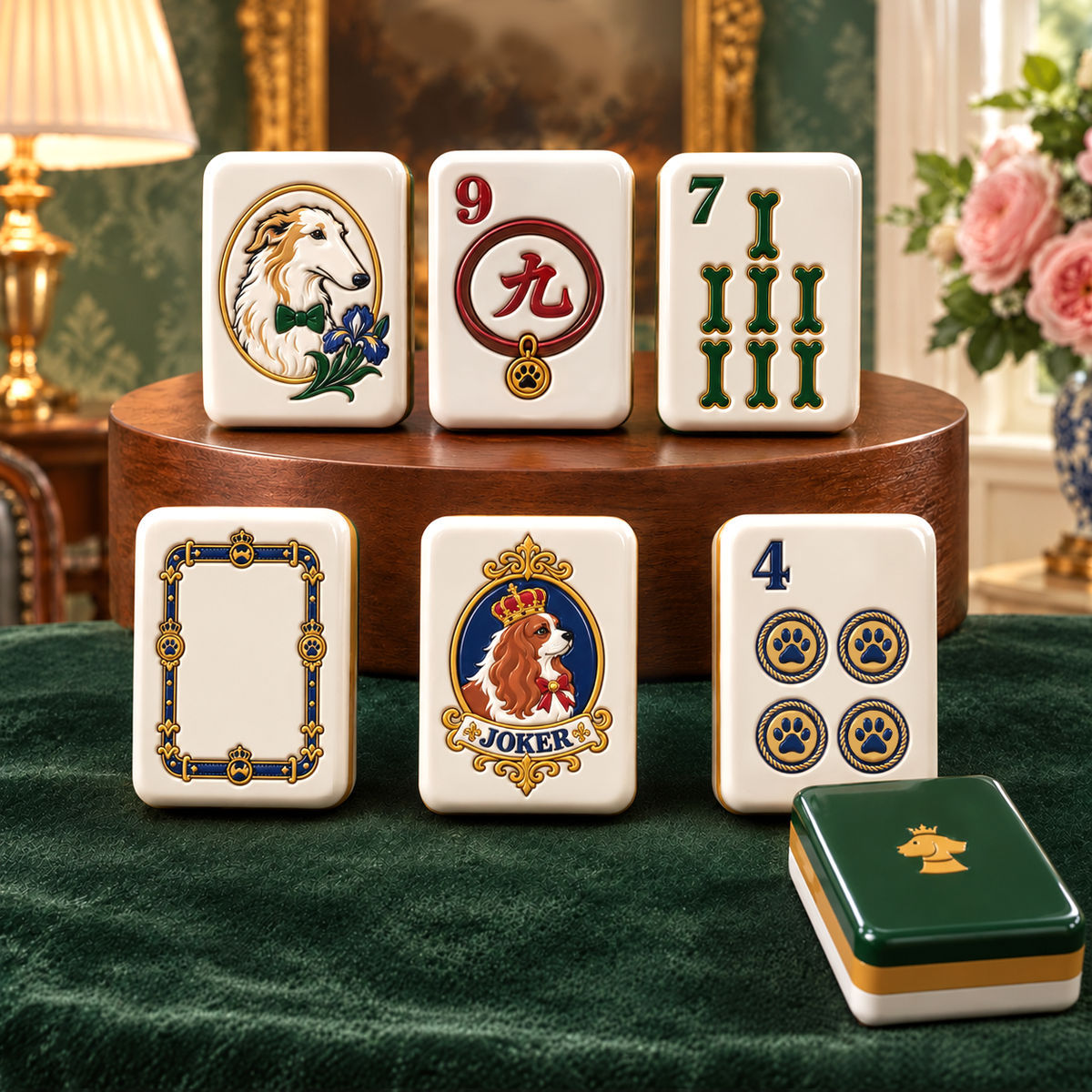
Mahjong retreats in Georgia range from informal weekend meetups to week-long immersive experiences hosted by player networks. Most happen in the Atlanta metro area, Savannah, and through synagogues, community centers, and country clubs that sponsor mahjong groups. A typical retreat lasts two to five days; costs vary widely depending on accommodation and whether meals are included. Beginners should learn the basics of American mahjong before arriving—master the Charleston, memorize hand patterns from the current National Mah Jongg League card, and understand how jokers and pungs work. Bring a sturdy travel set with a carrying case, a mat for your wall display at home, and comfortable seating gear; we recommend our best-selling mahjong sets with acrylic tiles that travel well and last for seasons of retreat play. 🀄 Shop best-selling mahjong sets →
Where do Georgia players meet for retreats?
Atlanta, Savannah, and the surrounding suburbs host the strongest mahjong communities. Check local synagogues (many run established ladies' groups), community recreation centers, public library bulletin boards, and country clubs with bridge or card-playing memberships. Browse Meetup.com and Facebook groups using keywords "mahjong Georgia," "Atlanta mahjong," or "Savannah mah jong." Call ahead to ask about retreat weekends, seasonal tournaments, or beginner introductions. Many groups welcome newcomers but ask you to call or email first rather than show up cold.

What do you actually learn at a Georgia mahjong retreat?
Retreats typically focus on American mahjong rules, hand-calling strategy, and speed of play. Instructors teach how the Charleston works—the tile-passing ritual before each game—and how to read patterns from the annual National Mah Jongg League card. You'll practice recognizing pungs, kongs, and joker substitution rules until your fingers move instinctively. Advanced sessions cover defensive play, scoring, and etiquette (e.g., not talking about live hands, keeping score accurately). Most retreats run four to six hours daily with breaks for meals and rest, letting you play fifteen to twenty complete games over a weekend.
How long do Georgia mahjong retreats typically last?
Weekend retreats run Friday evening through Sunday afternoon, fitting busy schedules. Full-week retreats stretch Monday to Friday mornings and attract retirees or those taking vacation time. Some groups host monthly Saturday all-day sessions in a community room; others organize three-day intensives during spring or fall when Georgia weather is mild. Ask organizers in advance whether the schedule suits your availability—most post dates on their meetup page or email list, giving two to four weeks' notice.
What's the cost structure for retreats, and what's included?
Costs depend on format. Drop-in weekend games at a community center or synagogue might be free to five dollars per game. Multi-day residential retreats with lodging, meals, and instruction typically range more widely; contact the host to discuss their model. Many groups split rental of a vacation cabin or conference room, so each player contributes their share rather than paying a single host. Food is often potluck or catered. Always ask upfront what's included—instruction, snacks, table rental, or whether you bring your own gear—so you arrive prepared.
Retreat Type | Duration | Typical Include | Best For |
Drop-in game | 1 evening or afternoon | Table, chairs, 1–2 games | Weeknight players, testing a new group |
Weekend intensive | Fri–Sun | Meals, lodging, 15+ games | Serious learners, skill building |
Monthly meetup | 1 Saturday, 4–6 hours | Coffee, snacks, organized tables | Regulars, casual weekends |
One-week retreat | Mon–Fri | Full board, lessons, 40+ games | Retirees, dedicated enthusiasts |
What gear do you need to bring to a Georgia retreat?
Most retreats have tables, chairs, and house sets available, but bringing your own tools ensures comfort and familiarity. Pack a 160-tile acrylic American mahjong set—acrylic is durable, lightweight, and won't crack if tossed into a car trunk. Bring a carrying case or travel bag to protect your tiles and make setup fast. Add a personal mat for wall practice if you want to drill hands in your hotel room. Consider racks with pushers if you prefer not to hold heavy tiles for hours—many players bring their own because retreat tables can be small. Bring the current year's National Mah Jongg League card (available from the League directly or at most retreat registrations), a pen, a notepad for scoring, and comfortable shoes since you'll sit for long blocks.
🎁 See our most-loved mahjong sets & accessories →

How do you prepare mentally and physically for a multi-day retreat?
Sleep well the night before. Drink water throughout each session—dehydration makes tile-reading slow and math errors common. Eat regular meals; low blood sugar dulls focus. Take stretch breaks every hour if possible; sitting for four hours straight strains your back and wrists. Learn the current year's hand patterns before you arrive, not during the first day, so you can jump into play confidently. Practice reading the mahjong card at home and review how jokers work so substitution feels automatic. Many retreats assign a beginner buddy or mentor—ask the organizer if that's available, so you have one person to check your calls with.
What mistakes do retreat newcomers make, and how do you avoid them?
Not learning the Charleston before arrival. You'll waste the first half-day fumbling through passing. Watch a video or ask a local group to run through one practice round.
Bringing a mismatched or damaged set. Cracked tiles jam other players' racks; incomplete sets force the group to add house tiles mid-game, breaking the flow. Test your set at home first.
Sitting too long without breaks. Georgia heat, long games, and fatigue combine into headaches. Set a personal alarm to stand and stretch every sixty to ninety minutes.
Not bringing the current league card. Old cards have outdated hand patterns—you'll score hands that don't exist and confuse everyone. Confirm the year before you pack.
Ignoring group etiquette. Don't kibitz (comment on a live hand), don't rush the discard, don't reach for tiles before your turn. Ask the organizer for a quick house-rules briefing.
✨ Find your Mahstead set — free US shipping →
How do you find a retreat as a true beginner?
Start with American mahjong for beginners so you grasp basic hand patterns and joker rules. Then contact local synagogues, community centers, or libraries directly—ask to speak with the mahjong coordinator or check their event calendars online. Facebook groups dedicated to Georgia mahjong are active and welcoming; introduce yourself and ask about upcoming group sessions. Many organizers invite newcomers to observe a game free for one evening before committing to a retreat. You'll feel more at home if you've watched a round and met the core players beforehand.
What to check before you book
Card year: Confirm the retreat uses the current National Mah Jongg League card (changes every spring).
Player level: Ask whether the group has a beginner table or if everyone is intermediate/advanced.
Accommodation: Verify lodging arrangements if it's multi-day—is it included, or do you book separately?
Cancellation policy: Understand refund or reschedule terms in case of illness or weather.
Accessibility: Ask about wheelchair access, break frequency, and whether tables have adjustable heights.
Your equipment: Test your set, case, and racks at home before packing.

FAQ
Do I need to own my own mahjong set for a Georgia retreat?
No. Most retreats provide house sets and tables. Owning a personal set with a travel case makes the experience smoother and faster, and ensures tiles you trust for smooth play.
Can a complete beginner attend a weekend retreat?
Yes, if you've learned the basics first. Spend two weeks practicing the Charleston, hand patterns, and joker rules with online tutorials or a local beginner group before attending.
What's the best time of year for a Georgia mahjong retreat?
Fall (September–November) and spring (March–May) offer mild weather ideal for extended play indoors. Summer heat can be taxing during long sessions; winter is also fine but check for event scheduling.
How many players do you need for a mahjong game?
American mahjong is played with exactly four players at a table. Retreats organize multiple tables running simultaneously, so group size doesn't matter.
Should I book a retreat with strangers or find a group first?
Join a regular meetup group first. You'll learn the house style, make friends, and feel comfortable before committing to a multi-day retreat with the same people.
Are there beginner-only or women-only retreats in Georgia?
Some groups host women-only sessions; others mix skill levels or genders. Call the organizer directly to ask whether the retreat fits your comfort level or preference.


View More
View More
View More
