
Mahjong Clubs in Hoboken: Where to Play & How to Start
Last updated: Nov 23, 2026
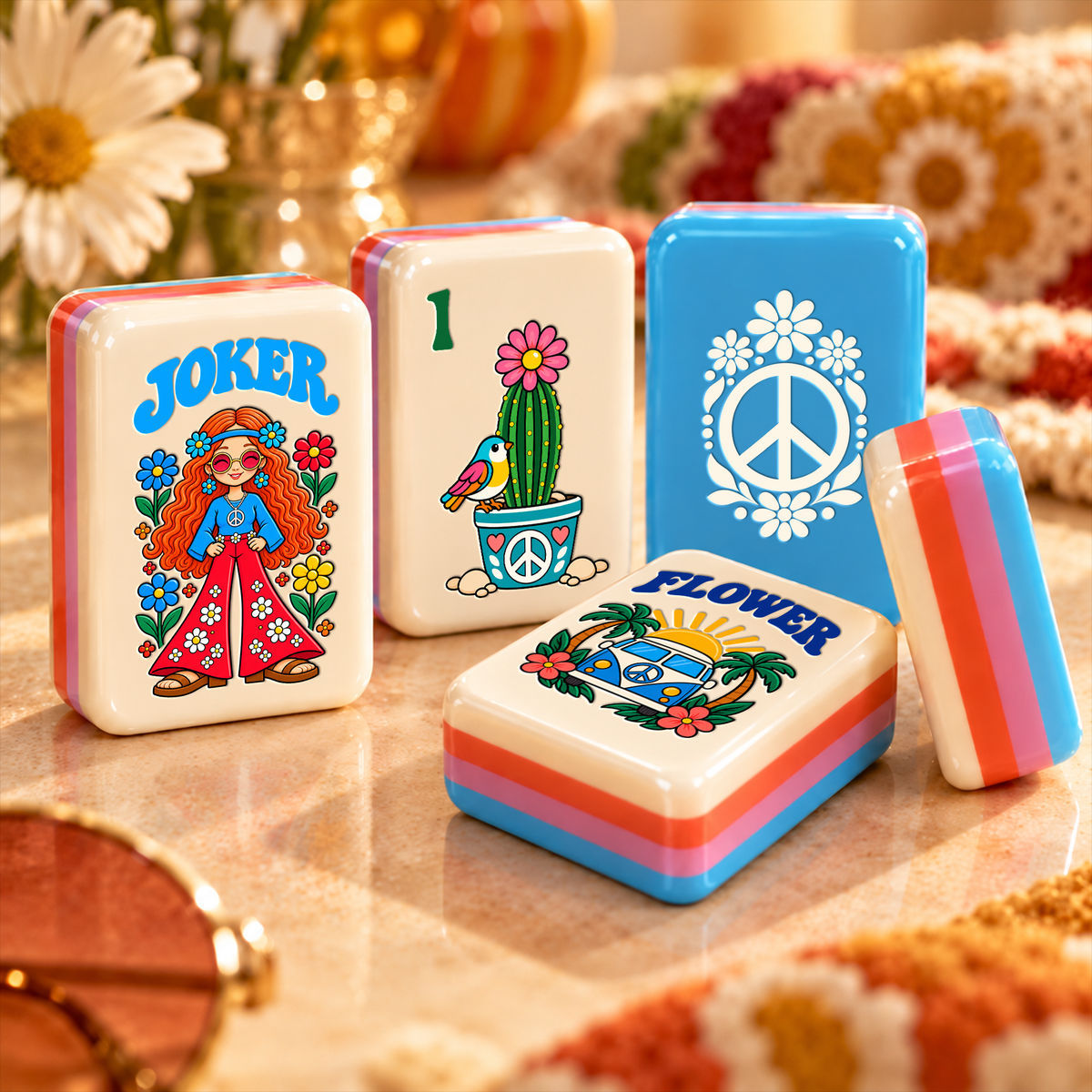
Hoboken itself has no permanent mahjong club, but the wider Hudson County area—Jersey City, Weehawken, Union City—hosts games through community centers, libraries, synagogues, and casual meetup groups. Most games are American mahjong played Thursday or Friday evenings; some groups meet weekly year-round. Start by contacting your local public library, senior center, or a nearby synagogue; many post game calendars online or can connect you to organizers. Expect to learn the hand-matching system from the National Mah Jongg League card, join a four-player table, and bring or borrow a 160-tile set with racks, pushers and a mat. Mahstead ships full mahjong sets across the US, so you can have gear ready before your first game.
🀄 Shop best-selling mahjong sets →
How do I find an actual mahjong game near Hoboken?
Your best moves are to search community centers and libraries in Jersey City, Weehawken, or Union City online for "mahjong" or "game night" calendars. Call ahead—staff can tell you which nights are active and whether beginners are welcome. Synagogues in the area often host women's mahjong groups on weekday afternoons; check their event pages or phone the main office. Meetup.com and Facebook groups for Hudson County game nights sometimes list mahjong tables. Senior centers almost always have weekly games; you don't need to be retired to join.

What's the difference between club games and casual home groups?
Club and center games follow strict American mahjong rules: you must match hands from the current year's National Mah Jongg League card, complete a Charleston (tile-passing ritual), and play for points scored each round. Home groups may be looser, mix variants, or play for fun only. Club play is more formal but teaches you proper strategy; home games are relaxed and forgiving for learners. Most Hoboken-area newcomers start at a center game because the structure speeds up learning—you see what works, watch experienced players, and play four consecutive hands per session.
What do I need to bring or have before my first game?
You need a complete 160-tile American mahjong set, a mat, four individual racks with pushers, and the current year's National Mah Jongg League card. If you don't own gear yet, call the club organizer and ask if sets are shared or if you can borrow one for your first night. Many groups keep spare sets for newcomers. If you're serious about playing, buy a new or best-selling set with all pieces included; a complete set is shipped ready to play. Most players also bring a pen and paper for scoring, though some clubs have a scorekeeper.
✨ Find your Mahstead set — free US shipping →
How long does a typical game night last, and what's the cost?
A single game of four rounds lasts 45 minutes to an hour. Club nights usually run 2–3 hours (three to four games). Entry fees vary: some groups charge none, others ask for a small table fee or snack donation. Ask the organizer directly; there's no standard. If you're playing for stakes (money per point), confirm the betting structure beforehand so you know what you're in for. Most social games are low-pressure or no-money play.
What should a beginner actually expect in that first hour?
You'll sit at a table with three other players, introduce yourself, and confirm that everyone knows the 2026 card. The group will do the Charleston—a ritual three-way tile pass that takes about two minutes and looks chaotic but is automatic once you've seen it twice. Then you'll draw tiles, match your hand to a pattern on the card, and call when you're ready. Experienced players will help you read the card and advise whether your hand is realistic. No one will rush you. Most beginners feel awkward for the first game, confident by the third.
🎁 See our most-loved mahjong sets & accessories →

How do I learn the rules before I show up?
Read how to play American mahjong to understand the core concepts: matching hands to the card, exposing pungs and kongs (not chows), using jokers, and calling Mahjong when you complete your hand. Spend 15 minutes learning how jokers work because beginners often misplay them. Watch a YouTube video of a four-player American game; seeing tiles move and hearing players call "Pung," "Kong," and "Mahjong" will demystify the table. Then read the card explained—the card is your law, not the table talk. You don't need to memorize anything; just show up and ask questions.
What gear should I own vs. borrow?
Gear | Borrow First? | Why Own Your Own | Notes |
160-tile set | Yes, 1–2 games | Sets feel different; you'll prefer one | Engraved sets add style |
Mat | Yes, always safe | Mat quality affects play speed; personal mats feel better | Choose rubber or cloth per your table |
Racks with pushers | Yes, club has spares | Your own racks fit your hand better | Smooth pushers reduce strain |
Bag or case | No, not needed | Protects your set if you travel | Buy after you own a set |
Dice | No, club provides | Nice to have after you play 10+ games | Extras make good gifts |
Start by borrowing everything except your personal water bottle. After five games, you'll know exactly what set and mat feel right—then invest in engraved tiles or a quality mat that matches your style. Mahstead's mahjong racks with pushers are popular with regular players because they're smooth and fast, but rent first to see if you want that upgrade.
Should I join a women's group or a mixed table?
Both work. Women's groups tend to meet afternoons and are often long-standing, so you'll see the same faces and build friendships. Mixed tables (usually at community centers) are louder, more social, and often include newer players. Beginners sometimes feel less pressure in a women's circle because the pace is deliberate and the culture is teaching-focused. Ask the organizer about the vibe before you commit. Many Hoboken-area players join a women's day group in one location and a mixed evening group in another.
What to Check Before You Buy Your First Set
Tiles: Acrylic tiles are lightweight and durable; bamboo and bone are heavier and traditional but chip more easily. Test a borrowed set to see which material feels good in your hand.
Engraving: Custom names or titles on tiles add personality but don't affect play. Mahstead offers engraved American mahjong sets if you want a personal or team set later.
Mat type: Rubber mats grip better and reduce tile noise; cloth mats are softer and portable. Learn to choose a mat based on your table surface and play style.
Racks and pushers: Make sure they're included or available separately. Smooth pushers speed play; cheap ones catch tiles.

FAQ
Are there any Hoboken-only mahjong clubs I can join?
Hoboken proper has no dedicated venue, but nearby Jersey City, Weehawken, and Union City host weekly games through community centers, libraries, and synagogues. Call the Hoboken Public Library to ask for referrals to organized groups in the immediate area or neighboring towns.
Do I need to already know how to play to show up to a club game?
No. Most American mahjong clubs welcome beginners and pair you with an experienced player to teach you the card and pace. Ask the organizer beforehand; they'll confirm beginner-friendly nights and tell you what to prepare.
What's the cheapest way to get started if I don't own a set?
Borrow or rent a set from the club for your first 2–3 games. Ask if they sell discounted sets or have names of players selling used gear. After you're sure you want to continue, buy a new 160-tile set; Mahstead offers standard and engraved options with free US shipping.
Can I play American mahjong online instead of joining a club?
Yes, online platforms exist, but in-person play teaches you tile feel, the rhythm of the Charleston, and face-to-face strategy. Clubs also build a social circle. Online is a useful supplement, not a full replacement.
How do I know if the club plays for money?
Always ask the organizer upfront about entry fees and any betting on points. Most social clubs play for fun or nominal fees; high-stakes games are separate and will be stated clearly. Ask before you commit.
What if I make a mistake during play—will the table correct me?
Yes. Experienced players catch rule breaks and tile mismatches kindly. Mahjong is a collaborative game despite the competition; the table wants everyone to play correctly so the game stays fair. Beginners make mistakes constantly—it's expected and normalized.


View More
View More
View More
