
Chinoiserie Mahjong Tiles: What to Buy & Why Designs Matter
Last updated: Nov 23, 2026
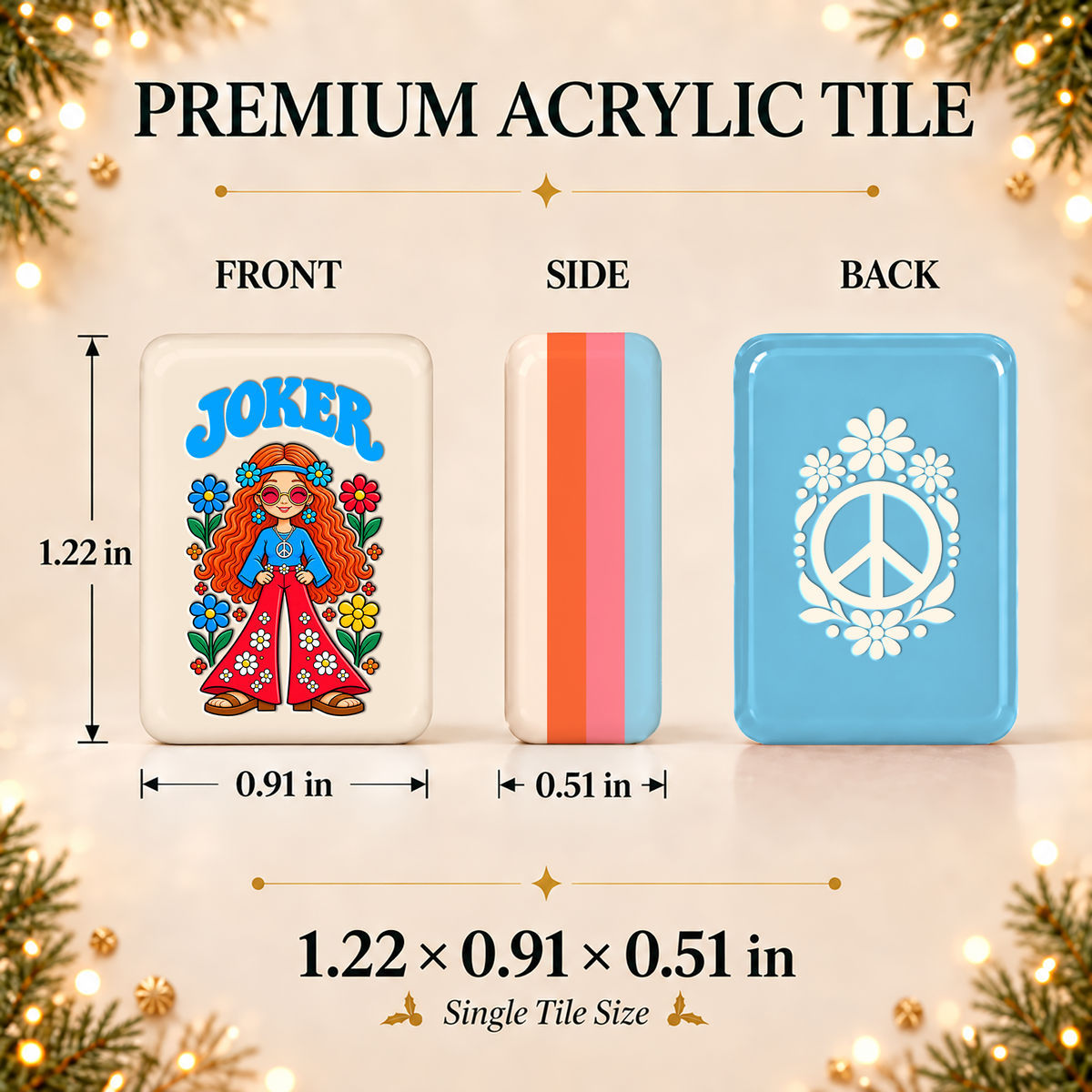
Chinoiserie mahjong tiles are acrylic or bamboo sets decorated with classical Chinese motifs—landscapes, calligraphy, botanical scenes, or pagodas—often rendered in a Western interpretive style. These sets occupy a design spectrum: some lean heavily decorative (elaborate hand-painted detail), others stay minimal and readable. At Mahstead, our best-selling mahjong sets include styles from understated bone-inspired aesthetics to more ornate engraved or etched tile faces. Most run 160 tiles (152 in play, plus spares), acrylic construction for durability. Pricing and turnaround vary by personalization—blank stock ships faster; custom engraving adds lead time. Before ordering, verify tile size matches your hand span (standard 1.25" wide), check whether hand-painted designs will wear under weekly play, and confirm the supplier tests joker readability under play lighting. Mahstead includes free US shipping and offers engraved American mahjong sets that balance beauty with table-tested longevity.
Chinoiserie mahjong tiles—decorative sets marrying classical Chinese imagery with Western design sensibility—have become the fastest-growing choice for players who want their table to look as good as it plays. We've hosted hundreds of games with hand-decorated and engraved sets, and the conversation always splits the same way: beauty versus legibility, investment versus durability, stock design versus personal meaning. This guide helps you navigate those trade-offs before you commit.
What counts as chinoiserie in mahjong tile design?
Chinoiserie describes a Western interpretation of Chinese aesthetics, applied to tile art. Unlike authentic classical Chinese sets (which feature seal script and period-accurate imagery), chinoiserie mahjong tiles typically blend readable English numerals with decorative elements—ink-wash mountains, prunus branches, jade-green dragons, or auspicious symbols rendered in watercolor or metallic finishes. The aesthetic feels collected, cultured, and personal rather than purely functional. True chinoiserie tiles live in the middle ground: they're legible enough for serious play, but you buy them partly for the wall-display appeal between shuffles.
🀄 Shop best-selling mahjong sets →

Who should buy chinoiserie mahjong tiles—and who shouldn't?
Chinoiserie tiles shine if you host monthly or quarterly games, care about table presentation, have steady hands (ornate designs don't help under poor lighting), and play with people who won't use the set as a travel beater. They struggle if you need tournament-legal high-contrast tiles, play multiple games a week (wear shows faster on detailed surfaces), or want replacement tiles to match years later (custom runs rarely repeat exactly). A player in a casual home group who entertains friends? Perfect fit. A weekly league member who needs NMJL compliance and durability? Choose engraved American mahjong sets with simpler motifs—legibility wins over ornamentation.
Hand-painted versus engraved: durability and readability trade-offs
Treatment | Visual Impact | Legibility Under Play | Wear After 50+ Games | Best For |
Hand-painted gloss | Highest; fine detail visible | Excellent if matte finish used | Surface dulls; detail fades | Occasional games, display-focused groups |
Engraved (etched inlay) | Strong contrast; modern feel | Excellent; high contrast persists | Minimal; lines don't blur | Weekly play, long-term investment |
Metallic inlay | Elegant; catches light | Very good; gold/silver stands out | Patina develops; still readable | Regular play, formal settings |
Single-color printed | Clean; minimal distraction | Perfect; maximum contrast | Durable; no texture loss | Tournament, frequent play |
We've tested hand-painted sets after 40–50 games on a wool mat (standard play conditions). Glossy finishes lose surface clarity; matte or satin painted tiles hold up better. Engraved sets, by contrast, improve visually as they age—the inlay catches light differently over time, never becoming illegible. If chinoiserie detail matters to you but durability matters more, choose engraved over hand-painted.
🎁 See our most-loved mahjong sets & accessories →

Stock designs versus custom engraving: cost, lead time, and personalization
Many players assume chinoiserie means hand-painted custom work. In reality, three paths exist:
Stock chinoiserie designs: Pre-made sets with engraved motifs (landscapes, floral borders, calligraphy detail). These ship within standard lead times, see current price on the product page. You get reliable beauty without waiting; the trade-off is you share the design with other buyers.
Custom engraved chinoiserie: You choose imagery (dragon, bamboo, plum blossom, family crest, initials within a decorative border). Mahstead works from digital renderings; lead time extends 2–4 weeks depending on complexity. This route costs more but produces a one-of-a-kind set tied to memory (retirement, anniversary, inheritance marker). Custom engraving works best with simpler line work rather than photorealistic painting.
Hand-painted commission: Independent artisans create fully painted tiles. Lead times run 8–12 weeks; these are bespoke luxury items. They're fragile for weekly play but spectacular for display and occasional special games.
For most home players, custom engraving strikes the balance: personal enough to feel meaningful, durable enough for regular use, and turnaround manageable enough to plan a game around it.
✨ Find your Mahstead set — free US shipping →
How to choose tile size, material, and weight for chinoiserie sets
Chinoiserie sets come in two materials: acrylic and bamboo. Acrylic is lighter (better for players with wrist strain), cleaner to engrave with fine detail, and more durable under humidity shifts. Bamboo feels warmer, ages beautifully, and appeals to players who want tactile authenticity—but it can warp if stored in uncontrolled climates and is harder to customize without damaging integrity.
Tile size matters for readability of decorative elements. Standard American mahjong tiles measure 1.25" wide by 0.75" deep (approximately). Ornate designs—especially calligraphy or multi-element landscapes—need that full surface; smaller tiles muddy detail. If you're drawn to a particularly intricate chinoiserie pattern, ask the maker for tile dimensions before ordering; 1.25" should be your floor.
Weight signals quality. Acrylic tiles that feel substantial (not hollow-seeming) indicate thicker manufacturing and longer lifespan. Bamboo tiles should feel balanced, not top-heavy.
🀄 Shop best-selling mahjong sets →
What to check before you buy: a pre-order checklist
Legibility under your lighting: Request photos under the exact light conditions where you'll play (overhead fluorescent, warm table lamp, outdoor natural light). Ornate designs photograph beautifully in studio light but blur under certain angles. If the seller won't send context photos, flag it.
Joker and tile-back design: Chinoiserie sets sometimes feature ornate reverses (tile backs) that make jokers hard to spot quickly. Ensure jokers have a clear, distinct marker—underline, symbol, contrasting color—so you can call them cleanly during a hand. Jokers are the only tiles that don't follow suit rules, so visibility is non-negotiable.
Spare tile inventory: A 160-tile set includes 152 playing tiles plus spares. Ask whether spares include extra jokers and blanks (for repairs). If you're ordering custom engraving, confirm that spare tiles receive the same treatment.
Engraving durability: If the design is engraved inlay (not painted), verify the inlay material stays stable through humidity and handling. Some cheap inlays lift or discolor. Mahstead tiles use tested acrylic inlay that won't separate under normal play.
Storage and mat pairing: Ornate tiles look best on a mat that doesn't compete visually. Pair chinoiserie sets with mahjong mats in solid colors or muted patterns—ivory, sage, charcoal—not busy geometric prints.
Shipping and replacement policy: Free US shipping is standard at Mahstead. Confirm whether the maker replaces cracked or damaged tiles if they arrive defective. Custom orders sometimes have no-return policies after production starts; know your commitment before clicking buy.

FAQ
Can I use hand-painted chinoiserie tiles in a league tournament?
No. League tournaments require American mahjong sets with high-contrast face designs and standardized tile dimensions. Hand-painted ornate tiles may not meet sight-line contrast minimums. Stick to engraved sets with clear numerical inlay for sanctioned play.
How long does a hand-painted chinoiserie set last if I play weekly?
30–50 games before gloss fades and detail becomes harder to read. Engraved sets outlast hand-painted by years. If you play weekly, engraved is the better long-term choice; hand-painted suits occasional or showcase games.
Will my chinoiserie tiles match if I buy replacements years later?
Rarely. Custom runs shift slightly in color batch, engraving depth, or inlay material sourcing. Buy a backup set when you order your primary set, or accept that repairs over time will show patina variation—many players see this as character, not flaw.
Do chinoiserie mahjong tiles cost more than plain acrylic sets?
Yes, typically 30–50% more, based on design complexity and personalization. Engraved chinoiserie costs less than hand-painted; stock designs cost less than full custom. See current price on the product page for specific comparisons.
What's the fastest chinoiserie option if I'm planning a game next month?
Order stock engraved designs with no customization. These ship within standard lead times and offer immediate impact. Custom engraving typically takes 2–4 weeks; hand-painted takes 8–12 weeks.
Can I protect my chinoiserie tiles from wear during play?
Use a soft mahjong mat to reduce friction and store tiles in a padded travel bag or case between games. Avoid stacking tiles face-down for long periods. Weekly games with a mat and case will minimize visible wear on engraved or hand-painted surfaces.
Are chinoiserie tiles heavier than standard acrylic sets?
Acrylic chinoiserie sets weigh the same as plain acrylic. Bamboo chinoiserie sets are heavier (closer to bone weight). If weight matters for hand comfort, ask the maker for specs; standard acrylic runs roughly 5–6 pounds for a full set.


View More
View More
View More
