
Mahjong Clubs in Frisco: Where to Play & What You Need
Last updated: Nov 23, 2026
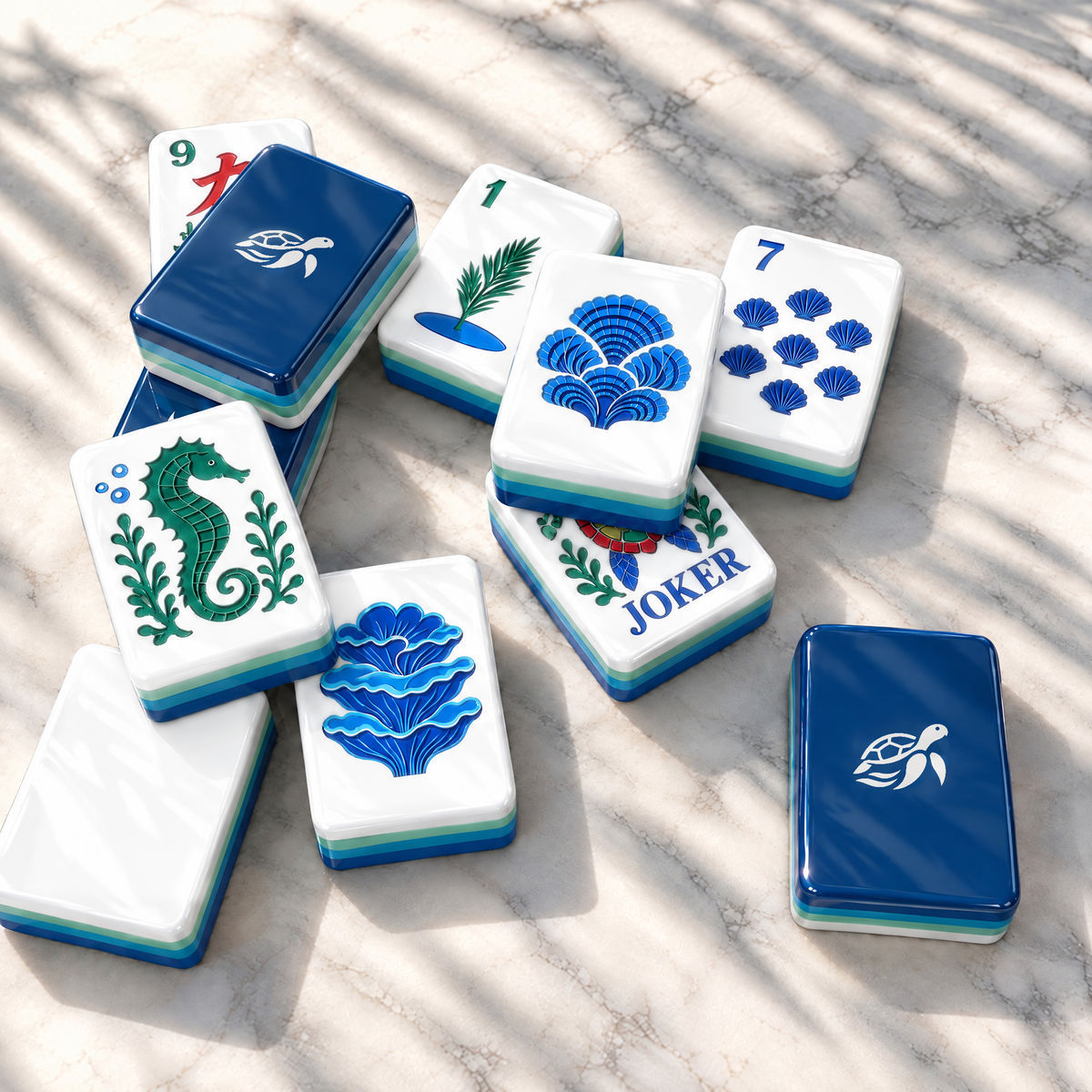
Mahjong clubs in Frisco operate through community centers (check your city recreation department website), libraries, synagogues, country clubs, and informal neighborhood groups posted on community boards or social media meetup groups. Most welcome beginners and meet weekly or twice monthly. Games follow American mahjong rules using a 152-tile set plus 8 jokers (160 tiles total when spares are included). You don't need to own a set to start—most clubs have extras—but bringing your own best-selling mahjong sets shows commitment and ensures you play with tiles you trust. Membership fees, if any, are typically modest; ask about beginner lessons before your first visit. Expect to learn the National Mah Jongg League card, the Charleston tile-passing ritual, and scoring in your first 2–4 weeks of regular play. 🀄 Shop best-selling mahjong sets →
How do I find a mahjong club in Frisco?
Start by calling your local parks and recreation department—most Frisco community centers host weekly or monthly mahjong sessions, often at low or no cost. Check your city library's event calendar; many branch libraries sponsor game nights or have bulletin boards listing clubs. Ask at synagogues, country clubs, and senior centers; mahjong remains popular among these communities. Search your city's Facebook groups, Nextdoor, or Meetup for "Frisco mahjong" to connect with casual neighborhood games. Call ahead and ask if the group welcomes beginners and whether you should bring your own set.

What's the difference between casual games and organized clubs?
Casual games (neighborhood, family, or church groups) are informal, social, and forgiving of slower play or rule questions. Organized clubs often follow the National Mah Jongg League card strictly, keep score systematically, and meet on fixed schedules. Casual groups typically cost nothing or ask for a small snack contribution; organized clubs may charge a modest membership or per-session fee. Both teach American mahjong the same way: the Charleston, reading the current year's card, and scoring. If you're brand new, a casual group is easier; if you want to improve and play competitively, a formal club accelerates learning.
Do I need to own a mahjong set to join?
No. Clubs almost always have spare sets on hand for guests. However, many regulars bring their own because personal sets feel familiar, travel reliably, and reflect your style. If you decide to buy, look for sets with clear tile printing and smooth handling—tiles you can read quickly and shuffle without dropping speed up your game. A full 160-tile set (152 playing tiles plus spares) lasts years and costs less per game than most hobbies. If you're testing the waters, don't feel obligated; borrow a club set first, then decide.
Your Situation | What to Do | Why It Works |
First time, unsure if you'll stick | Attend a casual group, borrow a set | Low commitment; learn before buying |
Ready to join weekly; like social play | Casual neighborhood or church group | Affordable, relaxed, welcoming to learners |
Want competitive play and structure | Organized club with League card rules | Fixed schedule, clear scoring, faster improvement |
Playing regularly; want your own set | Personal investment signals dedication and lasts years |

What should I bring to my first game?
Bring a notebook and pen (to jot down the card layout and scoring), water or a beverage if the group allows, and an open mind. Wear comfortable clothes—games last 1–2 hours per round, and you'll be sitting. If you already own a set or a mat for playing at home, bring it to show and share (though the club will provide). Many groups have a quiet, steady pace; arrive 10–15 minutes early to meet players and ask questions. Don't worry about knowing hands yet—the card is your guide, and experienced players will coach you through your first few rounds.
🎁 See our most-loved mahjong sets & accessories →
How fast will I learn the rules?
American mahjong has a steep initial curve but then flattens. In your first session, you'll learn tile names, the Charleston passing ritual, and basic hand structure (pungs, kongs, and how jokers work). After 3–4 games, you'll read the card without hesitation and understand scoring. By week 4–6, you'll spot hands quickly and play at a normal table pace. Most players say they reach "competent casual" level in 2–3 months of weekly play. If you're worried about slowing the table down, ask the group to teach you before the game begins; most are patient and enjoy helping beginners.
What if I want to host games at home?
Once you've learned at a club, hosting is a natural next step. You'll need a mahjong mat (to protect your furniture and keep tiles stable), racks with pushers (so players organize and draw tiles smoothly), your own 160-tile set, and ideally a bag or case for storage and transport. A mat defines the play space, keeps noise down, and prevents tiles from sliding off the table—especially useful if you don't have a dedicated mahjong table. Racks and pushers are optional but widely loved; they make the draw cleaner and reduce player fatigue over long sessions. See the mahjong for beginners guide for a full equipment checklist.
What to Check Before You Buy
Tile readability: Can you see the Bam, Crak, Dot symbols and numbers clearly from arm's length?
Heft and shuffle: Do tiles feel solid and shuffle smoothly without jamming or warping?
Joker count: A 160-tile set has 152 playing tiles plus spare tiles; confirm this matches your needs.
Set completeness: All 16 winds, 12 dragons (including 4 Whites/"Soaps"), 8 flowers, and 4 of each number-suit combo.
Storage: Does your set come in a sturdy bag or case if you plan to transport it to the club?
✨ Find your Mahstead set — free US shipping →

FAQ
Do I need to know how to play before I visit a Frisco mahjong club?
No. Nearly all clubs welcome beginners and teach from scratch. Come ready to listen, ask questions, and play slowly your first few rounds. Most regulars expect to coach newcomers and enjoy it.
Are there age restrictions on Frisco mahjong clubs?
Most clubs are open to adults 18+. Some family or community center groups include younger players if a parent joins. Ask the group organizer when you inquire.
How much does it cost to join a Frisco mahjong club?
Casual neighborhood and church groups are usually free or ask for a small snack contribution. Organized clubs may charge a modest per-session or monthly membership fee; contact the club directly for current details.
What's the difference between American mahjong and Chinese or Hong Kong mahjong?
American mahjong uses the National Mah Jongg League card (issued each spring) with fixed hand patterns, no sequences (chows), and 8 jokers. Chinese and Hong Kong variants allow sequences, have different tile sets, and follow a separate rulebook. Frisco clubs almost always play American; confirm when you call.
Can I bring my own mahjong set to a club game?
Yes—and it's encouraged once you own one. Clubs always have backup sets for guests, so there's no pressure to buy immediately. Many players rotate their personal sets to share.
If I buy a mahjong set, will it work with every club in Frisco?
Yes. Any standard 160-tile American mahjong set (152 playing tiles plus spares) works at every American mahjong club. Tile designs vary cosmetically, but the tile names, counts, and rules stay the same.
What's included in a mahjong set from Mahstead?
A 160-tile set includes 152 playing tiles (108 numbered tiles across three suits, 16 winds, 12 dragons, 8 flowers) plus 8 jokers and spare tiles, all in an acrylic set with a storage case. See what's in an American mahjong set for full details.


View More
View More
View More
