
Mahjong Clubs in Fort Worth: Where to Play & How to Join
Last updated: Nov 23, 2026
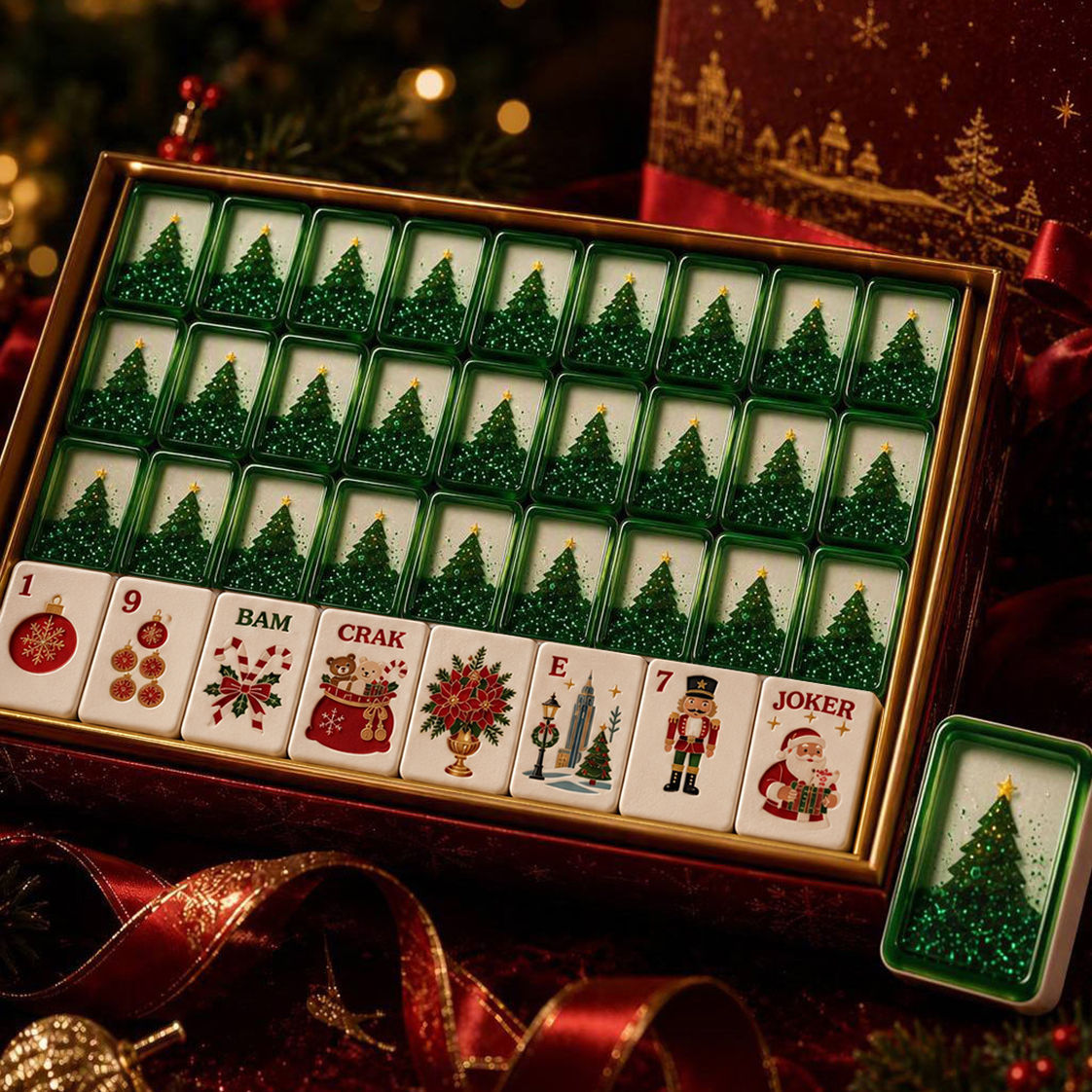
Fort Worth's mahjong scene centers on community centers (check Parks & Recreation departments), public libraries (many host weekly or monthly games), and informal groups organized through social media meetup boards. Most clubs welcome beginners and lend tiles if you don't have a set; Thursday and Friday evenings are common game nights. American mahjong requires exactly 152 tiles per set, understanding the current year's National Mah Jongg League hand card, and learning the Charleston (the pre-game tile-passing ritual). Your first game is free at most clubs; bring pen and paper to score and watch a hand before playing. Mahstead sells 160-tile best-selling mahjong sets if you want to own your own within weeks—many Fort Worth players do—but rentals and borrowed sets work fine to start.
Fort Worth has active mahjong communities meeting in community centers, public libraries, and informal groups organized through social media meetup boards. Most clubs welcome beginners and lend tiles if you don't have a set; Thursday and Friday evenings are common game nights. American mahjong requires exactly 152 tiles per set, understanding the current year's National Mah Jongg League hand card, and learning the Charleston (the pre-game tile-passing ritual). Your first game is free at most clubs; bring pen and paper to score and watch a hand before playing. Mahstead sells 160-tile best-selling mahjong sets if you want to own your own within weeks—many Fort Worth players do—but rentals and borrowed sets work fine to start.
Where do Fort Worth mahjong clubs actually meet?
Community centers operated by the City of Fort Worth Parks & Recreation Department often host mahjong tables or can direct you to active groups. Public libraries in the area frequently announce mahjong programs on their websites and bulletin boards. Synagogues, country clubs, and senior centers sometimes organize weekly games; call ahead. The fastest way is searching Facebook groups or Meetup for "Fort Worth mahjong" or "DFW mahjong"—most active clubs post schedules there. Few clubs require membership fees; many ask for casual donations to cover space rental. Show up 10 minutes early to watch, ask questions, and understand house rules before your first hand.

What's the difference between American mahjong and what my grandmother played?
American mahjong uses 152 tiles divided into three numbered suits (Bams, Craks, Dots numbered 1–9) plus winds, dragons, flowers, jokers, and follows hands printed on an official National Mah Jongg League card updated yearly. No chows (sequences like 1-2-3) exist in American play—only pungs (three identical), kongs (four identical), and longer matching runs. Chinese, Hong Kong, and Riichi variants use different tile counts, allow sequences, and have distinct scoring systems. Your grandmother likely played Chinese or a regional variant; American mahjong feels faster and more strategic because every hand is predetermined on the card. Learning how to play American mahjong takes about four hours; most clubs teach newcomers during the first 20 minutes of game night.
How do I avoid beginner mistakes at my first table?
Never pick a tile from the wall before the player whose turn it is goes (it ruins hand integrity). Don't call "Mahjong" unless your hand exactly matches the card—one wrong tile and you've paid everyone. Memorize that jokers cannot fill a single tile or a pair—they work only in exposed groups of three or more. Study the current year's card before arriving; knowing the pattern names cuts confusion by half. Write down each hand played so you learn which cards "sluff" safely and which set traps. The Charleston explained (the pre-game tile swap) catches many newcomers; watch it twice before your first turn. Arrive early, bring a notepad, and tell the host you're new—most tables have an unwritten code to explain confusing moments.
🀄 Shop best-selling mahjong sets →
What should I buy before joining a club, and what can I skip?
Most clubs provide tiles and mats, so your first five sessions cost you nothing but time and snacks. If you love the game after two weeks, invest in your own set—best-selling Mahstead sets are acrylic, durable for weekly play, and designed to last years. Skip fancy engraved sets until you know your play style (aggressive, passive, defense-focused) and preferred group size. Buy a mahjong mat only after three months of regular play; it's nice but not essential. Consider a mahjong rack with pushers if your hands feel cluttered—it organizes your tiles and speeds turns. A padded bag or case makes sense if you're hosting games at home or traveling to other clubs. Paper scorecards and a timer (often available on phones) cost zero and work fine.
Item | Who it's for | When to buy | Why it matters |
Your own 160-tile set | Regular players (2+ times/month) | After your 3rd session | Builds ownership; tables respect your tiles |
Mat | Home-game hosts | After 4–5 weeks | Protects furniture; signals commitment |
Racks with pushers | Players with arthritis or weak hands | Anytime | Reduces fatigue; speeds play |
Bag or case | Travelers between clubs | After 1–2 months | Protects set from damage during transit |
Engraved/custom set | Gifts or serious collectors | After 1 year of play | Personality; serves as keepsake |

How do I read the mahjong card and avoid paying big penalties?
The National Mah Jongg League card lists all 88 legal hands for that year, each with a symbol, sequence notation, and payout multiple. Hands are grouped by pattern type (all pung, mixed, quint/sextet, etc.) and sorted roughly by difficulty. Learn to scan the card fast by memorizing the first few tiles of each hand you're chasing—when you draw a 5 Dot, glance at hands starting with 5 Dots. Never assume a hand is valid just because you have those tiles; confirm it matches the card's exact notation before calling Mahjong. Study how to read the mahjong card in full before your first game. Most tables allow one "false declaration" (calling Mahjong incorrectly) without penalty if you're new; use that grace wisely. Always keep the card visible during play; no shame in double-checking before declaring.
🎁 See our most-loved mahjong sets & accessories →
What equipment makes hosting a Fort Worth mahjong night at home successful?
Host a four-player game with one 160-tile set (152 playing tiles), a mat to protect your table, and a rack for each player if they want one—though basic play needs no racks. Provide pencil, paper, scorecards (free printable versions exist online), and a timer app set to 8–10 minutes per hand. Keep extra jokers and blank tiles separate from play; only 152 tiles and 8 jokers enter each game. Seat players on all four sides with the host as the dealer (east wind first round); rotate dealer positions clockwise after each hand. Snacks and water keep energy up over a 2–3 hour session. A padded bag stored under the table protects your set between games. Invite players from your club first; they know the pace and house rules. Set a start time and stick to it; latecomers watch the first hand.
✨ Find your Mahstead set — free US shipping →
What to check before you buy
If you're new and haven't played five sessions yet, attend a club instead of buying. Once committed, confirm your group plays American (not Chinese or Riichi) mahjong so your set matches. Choose acrylic tiles over resin if you play weekly—they withstand handling better and don't crack. Verify the set includes exactly 152 playing tiles and 8 jokers; extra tiles are spares. Pick a mat size matching your table width (standard mats are 27–36 inches wide). If traveling between clubs, measure your bag's interior before ordering a case. Free US shipping removes shipping-time uncertainty, so order early rather than last-minute.

FAQ
Do I need to know how to play before attending a Fort Worth mahjong club?
No. Nearly all clubs teach newcomers during the first game or two. Arrive early, tell the host you're new, and watch a complete hand before playing. Most experienced players remember learning and are patient. Your job is to listen and ask questions—not to be perfect.
What does the Charleston do, and why is it the most confusing part for beginners?
The Charleston is the pre-game ritual where three players each pass 14 tiles in turn, then the fourth player passes 7 tiles back. It randomizes your starting hand so no one begins with an advantage. Learn the Charleston step-by-step before your first table; the movement pattern looks odd but becomes automatic after three sessions.
Can I play mahjong with only three people, or do I need exactly four?
American mahjong is designed for four players. Some Fort Worth clubs teach 2 and 3 player variants using modified rules, but regular club play always uses four. If fewer than four arrive, most clubs ask for one person to sit out and watch, rotating after two hands.
How much does it cost to join a Fort Worth mahjong club, and what does membership include?
Most clubs charge nothing for beginners' first 1–2 sessions. Ongoing play typically costs $3–8 per night or $30–50 monthly, covering space rental and worn tile replacements. You provide nothing except yourself; clubs lend tiles, mats, and racks. If you host at home, you provide the set and mat.
Should I buy an engraved or custom mahjong set, or is a standard set fine?
Standard sets work perfectly for regular play. Buy engraved or custom sets as gifts for collectors or after you've hosted 10+ games at home and want your set to reflect your personality. Browse engraved sets if you're giving one as a housewarming or retirement gift—many Fort Worth players treasure personalized tiles.
What's the fastest way to find a mahjong club near me if I can't find one online?
Call your local Fort Worth Parks & Recreation office and ask if they host mahjong or know active groups. Check library bulletin boards and websites. If you have a synagogue, country club, or senior center nearby, call and ask directly. Post on local Facebook groups asking where you can play—experienced players respond quickly. Avoid closed groups; most welcome visitors for one trial game.


View More
View More
View More
