
Mahjong Clubs in Denver: Where to Play & How to Start
Last updated: Nov 23, 2026
Denver mahjong players meet through community centers, public libraries, synagogues, country clubs, and online meetup boards—search your neighborhood first. Most clubs run weekly or monthly games; some teach beginners free. Visit your local recreation department website or call ahead to ask about mahjong offerings. Libraries often host game nights or can refer you to established groups. Synagogues frequently sponsor mahjong circles. Private clubs sometimes advertise on community boards or social media. Expect casual play in most groups, though some follow tournament-style rules. Bring an open mind, a willingness to learn, and a best-selling mahjong set if you have one—though most clubs lend tiles. Avoid showing up without calling first; groups may be full, paused for a season, or rescheduled. Start by asking if they teach; many do.
Where do Denver players actually gather?
Your best bet is calling the Denver Parks and Recreation office or checking their website—they list mahjong classes and drop-in times. Public libraries in Denver neighborhoods (North, South, East, West branches) sometimes host game nights; phone ahead. Synagogues in the Denver metro area have long-standing ladies' groups and mixed games; ask the front desk. Country clubs occasionally offer mahjong nights to members. Online: search Meetup.com for "Denver mahjong," or try Facebook community boards and Nextdoor—groups post schedules and welcome levels there. Start with three calls: your city recreation center, the nearest library, and a synagogue in your zip code.

What should you expect at your first game?
Most Denver groups play American mahjong, the tile-matching game with 152 tiles, jokers, and hands drawn from the annual National Mah Jongg League card. Expect to sit for two to three hours, pass tiles in the opening ritual called the Charleston, and draw from a wall while discarding unwanted tiles. Players call "mahjong" when they complete a legal hand. Beginners should know: American mahjong has no sequences—you expose only pungs (three identical tiles), kongs (four), and jokers. The card resets every spring; that year's card is the only legal reference. Friendly groups hand you a card and a printed sheet explaining the basics. Competitive groups assume you know the rules or will learn fast. Bring a notepad; note which tiles moved and why. Expect friendly correction, not harshness.
🀄 Shop best-selling mahjong sets →
Do I need to own a mahjong set to join?
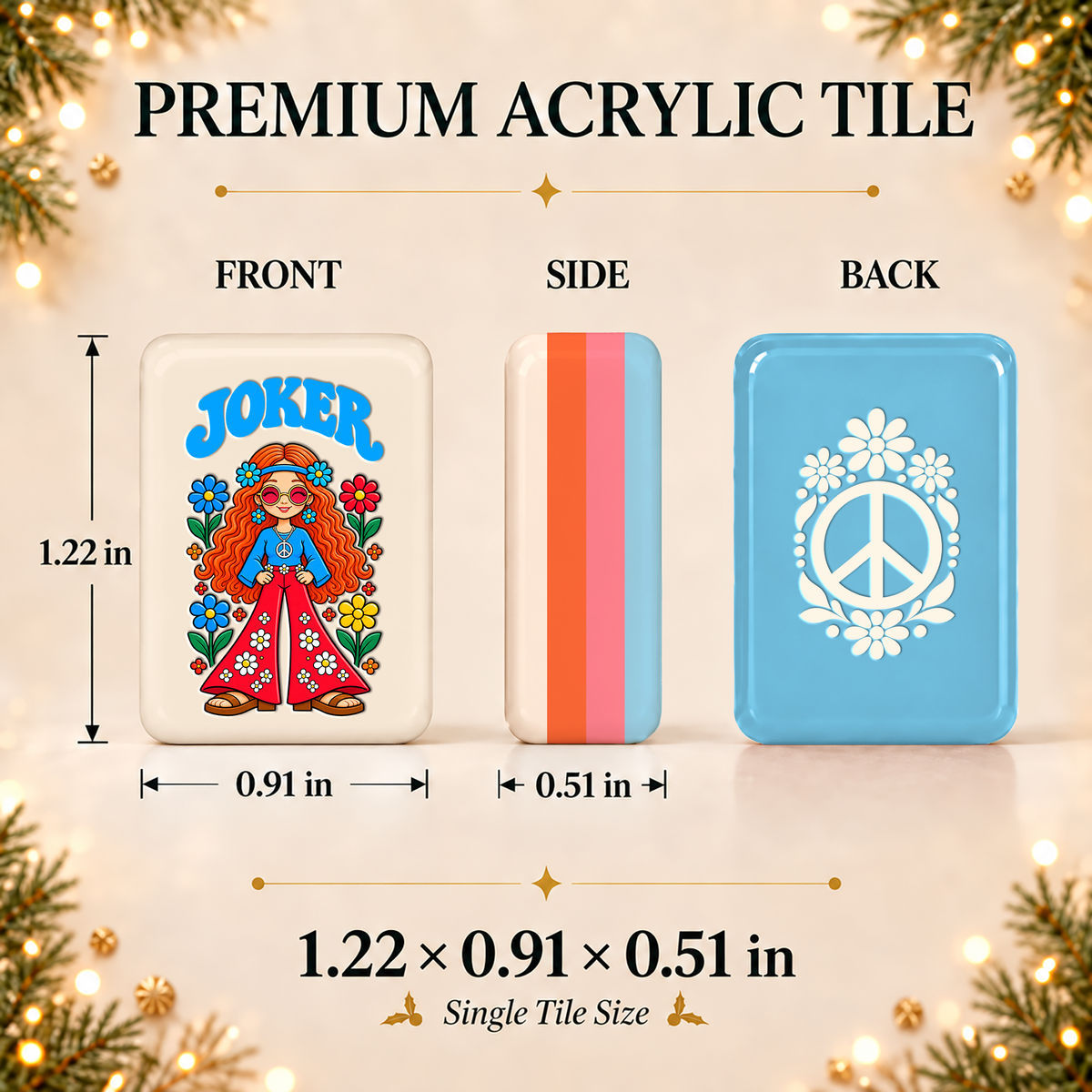
No. Most clubs own shared sets and rotate them each week or session. Clubs break down into: (1) formal groups that own one or two matched sets and lend them; (2) casual home groups where each player brings a set; (3) pay-to-play venues where the house supplies tiles. Call and ask what the club provides. If you end up liking mahjong enough to host a game or join a traveling group, owning your own set helps—it shows commitment and ensures you always have tiles you know. Our best-selling collection includes durable acrylic sets designed for weekly play. Many Denver players upgrade to sets with personalized engravings or themed designs so their tiles are unmistakable at shared tables.
What's the skill barrier and learning curve?
American mahjong has a gentler ramp than Chinese or Riichi variants. If you've played card games—poker, bridge, rummy—you'll grasp the tile-matching logic in one session. The Charleston (tile-passing ritual) takes a few minutes to learn. The hardest part: memorizing the card, which has hundreds of hand patterns. Expect your first three games to feel slow. By game five, you'll spot patterns on the card without hunting. Clubs vary: beginner-focused groups play slowly and teach openly; experienced groups move fast and assume basic knowledge. Be honest with the group leader about your level. Most Denver groups have beginner-friendly nights or teach newcomers before the main game starts.

How do you know if a group is right for you?
Aspect | Competitive Group | Casual Social Group | Teaching Circle |
Game pace | Fast, 2–2.5 hrs | Relaxed, 3+ hrs | Very slow, no timer |
Rule strictness | National League rules exact | House rules, flexible | Teaching rules only |
Tile cost | None (club-owned) or shared | Often per player | Free or donation |
Comfort level | Experienced players expected | Mixed skill welcome | Beginners only |
Best for | Players who know the card | Learning, friendship, laughs | First-timers |
Visit once as an observer if possible—watch, ask questions, and gauge the vibe. Are players laughing? Do they help each other? Do they explain plays? Those are your signals. If the first group feels off, try another. Denver's community is welcoming; a bad fit is never personal.
🎁 See our most-loved mahjong sets & accessories →
What should you bring and what to check before you join?
Bring:
Open schedule (confirm game time matches your weeks)
A notebook to track hands you see
Money for snacks or entry fee (if applicable)
A pencil for note-taking
Willingness to ask for help
Check before you go:
Does the group teach, or assume you know rules?
What is the game day and start time (and do they ever cancel)?
Is there a skill level match (beginner, intermediate, advanced)?
Is there a waiting list or open drop-in?
Do they use the current National Mah Jongg League card?
Is there a cost, and if so, what does it cover?
Can you observe one session before joining?
Call or email the group leader. Groups appreciate players who show up prepared and curious. Many Denver clubs have a WhatsApp or email list; ask to be added so you get cancellation notices and rule changes.
If you want to start hosting your own weekly game at home, invest in a set with durable mats and organizing accessories. A quality mat protects tiles and speeds setup. Add racks with pushers so players hold and manage tiles comfortably. These turn a casual night into a proper weekly ritual—and often attract more regulars than sitting at a kitchen table.
✨ Find your Mahstead set — free US shipping →
Going deeper: connect with the wider mahjong world
Denver's club scene is part of a national ecosystem. Once you're comfortable with American mahjong, you can travel to regional tournaments (check the National Mah Jongg League website for sanctioned events). Some Denver players join multi-city leagues or host visitors from other states. Online platforms let you play remotely with Denver friends or national groups. Learning the rules now—especially how jokers work and how to read the card—opens doors beyond your neighborhood game. Most Denver clubs are welcoming and happy to mentor you toward whatever depth you choose.
What to check before you buy your own set
If you're ready to own tiles, ask your club: Do they use 152-tile or 160-tile sets? (American mahjong plays with exactly 152; sets sold as 160 include spare jokers and blanks.) Do they prefer acrylic, wood, or bone? Our 160-tile acrylic sets are travel-friendly, durable for weekly play, and ship free across the US. New to the game? Read our beginner's guide first—it covers tile names, hand types, and how to join a group with confidence.

FAQ
How do I find a mahjong club in Denver if the recreation center has no listing?
Call or visit synagogues, country clubs, and senior centers directly—ask the front desk if anyone organizes mahjong. Check Meetup.com, Facebook community groups, and Nextdoor for private groups posting schedules. Many Denver groups meet monthly and advertise only by word-of-mouth.
Can I learn mahjong at a club if I've never played before?
Yes. Most Denver groups welcome beginners, especially if you call ahead and ask for a teaching session. Arrive 15 minutes early, bring a pen, and ask the leader to explain the Charleston and the current year's card before play starts.
What's the difference between American mahjong and the mahjong played at Denver clubs?
Nearly all Denver groups play American mahjong—the 152-tile variant with the annual National League card, no sequences, and jokers as wildcards. Some groups may play house rules (like optional scoring tweaks), but the core game is standard American.
Do I need to pay to join a Denver mahjong group?
Most clubs are free or charge a small entry fee (usually under $10) to cover shared snacks or tiles. Formal groups sometimes charge monthly dues. Always ask the leader before your first visit.
What if my first club doesn't feel like a good fit?
Try a different group. Denver has several clubs meeting at different times and skill levels. A bad fit is never about you—it's about finding players who match your pace, humor, and schedule.
Should I buy a mahjong set before joining a club?
No. Most clubs lend sets. Buy one later if you join a home game, host regularly, or want personal tiles you recognize. A quality set makes regular hosting easier and more enjoyable.


View More
View More
View More
