
Mahjong Keeping Options Open: Mistakes to Avoid
Last updated: Nov 23, 2026
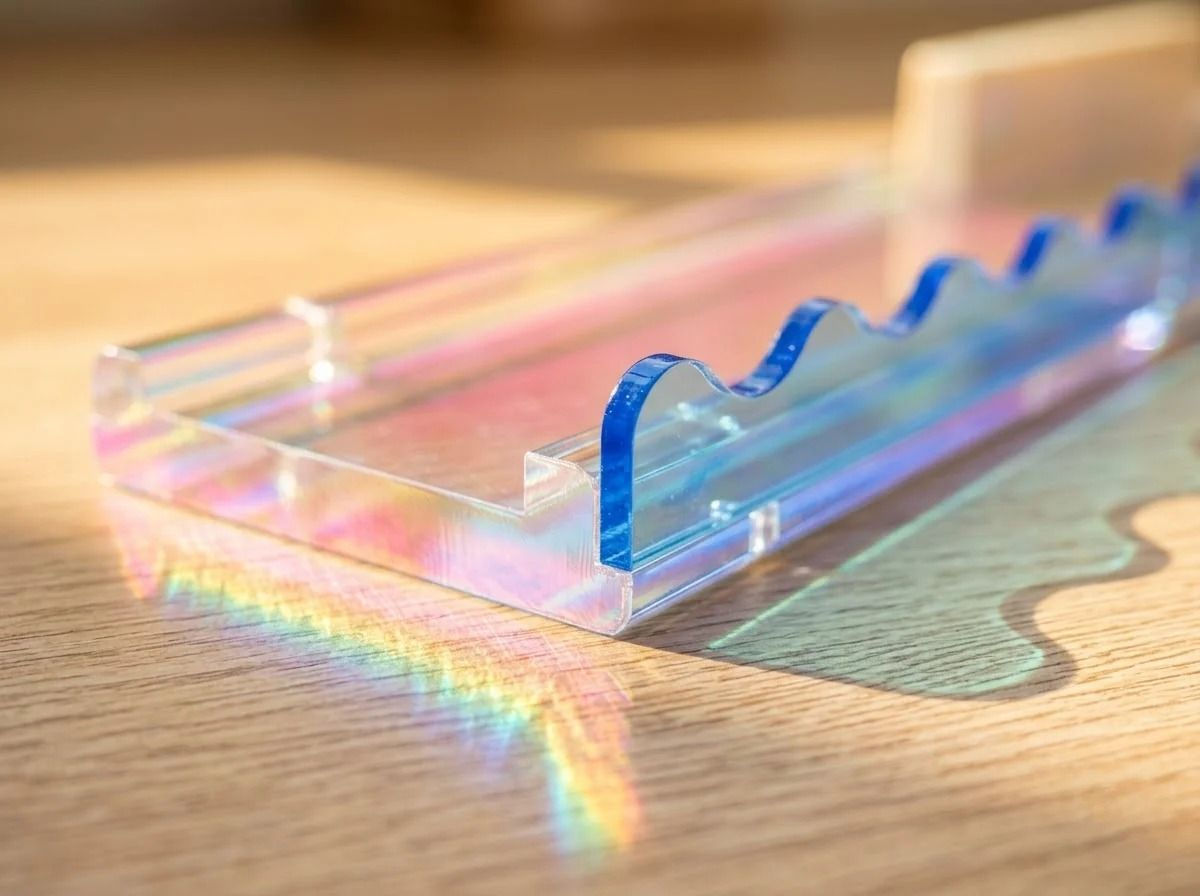
"Keeping options open" in American mahjong means holding tiles that let you pivot between multiple hands on the current year's National Mah Jongg League card until you're forced to commit. The mistake most of us make: holding too many unrelated tiles in hopes of flexibility, or discarding a tile we think is safe when it's actually live (another player needs it). The rule: in American mahjong, you can only meld exposed pungs, kongs, quints and sextets—never sequences—so your options live in which combination of these groupings match the card. The cost of poor judgment is a dead hand or an opponent's win. We've hosted weekly games long enough to know that a calm discard strategy, paired with a readable mat that lets you track discards clearly, separates consistent players from those who chase every possibility and lose focus. The biggest traps: not reading the card for all hands that use your tiles, not noticing which tiles are already off the table, and panic-discarding without checking what's safe. Mahstead's best-selling mahjong sets come with a mat that makes discard piles easy to scan—a practical tool that forces you to think before you throw. 🀄 Shop best-selling mahjong sets →
What does "keeping options open" actually mean on the card?
On the National Mah Jongg League card, dozens of hands per section can be formed from the tiles you hold. "Keeping options open" means retaining tiles that appear in multiple hands so you stay flexible as the game unfolds and other players discard. The trap: holding seven tiles for four different hands paralyzes your discard strategy. Focus on the tiles that unlock the most hands in your current safe zone, and discard the outliers fast.

Which tile groups are actually safe to discard early?
Safety depends on three factors: how many copies are already off the table, how many hands on the card use that tile, and whose turn is closest to winning. Terminals (1s and 9s) are often safer early because fewer hands contain them. Honors (winds and dragons) vary wildly by the card's layout. The cardinal mistake: assuming a tile is safe because you've only seen two of four copies—check the discard pile and your opponents' melds before you throw. If three honor tiles are already visible, the fourth is still dangerous if any hand on the card uses it with your opponents' tiles.
How do you read which tiles are already "used up"?
On a well-organized mat, the discard pile stays in sequence by player, and each exposed meld sits visibly in front of its owner. Count: for any tile, add the copies you hold, plus copies in all exposed melds, plus copies in the discard pile. Subtract from four. If you get zero, that tile is dead. If you get one or two, it's risky. If three or four are still unknown, it's hot. Most players skip this math and lose—we don't. A clear mat with defined discard zones saves time and prevents the "I didn't see that meld" excuse.
What's the difference between "live" and "safe" tiles in American mahjong?
A live tile is one that at least one other player is likely to need for a hand on the current card. A safe tile is one you judge unlikely to help anyone reach mahjong before they win another way. Safety is probabilistic, never absolute. A 5 Dot might be live in March (heavy on that number) and safer in April (new card). The mistake: assuming a tile is safe because you personally don't see an opponent melding toward it—they may have it in hand and be waiting for you to discard your 5 Dot to complete their set. Always scan the card for all hands using the tile you're about to discard, not just the ones you've already seen assembled.
Discard scenario | Check before throwing | Common error | Better move |
Only two 7 Craks visible | Count all melds + discard pile | Assume it's safe | Verify: are both in exposed melds or still in hands? |
One player has exposed 3 Red Dragons | Check what the fourth Red Dragon pairs with | Throw your last Red Dragon | Scan the card: does the pairing tile (usually 4 or 8 of a suit) appear in hands? |
Your last Bam tile | Review all Bam hands on card | Discard it to look flexible | Hold it if 2+ hands still use that number; discard if only one house needs it and they've already melded 2 more tiles |
An honor tile another player just picked | Ask yourself: why did they take it? | Assume they're building toward it | Assume they need it. Discard something else. |
How many hands should you realistically track at once?
Most winning players narrow focus to 2–3 achievable hands early, not six. By mid-game, it's often one clear path and 1–2 backup options. The error we all fall into: keeping tiles for eight possible hands because we're afraid of discarding. That freezes your strategy and makes you a slow, predictable player. Instead: within 5–6 discards, identify your primary hand and one loose alternative. Everything else becomes cannon for a clean discard. This speeds up your play, reduces decision paralysis, and gives you a harder-to-read position at the table.
Why does your discard order leak your strategy?
Opponents watch the order and pattern of your discards. If you throw 1 Bam, then 2 Bam, then 3 Bam, they know you're not building a sequence (American mahjong has no sequences anyway) and that you held three isolated tiles briefly, signaling weakness or indecision. Experienced players spot this and become aggressive exactly when you're vulnerable. Winning play: vary your discard order slightly, avoid discarding the same suit three times in a row early, and discard your least-wanted tile first—not your safest—so opponents underestimate your hand. This is subtle but separates casual players from consistent winners.
🎁 See our most-loved mahjong sets & accessories →

The six biggest mistakes at the moment of discard
Not recounting the tile pool. You remember that 7 Dot was melded ten turns ago and assume it's safe. Check the discard pile now—it may have returned. Count all four copies before every discard.
Holding too many orphan tiles. An orphan tile doesn't pair well with your exposed melds and only appears in one hand on the card. Keep two; more than three paralyzes you.
Discarding the tile an opponent just picked up. They took it for a reason. Throw something else. This is the single fastest way to give a skilled opponent exactly what they need.
Ignoring the card's seasonal focus. Spring cards lean heavy on certain suits or numbers. You may think 1 Bams are safe in April, but the new card might flood them. Check the year's distribution before game time.
Misreading your own safety. You melded two pungs and assume you're locked in. But if your next draw doesn't start a third pung or complete a pair, you're one discard away from a dead hand. Recalculate your outs after every meld.
Panic-discarding under pressure. When it's your turn and two opponents are close to mahjong, you throw the first tile that comes to mind. Pause three seconds, recount the pool, and throw the tile that genuinely has the fewest live hands. Haste costs more games than caution.
What to check before you buy your next set: Does the mat have clear discard zones and good contrast between the playing surface and the discard area? Mahstead's engraved acrylic American mahjong sets ship with mats designed for fast, accurate discard tracking—critical when you're reading the table in real time. High-contrast printing means you can count and scan the pile in seconds, not squint for a minute.
Why a good mat reduces costly mistakes
A readable mat organizes the discard pile by player and shows it clearly enough that you can count tiles at a glance while others are discarding. This forces you to build the habit of checking the pool before you throw. A poor mat or no mat at all means you're playing partly blind—you miss tiles, miscount, and make emotional discards. We've watched skilled players make beginner errors because their mat was dim or unmarked. Mahstead's mahjong mats are designed specifically for American mahjong's four-player layout, with zones for each player's discard pile and a clear boundary between the discard area and play zones, so you never confuse a discard for a tile still in play.
The Charleston makes keeping options open harder—not easier
The Charleston is the tile-passing ritual before the hand begins. You pass 3 tiles to your right, 3 to your left, and 3 to your opposite. Mistake: thinking the Charleston is your one chance to "fix" a bad hand. It's not—it's a randomizer. Your real strategy begins after the Charleston, when you see what you're actually holding and what others passed back. The worst error: passing tiles you think are useless when they might unlock a live hand during play. Instead, pass true outliers only, and trust that the tiles you keep offer real strategic breadth. After the Charleston, your job is to narrow that breadth, not panic because you didn't get the tiles you wanted.
How to practice discard discipline without playing a full game
Deal yourself one hand: fourteen tiles from a best-selling mahjong set. Don't draw or meld anything. Simply study the National Mah Jongg League card and write down: (1) the top three hands you can build with these tiles; (2) the three tiles you would discard first, and why; (3) which hands you'd drop if you didn't draw a specific tile by turn six. This solo drill teaches you to read the card fast, prioritize ruthlessly, and know when to abandon a hand. Repeat with fresh hands until your answer time drops to two minutes. This is how professionals stay sharp between games—they don't rely on table experience alone.
✨ Find your Mahstead set — free US shipping →
Quick discard checklist before every turn
[ ] Count all four copies of the tile you're about to discard (your hand + exposed melds + discard pile + unknown).
[ ] Reread the card: does this tile appear in two or more hands you can actually build?
[ ] Did an opponent just pick a similar tile? If yes, discard something different.
[ ] Is your primary hand still achievable with 1–2 more draws? If not, pivot or discard harder.
[ ] Which of the three tiles you're considering is least useful if you draw the "wrong" tile next turn?
Most new players skip this list and leak strategy. Experienced players do it in ten seconds and make opponents work for every win.

FAQ
What if I keep a tile "safe" and my opponent wins with it anyway?
You miscounted or misread the card. No tile is ever 100% safe—only degrees of risk. A tile used in 6+ hands on the card is never safe, even if only one copy is visible. Always assume an opponent has the hand before you assume they don't.
Should I ever discard a tile just played by another player?
Almost never. If Player A just played a tile, assume they don't need its copies. But if Player B has been building a pung of the same number, that tile is now hot. Check before you throw.
How do I read the card fast enough to make a quick discard?
Familiarize yourself with the card before the game starts. During play, scan only the section of hands you're building. Don't read the entire card on your turn—that wastes time and broadcasts indecision.
Is it ever right to keep eight tiles that match only one hand on the card?
Only if you have four draws left and no other viable hands. Otherwise, you're trapped. Commit to hands with 2–3 alternative paths instead.
What does "jokers can never be used in a single tile or pair" mean for keeping options open?
You cannot use a joker to represent the pair in a hand. Jokers can only substitute in exposed pungs, kongs, quints, and sextets. This means your pair must always be from two actual tiles of the same number and suit—not a joker. Plan your discards around finding a real pair, not hoping a joker fills it.
If an opponent has exposed three tiles toward a meld, does that mean their hand is locked?
No. They may have a backup hand in reserve. Never assume an opponent's hand is dead until they win or the game ends. Always play as if every opponent still has options.


View More
View More
View More
