
Mahjong Cafés: Where to Play, What to Expect, How to Join
Last updated: Nov 23, 2026
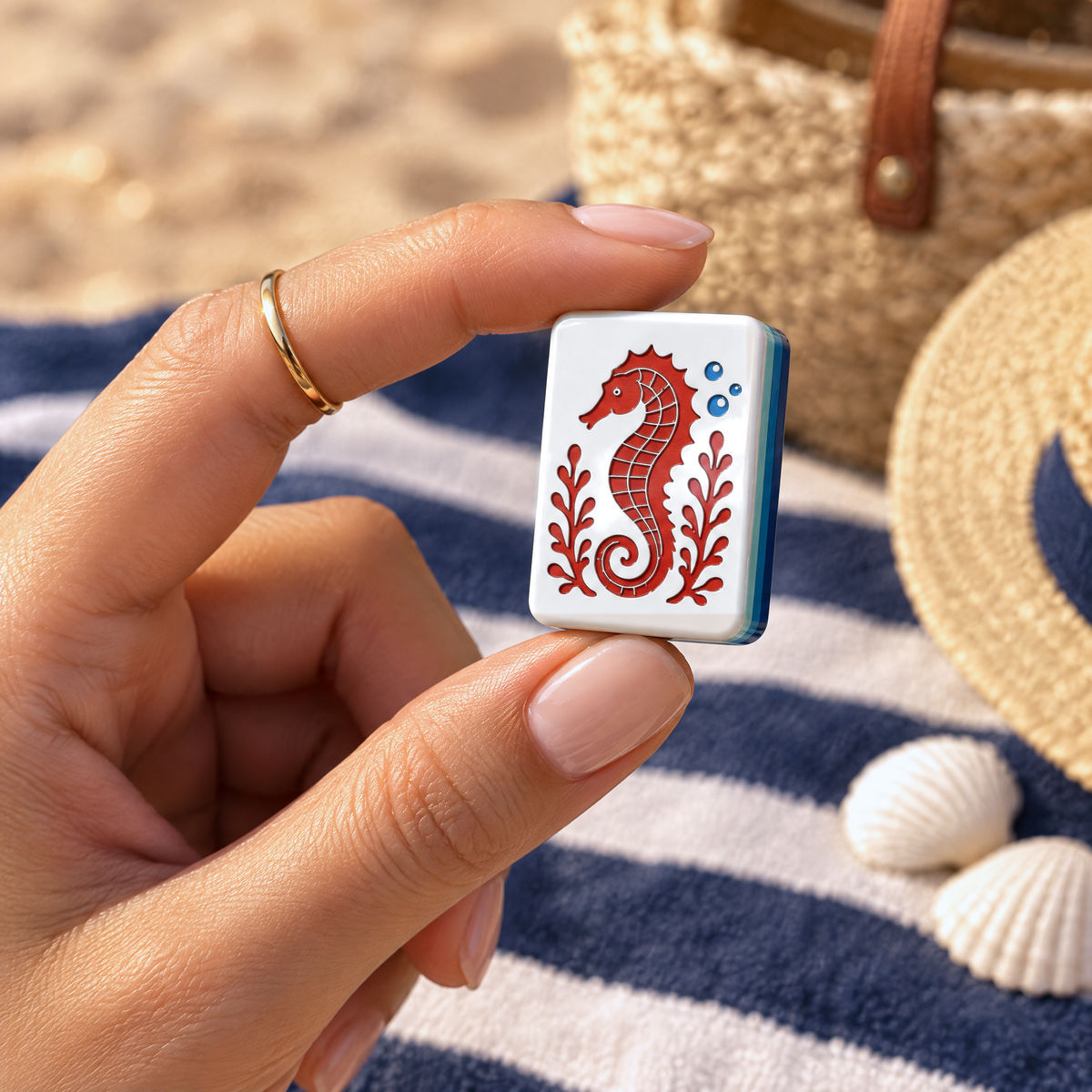
Mahjong cafés are community gathering spaces—often run by locals or small groups—where players meet regularly (usually weekly or twice monthly) to play American mahjong in a social, low-pressure environment. Unlike formal clubs or competitive tournaments, cafés prioritize camaraderie over rankings; most welcome beginners and experienced players equally. A typical session lasts 2–4 hours; you'll play 4–6 rounds, pay a small table fee or snack minimum, and meet people who share your love of the game. Cafés exist in cities with established Asian communities and in regions with strong mahjong traditions. What to expect: a relaxed atmosphere, a mix of skill levels, house rules posted on the wall, and players who've played together for years. Bring your own best-selling mahjong set if the venue doesn't supply tiles, a notepad for scoring, and snacks to share.
Where do mahjong cafés actually exist?
Mahjong cafés cluster in cities with large Chinese, Vietnamese, or Japanese communities—particularly in California, Texas, New York, and the Pacific Northwest. They're not chain businesses; each is independently run, often by a mahjong enthusiast or a small group of players who rent a room and open it to neighbors. To find one, start with community centers, libraries, and local parks departments—many post listings of standing game groups. Search Facebook community boards, Meetup, and neighborhood apps like Nextdoor by name of your city plus "mahjong." Visit local dim sum restaurants, bookstores, and Asian grocery stores; staff often know where players gather. Call or check social media for hours and newcomer policies before visiting.

What's the typical mahjong café setup?
Most cafés occupy a single rented room, basement, or back space in a restaurant—often 800–1200 square feet. You'll see 2–4 tables (each seating four players), good overhead lighting, tile racks on each side, scorepads at each seat, and snacks on a side table. Many provide tiles, though some ask players to bring their own or rotate whose set is used. The room is climate-controlled, quiet enough to hear the clack of tiles and conversation, and decorated simply—maybe a few calligraphy scrolls or a calendar from a local business. Equipment varies by café: some have premium wood tiles and bamboo racks; others use plastic sets. If you plan to host regular games at home, understanding this setup helps you recreate the comfort and focus that makes café play rewarding; explore our mahjong mats and racks with pushers to build your own game space.
🀄 Shop best-selling mahjong sets →
How much does it cost to play at a mahjong café?
Table fees range widely depending on location, overhead, and house rules. A typical evening session costs between a small flat fee per player, a per-round charge, or a snack/beverage minimum—roughly equivalent to the cost of one meal or a few drinks. Some cafés charge nothing and rely on a small cut of food sales; others charge a modest fee split evenly among players at a table. A few operate on a membership model (annual or monthly). Before your first visit, call or ask on the café's Facebook page about current pricing and what's included. Bring cash; most cafés don't accept cards. Money stays transparent—players tally the fee before the first tile is drawn, and no one owes money for play itself; any side betting is informal and entirely optional.
What skill levels play at cafés?
Mahjong cafés welcome all levels—absolute beginners playing their second game and players who've logged thousands of hours. Most venues run a mix; experienced players rotate tables or mentor newcomers at their own table. The unspoken rule is that everyone teaches; if you've played before, you're expected to help a beginner read the National Mah Jongg League card or remind them which hands are legal. Beginners usually play in a slower-paced group or with patient veterans who don't penalize mistakes. A few cafés designate "beginner hours" or "tournament nights," so ask when you call. Etiquette matters more than skill: show up on time, stay for the full session if possible, keep your tiles organized and quiet, and don't coach other players mid-hand. If you're nervous about your knowledge, review how to play American mahjong or mahjong for beginners before your first visit—players will appreciate your effort and fill in any gaps.

What are the unwritten rules of café etiquette?
Café culture has a relaxed code that keeps the game flowing and players happy. Arrive 5–10 minutes early; the group draws to determine who sits where and who deals first (often the most recent newcomer). Don't touch tiles until the previous hand is fully scored and ready to discard. Play at a reasonable pace—don't agonize over a discard for two minutes; most players decide in 5–10 seconds. Respect the Charleston—pass tiles crisply and cleanly, no comments on what you see. Once play begins, no talking about your hand or others' strategies. If you make a mistake (expose the wrong tile, count wrong, misread the card), say so immediately and let the group decide how to handle it; they'll rarely penalize you if you're honest. Don't leave mid-session unless an emergency arises; it disrupts the rotation. Compliment good plays and celebrate everyone's wins. Treat the space as if you own it—wipe the table, stack stools, and throw away your trash. Offer to cover the table fee for a regular player if they're short on cash; the gesture goes a long way. These norms turn strangers into friends and make café mahjong feel like coming home.
🎁 See our most-loved mahjong sets & accessories →
What should you bring to your first café visit?
Item | Why | Optional or required? |
Mahjong set (152 tiles, 8 jokers) | The café may not have spares or your preferred set | Optional if café provides |
Notepad & pencil | Scoring sheets move fast; tracking rounds helps | Optional but smart |
Cash | Table fees, tips, snacks | Required |
Comfortable clothes | You'll sit for 2–4 hours | Essential |
Snacks to share | Builds goodwill and feeds the group | Optional, appreciated |
Phone on silent | Respect the game | Required |
If you own a best-selling mahjong set with tiles you love, bring it—cafés usually welcome personal sets, and using your own tiles can ease first-visit nerves. A set that's well-balanced and satisfying to shuffle builds confidence. If you don't yet own a set, the café will have one; borrowing is normal and expected. Bring a small notebook and pen so you can jot down hands you learn or note scoring patterns. Most cafés have a shared scorepad, but keeping your own record helps you recognize patterns faster over time. Wear casual, loose clothing you can sit in comfortably; café rooms run cool or warm depending on outside weather and ventilation. Arrive 5–10 minutes early so you can settle in, introduce yourself, and watch one hand before joining a table.
✨ Find your Mahstead set — free US shipping →
What to check before you visit a mahjong café
Confirm current hours and days. Many cafés operate only one or two nights per week; check their social media or call ahead to confirm they're open and accepting walk-ins or reservations.
Ask about the house rules. Does the café play American mahjong, or a mix of American and Chinese? Do they use a specific scoring system? Are jokers allowed in pairs? (In American mahjong, they never are.) Which National Mah Jongg League card year do they use? (The league issues a new card every spring.) Clear answers keep surprises away.
Learn the table fee structure. Is there a flat fee, a per-round charge, a snack minimum, or a membership requirement? What does the fee include? Can beginners play free or discounted?
Check if beginners are welcome and supported. Some cafés have a "beginner night" or slower table. Others rotate experienced players to mentor new folks. A few are fast-paced and competitive; know which you're joining.
Find parking and accessibility. Is there street parking or a lot? Can you access the space if stairs are difficult? Many cafés occupy basement or back rooms, so confirm the entrance is easy for you.
Ask if you should bring your own tiles. Not all cafés have extra sets; if you own one you love, ask if you can use it. Bring a protective mahjong bag so your tiles stay clean and organized on the journey.

FAQ
Do I need to be fluent in Chinese or speak a specific language to play at a café?
No. American mahjong is played in English at most cafés outside Asia; all hands come from the National Mah Jongg League card, which is printed in English. Many regular players speak multiple languages, but the game itself uses English terminology. Call ahead if you're unsure about the language used at a specific venue.
What if I've never played mahjong before?
Cafés welcome absolute beginners. Most players will teach you before your first hand; you'll learn by playing alongside experienced players. Review mahjong for beginners at home first, and tell the group it's your first time when you arrive—they'll slow the pace and guide you through the Charleston and scoring.
Can I play if I only know Chinese mahjong, not American?
Yes, but rules differ significantly. American mahjong has no chows (sequences), uses jokers differently, and draws from one annual card. If you know Chinese mahjong well, learning American is straightforward, but ask the café whether they play American, Chinese, or a hybrid. Most social cafés play one consistent variant.
Is there a cost to watch before joining?
Most cafés let you watch for free or a small beverage fee. Watching a few hands before you play is smart—you'll pick up the pace and etiquette. Ask the host or a player when you arrive; they'll make space for you at a table.
What happens if I make a mistake during play?
Speak up immediately. Cafés have a culture of honesty; if you expose the wrong tile, count wrong, or misread the card, tell the group right away. They'll decide collectively how to proceed—usually with good humor and no penalty if it's accidental. Intentional cheating would be removed immediately; honest mistakes are part of learning.
Do I need to join a membership or attend regularly?
No. Most cafés welcome drop-ins; you can play once, or every week. Some offer memberships for regular players, which might include a discount or reserved seating. Ask about their walk-in policy when you call.


View More
View More
View More
