
Mahjong Clubs in Chicago: Where to Play & How to Get Started
Last updated: Nov 23, 2026
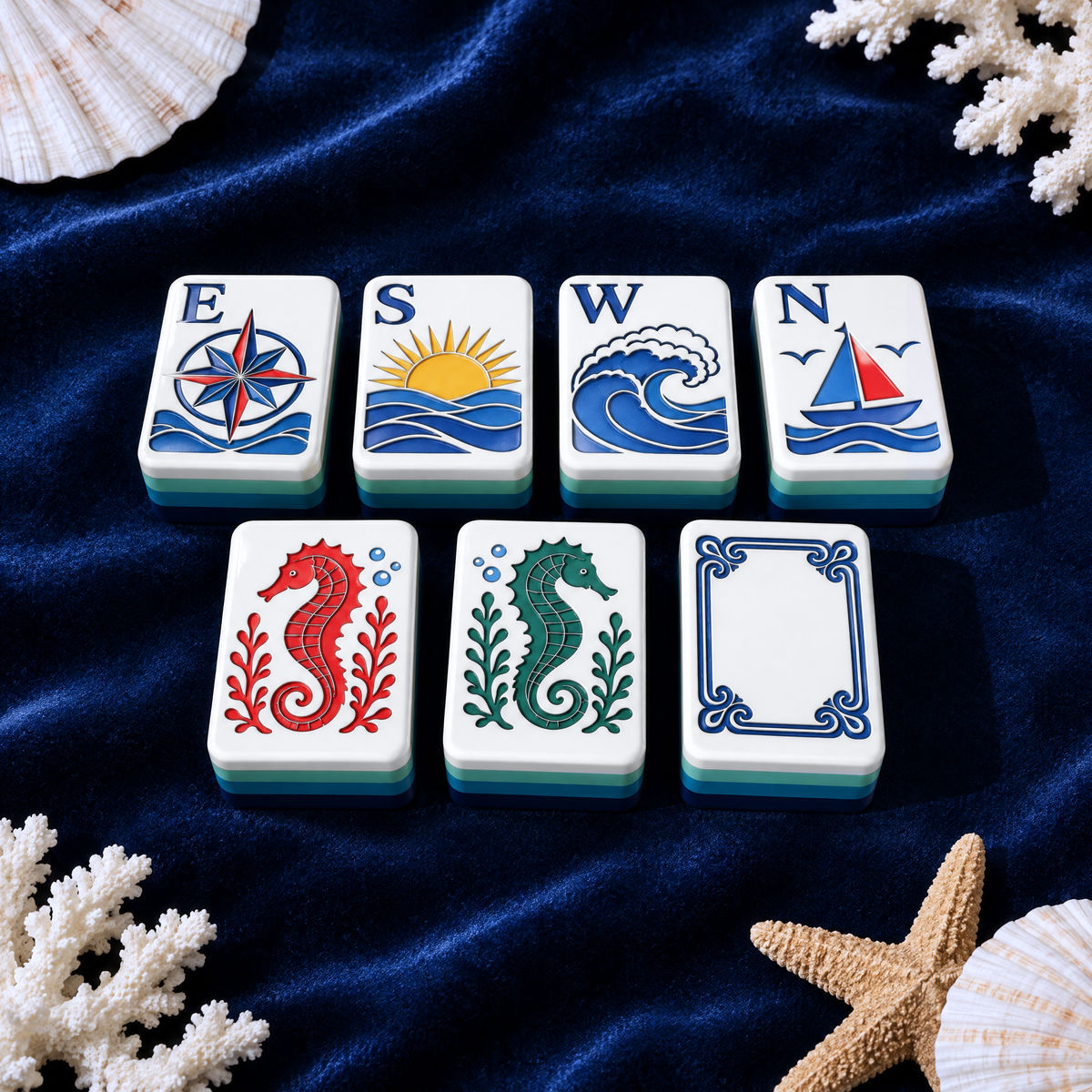
Chicago mahjong players gather regularly at community centers (check the Chicago Park District and local libraries for game schedules), synagogues, country clubs, and casual meetup groups advertised on community boards and social media. Most clubs run weekly or twice-weekly sessions; arrive 15–30 minutes early to learn the group's house rules and hand-confirmation practices. American mahjong groups play with our best-selling sets—152 playing tiles plus 8 jokers—and use the current year's National Mah Jongg League card. Beginners are welcome at nearly every club; bring a notebook to record scoring and ask experienced players to walk you through one full hand before your first live round. Most groups charge a small entry fee to cover table rental or prizes, though some host free introductory nights.
Where do Chicago mahjong clubs actually meet?
Community centers run by the Chicago Park District host the most consistent open play. Libraries—especially branches in Lakeview, Lincoln Square, and on the North Shore—often post game schedules in their bulletin boards or online event calendars. Synagogues and Jewish community centers frequently sponsor mahjong nights, welcoming all skill levels. Private country clubs, athletic clubs, and women's clubs in neighborhoods like Lincoln Park and Evanston have standing games, though membership may be required. The fastest way to find current groups: visit your local community center, call or email the Parks District recreation office, check meetup boards at neighborhood cafes and bookstores, and post a "looking for a game" inquiry on Chicago-area Facebook groups or Nextdoor.

What should I expect at my first club session?
Expect a welcoming but focused room. Players will be holding mahjong racks with pushers to organize their tiles, sitting at a table with an engraved or laminated mat, and working from a laminated copy of the current National Mah Jongg League hand card. You'll watch one or two hands before playing, learn that hand-confirmation (checking every player's winning hand against the card) is non-negotiable, and discover that most Chicago groups follow American rules strictly—no chows, no wild jokers outside the rules, no house variants on the card itself. Bring a pen, a small notebook, and comfortable clothes; sessions typically run 2–4 hours. The atmosphere is social but serious: players take scoring and rule accuracy personally.
How do I join and what do I need to bring?
Call or visit the venue ahead of time and ask: Do you teach beginners? What time do games start? What's the entry fee? Do I need to buy a membership? Bring cash (most groups don't take cards), a valid ID, and a willingness to sit out the first game and observe. You do not need to own your own mahjong set—every club has spare sets for guests—but owning one helps you practice at home. If you decide to buy, our best-selling mahjong sets are specifically designed for American play and come with everything you need: 152 playing tiles, 8 jokers, racks, pushers, dice, and a carrying bag. Ask the group if they have any preference for tile material (acrylic vs. bone) or set size; most casual Chicago groups use standard acrylic sets because they're durable and easy to see.
🀄 Shop best-selling mahjong sets →
What rules do Chicago clubs follow, and where do they differ?
All legitimate American mahjong clubs in Chicago follow the National Mah Jongg League rulebook and confirm hands against the official annual card. The key differences you'll notice: unlike casual home games, clubs enforce strict tile-counting (exactly 152 tiles, 8 jokers), verify every winning hand before paying out, and never allow house variants that contradict the published card. If you're new to American mahjong, read our how to play American mahjong guide and learn how jokers work—jokers have rigid rules in American play and can't be used carelessly. Most Chicago clubs also run a brief Charleston (the ritual tile-passing round at the start of each hand) and strictly prohibit discussing your hand or giving strategy advice until play is complete. Some groups charge a nominal table fee separate from the session entry, which goes toward maintenance or snacks.

What's the commitment level and cost structure?
Most Chicago clubs operate on a casual drop-in basis: you show up, pay a session fee (typically covering 3–4 hours of play), and either win or lose money based on the scoring system the group uses. A few clubs collect membership dues (usually annual or monthly); ask upfront. Scoring varies: some groups play for points only (no money), while others play for small stakes or collect a "kitty" for prizes. Beginners almost never make or lose significant amounts in their first month because they spend time learning. Many groups also organize occasional tournaments or special events (holiday games, charity games, or championship rounds) with separate entry fees. Before committing weekly, attend 2–3 sessions with different groups to find one that matches your schedule, skill level, and social style.
Venue Type | Typical Schedule | Best For | What to Check |
Community Center | Weekday afternoons or evenings | Retirees, flexible schedules | Ask if beginner sessions exist |
Library | Evenings or weekend afternoons | Casual learners, free/low-cost play | Call ahead—schedules vary |
Synagogue/JCC | Weeknights, often Wed./Thu. | Community-focused, all backgrounds welcome | Confirm visitor policy |
Country/Athletic Club | Evenings or weekend afternoons | More experienced players, social atmosphere | May require membership |
Meetup/Casual Group | Varies (check online board) | Flexible, no hierarchy | Verify group size and house rules |
What should I practice before my first game?
Spend 30 minutes reading the National Mah Jongg League card for the current year. Understand that every hand is a specific combination of tiles (for example, a section might show three pungs of matching Wind tiles plus a pair of Dragons). Download a free practice card or ask the club to send you one. Then, learn how the Charleston works: it's a tile-passing sequence that happens before each hand—left, across, right, then two back. This ritual confused thousands of American mahjong beginners, but it's simple once you do it once. Finally, memorize the basic scoring rules: a winning hand (called "Mahjong") pays you; a non-winning hand pays nothing, and if you discard a tile that lets another player win ("throwing a Mahjong"), you pay a penalty. Most clubs will walk you through scoring on your first night.
🎁 See our most-loved mahjong sets & accessories →
What to check before you buy your first set
If you decide to invest in your own mahjong set for home practice (which speeds up learning), confirm that the set includes exactly 152 playing tiles plus 8 jokers—no fewer, no more. Many sets marketed as "mahjong sets" are actually incomplete or designed for non-American variants. Our Mahstead sets are built for American play and ship with a durable mat and racks, so your tiles stay organized during practice. Ask your Chicago club what tile material they prefer (acrylic or bone); acrylic is louder and brighter, bone is quieter and more traditional. Make sure the set includes racks with pushers so you can organize your 14 tiles neatly and push one forward when you're ready to play. Check that the tiles are clearly marked—numbers and wind symbols should be easy to read from across a table in dim light.
✨ Find your Mahstead set — free US shipping →

FAQ
How do I find a beginner-friendly mahjong club in Chicago?
Call community centers in your neighborhood or visit the Chicago Park District website to see their game schedules. Libraries and synagogues also post beginner sessions. Arrive 15 minutes early, introduce yourself as new, and ask an experienced player to walk you through one hand before you sit in as a fourth.
Do I need to own my own mahjong set to join a Chicago club?
No. Every club keeps spare sets for guests. However, owning one lets you practice at home and accelerates learning. Most Chicago clubs use standard American acrylic sets with 152 tiles and 8 jokers.
What does American mahjong cost to play in Chicago?
Sessions typically cost a small entry fee per night; some groups also play for points or low stakes. Ask the club upfront what the cost structure is and whether money changes hands or if it's points-only play.
How long is a typical mahjong game in Chicago?
Most sessions last 2–4 hours and include 4–8 full hands, depending on the group's pace. Expect your first session to be slower because of learning and hand verification.
What's the hardest part of American mahjong for Chicago beginners?
Learning to read the National Mah Jongg League card and understanding that jokers follow strict rules (they can only be used in certain tiles, never in a single tile or pair). Spend time with the card before your first game and ask players to explain one hand in detail.


View More
View More
View More
