
Melamine vs Bone and Bamboo Mahjong Tiles: Which Is Right for You?
Last updated: Nov 23, 2026
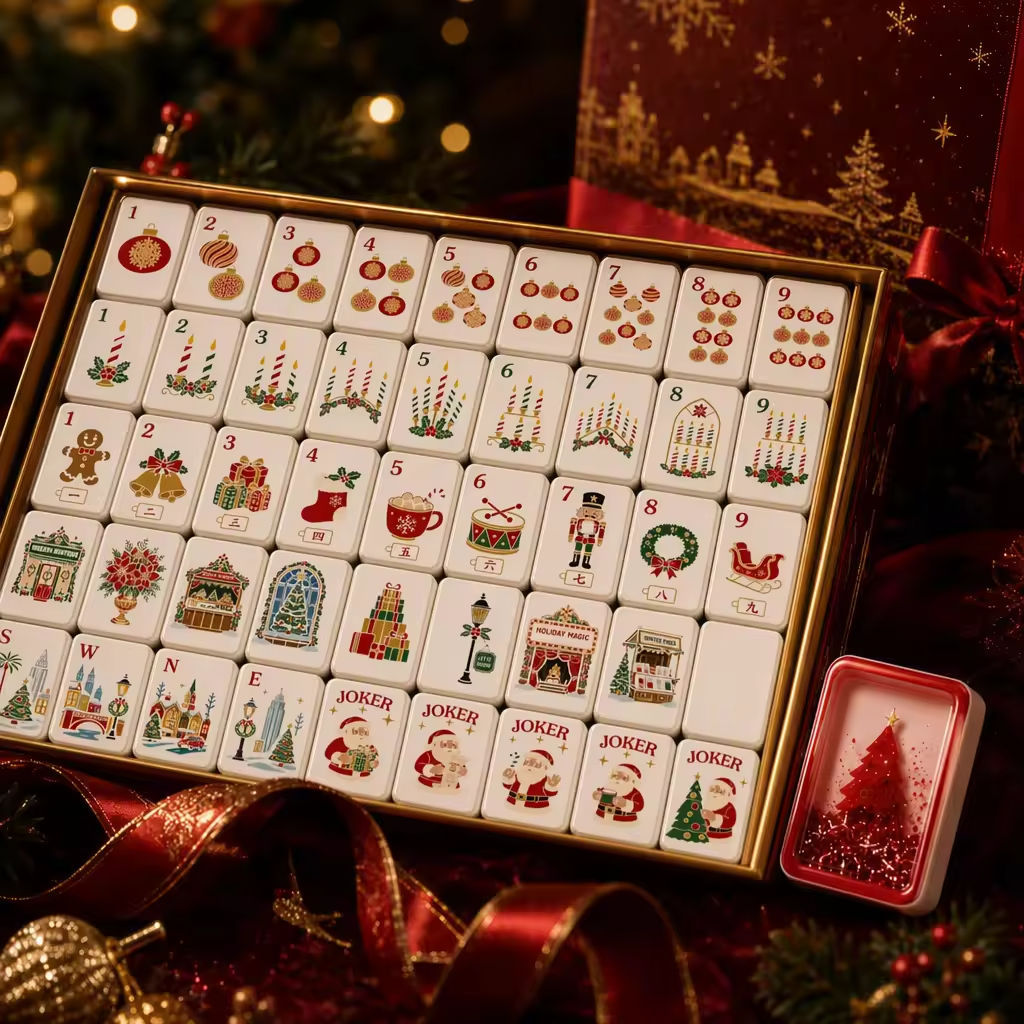
Melamine tiles are durable acrylic composites, lightweight, chip-resistant, and best for frequent play or travel. Bone and bamboo tiles—typically found in Asian tournament sets—feel heavier, sound deeper when shuffled, but chip more easily and require careful storage. Melamine suits American mahjong players hosting weekly games or new players learning rules; bone and bamboo suit collectors or players valuing authentic Asian aesthetics over longevity. Melamine sets from our best-selling collection ship complete with a mat, racks, and dice. Cost basis varies by finish and engraving; consult the product page for your preferred design. Bone and bamboo demand gentler handling, climate control, and replacement tile sourcing if damage occurs—a real drawback mid-game.
What makes melamine tiles the standard for American mahjong?
Melamine is a thermoset plastic composite that binds wood fibers with a protective resin coating. This creates tiles that shrug off scratches, survive drops onto hardwood, and don't absorb humidity. American mahjong players favor melamine because a weekly game involves shuffling 152 tiles, stacking them fast, and storing sets in closets between sessions. Melamine tiles stay flat, never warp, and the engraved designs remain legible after five years of play. Weight runs light—typically around 3–4 ounces per tile—so shuffling feels quick and your hands don't fatigue. The surface gloss or matte finish doesn't yellow, crack, or dull. We've hosted games where a player knocks a rack onto tile, and the tiles bounce; that resilience matters when your set costs money and you play twice weekly.

How do bone and bamboo tiles feel different at the table?
Bone tiles carry a smooth, cool density that players feel the moment they touch the rack. A pung of 5 Craks in bone weighs noticeably more than melamine equivalents, giving shuffles a deeper, more deliberate rhythm. Bamboo tiles are lighter than bone but heavier than melamine, with a slightly warmer tactile quality. Both materials produce a sharper click when tiles nest in the rack or stack during draw. Many Asian tournament players and collectors prize this audio and tactile feedback as part of the ritual; it signals authenticity and skill. However, bone is porous—it absorbs oils from hands and moisture from humid rooms, leading to discoloration and warping over years. Bamboo is more stable than bone but still requires climate control. A set left in a damp garage for a summer can swell or develop spots. Replacement tiles for bone or bamboo sets are often impossible to source in North America, so a chipped tile means a retired set.
🀄 Shop best-selling mahjong sets →
Which material wins for durability and longevity?
Melamine dominates durability. A set played twice weekly for ten years will show surface scratches but remain fully functional and readable. The tiles don't warp, crack, or absorb moisture. Replacement jokers or blank tiles are easy to find or commission. Bone tiles, absent climate control and careful handling, begin showing wear—edge chips, surface yellowing—within three to five years of regular play. Bamboo sits between the two: tougher than bone, softer than melamine, but still vulnerable to humidity and impacts. If your game rotates hosts across four homes with different temperatures, melamine wins. If your set lives in a climate-controlled trophy case and you play once a month in a dry room, bone or bamboo survive well. For investment and peace of mind, melamine lets you play hard without worrying.

What's the honest cost and value trade-off?
Melamine sets offer the best value-to-durability ratio for American mahjong players. A complete engraved melamine set with mat, racks, and dice provides all you need to host a game; the cost is accessible and the payoff is years of use. Bone and bamboo sets—when available—carry a premium reflecting material rarity, hand-finishing labor, and perceived authenticity. That premium doesn't buy durability; it buys aesthetic and ritualistic value. If you're a collector or play in a high-level Asian tournament circuit, bone or bamboo justify the cost. If you're an American mahjong player, a parent gifting a set to friends, or a beginner, melamine delivers more per dollar. Calculate the cost-per-year-of-use: a melamine set played 100 times over five years costs pennies per game; a bone set retired after three years due to damage costs significantly more per use.
Material | Durability | Feel & Sound | Storage Needs | Best For | Replacement Tiles |
Melamine | 10+ years, chip-resistant | Light, quick shuffle, muted | Standard closet, any climate | Weekly American mahjong, travel, groups | Easy to source |
Bone | 3–5 years (varies by climate) | Dense, deep click, premium ritual | Climate-controlled, humidity <55% | Collectors, Asian tournament players, display | Hard to find in North America |
Bamboo | 5–7 years (better than bone) | Moderate weight, warm click | Climate-controlled, dry environment | Players valuing aesthetics, occasional play | Difficult to source |
What should you check before ordering?
Before you buy, answer these questions:
How often will you play? Weekly play demands melamine. Monthly play allows bone or bamboo if stored well.
Where will the set live? A closet shared with a humidifier? Choose melamine. A glass cabinet in a den? Bone or bamboo are safer.
Do you travel with your set? Melamine is 40–50% lighter and packs into a slim bag. Bone requires padded cases and feels heavy.
Is authenticity or collectibility your priority? Bone and bamboo signal serious interest in Asian traditions; melamine signals practical, inclusive American play.
Can you source replacement tiles if needed? Melamine—yes. Bone or bamboo—unlikely outside specialist shops, and you may wait weeks.
What's your budget for long-term value? Melamine costs less upfront and lasts longest; bone and bamboo cost more and last shorter unless pampered.
When you're ready, browse engraved tile options and check the product description for material, weight, and care instructions. A mat, racks with pushers, and a case are accessories worth planning for—they extend tile life by reducing spills and impacts.
🎁 See our most-loved mahjong sets & accessories →
Real mistakes we see players make
New players often assume bone or bamboo is "better" because it sounds more traditional. Then they store a set in a humid basement and wonder why the tiles warped. Collectors sometimes order bone sets without checking humidity levels at home, then face irreversible damage within a year. American mahjong hosts buy melamine sets assuming they're "cheap" or "plastic," when in fact melamine is engineered for exactly this game's rigors and costs less because it lasts longer and requires no fussy upkeep. The smartest move: match your material to your lifestyle, not to ego or borrowed assumptions. A melamine set played 200 times over eight years and then passed to a beginner outperforms a bone set played 30 times and then retired. If you're starting out, learn the rules with a reliable set that won't crack the first time you shuffle hard.
✨ Find your Mahstead set — free US shipping →

FAQ
Can I mix melamine and bone tiles in one set?
No. Mixing materials causes imbalance during shuffling, uneven wear, and mismatched sound. Always play with a single-material set.
How do I care for bone and bamboo tiles to maximize their life?
Store in a sealed container with silica packets; keep humidity between 45–55%; avoid direct sunlight; wipe tiles dry after play; never leave them in a car or garage. Even with care, bone chips after 3–5 years of weekly play.
Is melamine tile environmentally worse than bone or bamboo?
Melamine is thermoplastic and recyclable. Bone is an animal byproduct; bamboo is renewable but shipped overseas. Environmental impact depends on your values; durability matters too—a set lasting 10 years beats one lasting 3.
Why do some online sellers claim bone tiles are "tournament standard"?
Asian mahjong tournaments use bone or bamboo for tradition and audio feedback. American mahjong tournaments use melamine, which the National Mah Jongg League does not regulate by material.
Do engraved melamine tiles chip more easily than plain ones?
No. The engraving is applied at the surface; it doesn't weaken the tile. We've engraved sets that players have shuffled thousands of times without chipping.
If I buy a bone set and tiles crack, can Mahstead replace them?
We sell melamine sets only. Bone and bamboo sets must be sourced from importers or overseas; Mahstead does not inventory replacements for those materials. This is a key reason we recommend melamine for American players.
What's the real weight difference between materials?
A melamine tile weighs roughly 3–4 ounces; bone weighs 5–6 ounces; bamboo weighs 4–5 ounces. Over 152 tiles, bone sets weigh 3–4 pounds more—noticeable if you carry them between games.


View More
View More
View More
