
Mahjong Clubs in Charlottesville: Where to Play & How to Start
Last updated: Nov 23, 2026
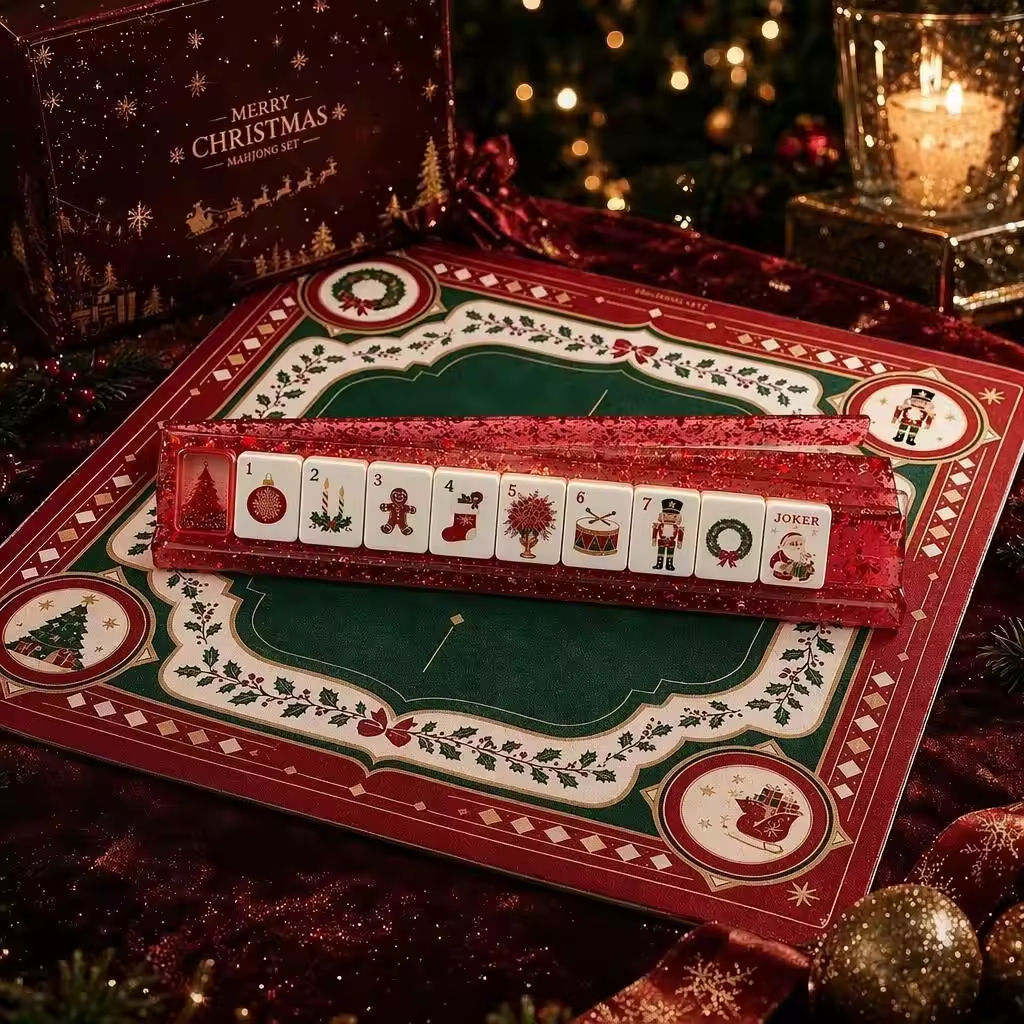
Charlottesville's mahjong scene thrives in community spaces: libraries, recreation centers, and synagogues host weekly or monthly games open to all skill levels. Check your local library bulletin board, community center activity calendar, and search Meetup.com for "Charlottesville mahjong" to find current groups. Most clubs welcome beginners and lend tile sets during your first visit; bring a notebook to learn the current year's hand card and expect a gentle learning curve. Games run 2–4 hours, usually Thursday through Sunday evenings or Saturday mornings. No membership fee is standard, though some groups collect a small pot for refreshments. If no formal club exists when you call, ask about starting one or hosting a home game—many Charlottesville players begin exactly that way and later connect with neighbors through word-of-mouth and social boards.
Charlottesville's mahjong community is small but active, with players meeting regularly in public spaces and private homes. Whether you're a complete beginner or returning after years away, finding your first game is straightforward—and making it a habit is even easier once you know where to look.
Where do Charlottesville mahjong players actually meet?
Start with your city library's bulletin board and website; many libraries in college towns like Charlottesville host community game groups or maintain a list of local meetups. Check the Parks & Recreation department website for classes or drop-in games at community centers. Synagogues, churches with active social programs, and country clubs often host mahjong nights on a fixed schedule. Meetup.com is your quickest check: search "mahjong Charlottesville" or filter by game category. Call ahead—groups reorganize seasonally, and some meet only during school year or warm months.
🀄 Shop best-selling mahjong sets →

What happens at your first Charlottesville mahjong meetup?
Expect an informal, welcoming environment. You'll arrive 10–15 minutes early; the host seats you at a table with three other players (one experienced, two mixed skill levels is typical). Before tiles are drawn, learn the Charleston ritual—the three-pass tile exchange that sets up each hand. The group will hand you a copy of the current year's National Mah Jongg League card and walk you through the most common hand patterns. Your first game is almost always a learning round; players call out loud, explain their melds, and pause when you have questions. Bring a pen and small notebook. Games last 1–3 hours depending on table pace. Most Charlottesville groups stop between rounds for snacks or drinks, and the mood is social—you're learning a game with friends, not competing for money.
Should you buy your own set before joining a club?
Not immediately. Borrow from the host for your first 3–4 visits; this lets you learn whether you enjoy the pace and people before investing in gear. Once you're attending weekly, buying your own engraved American mahjong set signals commitment and lets you host games at home. Many Charlottesville players keep a set on a dedicated shelf and invite others to their table—hosting is how you build a stable group. Choose a set with tiles large enough to read at arm's length (standard acrylic tiles in a 160-tile set are ideal for this) and a matching mat with score marking to protect your table and keep tiles from sliding. A set with a carrying bag or case is essential if you'll transport it to other homes or clubs.
Scenario | Best Move | Why It Works |
You're brand-new to mahjong | Borrow from the host | No cost; you learn fast with live coaching |
You've played 4+ times | Buy your own set | You're ready to host; hosting builds friendships and consistency |
You plan to host monthly | Invest in a mat and bag | Hosting equipment protects tiles and shows respect for the game |
You're a gift-giver | Browse themed sets with friends in mind | Personal sets create memory and encourage your circle to play |

What skill level does your Charlottesville club accept?
Nearly all clubs accept true beginners alongside players who've been going for decades. The key is honesty: tell the host on your first call or email that you've never played. Charlottesville's community-based groups deliberately level the table by seating a strong player with newer ones. You will not understand everything in the first five games—American mahjong has dozens of hand patterns, specific rules for jokers, and scoring nuances. That's normal. By game 10, you'll recognize 15–20 patterns, call out your own melds, and know when to hold or discard. By 20 games, you'll understand the flow. Most Charlottesville players improve fastest by playing weekly with the same group because the patterns repeat and teammates gently correct you when you're about to make a costly mistake.
🎁 See our most-loved mahjong sets & accessories →
How do you start a Charlottesville mahjong club if one doesn't exist?
Post a flyer at your library, community center, or neighborhood message board (Nextdoor is especially effective in college-town suburbs). Write a simple three-line invitation: "Learning American mahjong: Thursday 7pm, [your address or venue name]. No experience needed. Email [your address]." Expect a slow first month; you may get two or three people. Start with four players (the minimum for a standard game) or fewer if needed—you can teach 2 and 3 player variants on a quieter night. Once you have a stable core of 6–8 people, the group often self-organizes: one person hosts one week, another the next. Many Charlottesville home groups have run for years on zero budget because players share the cost of snacks and hosting rotates. You'll need exactly one 160-tile American mahjong set to start; invest in a second after three months if the group is consistently four players or more.
✨ Find your Mahstead set — free US shipping →
What to check before you buy gear for your Charlottesville group
Tile size: Standard acrylic tiles (roughly 1.25 inches per tile) are readable by all ages and hand sizes. Verify the set you're considering uses standard dimensions so guests recognize the tiles.
Joker count: A 160-tile set has 152 playable tiles plus spares; confirm this matches the American mahjong ruleset your group uses.
Mat quality: A mat protects your table, keeps tiles from shifting mid-game, and signals you're serious about hosting. Check that it has a score-tracking area or racks for four players.
Set completeness: Confirm your set includes all four winds, all three dragon colors (Red, Green, White), and flowers before purchase.
Travel-ready design: If you'll carry your set to someone else's home, a padded bag or case is not optional—loose tiles in a car or on a bike will shift, crack, or scatter.
Return to the pillar: For a deeper introduction to American mahjong rules, hand patterns, and how to read the card, visit our mahjong for beginners guide.

FAQ
How do I find a mahjong club that meets in Charlottesville right now?
Check your library website, call Parks & Recreation, search Meetup.com for "Charlottesville mahjong," and ask at synagogues or community centers. Groups meet on rotating schedules; calling ahead ensures you find an active game. If nothing shows up, post a flyer or email asking locals to start one.
Is there a cost to join a Charlottesville mahjong club?
No membership fee. Some groups collect a small voluntary contribution (a few dollars) for snacks or drinks shared during breaks. You'll never pay a table fee or league membership to play casually at home or in community spaces.
Can I play if I've never touched mahjong tiles before?
Yes. Every Charlottesville club welcomes complete beginners. Tell the host ahead of time, and they'll seat you with experienced players who'll teach you the hand patterns and explain calls as the game unfolds. Bring a pen and notebook; you'll learn fastest by watching and taking notes.
What's the time commitment for a weekly game?
Most games run 2–3 hours from start to finish, including breaks. You can attend once a week or twice a month—there's no commitment. Many Charlottesville players treat it as a standing weekly appointment because the consistency builds friendships and speeds up learning.
Should I buy a set before I start playing with a club?
Borrow from the host for your first three or four visits. Once you're attending regularly and enjoying the group, buying your own set lets you host games at home and deepen friendships. A set with a mat and carrying bag is the most useful starting investment for home hosting.
What do I need to buy if I want to host a mahjong game at my home in Charlottesville?
One 160-tile American mahjong set, a protective mat, and a carrying bag if you'll transport it elsewhere. A set with engraved titles or designs adds personality and makes hosting feel special. Free US shipping makes it easy to have gear delivered before your first hosting night.


View More
View More
View More
