
Mahjong Clubs in Boston: Find & Join Your Local Game
Last updated: Nov 23, 2026
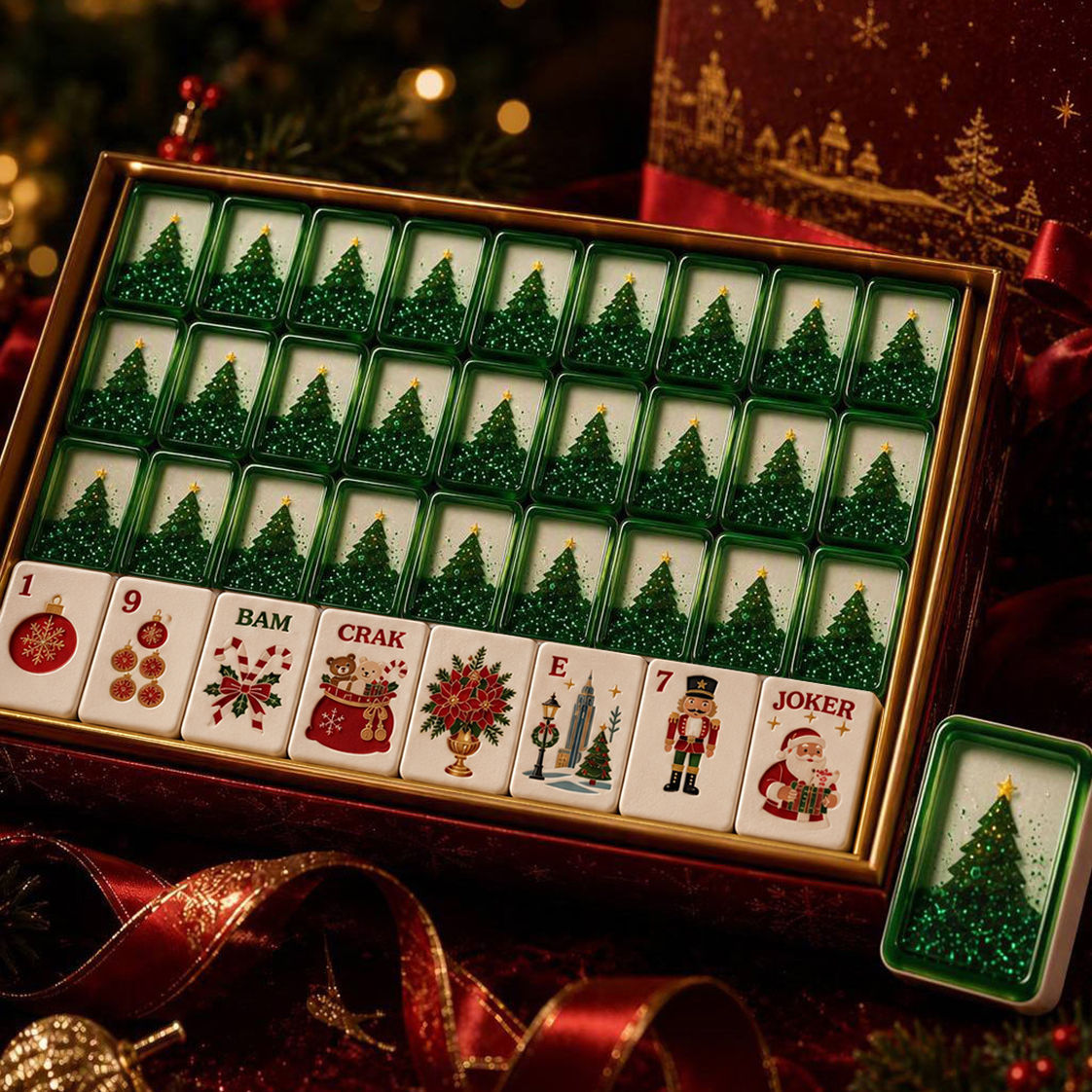
Boston's mahjong scene centers on community centers (particularly in neighborhoods with large Jewish, Chinese, and Asian populations), public libraries, country clubs, and informal weekly home games. Most groups play American mahjong and meet weekly or twice monthly on weekday evenings or weekend afternoons. Beginners are almost always welcome; most clubs teach newcomers for free during orientation sessions. Expect to pay a small fee per game or a seasonal membership, though exact costs vary. To find groups, search your local library's events calendar, call community centers directly, check Meetup, or ask at local Chinese restaurants and shops. Bring your own 160-tile set if you have one—many clubs share equipment, but having your own best-selling mahjong sets speeds setup and means you're ready anytime. The hardest part isn't finding a club; it's showing up week one, but everyone there was new once.
Where do Boston mahjong clubs actually meet?
Boston clubs gather in predictable spots: community centers in Brookline, Newton, and Cambridge host regular daytime games; public library branches often list mahjong sessions on their activity boards; country clubs in the suburbs run evening leagues; and neighborhood synagogues and senior centers sponsor weekly tournaments. Check your local branch library's website first—many post a full events calendar online. Community centers in areas with established Asian communities (Chinatown, parts of Brookline, and Quincy) almost always have open games. Call ahead; drop-in formats vary from "always welcome" to "invite only" depending on the group's setup.

What should I bring to my first game?
You'll need a complete 160-tile mahjong set, a reference card from the current year, and a notebook to track scores. If you don't own a set yet, many clubs keep spares on hand, but showing up with your own set with engraved American mahjong design signals you're serious and saves the host setup time. Bring a pen, water, and snacks only if the group culture allows; watch one round before you play to see how casual the group is. Most groups use the National Mah Jongg League card (updated every spring); if you're brand-new to American mahjong, ask the coordinator which year's card they're using so you can study it beforehand. Wear comfortable clothes and plan to stay for 2–3 hours minimum.
🀄 Shop best-selling mahjong sets →
What's the difference between American and other styles played in Boston?
American mahjong follows a single official hand chart from the National Mah Jongg League; no chows (sequences), strict joker rules, and the Charleston tile-passing ritual define the game. Chinese, Hong Kong, and Riichi variants play by different hand hierarchies and allow sequences—read our full guide on how to play American mahjong for a complete breakdown. Boston clubs are overwhelmingly American mahjong; if you see a group advertising "traditional Chinese mahjong" or "Hong Kong style," call and ask, because the tiles, hand rules, and scoring will be completely different. Most beginners find American mahjong easier to learn because the single hand chart removes guesswork. Before you join, confirm your target club plays American—it's the local standard, but verify anyway.
How do I go from beginner to regular player in Boston?
Start by attending a club's newcomer night or reaching out to the coordinator in advance and asking to observe one round. Most hosts will teach you the Charleston (the tile-passing ritual), how to read the card, and basic strategy in your first session. Come back the same day or time every week; consistency matters. Within 4–6 weeks of weekly play, you'll recognize hand patterns, remember scoring rules, and feel comfortable calling your own wins. Join a group with players at your level if possible—crushing beginners against pros creates friction, and most clubs self-sort into casual and competitive nights. Ask the coordinator which night suits new players. Read our beginner's guide before your first game; you'll ask smarter questions and earn respect.
What does a typical Boston mahjong night cost?
Club Type | Typical Format | Cost Basis | Atmosphere |
Community center | Open drop-in, 2–3 games | Per-game fee or seasonal pass | Mixed skill, welcoming |
Library program | Scheduled sessions, 1–2 hours | Free or small materials donation | Beginners dominant |
Country club | Member or guest league play | Membership fee + game fee | Competitive, intermediate+ |
Home game | 4 players, weekly | Chip pool or prize fund | Casual, social |
Senior center | Daytime, organized pairs | Donation-based or free | All ages welcome |
Costs vary widely; calling ahead is the only reliable way to know. Most community programs stay under what you'd spend on an evening out. The real investment is in a solid set and learning time—not money.
🎁 See our most-loved mahjong sets & accessories →

How do I find a Boston mahjong club if I don't know anyone?
Start with your town's community center website—search "mahjong" or call the activities coordinator directly. Check your library's events page next; many post mahjong sessions in the same way they list book clubs. Search "mahjong" + your town name on Meetup to find informal groups. Ask at local dim sum spots, Asian markets, or community colleges; word-of-mouth is surprisingly effective in Boston's tight mahjong circle. Senior centers and synagogues often host games; don't overlook them even if you're younger. Once you find one group, ask members about other clubs in the area—Boston players usually know 3–4 options and will recommend by personality and skill level. Show up to at least two groups before deciding; personality and table pace vary.
What should beginners know about American mahjong rules before joining?
Understanding how jokers work in American mahjong, the role of the National Mah Jongg League card, and the basic hand structure (always three melds + one pair) will speed up your first week. You can't build chows (sequences 1-2-3); you can only expose pungs, kongs, and joker-substituted sets. The Charleston happens once per game before anyone plays a tile—don't skip it or you'll miss crucial hand balancing. Most new players overthink scoring; focus on calling hands correctly first, then learn scoring once you've played five times. Watch scoring rules explained and how to read the current year's card the night before. Asking questions at the table slows play but is always permitted; do it.
What to check before you buy a set to bring to your Boston club
Buy a 160-tile American mahjong set, not a Chinese travel set or 144-tile variant. Boston clubs play American exclusively, and 160-tile sets contain all required tiles plus spares. Check that your set includes four of every number in each suit (Bams, Craks, Dots), all wind and dragon tiles, and a current year's card—older sets use outdated hand patterns. Acrylic or bone/bamboo tiles are equally valid; pick what feels right in your hand.If you plan to transport your set weekly, get one with a carrying bag or case designed for mahjong—loose tiles in a shoebox take ten minutes to sort and annoy other players.Test the tiles before your first game: shuffle, draw, and discard smoothly. Sticky or warped tiles ruin the experience. Avoid sets sold with non-English cards or without an official American mahjong card; they're not compatible.
✨ Find your Mahstead set — free US shipping →
What equipment makes hosting a Boston mahjong game easier?
If you're thinking about starting your own Thursday night game, invest in a dedicated mahjong mat to protect your table, racks with pushers so tiles don't slide around, and a good travel bag so you can bring your set to a club if needed. A mat saves setup time (no need to clear junk off the table) and extends your tiles' lifespan. Racks with pushers mean beginners don't accidentally knock their hand over, and quiet, organized play feels more professional. You don't need fancy dice or chip trays—a pen and paper work fine—but small quality touches (a printed scorecard, a current year's card laminated for your group) make people want to come back.

FAQ
Can I learn mahjong by watching YouTube before I join a Boston club?
Yes—watch tutorials on the basics of American mahjong first, but nothing replaces live play. You'll understand flow and pacing only at a table. Show up knowing the Charleston exists and what a pung is; learn the rest with the group.
Do Boston clubs accept people who've never played before?
Almost all do. Call the coordinator, say "I'm brand new," and ask when their beginner-friendly session runs. Most have a specific night for newcomers or dedicate the first hour of each session to teaching.
What if I don't have my own mahjong set?
Most clubs keep spare sets. Ask when you call. If you plan to play weekly, buying your own set makes sense; you'll want to practice at home anyway and avoid relying on borrowed equipment.
Are Boston mahjong clubs competitive or social?
Both. Many groups split into a casual night and a tournament night. Ask the coordinator which matches your goal—some people play for chips (money), others for score tracking only.
How long does a typical mahjong game take?
One round takes 10–20 minutes. A full "night" usually means 2–4 games plus breaks, so plan 2–3 hours. First-time learner games run longer (3–4 hours).
What's the age range in Boston clubs?
Wide. Most groups are 40+, but younger players are everywhere. Don't assume you'll be the only person your age; many clubs have a 30- to 70-year span at the same table.


View More
View More
View More
