
Hong Kong Mahjong Cheat Sheet: Rules, Hands & Tile Chart
Last updated: Nov 23, 2026
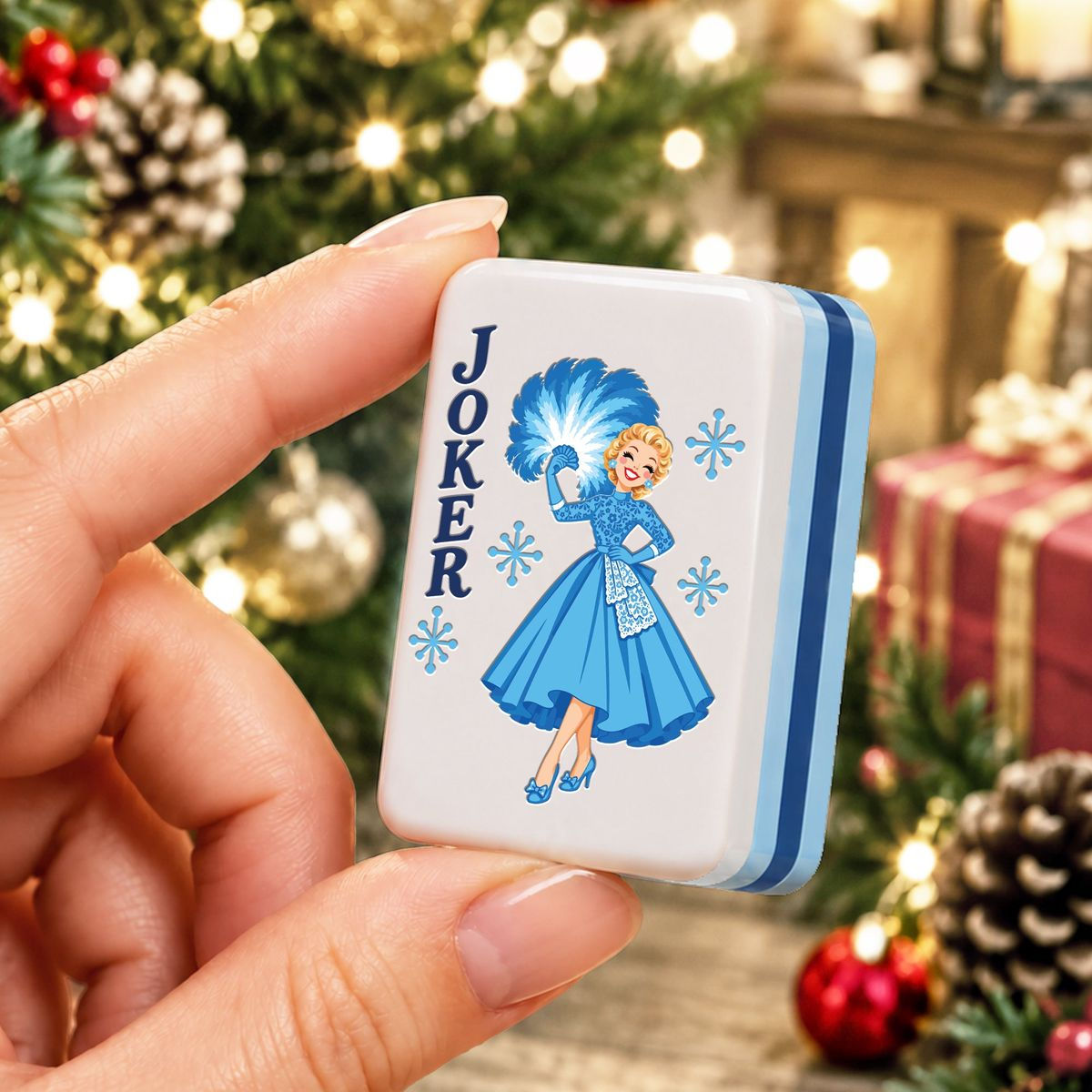
Hong Kong mahjong is played with 136 tiles across three suits (Bamboo, Character, Dot) ranked 1–9, plus 16 winds and 12 dragons. Unlike American mahjong—which uses 152 tiles and forbids chows—Hong Kong play allows sequences (chow: three consecutive numbers like 2–3–4 Bamboo) and simpler hand types. A winning hand requires 14 tiles: four melds (three tiles each) plus a pair, or special patterns like all pungs (three matching). Hands are more open; players call and expose melds freely. Games move faster and suit casual play. The game has no official hand card like American mahjong—winning patterns are traditional and memorized. Most casual players keep a printed hand guide nearby, and many gaming stores sell laminated rule sheets or cheat sheets for quick reference during play.
What are the four meld types in Hong Kong mahjong?
In Hong Kong mahjong, every winning hand contains four melds plus a pair. A pung is three identical tiles (three 5 Bamboo). A kong is four identical tiles. A chow is three consecutive numbers in the same suit (3–4–5 Dot). A pair is two identical tiles that finishes the hand. You can also win with special patterns: all pungs (no chows), all one suit, or honor tiles (winds and dragons only). Chows are the big difference from American mahjong—they're allowed and common. Most casual hands mix pungs and chows; advanced hands restrict one or both. Memorize these four types first; they unlock 90% of Hong Kong play.

How do wind and dragon tiles rank?
Winds rank in order: East > South > West > North. Dragons rank: Red > Green > White. In some regions, Red ranks highest; in others, Red and Green tie. Hands with all dragons or all winds are high-value. A pung of East (the highest wind) beats a pung of North. When scoring, honor tiles (winds and dragons) are often worth more points than number tiles, especially in all-honor hands. White dragons are treated as zero in some variants and are less valuable than Red or Green. Check your local ruleset before playing—wind and dragon rankings can vary by region. The East wind always has the highest status since the dealer position is East.
What's the difference between calling and concealed play?
When another player discards a tile you need, you can call (claim it aloud and expose your meld). If you draw your own tile from the wall, you can keep it concealed (hidden in your hand, not exposed). Calling speeds up play; many casual games encourage it because rounds finish faster. Concealed tiles are sometimes worth more in scoring because they show stronger hand-building. American mahjong forbids most calls—you can only go mah-jong on a discard. Hong Kong play is the opposite: calling is normal and strategic. New players often freeze when a discard is called; just pass the tile across calmly and move on. The East player (dealer) calls first; West player calls last.
How do the Charleston and pass-in work differently?
Hong Kong mahjong has no Charleston—no organized pre-game tile swap. Instead, players draw 13 tiles from the wall to start; the East player draws a 14th tile. The first meld is made by someone drawing a tile—no ritual exchange. Some casual groups do a simple one-pass: each player passes three tiles left, but this is informal and varies by group. American mahjong's Charleston is structured and mandatory (three passes in three directions, then a 2-tile swap). If you're moving between American and Hong Kong games, the biggest shock is speed: Hong Kong starts instantly after tiles are drawn. No fixed Charleston means less downtime but also less strategic planning at the top of a round. The East player always has the first draw advantage.
What tiles should you avoid early in a round?
Early in play, avoid drawing or keeping honor tiles (winds and dragons) unless you're building an honor hand—they're harder to use and clog your hand. Avoid edge tiles (1s and 9s in any suit) early because they pair only with one tile (a chow starting 1–2–3 or ending 7–8–9). The safest early draws are middle numbers: 4, 5, 6 in each suit. They form chows easily (2–3–4, 3–4–5, 4–5–6, 5–6–7, etc.). Discard honors first if they don't fit your hand plan. Keep two or three tiles from the same suit and number range so you can build chows. Watch what others discard—if nobody needs a tile, it's safe for you to discard similar ones. Risky early discard = a tile next to what you're building (e.g., a 3 Bamboo when you're collecting 4–5–6 Bamboo).

How does scoring work in Hong Kong mahjong?
Hong Kong scoring is simpler and more flexible than American mahjong. A basic winning hand earns 1 point (or "fan"—the unit of value). Special hands earn more fans: all pungs (2 fans), all one suit (2 fans), all honors (3 fans), winning from a discard vs. drawing (sometimes +1 fan), being East (sometimes +1 fan). After determining fans, convert to points using a formula or table—each fan is usually worth double the previous (1 fan = 2 points, 2 fans = 4 points, 3 fans = 8 points, etc.). Players pay the winner based on who won and how many fans. Being East player (dealer) pays or collects double. Casual groups often simplify and play for flat points or coins. Write down your ruleset on a slip of paper before starting—scoring rules vary wildly by region and group.
Quick Hand Types & Examples
Hand Type | Pattern | Example Tiles | Fans | Notes |
Basic | 4 melds + pair | Two pungs, two chows, pair | 1 | Simplest winning hand |
All pungs | No chows | Four identical-tile groups + pair | 2 | All 3s and 4s; very high rank |
All one suit | No mixing suits | 2–3–4–5–6–7–8–9 suit only | 2 | Melds stay in one color |
All honors | Winds & dragons only | East pung, Red pung, White pung + pair | 3 | Rare; high value |
Winning from draw | Completing hand yourself | Any pattern + self-drawn tile | 1 extra | Often +1 fan over discard win |
🀄 Shop best-selling mahjong sets →
Where do you find Hong Kong mahjong sets?
Traditional Hong Kong sets are solid acrylic or bone and bamboo, with Chinese characters on tiles. They're sold online, in Asian game shops, and at cultural centers in areas with large Chinese populations. Look for sets labeled "Hong Kong mahjong" or "136 tiles" (not American 152-tile sets). Tiles should show Bamboo, Character, Dot suits plus winds and dragons. Some players prefer laminated paper tiles for portability; others want heavy acrylic for the feel and sound. A basic set runs under standard gaming prices—check that all 136 tiles are present before buying. Spare tiles aren't needed because the game uses a fixed count. Our best-selling mahjong sets include durable acrylic options; while they're designed for American play, many players enjoy the build quality and customization for casual Hong Kong games too.
Print a cheat sheet or laminate the rules.
Write or download a one-page Hong Kong mahjong cheat sheet covering: (1) tile names and suits, (2) the four meld types, (3) five basic hand patterns, (4) your local scoring rules. Laminate it or slip it into a sleeve to keep it clean at the table. Keep a pen and paper nearby for scoring or when someone forgets what a pung is. Post the cheat sheet in the center of the table so all four players see it equally. Update it if your group adopts house rules (e.g., no chows allowed, or honor-tile bonuses). A laminated reference sheet cuts rule arguments by 80% in casual play. Many experienced groups keep one tucked in their set bag, and new players flip through it every few hands until patterns stick. Mahstead's mahjong bags and cases fit a printed cheat sheet easily alongside tiles and score pads.
Avoid common beginner mistakes.
Mistake 1: Calling a tile you can't use yet. You need all four melds to be ready before calling your last (14th) tile. Calling early leaves you stuck if the winning tile doesn't come. Mistake 2: Keeping too many honor tiles. One dragon is fine; four makes your hand rigid. Discard honors if they don't fit a hand plan. Mistake 3: Not watching what others discard. The discard pile tells you what's safe; if everyone discards 1s, discarding a 1 yourself is risky. Mistake 4: Ignoring the pair too long. Save two identical tiles early and commit to them by round 5. Switching pairs late costs speed. Mistake 5: Mixing American and Hong Kong rules in the same game. Pick one variant and stick to it for the whole session. New players often panic at chows or calling; reassure them with a smile and move on—three games and they'll feel comfortable.
What to check before you buy
Tile count: Confirm the set has exactly 136 tiles for Hong Kong play (not 144, 152, or 166).
Character size: Ensure characters are large enough to read comfortably across a table.
Weight & sound: Heavy acrylic or bone tiles feel authentic; lighter plastic is cheaper but noisier.
Language: Look for Chinese characters or romanized suit names (Bamboo, Character, Dot).
Completeness: Count or verify that all four winds and all three dragons are included (16 + 12 tiles).
Storage: A cloth bag or case protects tiles during play and travel.
🎁 See our most-loved mahjong sets & accessories →
If you're hosting Hong Kong mahjong nights and want durable, visually appealing tiles, explore our collections of mahjong sets and accessories. While Mahstead specializes in American mahjong sets, our acrylic tiles and racks are compatible with any variant and built to last through years of casual play. For custom engravings or house-rule tweaks, check our mahjong titles and personalized sets.

FAQ
Can I use an American mahjong set to play Hong Kong mahjong?
No. American sets have 152 tiles and include flowers and jokers; Hong Kong needs exactly 136 tiles with no flowers or jokers. The tile layout and suit graphics also differ. Buy a Hong Kong-specific set if you play regularly.
Do I need to memorize all hand types?
Not immediately. Start with five basic patterns (basic hand, all pungs, all one suit, all honors, and self-draw bonus). After 10 games, you'll recognize most hands. Keep a cheat sheet handy until they stick.
Is Hong Kong mahjong easier than American mahjong?
It's different, not easier or harder. Hong Kong is faster because there's no hand card to reference—patterns are traditional. American requires reading the annual card but offers more complex, varied hands. Each has a learning curve.
What's the minimum number of players?
Four players. Hong Kong mahjong is designed for four. Three-player and two-player variants exist but are less common and use modified rules; stick to four for your first games.
How long does a game last?
A casual round is 15–20 minutes. A full game (East, South, West, North dealer rotations) runs 60–90 minutes. New groups take longer because people pause to check the cheat sheet.


View More
View More
View More
