
Mahjong Clubs in Boise: Where to Play & What You Need
Last updated: Nov 23, 2026
Boise's mahjong scene centers around community centers, libraries, and private meetups rather than a single dedicated club. Start your search at your local community center (most offer open game nights or bulletin boards where players post), public library (often hosts or advertises game groups), or Meetup.com (search "Boise mahjong"). Synagogues and country clubs frequently host games on weekday evenings or weekend afternoons. A typical beginner session lasts two to three hours; experienced players often gather weekly. You'll need a set of tiles (standard 152 playing tiles plus jokers), a mat if playing casually at home, and a current year's National Mah Jongg League card to learn hand patterns. Bring cash for light snacks or a small buy-in if the group uses one. Call ahead to confirm whether games are open to newcomers, what tile set format they use (American standard), and whether they teach beginners—many Boise groups welcome first-timers and provide instruction before play starts. 🀄 Shop best-selling mahjong sets →
Where do Boise players actually gather?
Community centers are your most reliable starting point. Visit the City of Boise Parks and Recreation website or call their main office to ask which recreation centers host mahjong nights; staff can tell you the day, time, and whether drop-ins are welcome. Libraries—especially the Boise Public Library downtown and branch locations—maintain bulletin boards where players post meetup details and sometimes host informal games in meeting rooms. Check their event calendar or ask a librarian directly. Meetup.com is surprisingly active for Boise; search "mahjong" and "Boise" together, and you'll often find one or two active groups posting weekly or monthly gatherings. Synagogues (even if you're not a member) often welcome players for regular game nights; a quick phone call to confirm their mahjong schedule is the fastest way in. Country clubs and private membership groups sometimes host games; if you're a member or know someone who is, ask. Word-of-mouth remains powerful—once you find one group, they'll know others and can connect you further into the network.

What should you expect at your first game?
Arrive 10–15 minutes early so you can meet players, ask about house rules, and settle in without feeling rushed. Most beginner-friendly groups will explain American mahjong basics: the 152-tile set, the four-player setup, how to read the current year's National Mah Jongg League card, and the Charleston (the tile-passing ritual before each hand). Read our full guide to how American mahjong works if you want to study beforehand—it removes first-game jitters. Games typically run 60–90 minutes for a beginner round; experienced players move faster. Most Boise groups play socially (for fun, or a small friendly stake) rather than for high money. Bring a notebook to jot down terms and scoring basics; players are usually patient about repeated questions. Wear comfortable clothes and bring water. If the group uses a mat and racks, they'll provide them; if not, you'll be dealing tiles directly on the table. Expect to lose your first few hands—that's universal and nobody minds.
🎁 See our most-loved mahjong sets & accessories →
What equipment do you need to bring or own?
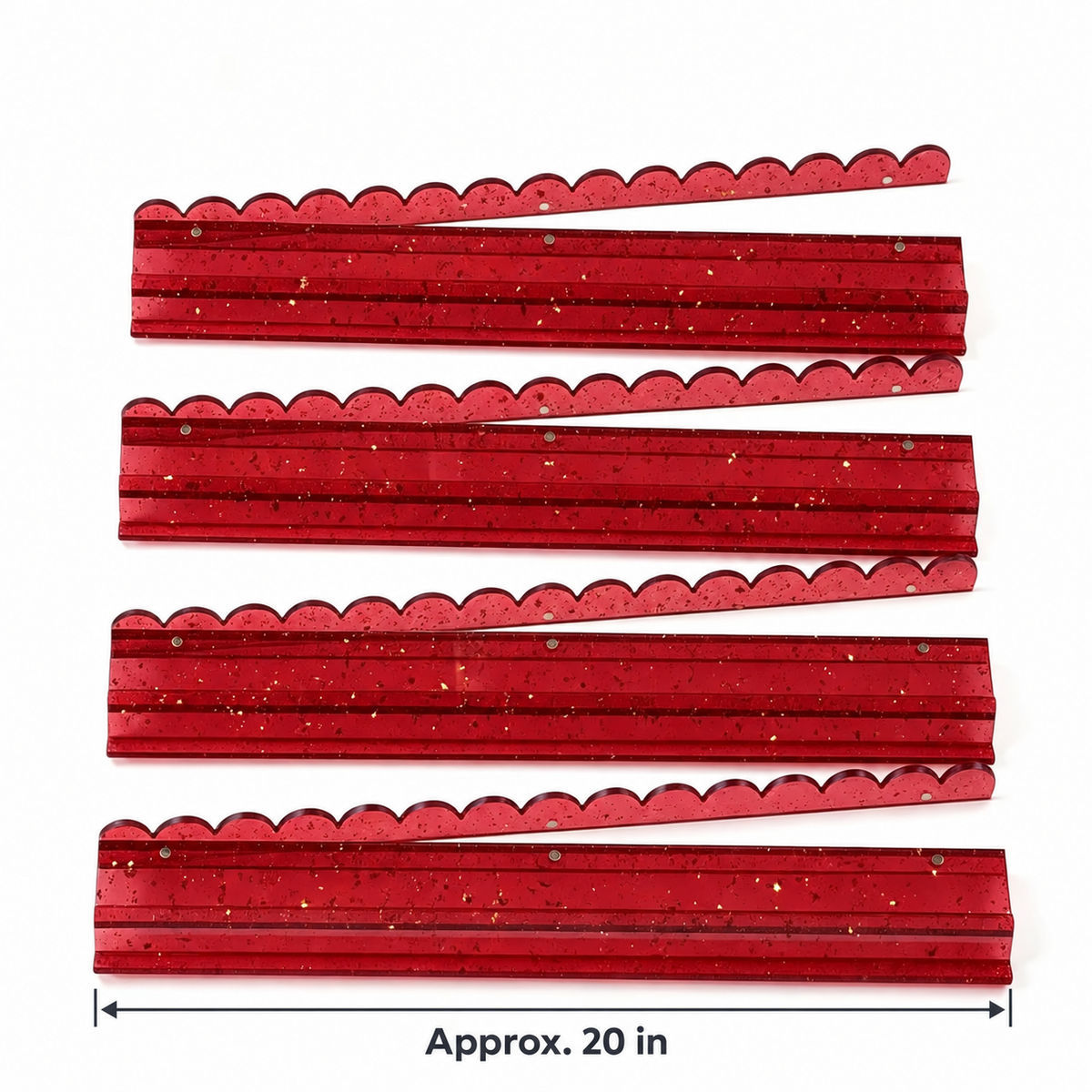
If you're joining a club that supplies tiles and mats, you need nothing the first time. Once you're a regular, most players eventually own their own set for practice and home games. A best-selling mahjong set includes 152 playing tiles (Bams, Craks, Dots, Winds, Dragons, Flowers, and Jokers) plus pushers for each player. A mat—whether a portable travel mat or a full-size felt playing surface—keeps tiles organized and prevents them sliding across a dining table; it's optional for casual play but almost mandatory once you host games. Racks with pushers make tile display cleaner and faster, especially at competitive tables. A travel bag or case protects your set if you're moving between club locations or carrying it to someone's home. A current year's National Mah Jongg League card costs a few dollars and is non-negotiable—every hand you play must come from that year's published card. Boise clubs almost always have spare cards; borrow one until you decide to stay active. Dice (two, usually included with sets) randomize seating and determine the opening dealer. Snacks and a small amount of cash for any light buy-in are practical.
Item | Who It's For | Why It Works |
Standard 152-tile set | Any player serious about home practice | Matches exact club standard; lets you drill hands at your pace |
Portable mat | Players rotating between venues | Keeps tiles clean, organized, and prevents wear on furniture |
Racks with pushers | Regular or competitive players | Speeds up play, reduces tile-arranging time, and looks professional |
Travel case or bag | Anyone commuting to games | Protects tiles from damage and keeps everything together |
Engraved or personalized set | Gift-givers, long-term players | Makes a set feel special and is easier to spot during multi-table events |
League card (current year) | Every player at every table | Non-negotiable; every hand must come from this year's published patterns |

How do Boise's game styles differ?
Most American mahjong groups follow the National Mah Jongg League standard, meaning hands come only from the current year's card, play includes the Charleston (the tile pass before each hand), and exposed melds are pungs (3 identical tiles), kongs (4 identical), or longer runs of identical tiles—never sequences like 1-2-3. Some clubs lean competitive and play with scoring sheets and cash stakes (small, friendly amounts); others are purely social. Rarer variant games—Chinese classical, Riichi, or Hong Kong—sometimes pop up in larger Boise groups; ask when you call ahead if you're interested in a specific style. Most beginner groups stick to American for consistency. You'll notice differences in house rules (whether a player can call a tile mid-hand, who pays whom for errors, what "eating" or going out early means); the host group will explain theirs. One unique aspect of Boise's smaller, friendlier clubs is that they often pause games to teach newcomers mid-hand rather than asking them to sit out—that's a real advantage for learning fast. Understanding the Charleston and how jokers work beforehand speeds up your first few hands noticeably.
✨ Find your Mahstead set — free US shipping →
How do you move from club to hosting your own games?
Once you've played a few times and own a set, hosting at home is the natural next step—and many Boise players prefer it for convenience and privacy. Invite four players (the standard), clear a dining or game table, and set out a mat (strongly recommended to protect your furniture and organize tiles). Choosing the right mat matters; a good felt mat lasts years and makes play faster and cleaner. Set out your tiles, racks, dice, and the current year's League card, and follow the same opening ritual as your club: deal seats, deal tiles, run the Charleston. Keep a score sheet handy (scorekeeping is straightforward once you know the hand values). Provide water and light snacks. Most home games run 2–3 hours; experienced players often play longer. Hosting also teaches you the game faster because you're watching every hand and catching errors immediately. After two or three home games, you'll notice your speed and confidence jump significantly. Boise's community vibe means that hosting even one monthly game often leads to invitations to other players' homes and deeper friendships—the social side of mahjong is often as rewarding as the game itself.
Before You Buy a Set: A Quick Checklist
Are you joining a club first, or starting at home? If joining a club, borrow or use club tiles for your first 3–4 sessions. Buying your own set makes sense once you know you'll play regularly.
Do you have a dedicated play surface at home? A table or mat is essential; a mat protects furniture and keeps tiles organized during play and between hands.
Will you be traveling with your set? If yes, a durable travel bag prevents tiles from scattering or cracking in a car.
Do you want a standard or personalized set?Engraved sets make great gifts and are easier to spot at multi-table events; standard sets are simpler and just as playable.
Have you checked whether your local club provides racks? Racks speed up play but aren't essential for home games. Try before buying.

FAQ
Do I need to be a member of a club to play in Boise?
No. Most Boise community-hosted games welcome drop-ins; check Meetup.com or call your local recreation center. Some private groups or country clubs require membership, but public games and library groups are open.
What if I've never played mahjong before?
Perfect. Most Boise groups include beginners and teach as you play. Arrive early, tell the host you're new, and expect to lose your first few hands—everyone does. Many groups pause to explain calls and scoring mid-game.
How much does it cost to play at a Boise club?
Social games are free or require a small voluntary buy-in (a few dollars per hand, split among winners). Call ahead to ask the specific group's format. No club charges an entry or membership fee for casual drop-ins.
What's the best set to buy if I'm a complete beginner?
Start with a best-selling standard set—it has all 152 tiles you'll ever need and matches what clubs use. You can upgrade to racks, a mat, or a personalized set later once you know your play style.
Should I buy the set before or after my first game?
After. Play with a club's tiles 2–3 times so you're sure you'll stay active. Once you're hooked, buy your own set; it's an investment you'll use for years.
Can I play with fewer than four people?
Yes, but rules change for 2 and 3 players. Ask your Boise group if they run variant games; most stick to four-player American. Our guide to 2 and 3 player rules covers it fully if you're curious.


View More
View More
View More
