
Mardi Gras Mahjong Party Ideas: Themed Sets & Host Tips
Last updated: Nov 23, 2026
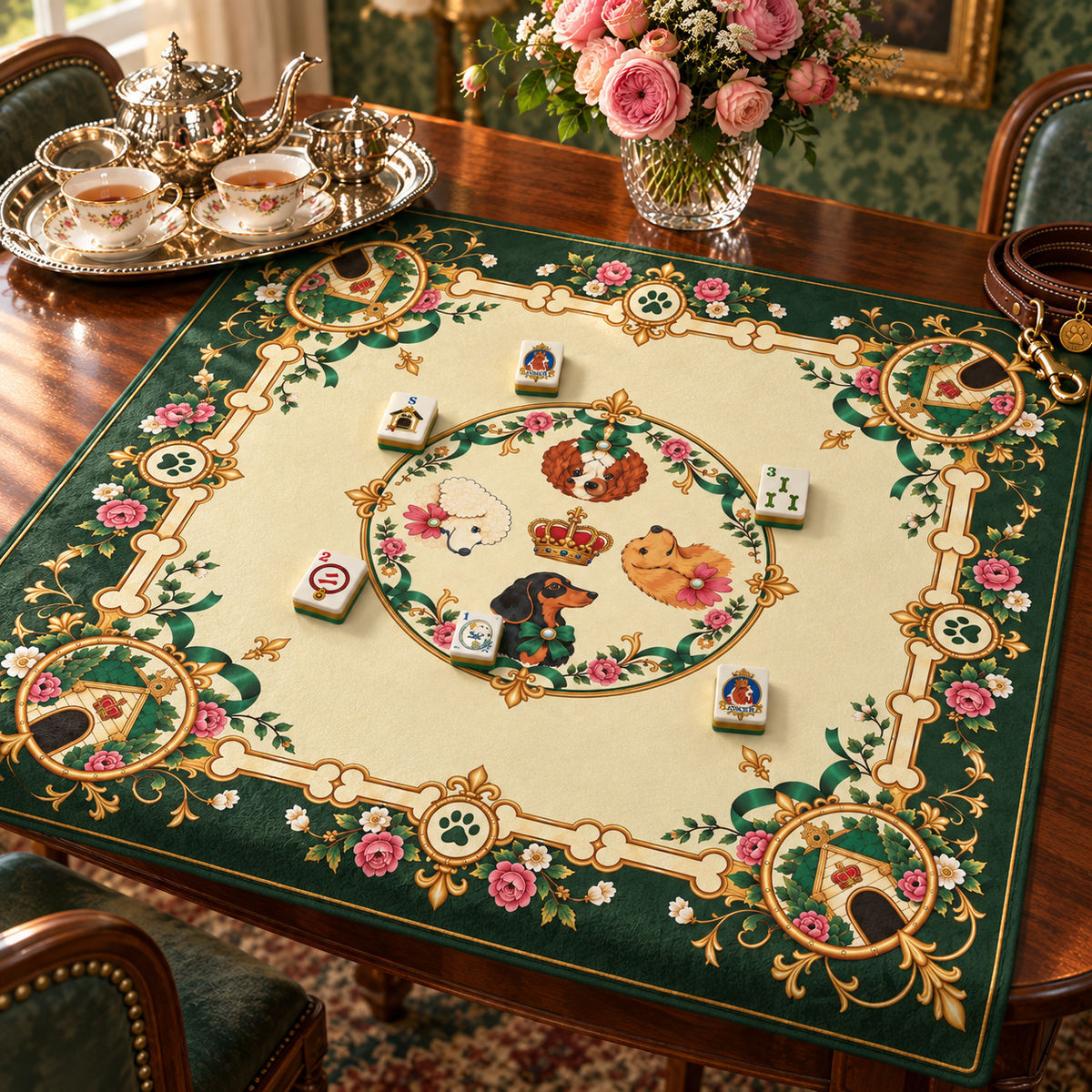
A Mardi Gras mahjong party combines the luck and skill of American mahjong with Carnival atmosphere—think purple, green, and gold accents, beads as prizes, and masked players. Host a game night using standard 160-tile American sets with themed mats, racks, and decorative bags to set the mood. Plan for 2–4 hours depending on how many rounds you play; typically four players at one table, though you can run multiple tables. The core costs depend on your setup: a quality best-selling mahjong set forms the foundation, with mats, bags, and snacks adding to the experience. Avoid cramped seating, poor lighting, and unclear house rules—have the current National Mah Jongg League card printed and visible. Mahstead carries engraved and personalized sets that make perfect party favors or keepsakes for your Carnival-themed night.
How do I pick the right tiles for a Mardi Gras theme?
Standard American mahjong uses 152 playing tiles—no variant needed for a Mardi Gras party. The theme comes from the presentation, not the game itself. You have two routes: buy an existing set in festive colors (purples, golds, greens) or go minimal and layer décor around neutral tiles. Engraved American mahjong sets let you add custom text like "Mardi Gras 2026" or player names; these double as gifts guests take home. Acrylic tiles are durable for party rotation and easier to wipe clean than bamboo. Choose a set with pushers and racks included so setup is instant—no hunting for second-hand pieces mid-party.
What table setup makes a Mardi Gras game feel special?
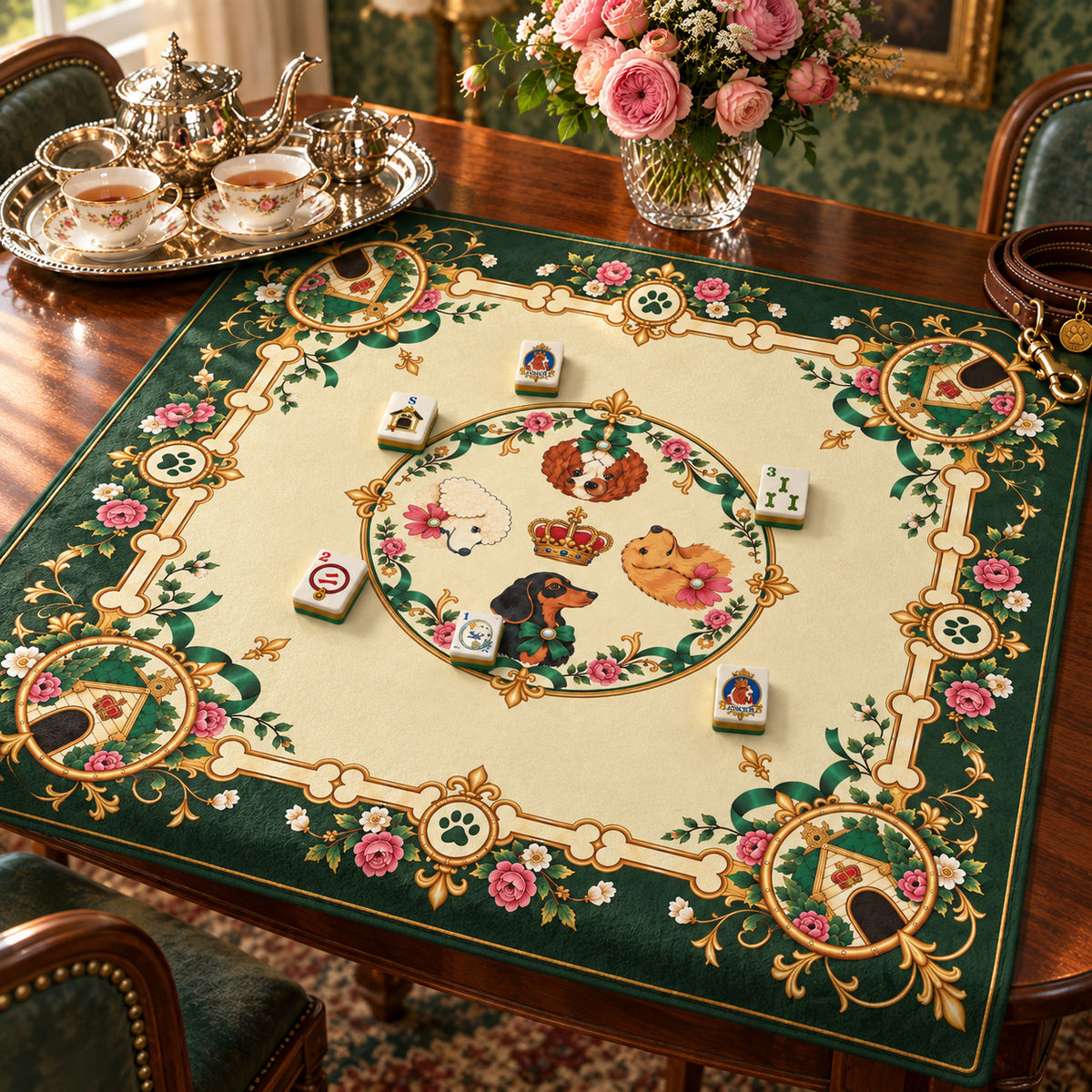
Your playing surface matters more than you'd think. A quality mahjong mat defines the table's character and keeps tiles from sliding when drinks are nearby. Standard mats are felted on top, with marked zones for each player and a center "Dead" wall. For Mardi Gras, choose a mat in jewel tones or look for designs with metallic accents if available. Layer a runner or colored cloth underneath for extra visual pop. Set the National Mah Jongg League card in a card holder at the table's center—it's not decoration, it's law. Add battery-operated uplighting (purple or green) around the mat's perimeter if you're hosting at evening time. Seat players around the mat with racks and pushers so their tiles stay upright and hands are visible—this prevents cheating accusations and keeps the game flowing.
How should I organize food, drinks, and party flow?
Mahjong nights and Mardi Gras both run long. Plan for 2–3 hours minimum; four players typically complete 4–8 hands in that window depending on speed. Set up a separate snack table with king cake (the Mardi Gras essential), beignets, and finger foods that don't stain tiles. Use coasters religiously—a spilled daiquiri ends a set fast. Offer non-alcoholic options; mahjong requires mental sharpness and good faith. Brief rules before the first hand: how you score, whether bonus rounds count, which hands are off-limits for beginners. Many hosts use printed score sheets clipped to clipboards. Assign a "card reader"—someone who confirms each winning hand against the league card. Rotate this role each round so no one feels they're always watching.
Party Element | Mardi Gras Touch | Practical Tip | Why It Works |
Tiles | Jewel-tone set or engraved customization | Buy a complete set with racks included | No setup delays, guests feel celebrated |
Mat | Felted surface in purple, green, or gold | Wipe-down mats resist spills | Protects table, improves hand comfort |
Seating | Mask props or beaded necklaces per player | Place name cards before guests arrive | Reduces friction, speeds game start |
Scoring | Printed sheets with Mardi Gras header graphic | Use a tablet app or pen-and-paper tally | Clear accounting, no disputes |
Prizes | Beads, small bottles of hot sauce, king cake | Award by hand (not money) | Keeps mood light, memorable keepsakes |

What hand types should I feature to keep beginners confident?
American mahjong hands are only from that year's National Mah Jongg League card—no improvisation allowed. The card lists hundreds of winning patterns, organized by section. For a mixed-skill party, steer toward simpler hands in the card's early sections: all Pung hands (three identical tiles in each group), or hands with one or two Kongs (four identical). Avoid early hands with joker-heavy requirements until players are warm. Explain how jokers work upfront: jokers are wildcards but can't fill a pair, and you can't use them in a single tile. This trips up newcomers. Print a one-page cheat sheet showing three example hands and label them "Easy," "Medium," "Expert"—let players self-select difficulty. New players often misread the card; have the designated card reader confirm every call before accepting a win. This saves embarrassment and keeps the table social rather than adversarial.
How do I pack and ship thank-you sets if guests want to replay at home?
If you gift your guests a mahjong set in a travel bag, packaging matters for first impressions. Mahstead ships sets with tiles sorted in compartmented racks already in place—no assembly on the recipient's end. A quality bag keeps tiles dust-free and makes transport easy. If you're mailing thank-you sets yourself, use a small mahjong travel bag inside a padded box; standard USPS or UPS shipping takes 3–7 business days domestically. Include a card with the current year's National Mah Jongg League card or a QR link to the official league site so guests can play legally. If budget is tight, a personalized scorepad and a link to a free league card PDF is a gracious, cost-light option. Many guests simply ask where to buy their own set after they've played—our best-selling collection is a natural recommendation.
🀄 Shop best-selling mahjong sets →
What to check before you buy
Player count: 4 players is standard; if hosting 5–8 people, plan two simultaneous tables and a third set on standby.
Tile material: Acrylic cleans easily and withstands party rotation; bamboo is prettier but higher-maintenance.
Card access: Print or have a digital copy of the current-year National Mah Jongg League card visible. Expired cards invalidate hands.
Lighting: Ensure the table has overhead or ambient light. Dark rooms make tile reading frustrating and slow play.
Space per player: Allow at least 24 inches of table width per seat so racks don't touch. Cramped tables breed errors and tension.
Scorekeeper role: Assign one person to tally points—don't let it drift. Disputes kill mood.
House rules: Decide upfront whether you're allowing "dead" hands, fast passes, or time limits per hand. Write them on a card taped to the table.
🎁 See our most-loved mahjong sets & accessories →
A Mardi Gras mahjong night succeeds when the tiles, the table, and the people are all in sync. The game itself never changes, but your setup—themed mats, quality racks with pushers, and a personalized set—transforms a regular game into a celebration. Most hosts find that once they've hosted one Carnival-season game, guests ask to repeat it every year. Start with one complete, well-made set, add festive décor and a printed league card, and let the tradition grow from there.
✨ Find your Mahstead set — free US shipping →

FAQ
Do I need to buy a special "Mardi Gras" mahjong set?
No. Standard American mahjong tiles work for any party theme. What matters is the table décor—mat color, lighting, and surrounding centerpieces. If you want personalized text or team colors on your tiles, engraved sets add a custom touch, but they're optional.
Can I play American mahjong with fewer than four players?
Yes, but rules change. Two- and three-player variants adjust hand payouts and tile draws. For a party atmosphere, four players at one table is easiest. If you have more guests, run multiple tables simultaneously.
What if someone doesn't know how to play?
Teach them before the first hand starts—set aside 15 minutes. Show them the current league card, walk through three sample hands, and explain how jokers work. Most newcomers are ready after one full practice round. Assign a friendly veteran to sit across from them their first two hands.
Do I need a special mat for a Mardi Gras party?
Standard mahjong mats work perfectly. Choose one with felted surface for comfort and spill-resistance, then layer it with coordinating table runners or cloth for visual flair. The mat itself doesn't need to be Mardi Gras–branded.
How many hands should we play in a single night?
Plan for 4–8 hands in a 2–3 hour window, depending on player speed. Fast tables finish a hand in 20–30 minutes; learning groups take 45 minutes. Announce upfront how many hands you're planning so guests know when to expect a break or dessert.
What's the easiest way to keep score?
Use a printed scoresheet with columns for each player and rows for each hand. Assign one person to track wins and final totals. Avoid mental math mid-party—it slows play and invites disputes. Post the running score on a board so everyone stays invested.


View More
View More
View More
