
Mahjong Classes for Beginners in St. Louis: Where to Learn & What to Know
Last updated: Nov 23, 2026
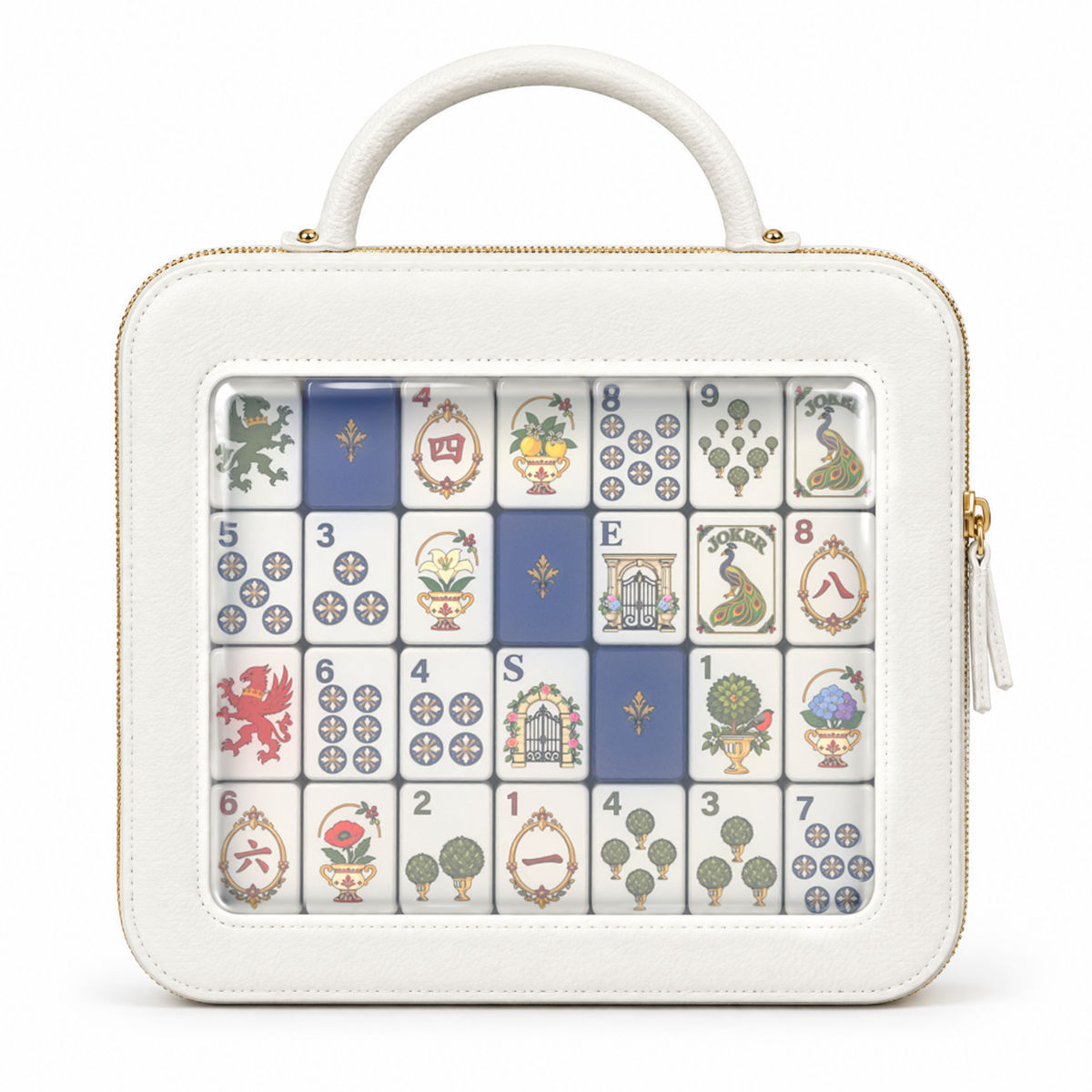
St. Louis beginners can find mahjong classes through community centers, libraries, synagogues, and country clubs—check their websites or call ahead to confirm current schedules and skill levels. Most beginner classes meet weekly for 2–3 hours and cost anywhere from drop-in fees to modest monthly rates; ask directly since pricing varies. You'll learn the hand patterns from the National Mah Jongg League card, the tile-passing ritual called the Charleston, and how to recognize the 152-tile layout (108 suited tiles, 16 winds, 12 dragons, 8 flowers, 8 jokers). Before your first class, grab a best-selling mahjong set or borrow one to practice at home—most instructors expect you to know basic mechanics by week two. Avoid thinking chows (1-2-3 sequences) exist in American mahjong; they don't. The game uses only pungs (3 identical), kongs (4 identical), quints (5), and sextets (6).
Where do most St. Louis beginners actually start?
Community centers and public libraries across the St. Louis area regularly host beginner mahjong circles. Check the websites for parks and recreation departments in your suburb—Clayton, Webster Groves, Kirkwood, and University City often list scheduled sessions. Synagogues, Jewish community centers, and country clubs also host weekly games; call ahead to confirm they accept total newcomers and aren't already four-deep with regulars. Meetup boards and Facebook community groups sometimes advertise open tables, though quality varies. The advantage of an organized class is a consistent teacher, a defined curriculum (usually four to eight weeks), and a peer cohort at your level. An informal group is friendlier and more forgiving, but you'll pick up habits—both good and bad—from whoever sits across from you. Most beginner programs teach American mahjong exclusively; confirm before you sign up if that's what you want.

What should you expect in your first lesson?
Your instructor will spend the first session showing you the 160-tile set, the four suits (Bams, Craks, Dots, and winds/dragons/flowers), and how to hold your hand so others can't see your tiles. You'll learn the Charleston—the tile-passing ritual that begins every game—and the basic rhythm: draw, discard, wait for someone to call. Early lessons focus on reading the National Mah Jongg League card (issued yearly), spotting hand patterns, and understanding why jokers are so powerful but come with rules. Most classes practice two to four games per session so you see the flow without pressure. Bring a pen, paper, and a willingness to lose; no one plays perfectly at first. Some instructors provide sets; others expect you to bring your own or share with a partner.
How do you recognize a good beginner group?
Indicator | Good Sign | Red Flag |
Pace | Explains each hand; pauses for questions | Rushes; assumes prior knowledge |
Card use | Everyone has current year's NMJL card | Uses outdated card or none at all |
Scoring | Writes down scores; checks for errors | Vague about points; corrects mid-game |
Tone | Welcomes mistakes; jokes about bad draws | Dismisses beginner questions; competitive |
Instruction | Shows why a hand works or fails | Just says "that's illegal" without teaching |
Table rules | Clear house rules announced upfront | Rules improvised, change mid-game |
A good group explains why a hand fails (e.g., "that joker breaks the rule here") instead of just saying no. They have copies of the current-year card for everyone. They laugh at themselves and celebrate small wins. If someone plays a move, the instructor walks the table through why it's legal or not—teaching, not scolding. Skip groups where regulars dominate the talk or where the instructor seems impatient with basics.
What do you need to bring or have at home?
Before your first class, own or borrow a best-selling mahjong set so you can practice the Charleston, build a simple pung (three identical tiles), and get used to holding tiles. You'll practice faster if your home set matches what the class uses (American 152-tile layout—check the class description to confirm). Many players also grab a mahjong mat at home so you learn on a real surface; practice tables are often cramped or sticky, and a mat teaches you tile placement discipline. A notepad or small tablet to jot hand patterns helps—write down what worked, what didn't, and questions for the instructor. Bring a small water bottle and snacks; classes run two to three hours. Don't buy a rack with pushers until week three or four; learn how to hold tiles first.

How do you avoid common beginner mistakes before week one?
The biggest mistake is thinking American mahjong has chows—sequences like 1-2-3. It doesn't. Every group you call must be three or more identical tiles (pung/kong) or a special pair. Second: don't assume you need a huge, fancy set yet. A standard American set is all you need. Third: read one summary of how to play American mahjong before you walk in; don't show up completely cold. Fourth: ask about house rules—some groups let you "pass" during the Charleston; others don't. Some count jokers differently. Confirm the class uses the current-year NMJL card; old cards are useless. Finally, don't stress about winning. Beginners lose for months. The first win feels earned and tastes better because of it.
🀄 Shop best-selling mahjong sets →
What does "legal" vs. "illegal" actually mean in a hand?
A hand is legal when every tile follows the NMJL card for that year and matches the pattern you've called. If you call a hand, you must be able to lay all 14 tiles (usually: a pair + four groups of three or more identical tiles) in a configuration the card allows. A joker can stand in for a number tile in a pung, kong, quint, or sextet—but never as part of a single tile, never as a pair by itself, and never if the hand requires a specific tile value in that spot. Illegal hands cost you points, so instructors will check your layout before you win. The best way to avoid mistakes is to learn the card layout early: every card is divided into sections by number (1-9 for each suit) and by type (pairs, pungs, kongs, quints, sextets, mixed groups). Once you see the pattern, legality clicks. Your instructor will walk you through dozens of examples; don't memorize—understand the logic.
🎁 See our most-loved mahjong sets & accessories →
What to check before you commit to a class
Before you register, confirm these five points: (1) Does the class teach American mahjong, not Chinese, Hong Kong, or Riichi? (2) Is it for total beginners, not intermediate or drop-in regulars? (3) What's the time commitment—weekly, a four-week course, or ongoing? (4) Do you bring your own set or does the instructor provide one? (5) Is there a waiting list, and how do you join? Call or email directly; websites are often outdated. Ask if you can observe one session for free before you pay. Most instructors welcome observers. Find out the house rules on the Charleston (do you pass or swap?) and whether jokers can be swapped mid-game. If the group is run by a Jewish organization, all are welcome, but ask about scheduling around holidays. The St. Louis area has enough groups that you can afford to skip one that doesn't feel right and try another.
✨ Find your Mahstead set — free US shipping →

FAQ
Do I need to own a mahjong set before my first class?
Not always—many instructors provide sets or let you share. But owning one lets you practice the Charleston and hand-building at home. A best-selling set runs from basic to beautiful; buy what fits your budget and what you'll actually enjoy opening.
How long does it take to go from beginner to "I know what I'm doing"?
Most players feel comfortable by week 8–12. You'll learn to read the card by week 2, spot illegal hands by week 4, and start winning games by week 6. Muscle memory (tile placement, speed) takes a few months.
What's the difference between American and Chinese mahjong?
American uses one tile set per game (152 tiles + 8 jokers), draws from a wall, and plays only hands on the current-year NMJL card. Chinese allows chows (1-2-3 sequences), uses different hand patterns, and is often faster. Most St. Louis beginner classes teach American.
Can I learn mahjong online first?
Videos and guides teach the rules, but in-person play teaches rhythm, speed, and social flow. Many players do both: watch a tutorial, then join a class. Online alone won't teach you to handle the tile speed or read a real table.
Why is the Charleston so important?
The Charleston is the tile exchange before play—everyone passes tiles three times. It randomizes the game, teaches you how tiles feel in hand, and is a rule in American mahjong. Skip it and the whole game breaks.
Should I buy a rack and pushers before my first game?
Wait two to three weeks. Racks and pushers speed you up and hide your hand, but learning to hold tiles first builds foundation skills. Instructors often discourage early adoption so new players understand tile mechanics.
What if I mess up during my first game?
You will. Everyone does. Table will catch it, laugh, and correct you. Write down the rule so you remember it. Mistakes in beginner class cost nothing; they're teaching moments, not shame.


View More
View More
View More
