
Filipino Mahjong Tournament Rules: A Complete Guide
Last updated: Nov 23, 2026
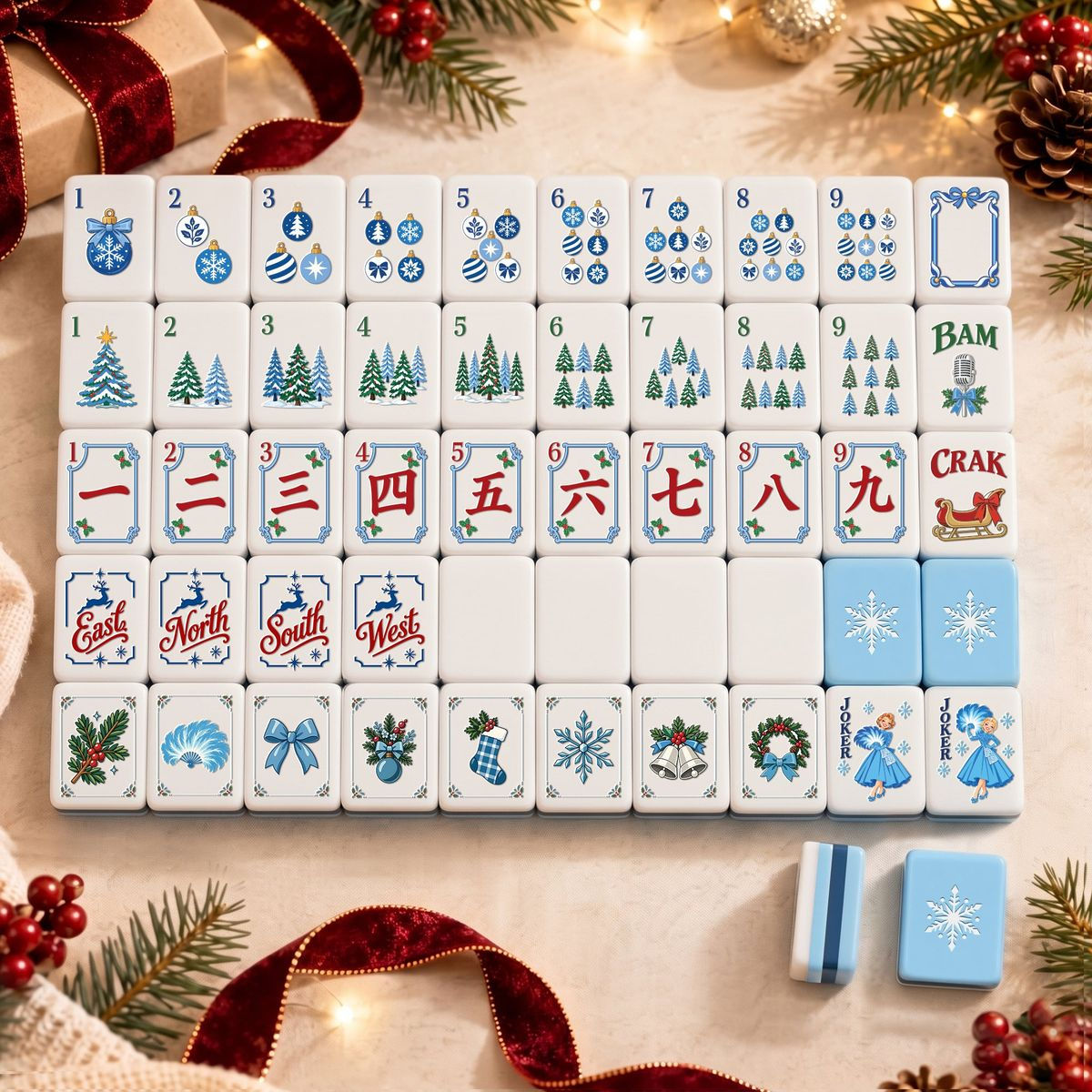
Filipino mahjong tournaments typically follow either computer-based tile-matching rules (single-player puzzle format) or traditional Hong Kong/Chinese mahjong variants adapted for group play, depending on the organizer. If you're referring to Hong Kong-style mahjong played competitively in Filipino communities, tournaments use melds (pungs, kongs, chows), no fixed hand list, joker substitution rules, and East Wind progression—vastly different from American mahjong's 152-tile sets and National Mah Jongg League card. Tournament structures vary: some are timed rounds with cumulative scoring, others use match play. Entry fees, prize pools, and duration depend on the host. Always confirm the specific ruleset with organizers before registering, since Filipino tournaments may blend house rules with regional variants. A solid best-selling mahjong set works for practice, but tournament play often requires tiles certified by the event operator.
What exactly is Filipino mahjong tournament format?
Filipino mahjong tournaments most commonly fall into two categories: digital tile-matching competitions (Mahjong Solitaire format) held online or at gaming venues, or traditional mah-jongg played in Hong Kong/Chinese rules adapted for Filipino communities. The Hong Kong variant is more common in live, in-person tournaments. Players form groups of four, draw and discard tiles from a 136-tile set (different from American's 152), and compete over multiple rounds with rankings based on cumulative points. Tournament structure varies: some run best-of-three matches, others use Swiss-system pairing across 5–8 rounds in a single day. No fixed hand card exists—players must know traditional winning combinations (like Pung-Pung, Kong-Kong, or mixed sequences). Winner determination uses a combination of hand points and table position bonuses, tracked on scoresheets or digital apps.
🀄 Shop best-selling mahjong sets →

How do Filipino mahjong rules differ from American mahjong?
This is the critical gap. American mahjong uses a printed National Mah Jongg League card issued each spring—players can only win hands listed on that year's card. Filipino (Hong Kong-style) tournaments have no fixed card: winning hands are determined by traditional combinations known by all players. American mahjong forbids sequences (chows); players can only expose pungs (3 matching), kongs (4 matching), quints (5 matching), and sextets (6 matching). Hong Kong mahjong not only allows but requires chows (three consecutive tiles: 1-2-3, 7-8-9, etc.) and pungs in most hands. American sets contain 152 playing tiles plus 8 jokers; Hong Kong uses 136 tiles and typically one or two wild tiles. Joker rules differ sharply: in American mahjong, jokers cannot fill a single tile or a pair; in Hong Kong, wilds can substitute almost anywhere. Draw-and-discard timing, tile concealment, and claiming rules also differ. If you've only played American, expect a learning curve in a Filipino tournament—study the house rules and watch a few hands first.
What are the core winning hand patterns in Filipino tournaments?
Hong Kong mahjong (the standard in Filipino tournaments) recognizes these core hand types: Pung-Pung hands (all three-of-a-kind melds plus a pair), Kong-Kong hands (four-of-a-kind melds), mixed sequences (one or two chows mixed with pungs), All Chows (three consecutive-number melds only), and All Honor (winds and dragons only). A complete winning hand always has 14 tiles: four melds of three (or one four-tile meld = two melds) plus a pair. A meld is either a pung (three identical: 5-Dot, 5-Dot, 5-Dot), a kong (four identical), or a chow (sequence: 4-Crak, 5-Crak, 6-Crak). Some tournaments score bonus points for "All Pairs," "All Kongs," or "All Terminals" (1s and 9s). The "winning tile" can come from the draw pile or from another player's discard (with specific claiming priority: pung before chow, chow before other claims). Scoring multiplies hand value by the wind position (East pays/receives double) and any special bonuses. Study your tournament's specific hand list before you play—house rules vary by region.

How is scoring calculated in a Filipino tournament?
Scoring in Hong Kong-style Filipino tournaments works as follows: each winning hand has a base point value determined by its pattern and tile composition—some hands are worth 2 points (simple chow/pung mix), others 8 or more (All Kongs, All Terminals, rare combos). The total hand value is then multiplied by the player's wind position: if you're East (dealer), you collect double; if you win off a discard, North/South/West each pay the base amount; if East discards, they pay double. Bonus multipliers apply for "Doubles" (two sets of identical pungs), "No Points" hands, or "Self-drawn" wins (draw your own winning tile). At the end of each round, cumulative scores are recorded. Tournament winners are determined by highest total after all rounds (usually 4–8 rounds per day). Some tournaments use "Settlement" scoring (losers pay winners directly) rather than house-collected pools. Always ask organizers for a written score example before play starts—regional variants can shift point values by 30–50%, and a mistake on Day 1 throws off your entire standing.
Scoring Element | Hong Kong Mahjong | Why It Matters in Tournaments |
Base hand value | 2–16+ points | Rarer/harder hands earn more |
Wind multiplier | East = ×2; others = ×1 | Dealer's position carries risk and reward |
Discard vs. self-draw | Self-draw pays full value; discard = half | Affects settlement calculations |
Bonus multipliers | Kong, all-pair, all-terminal | Can double or triple final payout |
Settlement model | Losers pay winners or house pool | Affects your cash flow and risk |
What should you know before entering a Filipino tournament?
Before you register, confirm: (1) Exact ruleset—ask organizers for a written one-page rulebook or reference link, especially wind-change rules (do they rotate East each round or stay fixed?), discard claim priority, and valid winning hands. (2) Tournament structure—how many rounds, timed play or round-robin, and whether you can withdraw. (3) Tile requirements—some tournaments provide tiles; others require players to bring their own set (usually a standard 136-tile Hong Kong set, not American). (4) Scoring model—will you settle each round, or is there a house pool? Ask for an example hand calculation. (5) Entry fee and prize breakdown—what percentage of fees go to prizes vs. hosting/venue costs? (6) House rules on disputes—how are misdeals, claim conflicts, or rule questions resolved? If you're new, arrive early, watch a round, and ask another player to sit nearby and coach you quietly. Do not play for money in your first tournament; play to learn the pattern. Practice with a best-selling mahjong set and a study group beforehand, or watch recorded Hong Kong mahjong games online to familiarize yourself with claim announcements and tile-calling rhythm.
🎁 See our most-loved mahjong sets & accessories →
What tiles and equipment do Filipino tournaments require?
Most Filipino tournaments—especially in the Philippines and Southeast Asian diaspora communities—use a 136-tile Hong Kong set (34 tiles × 4 copies: Bam 1–9, Crak 1–9, Dot 1–9 = 27 tiles; plus 7 wind tiles × 4 = 28 tiles; plus 3 dragon tiles × 4 = 12 tiles; plus 8 flower/season tiles = 136 total). Some tournaments allow or provide one or two wild tiles as substitutes. This is not the same as an American 152-tile set, which includes extra dragons and jokers. If you're hosting or competing in a Filipino tournament and you own only an American set, you cannot use it directly—the tile count and composition don't match. However, if you're learning or practicing at home before your tournament, an American set teaches you hand recognition and discard strategy, though hand patterns differ. Check with the tournament organizer about whether they provide tiles or expect you to bring your own. Many venues supply their own certified sets. Bring a notebook and pen for score-keeping, even if the organizer has a digital system—backup records prevent disputes.
✨ Find your Mahstead set — free US shipping →
What to check before you buy or bring a set
Confirm the tournament uses 136 tiles, not 152. American and Hong Kong sets are incompatible.
Verify if the organizer supplies tiles or you must bring your own. Many tournaments own certified sets; check first.
If you're practicing at home, an American set works for learning patterns, but study actual Hong Kong hands too.
Check tile visibility in low light. Filipino tournaments often run long; you'll read tiles from across a table.
Ensure jokers/wilds are marked clearly if your tournament permits them. Ambiguity causes disputes.

FAQ
Can I use an American mahjong set in a Filipino tournament?
No. American sets have 152 tiles with a different composition (extra dragons, jokers). Filipino tournaments use 136-tile Hong Kong sets. Always confirm the exact tile count and breakdown with organizers before you bring a set to play.
What does "East Wind" mean in Filipino mahjong scoring?
East is the dealer position. In Hong Kong mahjong, the East player collects double points when they win and pays double when they lose. East usually rotates each round (unless house rules fix it), which changes the financial stakes for each player.
How long does a Filipino mahjong tournament typically last?
Most tournaments run 4–8 rounds (usually 6) in a single day. Each round takes 20–45 minutes depending on skill level and whether players self-select pace. A full tournament with breaks typically lasts 6–8 hours. Check the organizer's posted schedule.
What's the difference between "winning off a discard" and "self-drawn" in Filipino tournaments?
If you draw the winning tile yourself, you collect full points from all three players. If you win off another player's discard, that player pays the full amount, but the other two may pay reduced amounts (depends on house rules—always ask). Self-drawn typically pays more.
Are there house rules I should watch out for in Filipino tournaments?
Yes. Each venue or tournament organizer may modify wind-change frequency, valid hand types, bonus multipliers, or settlement timing. Ask for a one-page rulebook or watch a practice round before you buy in. Never assume the rules are the same as your last tournament.


View More
View More
View More
