
Cocktail Mahjong Party Food: Hosting Guide & Setup Tips
Last updated: Nov 23, 2026
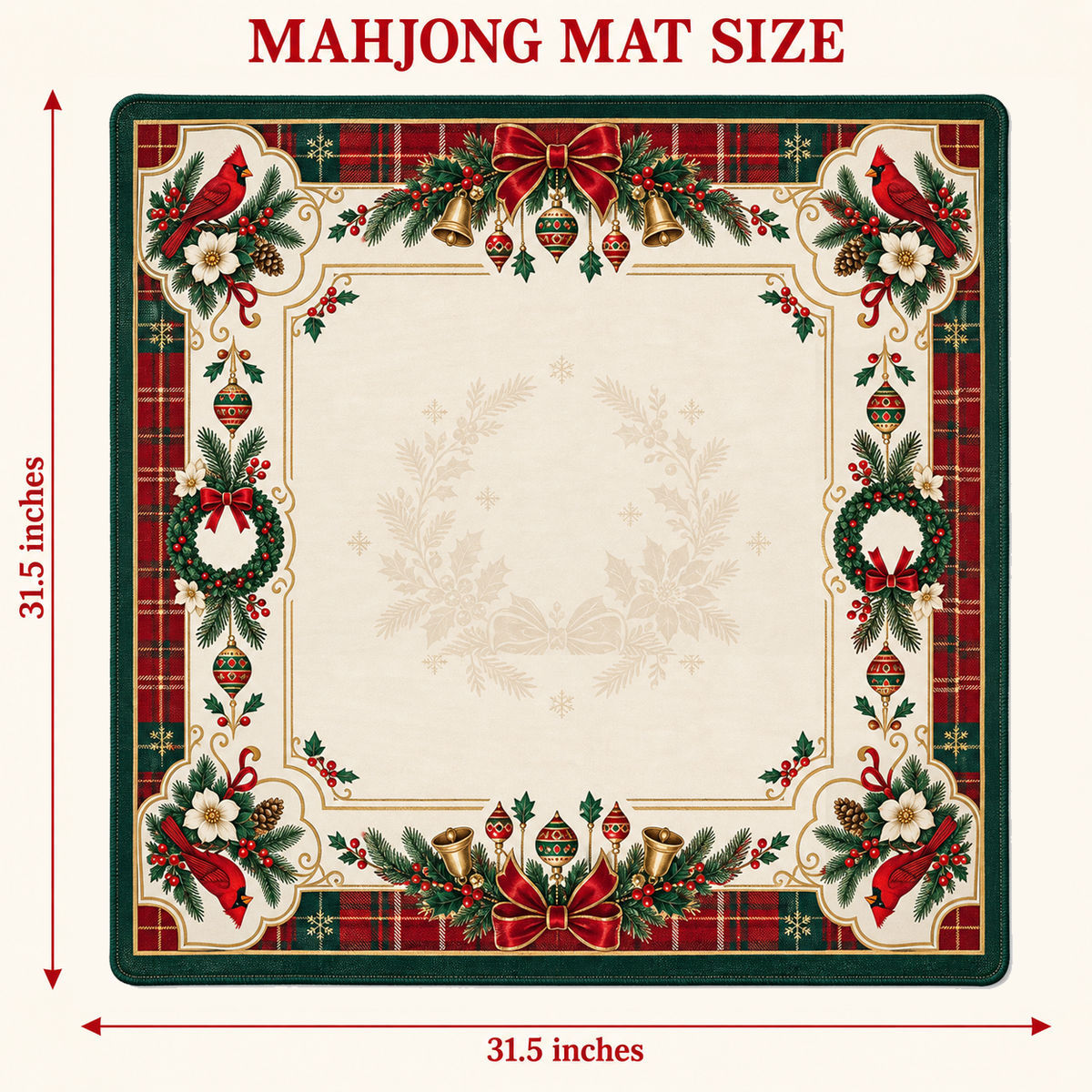
A cocktail mahjong party works best when food, drink, and play zones stay clearly separate. We've hosted hundreds of game nights and learned that the best parties combine excellent snacks with smart table layout. The key is planning what to serve, where to serve it, and when to serve it—so nobody's juggling tiles with sticky fingers.
What foods actually work at the mahjong table?
The rule is simple: serve foods you can eat with one hand, cleanly, without grease transfer. Nuts, olives, aged cheese cubes, prosciutto, salami, dried apricots, almonds, and roasted chickpeas are all winners—they satisfy hunger without creating hand mess. Pastries (biscotti, shortbread, madeleines) work if they're not buttery enough to smudge. Chocolate is fine if you can eat it in two bites. Avoid pizza, fried foods, hummus, spreads, and anything requiring both hands or a utensil. We've seen a single greasy finger destroy a 160-tile set's finish in seconds. Pro tip: arrange snacks on a side table or cart you can wheeled away between hands, so guests aren't picking and playing simultaneously.
How should you set up the drink station?
Separate drinks from tiles by at least two feet. Use a side table, bar cart, or console behind the main play area. Offer water (essential for thirst and hand-rinsing), wine, beer, spirits for cocktails, and a non-alcoholic option. Provide coasters and enforce a "no glass on the mahjong table" rule with quiet firmness. A small hand-wash station—warm water, soap, paper towels—placed near the drink area cuts accidental tile soiling by 80%. Red wine, coffee, and dark cocktails stain tiles permanently, so vigilance matters. Some hosts serve one strong cocktail as guests arrive, then switch to wine or non-alcoholic drinks for the games; this keeps judgment sharp and hands steadier.
When should you serve food during play?
Timing prevents distraction and tile damage. Serve light snacks (nuts, cheese, a pastry) as players arrive—during the Charleston and first hand of the evening. Then remove everything for two to three hands of focused play. Reintroduce snacks at the natural break (after the first game or 90 minutes), when scores are tallied and energy dips. This rhythm keeps play clean and lets guests enjoy both food and tiles. Heavy snacks or a full charcuterie board mid-game causes fumbling and accidents. Plan a 10-minute break every 90–120 minutes; this is when guests stand, eat, refill drinks, and relax their eyes. On a four-hour hosting window, expect two breaks and three or four game cycles.
Service Timing | What to Serve | Setup | Why It Works |
Guests arriving (15 min) | Nuts, cheese, one pastry | Side table, coasters ready | Low stakes, guests settle in |
First 3 hands (60 min) | Remove all food | Only water at table edge | Focus on play, clean tiles |
First break (10 min) | Fruit, chocolate, more cheese | Separate station, napkins | Refuel without rush |
Next 2–3 hands (60 min) | Nothing except water | Tiles stay pristine | Deep play, no distractions |
Final break (10 min) | Any leftovers, dessert | Social time, eat away from table | Wind down, celebrate |
How do you keep the mahjong table clean during a party?
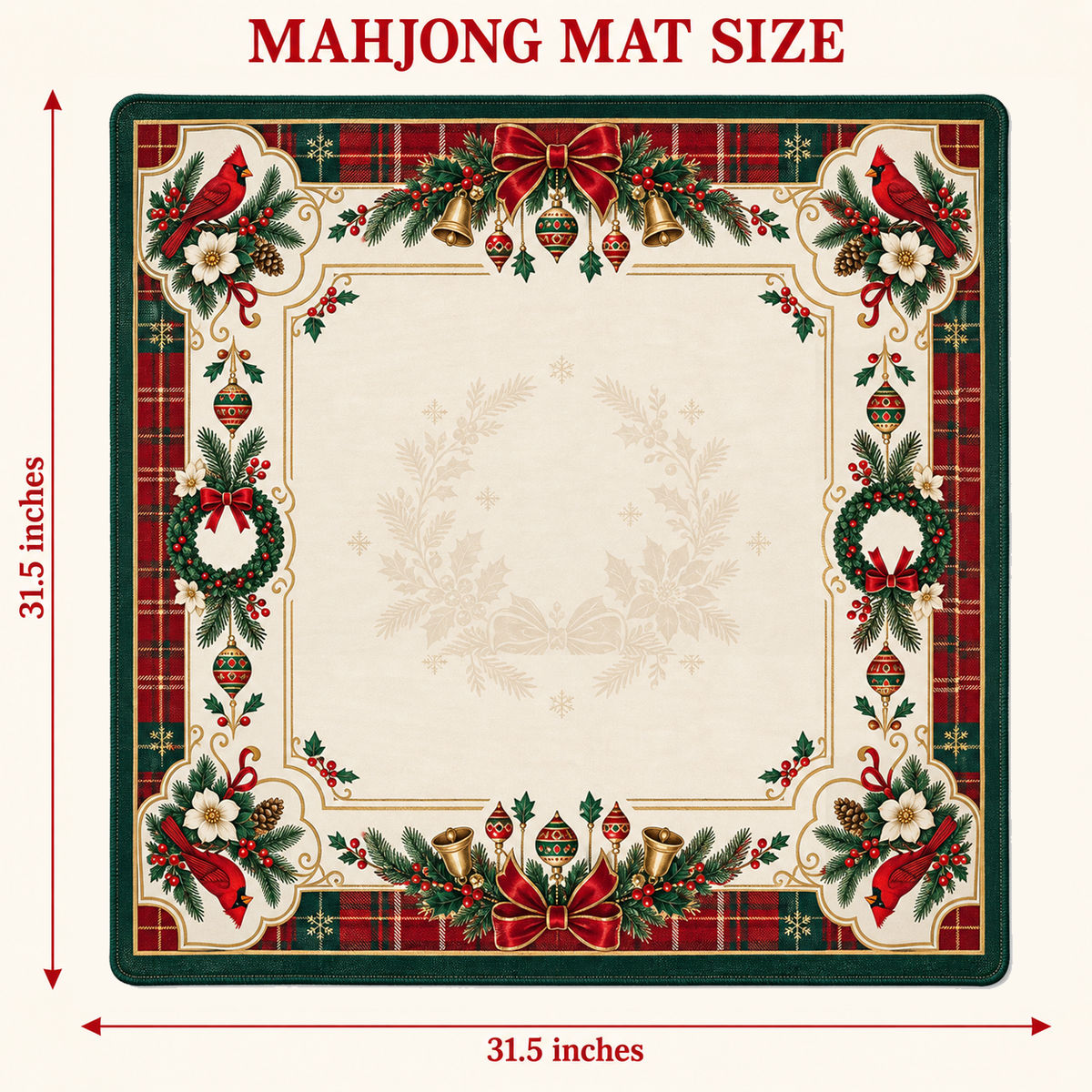
Use a high-quality mahjong mat as your boundary. A mat gives you a defined, washable play surface that signals "this zone is tile-only." Place napkin holders at each player's seat (one per corner of the table), not scattered randomly. Assign one guest as "napkin keeper" if you have eight players rotating in and out. Keep a small damp cloth folded on a nearby shelf—not visible but accessible—for quick tile wiping between hands if needed. If serving on the mat, use small plates (salad-size) and enforce the rule that plates stay on the surrounding table, never the mat. Many hosts use a separate folding table for food and drinks, positioned 18 inches away but still within reach; this creates a clear boundary without making guests feel excluded. A 120-tile rack with pushers keeps your tiles organized and visible between games, which also discourages casual snacking near them.
🀄 Shop best-selling mahjong sets →

What hosting mistakes should you avoid?
Don't place the snack and drink station on or touching the play table. Don't serve wet or room-temperature foods (sushi, raw vegetables with dip, cold pasta). Don't trust guests to police themselves—you must enforce the boundary. Don't use ornate tablecloths or fabric that stain easily if food is near. Don't serve alcohol before explaining the rules or during the first hand; people play worse and eat more carelessly. Don't assume four hours of straight play; you'll lose focus and hospitality. Don't use flimsy plates or cups; they spill. Don't leave finished tiles uncover at the end of a hand—jokers and spares can get mixed up with snack debris if you're not watching. Finally, don't feel obligated to provide hot food; cheese, charcuterie, bread, olives, and chocolate are classy and practical. If you do offer something warm (soup in mugs, pizza rolls), serve it at the break, away from tiles, and let guests finish before returning to play.
🎁 See our most-loved mahjong sets & accessories →
How many guests should you invite for a cocktail mahjong party?
Four is the standard—one per wind. Eight lets you rotate games with two tables or run a tournament bracket. Beyond eight, you'll need a second mahjong set and a reliable rotation system so nobody waits more than two hands. For food and drink, calculate one appetizer per person per hand (so four snacks per player for a 90-minute session), plus one liter of liquid per two guests for a four-hour party. A mixed crowd of four to six works best for cocktail-style hosting—larger groups need structure and a clearer schedule. If you're hosting eight, consider assigning a co-host or scorekeeper to manage breaks and enforce the food boundary; solo hosting eight is doable but stressful. Most successful cocktail mahjong parties run four to six guests, four hours, two games, one break.
What equipment makes hosting easier?
A dedicated mahjong mat protects your table and defines the play zone visually. Tile racks with pushers keep your set organized and signal that the game is underway—guests see professional setup and eat more carefully. A travel bag or case lets you store the set out of sight during food service, then bring it out cleanly; this reduces the temptation to snack near tiles. Quality coasters (wood, cork, or slate—nothing plastic that slides) are non-negotiable if wine is involved. Cloth napkins, small plates, and real glasses or mugs feel more intentional than paper and plastic, and they make guests treat the space with more respect. A side table or cart gives you a staging area that doesn't take up main table real estate. None of this is expensive—a good mat, a set of nice napkins, coasters, and a small folding table are one-time investments that transform the experience.
✨ Find your Mahstead set — free US shipping →
What to check before you buy hosting gear
Mahjong mat: Measure your table first. If you host at home on a standard 48-inch round or 60-inch rectangular table, check the mat dimensions before ordering. Machine-washable mats are easier to maintain after repeated parties. Dark or patterned surfaces show tile wear less than light solid colors, so if you host frequently, a burgundy, forest green, or patterned mat is more practical than cream.
Racks: Some guests prefer playing without racks (they like holding tiles). Before buying, ask your regular group. If you do buy racks, test them with your own hands; a good rack should let you push tiles up smoothly and read them from across the table without leaning.
Tile set: A 160-tile acrylic set is more durable than bone-and-bamboo if you're hosting regularly and food is nearby. Acrylic wipes clean, is lighter to handle, and costs less to replace if an accident happens. Engraved designs (titles, honors, personal jokes) make parties memorable and give guests something to talk about—check the collection of engraved American mahjong sets.
Bag or case: A good case keeps tiles organized between parties and protects them from spills, dust, and light. Soft bags are portable; hard cases are more protective. If you host monthly, a case is worth it.

FAQ
Can I serve alcohol freely at a cocktail mahjong party?
Yes, but pace it. Serve one cocktail at arrival, then switch to wine or beer during play. A second cocktail after the first game is fine. People play better and eat more carefully when slightly under the influence rather than fully intoxicated; watch for signs of confusion or slurred scoring, and slow things down if needed.
What's the best way to handle snack debris on the mat?
Keep a dry microfiber cloth and a damp cloth folded on a nearby shelf. Between hands, wipe any crumbs from the mat immediately. If a serious spill happens (wine, juice), wipe it dry first, then wash the mat section with mild soap and water as soon as the game ends. Most modern acrylic mats are stain-resistant, but speed matters.
Should I provide a meal or just snacks?
Snacks work better for mahjong parties. A full meal requires a separate dining table and a formal break, which interrupts momentum. If you're hosting four hours or more, serve hearty snacks (good cheese, cured meats, bread, nuts) that feel substantial, plus a light sweet at the end. One dessert or sweet course after the final hand is a nice touch.
How do I enforce the no-food-on-tiles rule without being rude?
Set the expectation at the start: "We keep snacks over here so the tiles stay beautiful—grab a napkin and eat over there, then wash your hands." Say it once, warmly, and most guests will follow. If someone forgets, gently point them to the side table without comment. Lead by example: never eat or drink near the tiles yourself.
What if someone spills a drink near the mahjong set?
Don't panic. Move the set immediately to a dry surface. Blot (don't wipe) the spill with a cloth, then let the mat air-dry for 30 minutes. If liquid reached the tiles, wipe them gently with a barely damp cloth and let them dry flat. Alcohol dries quickly; water takes longer. Once everything is dry, resume play. If the damage is permanent, it's a good reason to keep a backup set on hand or a travel bag with spare jokers.


View More
View More
View More
