
Mahjong Classes for Beginners in Omaha: Where to Start
Last updated: Nov 23, 2026
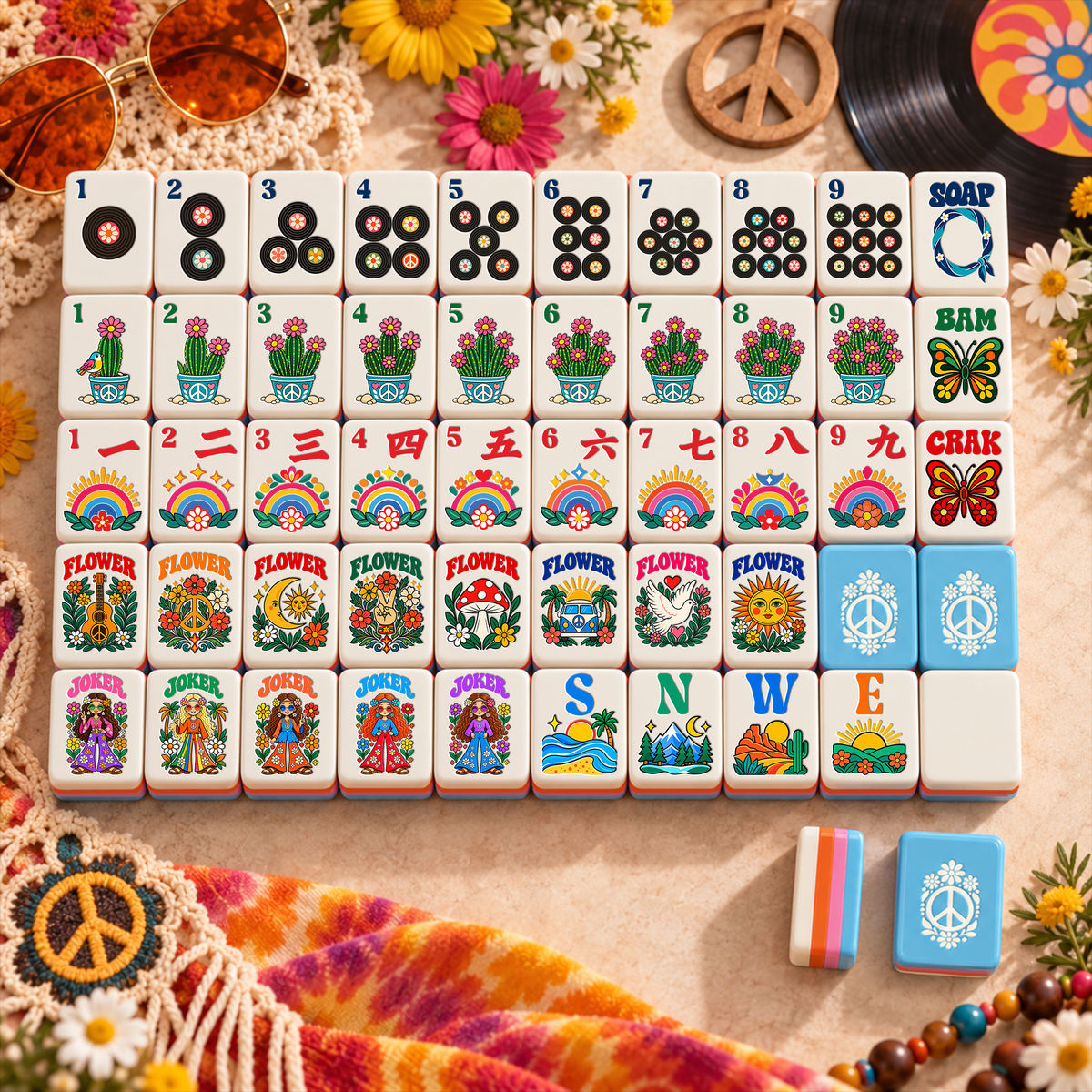
Mahjong classes for beginners in Omaha are offered through community centers, libraries, senior centers, country clubs, and informal meetup groups—search your local library's event calendar, ask at community centers about recreational programs, or check Meetup.com for mahjong game groups that welcome newcomers. Most beginner classes run 4–8 weeks and cover tile recognition, hand-reading using the National Mah Jongg League card, the Charleston (tile-passing ritual), and basic scoring; expect to learn enough to play a full game in 3–4 lessons. No prior experience is needed. Costs vary by venue but are typically modest. Our beginner guide walks you through the fundamentals so you can hit the ground running in any class, and we make best-selling sets perfect for practice at home. 🀄 Shop best-selling mahjong sets →
Where Do Omaha Beginners Actually Find Classes?
Most Omaha newcomers start at venues with recurring programs or open tables. Visit your local library or community center website—many post event calendars online. Call ahead; ask if they run mahjong lessons or host open play nights where newcomers are welcome. Country clubs and senior centers often have active mahjong groups. Check Meetup.com and Facebook groups for "Omaha mahjong" or "Omaha mah jongg"—some groups pair teaching with regular play. Word-of-mouth through friends already playing is gold; ask around at social clubs or faith communities.

What Will Your First Lesson Actually Cover?
A solid beginner lesson starts with tile anatomy: the three suits (Bams, Craks, Dots numbered 1–9), winds, dragons, and flowers. Instructors then teach hand-reading—how to match tile combinations to patterns on the current year's National Mah Jongg League card. You'll learn the Charleston: the precise tile-passing ritual that happens before every hand (this takes practice but becomes second nature). Exposure rules come next—which tile groups you can claim from other players and which you keep hidden. Finally, basic scoring and winning conditions. A good teacher repeats these mechanics across several sessions so they stick.
How Long Until You Can Play a Real Game?
Most beginners grasp enough fundamentals to play a full hand in 3–4 lessons. Competence and confidence take longer—expect 8–12 weeks to feel comfortable reading the card quickly and remembering exposure rules without hesitation. The first few games are slow and that's normal; every player at your table should expect to explain rules mid-game. Many Omaha groups deliberately pair experienced and new players in a "mentor buddy" system for exactly this reason. Your instructor will tell you when you're ready to join an open table.
🎁 See our most-loved mahjong sets & accessories →
Should You Buy a Set Before or After Your First Class?
Most instructors provide sets for lessons, so don't buy before you start. After 2–3 lessons, if you're hooked, invest in your own best-selling set for home practice with friends or family. This matters: playing between lessons accelerates learning faster than classroom time alone. A quality acrylic set lasts years, handles regular shuffling without wear, and plays smoothly. Many beginners underestimate how much they'll enjoy casual home games once they understand the basics. If you plan to play weekly, owning a set pays for itself in confidence and speed within a month.

How to Choose the Right Class or Game Group for You
Not all groups suit every player. Some emphasize fast play and competitive scoring; others prioritize fun and teaching. Some groups play only American mahjong; a few in larger cities offer Chinese or Hong Kong variants. Ask your prospective instructor: How many people per table? (Always four in American mahjong.) Do you play for money? (Many Omaha groups play informally with no stakes; some play for small amounts.) What pace—casual or tournament speed?Do you welcome total newcomers, or should I take a few private lessons first?What happens if I miss a rule mid-game? (Good groups pause and teach; hostile groups don't.) Trust your gut. The right group feels welcoming after the first night.
Venue Type | Best For | Teaching Level | Typical Schedule |
Library or community center | Social learners, no pressure | Beginner-focused | Weekday evenings or Saturday mornings |
Country club | Established players & newcomers | Mixed; varies by group | Weekly standing games |
Senior center | Retired or semi-retired players | Beginner-friendly | Multiple days per week |
Informal meetup group | Flexible scheduling, diverse skill | Variable; ask first | Weekends or rotating evenings |
Private instructor (one-on-one) | Accelerated learning, custom pace | Beginner-expert | By appointment |
✨ Find your Mahstead set — free US shipping →
What to Check Before You Buy a Set for Home Practice
Once you've learned the basics and want to play at home, a few specifics matter. American mahjong sets always contain exactly 152 playing tiles plus 8 jokers—never fewer, never mixed into play. Look for acrylic tiles (they don't crack from shuffling, unlike bamboo or bone sets used in Chinese mahjong). A quality mat organizes your game, keeping tiles upright and organized. Racks with pushers let you hold and manage tiles like a pro—beginners especially benefit from the visual clarity. A sturdy travel bag or case protects your investment if you carry it between homes or to your class. Engraved tiles (with suit symbols clearly printed) help new eyes read the board faster than unmarked tiles.
Real Mistakes New Players Make in Their First Weeks
Mixing up hand patterns: Beginners often think any three consecutive numbers (like 1-2-3) count as a valid hand set. In American mahjong, hands come only from the current year's card—learn how to read it properly. Misunderstanding jokers: Jokers can substitute for any tile except in a single tile (unpaired) or as part of a pair. Study how jokers work before your second game. Rushing the Charleston: The tile-passing ritual has a strict sequence. Pause, count, and follow your instructor's exact steps—the Charleston explained breaks this down move by move. Forgetting exposure rules: You can only claim and expose pungs (three identical tiles), kongs (four identical), or higher combos—never a 1-2-3 sequence. Playing off the wrong wall: New players sometimes grab from the wrong tile stack. Your instructor will drill this; ask them to repeat it until it's muscle memory.
Next Steps: From Classroom to Home Table
After your first class, download or print the current year's National Mah Jongg League card (a quick internet search finds it free). At home with friends, shuffle slowly—practice matters more than speed. Watch for exposure errors and call them out gently; everyone benefits. Play 2–3 games per session; this length prevents fatigue and keeps focus sharp. Rotate positions (North, East, South, West) each game so you practice all seating angles. Keep a beginner's notepad nearby for quick rule checks. After 4–6 weeks of weekly play, you'll notice fewer hesitations and faster card-reading. That's your signal to join a regular game group or find a tougher challenge.

FAQ
Do I need to own a mahjong set to take a beginner class in Omaha?
No. Most instructors and game groups provide sets for lessons. You only need your own set when you want to practice at home with friends or join ongoing weekly games where everyone brings their own tile stock.
What's the difference between American mahjong and Chinese mahjong taught in some Omaha groups?
American mahjong uses the National Mah Jongg League card (hand patterns change yearly), exactly 152 tiles plus 8 jokers, and no sequences you can claim from other players. Chinese and Hong Kong mahjong use different hand logic, tile counts, and exposure rules. Start with whichever variant your local class teaches; switching later is possible but adds confusion at first.
How much does a beginner's mahjong set cost, and is it worth buying before I'm confident?
Quality acrylic sets are a solid investment if you plan to play weekly—see current price on the product page. Wait until after 2–3 lessons to buy; then a home set accelerates your learning dramatically because you practice between classes.
Can I learn mahjong online instead of in person in Omaha?
Online videos and guides teach fundamentals, but in-person classes are faster. You'll see tiles, shuffling, and live play in real time, plus get immediate rule correction. Many Omaha beginners use online guides alongside in-person lessons, not instead of them.
What if the first class I find doesn't feel right?
Try another. Some groups are competitive; others social. Some groups move fast; others teach slowly. The right fit matters for long-term enjoyment. Ask friends for recommendations or visit two or three groups before committing.
Do I need a mat and rack as a beginner, or are they optional?
Optional at first, but helpful. A mat keeps tiles organized and teaches proper play layout. Racks with pushers let you manage your hand like experienced players do. Both speed up learning and reduce mistakes caused by messy tile placement.


View More
View More
View More
