
Custom Mahjong Starter Kit: What to Buy & Why
Last updated: Nov 23, 2026
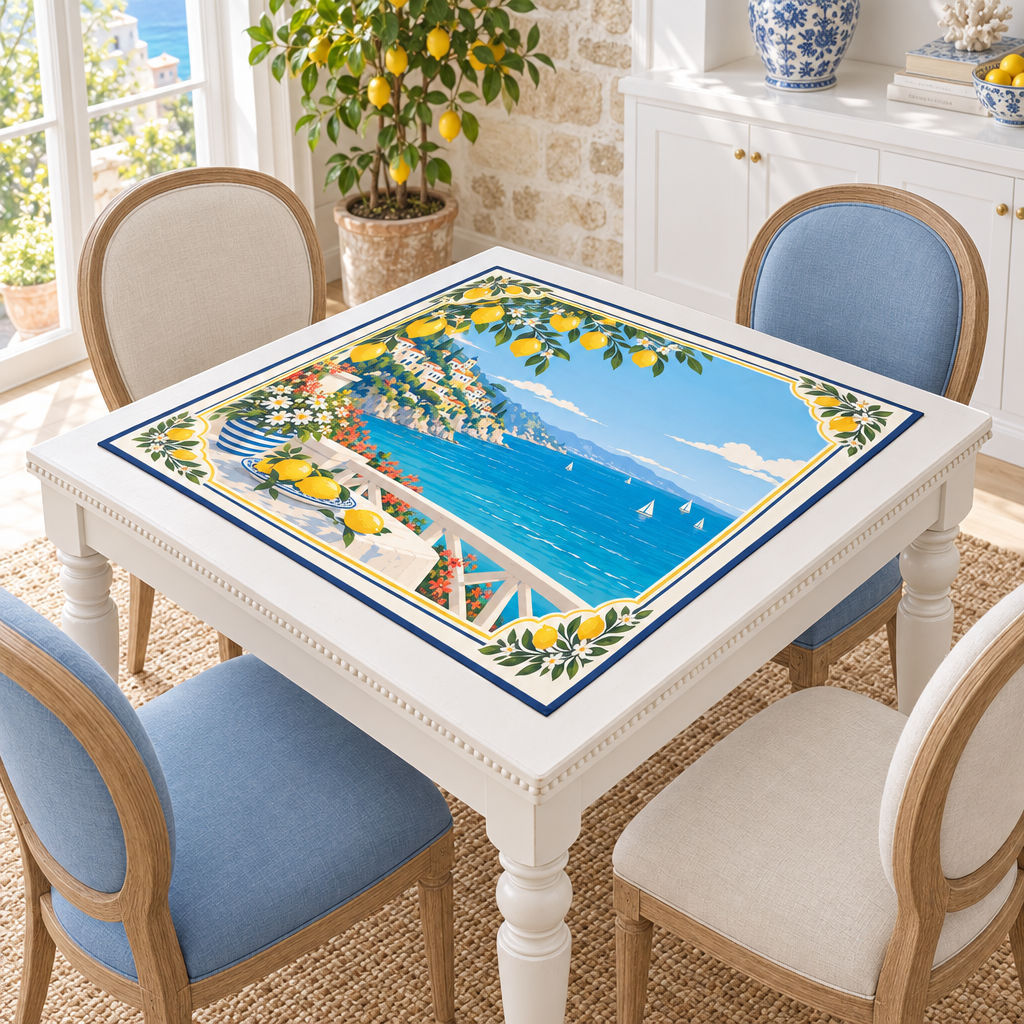
A custom mahjong starter kit bundles the 160-tile American set you'll play with, a mat to protect your table and organize tiles, racks with pushers to hold and sort your hand, and often a travel bag—so you unbox everything ready to deal. We recommend starting with a mid-range engraved set (acrylic tile, clear lettering, no gaming history needed) plus a mat that fits your table size, racks that feel natural in your hands, and a padded bag if you'll carry it to friends' homes. Total value runs from modest to mid-range depending on design, tile quality, and storage. The mistake most new players make is buying a set alone, then scrambling for a mat and racks mid-game. Mahstead sells everything separately or as curated collections, with free US shipping, so you can build exactly what your group needs without overpaying for extras. 🀄 Shop best-selling mahjong sets →
What tiles should a starter kit include?
A starter kit must have exactly 160 tiles—the 152 used in play (three Bam, Crak, and Dot suits numbered 1–9, plus 16 winds, 12 dragons, 8 flowers, and 8 jokers) plus spare tiles for wear. Never buy 144-tile or 166-tile sets for American mahjong; the 160 standard is what the National Mah Jongg League card requires. Check the product description to confirm tile count before ordering. Acrylic tiles hold engravings cleanly and last longer than bamboo or bone in weekly games. If your group includes beginners, larger numbered tiles (17mm or 19mm faces) are easier to read than smaller ones.
How do you pick the right mat for your table?
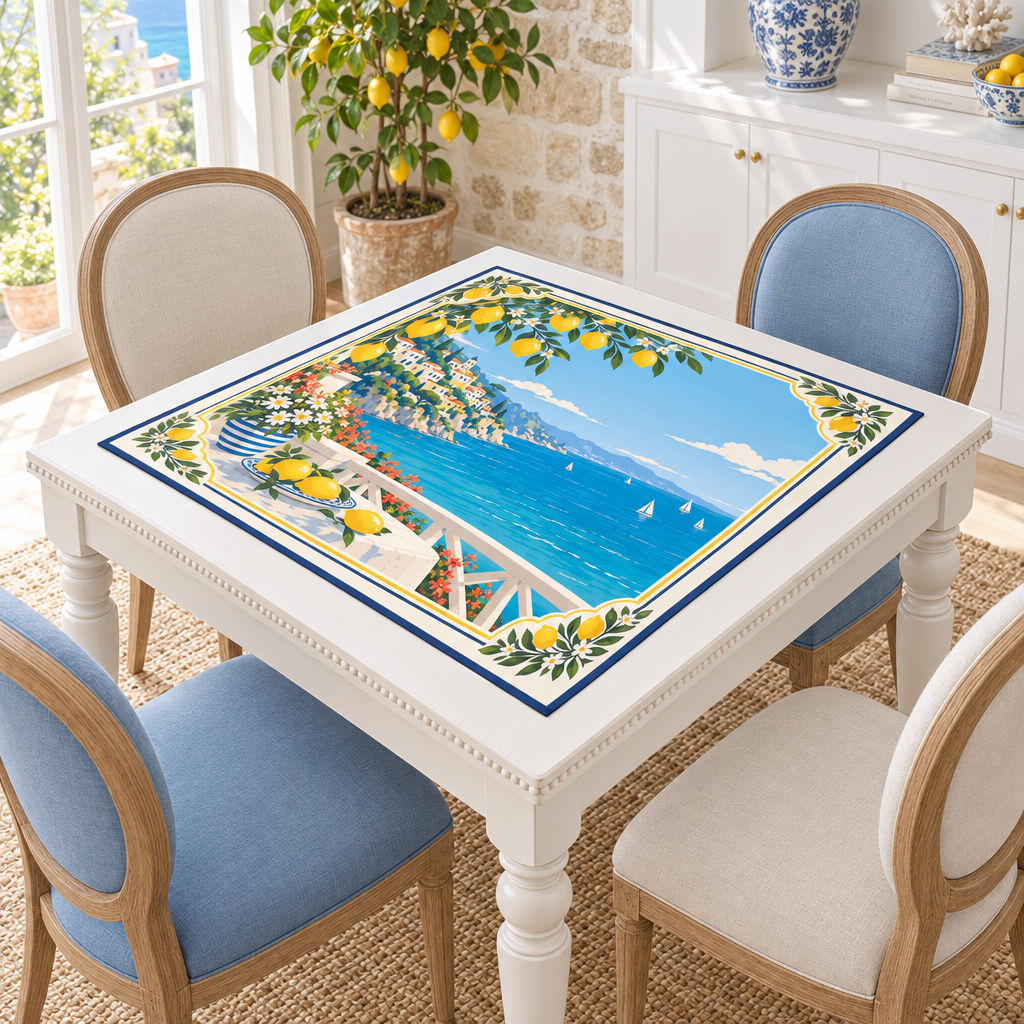
Most dining tables fit a mat sized 27"–31" across; measure your playing surface to the nearest foot, then add 2 inches. If you have a round table or odd shape, check the mat dimensions on the product page against your table depth and width in inches. Mahjong mats come with a non-slip base (rubber or suction cups) to prevent tiles sliding during play. A padded mat ($) costs more but absorbs noise and feels professional—important if you host weekly. A standard rubber mat ($) works fine for monthly games and travels easier. Never assume a mat fits without checking: one inch of overhang means tiles spill onto the floor. Measure once, buy once.
🎁 See our most-loved mahjong sets & accessories →
Which racks with pushers work best for beginners?
Racks with pushers hold 15 tiles (your opening hand plus the kong tile). Test racks in person if possible—some players prefer stackable bamboo racks (light, portable), others want acrylic racks (durable, noise-free at 2 a.m. games). Pushers should glide smoothly without binding. A four-player kit needs exactly four racks (one per player) and four pushers. Avoid under-stocked kits; confirm the description lists "4 racks + 4 pushers" before clicking buy. If racks feel loose or tiles rattle, return them; a tight fit protects the tile faces during shuffling.
Should you buy a bag or case for travel?
If you host games at one table, you need no bag—leave your set there. If you rotate homes, move to tournaments, or loan sets to friends, a padded travel bag or hard case protects tiles from water, dust, and cracks during transport. Bags hold the full 160-tile set plus mat and racks. Hard cases ($$$) are overkill for weekly home games; a padded bag ($) survives years of car trunk duty. Check the interior dimensions: a bag too small compresses tiles and frays the mat edges. A bag that's too loose lets the set shift during driving. Measure your mat rolled (roughly 6"–8" diameter) and your tile stack height (roughly 4"–5" for 160 tiles) before ordering.

What's the real difference between beginner and experienced player kits?
Kit Type | Tile Material | Tile Size | Who It's For | Why It Works |
Beginner | Acrylic, lightweight | 19mm+ faces | New to mahjong, casual weekly games | Large faces = easy reads; acrylic = low cost; light = easy shuffle |
Regular | Acrylic or bone, heavier | 17–19mm | Hosts who play monthly or more | Balanced durability and weight; engravings stay crisp 200+ games/year |
Premium | Bone or mother-of-pearl, full weight | 17mm, professional faces | Tournament players, 1+ game per week | Superior grip, authentic feel, engravings stay sharp 500+ games/year |
A beginner kit costs less upfront and requires no learning curve—tiles shuffle easily, mat is forgiving, racks are lightweight. An experienced player kit adds durability (bone tiles last twice as long as acrylic under heavy shuffling) and weight (heavier tiles feel "right" in hand and reduce accidental tile drops). Don't overspend on premium materials for your first purchase; buy the beginner set, play 50 games, then upgrade. The money you save lets you buy a better mat or travel bag instead.
What's in the box, and how do you set up on day one?
A starter kit arrives in a single box with the tile set (usually in a wooden or vinyl case divided into compartments), a rolled mat, four racks with pushers, and a bag or carrying sleeve. Open the box on your game day—don't unpack early and mix tiles. Lay the mat on your table, smooth the corners, and run your hands over the surface to check for wrinkles. If the mat wrinkles badly, lay it flat under a mattress overnight; most wrinkles flatten in 24 hours. Shuffle the tile face-down on the mat (never on a bare table—tiles scratch) in loose piles, breaking them up with your hands. How to play American mahjong covers the shuffle and deal. Before the first game, read the product page for your mat's grip style: suction cups need a clean, dry table; rubber feet work on any surface. Clean the mat with a dry cloth if it gets sticky—water can damage the underside. After each game, roll the mat loosely (don't crease it) and store it upright or flat in a cool closet. Tiles stay in their case between games; never mix a spare tile into the playing set.
How much should you expect to spend, and what to check before ordering?
A full starter kit (set, mat, racks, bag) typically spans from budget-friendly bundles for occasional home players to mid-range kits for serious weekly groups. Best-selling mahjong sets show current price ranges; see the product page for exact pricing. Before clicking "add to cart," confirm:
Tile count: 160 tiles (not 144 or 166).
What's included: Set only, or set + mat + racks + bag?
Mat size: Measure your table; confirm mat dimensions in inches.
Racks: Four racks + four pushers for four players.
Tile size: 17mm, 19mm, or 21mm face (larger = easier for older eyes).
Material: Acrylic, bone, or hybrid—check durability notes.
Engravings: Do you want custom names, titles, or jokes? (Choose from engraved American mahjong sets or plain designs.)
Shipping: Confirm free US shipping applies (it does at Mahstead).
Compare two or three kits side-by-side using the product pages, not memory. Write down tile material, mat size, and racks included for each, then pick the one that covers your table size and player count without gaps. The most common mistake: buying a set without a mat, then discovering your table is scratched after week one. Spend an extra 15 minutes on research; it saves $$ and frustration.
✨ Find your Mahstead set — free US shipping →
Can you customize your own kit, or must you buy a bundle?
Yes, you can build a custom kit. Start with best-selling mahjong sets to pick your tile set, then add a mat from mahjong mats, racks from mahjong racks with pushers, and a bag from mahjong bags and cases in separate orders or one cart. This method costs the same as a pre-made bundle but lets you match your exact table size, tile style, and storage needs. If you only play at home once a month, skip the bag and save. If you play weekly, skip the fancy case and buy an extra set of racks instead (so you can swap them between players). Customize around your real habits, not the box contents.

FAQ
Can I use a mahjong mat on a glass or metal table?
Most mahjong mats work on any clean, smooth surface. Suction-cup mats grip glass well; rubber-feet mats slide on metal. Test the mat on your table before the first game. If it slides, place the mat on top of a tablecloth or thin plywood sheet to anchor it.
Do I need four racks with pushers, or can I use two and rotate?
You need four racks—one for each player. Rotating two racks mid-game creates confusion about whose hand is whose and slows play. If you host 3-player games, buy four racks anyway; the fourth stays on the table as a spare or reference.
What's the difference between a mahjong mat and a regular tablecloth?
A mahjong mat has a non-slip base, a hard playing surface (tiles don't slide into cracks), and dividers printed to organize the tile layout. A tablecloth is soft and offers no grip or organization. Invest in a mat if you play weekly; a tablecloth is fine for annual games.
How often do mahjong tiles need to be replaced?
Acrylic tiles last 200–300 games before faces blur (per weekly play, roughly 4–6 years). Bone tiles last 500+ games. Most home players replace sets every 5–10 years, not annually. If you're just starting, a standard acrylic set will outlast your first five years.
Can I mix engraved tiles with a blank tile set from another brand?
Never mix tile sets mid-game. Different brands use different tile sizes, face clarity, and tile weights; mixing creates uneven gameplay and marks tiles. Buy your full 160-tile set from one source, and keep spares from that set alone.
What size mat fits a card table (36"x36") vs. a dining table (48"x36")?
A 30" mat fits comfortably on a 36" card table with 3" overhang each side. A 31"–36" mat works on most dining tables. Measure your exact table dimensions in inches before ordering; a mat 2" too large will overhang corners and spill tiles.


View More
View More
View More
