
Mahjong Classes for Beginners in Los Angeles: Where to Start
Last updated: Nov 23, 2026
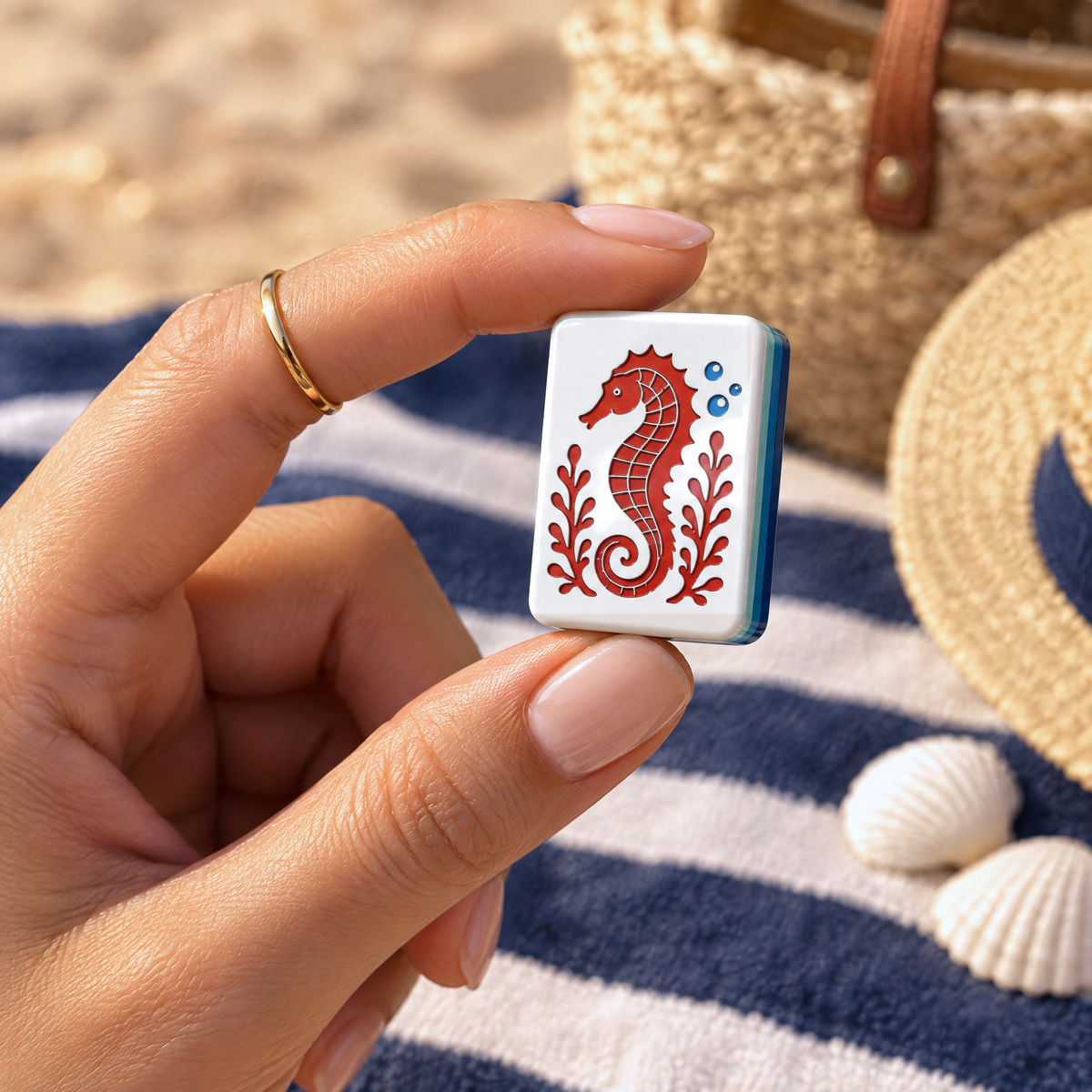
Los Angeles offers beginner mahjong classes primarily through public libraries (especially those with strong Asian communities), community centers, synagogues, country clubs, and independent instructors advertised on local meetup boards. Most beginner classes meet weekly and run 60–90 minutes; a typical 8-week intro series teaches the rules, hand-reading, the Charleston (tile-passing ritual), and basic scoring. Cost varies widely depending on venue and instructor—community centers often charge less than private teachers. Before signing up, confirm the class teaches American mahjong (not Chinese or Hong Kong variants, which differ in rules and hand structure) and that it uses the current year's National Mah Jongg League card for hand selection. You'll need to bring or borrow a 160-tile set with eight jokers, though many instructors keep teaching sets on hand. Mahstead's best-selling mahjong sets are acrylic with clear print, ideal for beginners who need legible tiles during their first weeks. 🀄 Shop best-selling mahjong sets →
How do I find beginner mahjong classes in Los Angeles?
Start by calling or visiting your local library branch—many host open mahjong nights or can connect you with instructors. Community centers in neighborhoods with larger Asian populations (Koreatown, San Gabriel Valley, central Los Angeles) often advertise classes on their websites or bulletin boards. Check meetup apps and Facebook groups dedicated to mahjong; many independent teachers post schedules there. Ask at local country clubs, senior centers, and synagogues, which sometimes sponsor classes. In-person networking is powerful: visit a public game if one's advertised and ask players for teacher recommendations.

What should I expect in a beginner class?
A typical first session covers the tile names (Bams, Craks, Dots, honors), how to set up, and the Charleston—the mandatory tile-passing exchange before each hand begins. Weeks two through four teach hand-reading using the current year's National Mah Jongg League card, how to spot pungs (three identical tiles) and kongs (four identical), and the role of jokers. Later weeks introduce scoring, how to call tiles, common mistakes, and strategy. Most instructors limit early games to 30–45 minutes so beginners don't feel rushed. Expect to hear terms like "pung," "kong," "quint" (five identical), "sextet" (six identical), and "pair." Good instructors will explain why sequences (1-2-3) cannot be exposed in American mahjong—a rule that trips up players familiar with other variants.
What's the difference between American mahjong and other types?
American mahjong uses 152 playing tiles plus eight jokers and plays hands only from the current year's League card—the card changes every spring, keeping the game fresh. You cannot expose sequences (chows), only pungs, kongs, quints, and sextets of identical tiles. Jokers can never fill a pair or stand alone; they only replace a single tile within an exposed group. Chinese and Hong Kong mahjong use fewer tiles, allow sequences, and have completely different hand structures and scoring. Taiwanese mahjong shares some rules with Chinese but has its own scoring table. Riichi mahjong, played in Japan, follows yet another ruleset. A beginner class in Los Angeles will specify American mahjong; if you later encounter another variant, treat it as a separate game with its own learning curve.
What equipment do I need to start?
A standard American mahjong set contains 152 playing tiles (three suits of 36, 16 winds, 12 dragons, eight flowers, eight jokers) plus spare tiles—totaling 160 tiles when purchased new. You'll also want a mat to protect your playing surface and organize your hand, a rack with pushers to hold your tiles upright, and a carrying bag if you plan to attend multiple venues. For your first class, ask the instructor whether you should bring your own set or whether teaching sets are provided. Many classes supply sets, so check before buying. If you do buy, explore the best-selling designs—acrylic tile sets are durable, easy to read, and ship free across the US.
🎁 See our most-loved mahjong sets & accessories →

How do I choose the right class for my skill level?
Look for classes explicitly labeled "beginner" or "new player"; avoid "intermediate" or "open play" sessions until you've played at least 20–30 hands. Ask the instructor how many weeks the intro runs and whether you can drop in or must commit to the full series—dropins are good if you're unsure about long-term interest, but a committed series is better for learning continuity. Confirm class size; 4–6 players is ideal (American mahjong is a four-player game), and larger groups sometimes split into sub-sessions, which slows your learning. Check whether the class teaches hand-reading from the current-year card; an instructor teaching old cards will confuse you when you move to open play. If possible, chat with a current or former student about the instructor's teaching pace and whether they tolerate questions.
What common beginner mistakes should I avoid?
The biggest mistake is trying to play before you've studied the current-year card—American mahjong hands change every April, and playing with outdated hands means you'll learn wrong combinations. A second mistake is misunderstanding joker rules: many beginners think jokers can fill a pair or stand alone, but they cannot. Third, newcomers often confuse "pung" (three identical tiles) with a sequence (1-2-3), which is never exposed in American mahjong. Fourth, avoid sitting down with experienced players before you've completed at least one full beginner series; open-play groups can feel hostile to players who hold up the game. Fifth, don't assume rules are universal—every mahjong variant (Chinese, Hong Kong, Riichi) has different rules and scoring; verify your class teaches American before joining. Finally, don't invest in an expensive set until you're sure you'll play regularly; mid-range acrylic sets are affordable and perfectly serviceable for beginners.
What should I check before I buy a mahjong set?
Before purchasing, answer these questions:
Will I play weekly long-term? If yes, invest in a quality set. If you're unsure, borrow or ask the instructor to recommend an affordable starter set.
Am I buying for myself or as a gift? A personal set can be basic; a gift set should have clear, durable tiles and attractive presentation.
Do I need a mat and rack too? If you'll attend multiple venues, a complete setup (set, mat, rack, and bag) saves trips.
Is the set 160 tiles with jokers included? American play requires exactly 152 tiles plus eight jokers in active play; 160-tile sets are standard and include spares. Never buy a 144-tile set for American mahjong.
Can I read the tile markings clearly? Acrylic sets with large print are easiest for first-time players; bamboo-and-bone sets are beautiful but harder to read across a table.
How will I store and carry it? A padded bag prevents tile chips and keeps everything organized.
Mahstead's mahjong bags and cases fit a complete set plus mats and racks, so you're ready for classes or friendly games anywhere.
Setup Type | Best For | Includes | When to Choose |
Set only (tiles) | Solo practice, quiet study | 160 tiles, jokers, no extras | Testing commitment before full purchase |
Set + mat | Home games, class attendance | Tiles, playing mat, no rack | Regular weekly play, casual hosting |
Set + mat + rack + bag | Serious players, frequent venues | All of the above | Class hopper, multi-venue player, gift |
Engraved custom set | Dedicated groups, special occasions | Personalized tiles, full accessories | Team sets, commemorative play |
✨ Find your Mahstead set — free US shipping →
Where can I learn more about American mahjong rules?
After your first class, deepen your knowledge with our mahjong for beginners guide, which covers hand anatomy and strategy. Our how to play American mahjong article walks through each phase of a hand. For specific mechanics, read our guides on the Charleston, how jokers work, and reading the mahjong card. These resources complement class learning and help you retain rules between sessions. Many instructors also provide photocopied card excerpts or links to the National Mah Jongg League website, where you can purchase the official annual card.
What to check before you buy:
✓ Confirm the class teaches American mahjong (not Chinese, Hong Kong, or Riichi).
✓ Verify the set includes eight jokers and 152 playable tiles.
✓ Check that you can read tile numbers and suits from 3 feet away.
✓ Ensure the bag fits your set, mat, and rack if you'll carry everything.
✓ Ask whether the instructor requires or recommends a specific tile size or material.
✓ Confirm free shipping applies if ordering online.

FAQ
Can I learn mahjong online instead of in-person?
Video classes and tutorials teach rules, but American mahjong requires practicing the Charleston (tile-passing ritual) and speed—nearly impossible to do alone. In-person classes let you experience the social rhythm, receive real-time feedback on hand-reading, and make friends. Online learning works best after you've attended 3–4 live sessions.
Do I need to buy a set before my first class?
No. Call or email the instructor beforehand and ask whether teaching sets are provided. Most beginner classes do; if they don't, the instructor will recommend an affordable starter set. Buying after a few sessions lets you choose a design you actually like.
How long before I'm ready for open play?
After completing a full 8-week beginner series, play 10–15 practice hands with classmates or your instructor before joining a public open game. Some players take 3–4 weeks, others 12; everyone learns at their own pace. There's no shame in sitting out a few rounds to observe first.
What's the age range in beginner classes?
Mahjong classes in Los Angeles draw players from their 20s to 80s. Most beginners are 50+ but younger players (especially those with family ties to Asian culture) join regularly. Classes are multigenerational and age-mixed, which makes them fun and less intimidating.
If I move or visit another city, can I play mahjong there?
Yes—American mahjong is played nationwide. Rules and the annual card are identical everywhere. When you travel, search for local community centers, libraries, and meetup groups. The transition is seamless as long as the game is American mahjong.
What if I don't have a mahjong background in my family?
Most classes are open to anyone; previous family connection is not required. Many instructors are native English speakers or fluent in both English and Mandarin/Cantonese. Don't let cultural background hold you back—beginners of all backgrounds thrive in welcoming classes.


View More
View More
View More
