
Preppy Mahjong Travel Bag: Style, Protection & Portability
Last updated: Nov 23, 2026
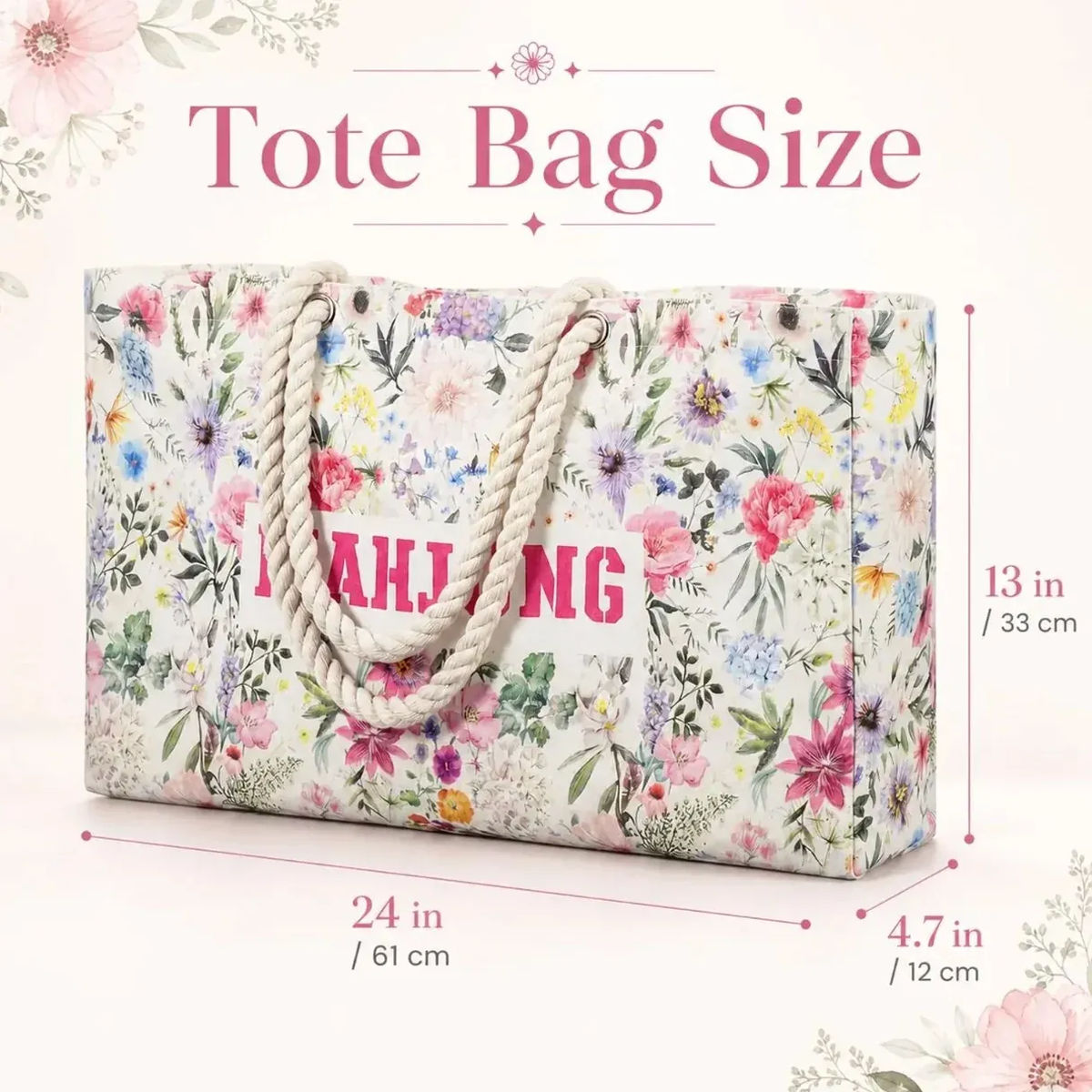
A preppy mahjong travel bag is a carrying case designed to hold a complete 160-tile American mahjong set plus accessories like racks, pushers, a mat, and dice. Preppy styles feature classic design elements—pastels, monograms, embroidered patterns, structured silhouettes, or preppy-coded color palettes—that match the aesthetic appeal many mahjong players want beyond the table. These bags range from compact tote-style carriers for just the tile set, to larger duffel-style cases that fit a set plus a full mat and racks. Quality matters: padded interiors protect acrylic tiles from cracks during travel, and sturdy handles or straps make transport comfortable. Pricing varies by size and materials, so check the collection to compare options. The best choice depends on how often you travel, how much gear you carry, and whether you prioritize aesthetics or pure functionality.
🀄 Shop best-selling mahjong sets →
What makes a preppy mahjong bag different from a regular case?
Preppy design elevates a travel bag beyond basic storage. While standard cases prioritize durability and neutral colors, preppy styles integrate cultural and aesthetic codes—think tailored fabrics, coordinated color combinations, embroidery, monogram options, and shapes that telegraph style intention. Many players want their mahjong gear to reflect their personality before they even sit down to play. A preppy bag signals you take the game seriously and that you bring intentionality to how you present it. Beyond looks, preppy bags often pair structured designs with thoughtful interior organization, making it easy to find tiles, jokers, and racks without dumping the entire bag on the table.

How do you choose between tote, duffel, and hard-case styles?
Each style solves a different travel scenario. Tote-style bags work best if you're carrying just a 160-tile set with basic accessories—lightweight, easy to grab, fits under an arm or in a car seat. Duffel or soft-sided cases hold a full setup: tiles, racks with pushers, mat, dice, and scoring pads; they distribute weight across a shoulder or carry handle and are ideal for weekly game carpools. Hard cases (like rigid travel luggage) offer maximum protection if you fly or drive long distances frequently, but they're bulkier and less aesthetically flexible.
Ask yourself: How far do I travel? (One block = tote; across town = duffel; cross-country = hard case.) What's my full load? (Just tiles = tote; tiles + mat + racks = duffel.) How often? (Monthly = invest in durability; weekly = prioritize convenience.) The best-selling players in our circle use duffels for regular games and totes for quick runs to a neighbor's house.
What interior features protect tiles and keep gear organized?
Padded compartments are non-negotiable. Acrylic tiles can crack if they shift during transport, so look for bags with dividers, foam inserts, or quilted sections that keep the tile set snug. Separate pockets for dice, jokers, and scoring materials prevent loose pieces from rattling or escaping. A dedicated mat pocket (flat and padded) prevents creasing. Some designs include a zippered or elastic-secured pouch for racks and pushers—crucial, because a rack sliding around inside can damage both the rack and the tiles around it.
Interior organization isn't just comfort: it's respect for your gear. When tiles stay in place, they last years longer. We've seen players spend more upfront on a well-designed bag and avoid replacing tiles mid-season.
Which preppy aesthetic works best for your player type?
Aesthetic | Who It's For | Why It Works |
Monogrammed classic | Players who want subtle personalization and timeless style | Initials + neutral color = elegant, recognizable, never dated |
Bold pastels | Social hosts, younger players, Instagram-era players | Eye-catching, cheerful, signals this is a fun game, not formal |
Embroidered motifs | Detail-oriented collectors, tradition-keepers | Handcrafted feel honors the game's cultural depth |
Structured preppy prints | Players invested in prep/heritage aesthetic | Coordinated color + tailored cut = "I thought about this" |
Neutral + leather trim | Professionals, minimalists | Versatile enough for work/weekend, masculine or feminine read |
🎁 See our most-loved mahjong sets & accessories →

How do size and weight impact your decision?
Bag dimensions matter more than most buyers realize. A 160-tile set with racks and mat requires roughly 12×8×5 inches of interior space minimum. Weigh the bag yourself (or check specs): most well-padded duffels run 2–3 pounds empty. Add a tile set (roughly 5 pounds), a mat (1–2 pounds), and racks (0.5 pound), and you're carrying 8–11 pounds total. If you walk to game night or have shoulder/back concerns, lighter matters. If you load it into a car and sit for 20 minutes, weight is secondary—interior protection becomes the priority.
Measure your regular commute: car to house = size flexibility; transit or on foot = compact + light. We've seen players choose smaller totes and make two trips rather than strain themselves with an oversized case. That's honest math.
What should you check before ordering a preppy mahjong bag?
Verify interior dimensions against your tile set and mat size. Standard mats roll or fold to roughly 26×26 inches; a bag that claims to fit mats needs genuine depth.
Confirm padding type. Foam, quilting, and bubble-lined all work; rigid inserts (like hard-case foam) are overkill for soft bags but nice for frequent fliers.
Check handle/strap durability. Stitching should be reinforced at stress points. Look for reviews mentioning handle longevity or ask the seller directly.
Ask about monogram turnaround. If you want initials, confirm lead time before ordering, especially if game night is approaching.
Inspect color photos carefully. Pastels and embroidery vary in real life. Request close-up photos of seams and interior if the listing doesn't show them.
Confirm weight capacity if the bag lists one—your loaded set plus mat shouldn't exceed it.
✨ Find your Mahstead set — free US shipping →
Where to find quality preppy mahjong travel bags
The best selection comes from specialty mahjong retailers who understand tile protection as seriously as aesthetic detail. Browse dedicated mahjong bag collections to see interior photos, stitching detail, and color options side by side. Look for sellers who display multiple angle views and list interior measurements. Social media—Pinterest, Instagram, TikTok—can surface preppy mahjong aesthetics in real-world play, helping you envision your bag in action. Community centers, libraries, and mahjong clubs sometimes host markets where you can see and touch bags before buying. Ask other players in your game circle what they carry and why; word-of-mouth often reveals which bags hold up after a season of weekly use.
The bottom line: A preppy mahjong travel bag is an investment in both protection and identity. Choose based on your travel frequency, load size, and the aesthetic that makes you want to bring the bag to game night—because a bag you're proud to carry gets used, loved, and lasts.
FAQ
Can a preppy mahjong bag fit a full mat plus a 160-tile set?
Yes, if the bag is duffel-sized or larger with a dedicated mat pocket. Compact totes fit just the tile set. Check interior dimensions: mats typically need 12+ inches of length when folded.
Do padded bags protect tiles from all damage?
Padded bags prevent most travel damage during normal use. Tiles can still crack if dropped hard or crushed under heavy weight—padding absorbs shock but isn't indestructible.
Are monogrammed bags more expensive than plain ones?
Usually by a small margin. Embroidery or engraving adds personalization cost, but the base bag price is competitive; see current pricing on the product page for exact amounts.
How do I clean and maintain a preppy mahjong bag?
Spot-clean fabric with mild soap and water. Air-dry away from direct heat. If the bag has leather trim, wipe trim with a slightly damp cloth. Store in a cool, dry place to prevent fading and mold.
What's the difference between a mahjong travel bag and a regular tote?
Mahjong bags include interior dividers, padded compartments, and reinforced handles to protect hard acrylic tiles during transport. Regular totes lack these protection features and can allow tiles to shift and crack.
Should I buy a hard case or a soft duffel?
Soft duffels suit weekly local play (lighter, easier to store). Hard cases suit frequent air travel or rough handling. Most home game players choose duffels for the balance of protection and practicality.


View More
View More
View More
