
Mahjong Classes for Beginners in Little Rock
Last updated: Nov 23, 2026
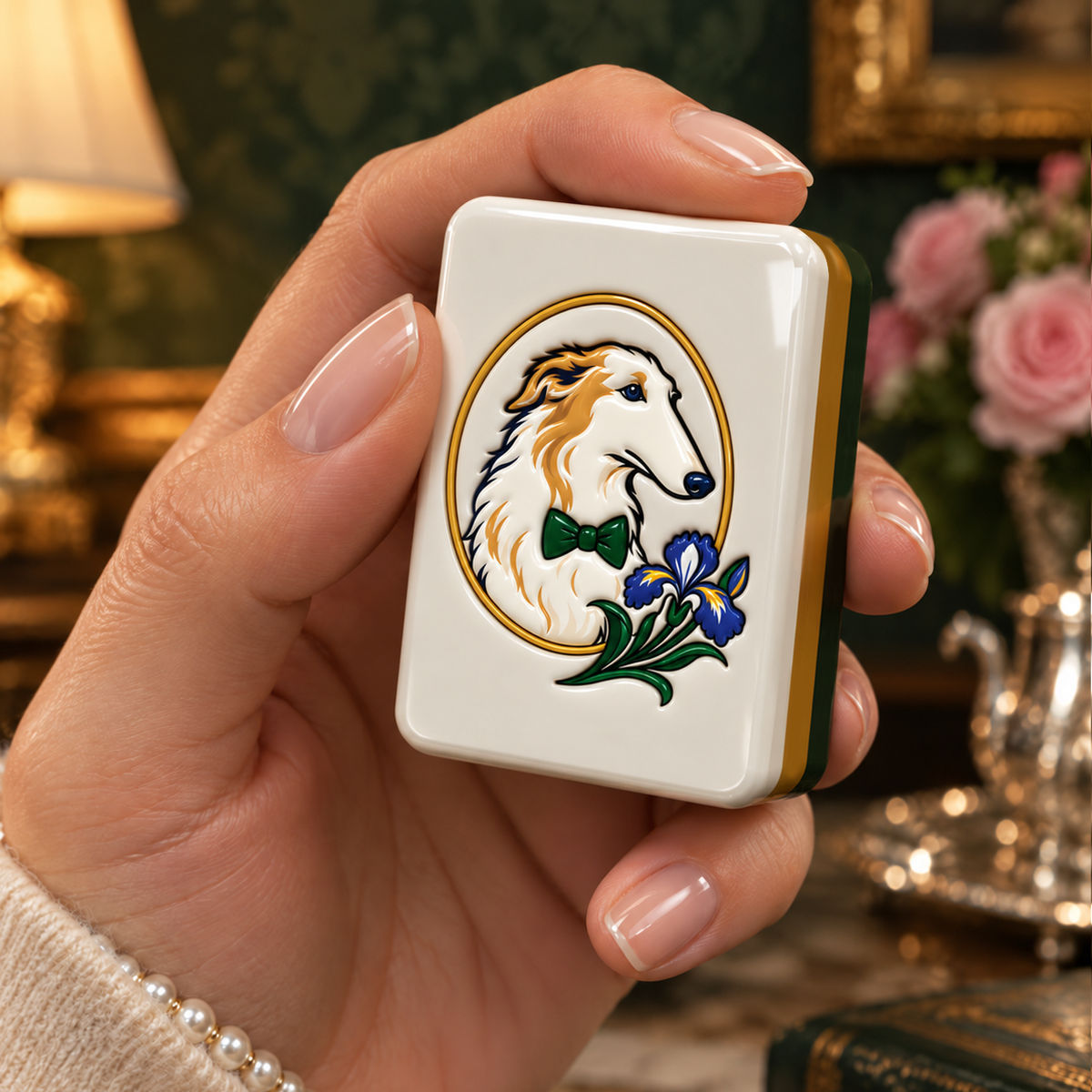
Little Rock beginners can find mahjong classes through community centers (check the Parks & Recreation department website), public libraries, senior centers, synagogues, country clubs, and Meetup boards under "mahjong" or "games." Most beginner classes meet weekly for 4–8 weeks and cover American mahjong rules, tile recognition, hand-reading from the National Mah Jongg League card, the Charleston passing ritual, and basic scoring. Many instructors recommend bringing or using house sets; if you're serious about learning, owning your own 160-tile acrylic set with a playing mat ensures consistent practice at home. Costs vary (some community offerings are free or low-cost), and learning typically takes 4–6 weeks for casual play competence. Avoid jumping into hands-only play without mastering suit and wind recognition first—most classes enforce this foundation deliberately.
Where do Little Rock beginners actually find mahjong classes?
Start with your city or county Parks & Recreation department—they often list recurring classes under "games" or "senior enrichment." Public library events calendars frequently host mahjong meetups or can point you to local clubs. Call ahead: many instructors teach at senior centers or synagogues on fixed nights (often Tuesday or Thursday). Meetup.com and Facebook groups tagged "Little Rock mahjong" will surface active game circles; comment or message to ask if they mentor newcomers. Country clubs and golf clubs sometimes host mahjong nights. Once you find a venue, confirm whether beginners can drop in, whether a class is filling, and whether you need to bring a set (most don't at first).

What should you expect in your first beginner class?
Your instructor will explain the 152-tile deck (three suits—Bams, Craks, Dots—plus winds, dragons, flowers, and jokers), show you how to recognize each tile by picture and symbol, and walk through a practice hand step-by-step. Weeks one through two focus on suit colors, wind directions, and the difference between a pung (three identical tiles) and a kong (four identical). Week three usually covers the Charleston, the ritual tile-passing that opens every game. By week four, everyone reads hands from the current-year National Mah Jongg League card, learns to spot matched patterns (all Bams, a pair of winds, three dragons), and plays two or three complete rounds. Expect repetition—this is intentional. Most classes seat four players at a table; you'll draw, discard, and call tiles aloud. Bring a notepad; jotting down what you discard helps memory.
What gear do you need before your first game at home?
Once you've attended three or four classes, practicing at home locks in tile recognition and hand-speed. You'll need a 160-tile acrylic American mahjong set—the industry standard—a mat with printed suit guides and a rack zone (so tiles stand face-up and visible), and ideally a small drawstring bag for storage and transport. Acrylic tiles ring cleanly when they contact the mat, giving audible feedback that bone or bamboo sets don't; this helps beginners confirm they're discarding correctly. A mat serves a second purpose: its printed layout reminds you where the wall breaks, where the dead wall (extra tiles for replacements) sits, and how to arrange your hand legibly. Without a mat, tiles scatter and games stall. A mahjong rack with pushers is optional but speeds up hand organization—critical when you're new and managing 13 or 14 tiles feels overwhelming.
Why do practice mats and racks matter for beginners?
When you're learning, your hands shake. A quality mat with a cloth surface and printed zones keeps tiles from sliding off the table mid-game, which derails teaching. The printed suit colors (red for Craks, green for Bams, blue for Dots) cue your eye; you'll stop consciously translating symbols within 2–3 weeks. Racks hold your 13 or 14 tiles at an angle so you never expose your hand to opponents—a rule violation otherwise. Racks also push tiles together, preventing the "messy spread" that makes it hard to spot what you're holding. Both mat and rack cost little but prevent the frustration that makes beginners quit. We've seen students who practiced on bare wood tables drop out; the same students returned once they had a proper mat.

How does American mahjong differ from what you might see online?
American mahjong plays only from the current-year National Mah Jongg League card—no hand is valid unless it appears on that card. This differs sharply from Chinese or Hong Kong mahjong, which use hand logic (certain numbers and suits) rather than a card. American mahjong also has no sequences or chows; you can only expose pungs (three identical), kongs (four identical), quints (five), or sextets (six). You cannot call or meld a sequence like 1–2–3 Bams. Jokers are wild but never form a single tile or a pair by themselves. The game also requires the Charleston—a formal tile pass before play—and uses the current-year card to verify every winning hand. If you watch YouTube tutorials, verify they label themselves "American mahjong" or reference the NMJL card; tutorials from Asia or older materials teach different games entirely.
Should you invest in a personal set before or after your first class?
Attend three free or cheap trial sessions first. You'll learn faster and confirm you enjoy it before spending. Then, if you're committed, a set from our best-selling collection becomes essential for home practice. Beginners especially benefit from sets with large, clear suit markings and acrylic construction—no ambiguity, no wear, consistent weight. Engraved sets (with personal names or titles) work beautifully as gifts for someone you've introduced to the game, but they're not necessary for learning. Bring your new set to class after week two; your instructor will confirm it's competition-weight and rules-compliant. A beginner's personal set unlocks 15–30 minutes of solo hand-reading practice daily—the fastest way to internalize tile recognition and hand patterns.
What to check before you buy a beginner set
Before ordering, confirm the set is sold as a standard 160-tile American mahjong set (152 playing tiles plus spare jokers and blanks). Check that tiles are acrylic, not bamboo (acrylic is durable and non-fragile for travel). Ensure the set includes a mat or list a compatible mat separately—a mat is not optional. Verify the bag or case has a drawstring or handles, not just loose tiles in a box; loose tiles spill in cars. If the set includes racks, confirm they hold 13–14 tiles at a safe angle. Avoid sets marketed as "144-tile" or "166-tile" if you're learning American; they introduce tile-count confusion. Buy from a seller who stocks American sets explicitly and offers free US shipping, so there's no hesitation about trying again if the first set doesn't fit your table size.
Gear Type | Why Beginners Need It | When to Buy | Red Flags to Avoid |
160-tile acrylic set | Foundation; tile recognition locked in by touch and color | After 3 trial classes | Plastic tiles, unclear markings, fewer than 160 tiles |
Cloth playing mat | Prevents tile scatter, shows suit zones, speeds hand reading | With the set | Paper mats, no printed zones, slippery surface |
Rack with pushers | Keeps hand hidden, organizes tiles, reduces anxiety | Optional but recommended | Wobbly racks, too-narrow tile slots |
Small drawstring bag | Protects set, ensures portability to class | With the set | Rigid boxes, no handles, no interior padding |
Reference card or guide | Home hand-verification between classes | After week 2 | Outdated cards (not current year) |
🀄 Shop best-selling mahjong sets →
What resources help you keep learning after class ends?
Once your class concludes, you'll maintain momentum through home study. Print or bookmark the current-year National Mah Jongg League card (available free on the League's website); spend 10 minutes nightly scanning for hands you can make from random tiles. Join the local mahjong WhatsApp or Facebook group—other learners post questions and photos of tricky hands. Read our guide to how American mahjong is played or our post on understanding jokers when a rule feels fuzzy. Many instructors record a YouTube intro for their students; ask if yours has done so. Play low-stakes games (nickels or quarters) with your class cohort weekly—real money sharpens focus and makes errors memorable. After 12 weeks of casual play, you'll qualify for league play, tournament invitations, or simply hosting friends at home confidently.
🎁 See our most-loved mahjong sets & accessories →
A three-step path from class to confident home hosting
Step 1: Attend 4 beginner classes and practice one tile-recognition drill daily (10 minutes). Sort a shuffled pile of loose tiles by suit and number. No timer, no pressure—just accuracy. By week 4, you'll spot a Bam without hesitation.
Step 2: Buy your first set and a mat after class 3. Set it on your dining table. Play two hands alone or with one friend to confirm the layout makes sense. This step moves learning from abstract (card and instructor demo) to tactile (your tiles, your table, your rhythm).
Step 3: Host a four-player game with three classmates within two weeks of class ending. Use the current-year NMJL card. Play three rounds, score simply (note wins, don't track money yet), and schedule a repeat. Repetition with familiar people builds speed and confidence far faster than sporadic play.
After 12 weeks of this sequence, you'll move tiles faster, remember hands from glimpses, and recognize when someone discards carelessly—the invisible skill that separates beginners from regular players.
✨ Find your Mahstead set — free US shipping →

FAQ
How long does it really take to learn American mahjong from zero?
Casual competence (reading hands, not miscalling, playing smoothly) takes 4–6 weeks of weekly classes. Proficiency (speed, remembering discards, strategy) develops over 6–12 months of regular play. Expect to feel competent by class 8; true comfort arrives around month 4–5 of home play.
Can I learn mahjong online instead of joining a class?
You can learn rules online, but live instruction is faster—an instructor catches hand-reading errors immediately and adjusts pacing. Online tutorials vary wildly in accuracy; many teach non-American variants. A hybrid approach (online rule-reading + one or two live classes) works if no class is nearby. In-person play also builds friendships that sustain motivation.
Do I need my own set immediately, or can I use a house set at class?
Use a house set for your first 3–4 classes. Once you can read tiles and play a full hand without asking "what suit is this?", owning a set accelerates home practice dramatically. Most instructors recommend buying after week 3 or 4, not before.
What if the Little Rock class I find teaches a different mahjong variant (Chinese or Hong Kong)?
Ask the instructor explicitly whether they teach American mahjong using the National Mah Jongg League card. If they teach Chinese mahjong or "traditional" mahjong, the rules, tiles, and hand logic differ fundamentally. American mahjong is tile-card based; Chinese mahjong is hand-logic based. Both are valid, but they're not interchangeable for a beginner.
Should I buy an expensive engraved set as a beginner, or a plain one?
Start with a standard acrylic set from our best-selling collection—plain, durable, rule-compliant. Engraved sets are beautiful gifts for someone you've taught or a personal milestone (first win, first year anniversary), but they're not beginner necessities. A plain set lets you focus on the game, not protecting custom artwork.
Can I play mahjong with fewer than four players, or do I have to wait for a full table?
American mahjong is designed for four players, but 2- and 3-player variants exist. Ask your instructor whether your class covers them. If you're learning solo, four-player American rules are the standard; once you master those, adapting to fewer players becomes straightforward. We have detailed rules for 2 and 3 player mahjong if you end up playing short-handed.


View More
View More
View More
