
Are Catalin Mahjong Tiles Good? A Player's Honest Guide
Last updated: Nov 23, 2026
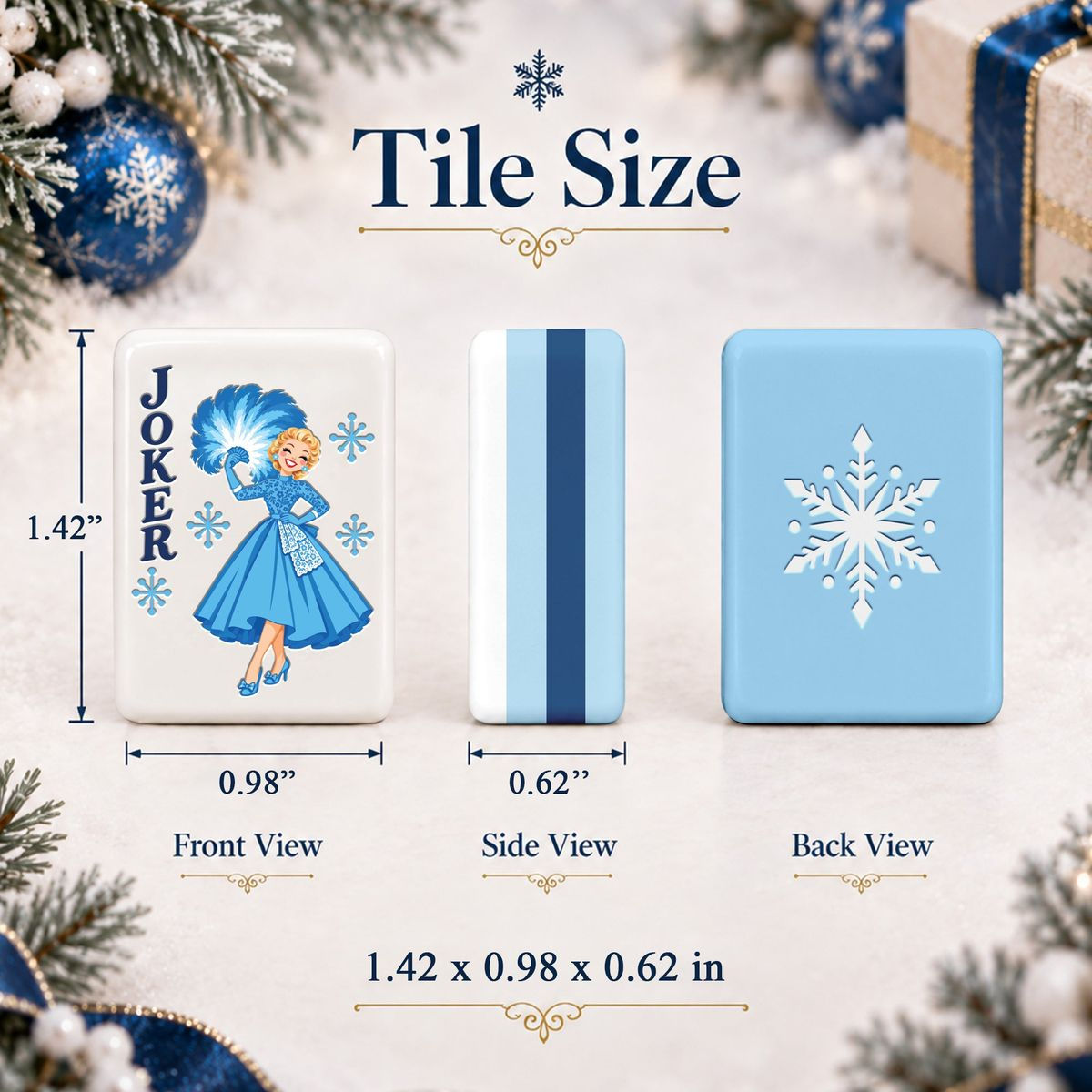
Catalin tiles are a phenolic resin composite popular in vintage and budget mahjong sets. They're lighter than acrylic, affordable, and produce a distinctive softer click than acrylic or bone. Catalin tiles wear faster, yellow with age and sun exposure, and are prone to cracking if dropped on hard floors. They lack the heft and presence many players prize, and their sound can feel thin during fast play. For casual or occasional games, Catalin works fine; for weekly players who demand durability and that satisfying tile weight, acrylic is the stronger choice. Mahstead designs acrylic sets that keep Catalin's brightness while delivering the feedback serious players expect.
What exactly is Catalin resin?
Catalin is a cast phenolic resin developed in the 1930s and widely used for vintage mahjong tiles, piano keys, and jewelry. It hardens into a glossy, translucent or opaque surface and accepts color and engraving well. Unlike acrylic, which is injected or molded as a sheet and cut, Catalin is cast in blocks and then machined into individual tiles. This method made Catalin economical for decades and explains why so many vintage sets still circulate today. Modern Catalin tiles are also cast but often less carefully than their vintage counterparts.

Why do Catalin tiles feel lighter and sound different?
Catalin has a lower density than acrylic or bone, so tiles are noticeably lighter—roughly 15–20% lighter per tile than acrylic equivalents. During play, this lightness means less momentum when you push tiles across a mat, and the sound is thinner and softer, more of a tap than a click. Some players love this quiet aesthetic; others find it lacks the heft that signals quality and makes shuffling feel satisfying. Weekly game hosts often notice Catalin sets feel "hollow" compared to the best-selling mahjong sets in acrylic, which deliver a richer, deeper tone. Weight matters more than you'd think—it affects confidence, table rhythm, and how natural your hand movements feel over a session.
How does Catalin durability compare to acrylic over years of play?
Catalin yellows visibly within 3–5 years under window light or heavy use, especially in whites and light pastels. The surface scratches more easily than acrylic, and repeated shuffling and stacking can wear engraved details soft. Catalin tiles crack more readily if dropped or struck hard—the resin is more brittle than acrylic. Acrylic resists yellowing, maintains scratch resistance far longer, and can take impacts without cracking. If you play weekly or host games in sunlit rooms, Catalin will show its age quickly. For occasional casual play, Catalin holds up adequately. Acrylic is the material choice for players who want a set to last a decade or more without visible degradation.
What's the real cost difference—and is it worth it?
Catalin sets typically cost less upfront than acrylic, but the gap has narrowed as acrylic manufacturing has scaled. Budget-conscious new players sometimes choose Catalin to minimize initial spend; experienced players usually upgrade to acrylic after one set. The price difference today is modest enough that durability and play experience often justify acrylic, especially if you're hosting weekly games. Here's a decision framework:
Player Profile | Catalin | Acrylic | Why |
Beginner, trying mahjong | ✓ | ✓✓ | Acrylic is only slightly more; no regret. |
Casual annual play | ✓ | ✓ | Either works; Catalin yellows but won't fail. |
Weekly host | ✓✓ | Durability, weight, and sound matter; acrylic wins. | |
Collector or gifter | ✓✓ | Acrylic holds beauty and value; Catalin ages visibly. | |
Outdoor or high-sun room | ✓✓ | Acrylic resists yellowing; Catalin fades fast. |
🀄 Shop best-selling mahjong sets →

Should you buy Catalin new, or look for vintage?
Vintage Catalin sets—1950s–1980s—often feature hand-carved details, unusual colorways, or maker marks that modern Catalin lacks. Collectors prize them for history and artistry, not durability. Modern Catalin production is often rougher: casting bubbles, uneven thickness, and cheaper engraving. If you want Catalin for nostalgia or collection, hunt vintage through antique dealers and respectfully play with them sparingly. If you want to play hard regularly, modern Catalin is not a smart buy—the quality gap versus acrylic is too narrow cost-wise, and acrylic outlasts it by years. The engraved American mahjong sets sold today are acrylic-based for a reason: manufacturers learned that Catalin's economics no longer justify its drawbacks.
What to check before you buy
Material label: Confirm the product specifies "acrylic" or "Catalin." Some sellers are vague; ask directly.
Weight in hand: If you can inspect in person or via video, lift and listen to Catalin vs. acrylic; the difference is real.
Light exposure: Will your set sit near a window? Catalin yellows in 3–5 years; acrylic resists for 10+.
Play frequency: Weekly play with Catalin means visible wear by year two. Acrylic stays fresh longer.
Resale intent: Acrylic sets hold value better; Catalin degrades and becomes harder to gift or sell.
Engraving detail: Examine close-ups of logos or custom text. Catalin softens; acrylic holds fine lines.
🎁 See our most-loved mahjong sets & accessories →
The honest verdict
Catalin mahjong tiles are not bad—they're simply a material choice suited to light play and lower budgets. If you play once a month, own them casually, or collect vintage sets for their history, Catalin is fine. If you host weekly games, live in a sunny room, or want a set that feels and sounds like quality, acrylic delivers better value over time. The cost gap today is small enough that upgrading to acrylic makes sense for most active players. Mahstead builds engraved mahjong sets in acrylic with custom designs—you get durability, the weight and tone players expect, and a set that looks fresh a decade later. Whether you're outfitting a regular game or gifting to a new player, acrylic is the choice that pays off.
✨ Find your Mahstead set — free US shipping →

FAQ
Do vintage Catalin tiles play differently than modern ones?
Vintage Catalin (1950s–1980s) was often cast with tighter tolerances and thicker walls, so it felt slightly heavier and sounded richer than modern Catalin. Modern Catalin is often thinner and lighter due to cost-cutting, making the difference even more pronounced versus acrylic.
Will my Catalin tiles crack if I play outdoors or in a humid climate?
Humidity itself doesn't crack Catalin, but temperature swings do. Leaving Catalin tiles in a hot car or moving them between air-conditioned and outdoor spaces stresses the resin. Store them in a stable, dry place; acrylic is more forgiving.
Can you polish or seal Catalin tiles to prevent yellowing?
No effective seal stops Catalin yellowing from UV exposure. You can slow it by storing tiles in a dark bag or case, but once yellowing starts, it's permanent. Acrylic resists yellowing naturally, so prevention is easier.
Are Catalin tiles toxic or unsafe to handle?
No. Catalin is inert and safe for skin contact during normal play. It doesn't off-gas or release harmful chemicals. You can handle and shuffle Catalin tiles worry-free.
If I buy a Catalin set now, can I upgrade to acrylic later without relearning?
Absolutely. The rules, hand patterns, and gameplay are identical; only the weight and sound change. Many players start with budget Catalin, then upgrade to acrylic within a year or two for the improved experience.
How do I tell if a set is real Catalin or cheap plastic?
Real Catalin is warm and slightly translucent when held to light; cheap plastic feels cold and opaque. Catalin has a glossy, smooth finish; plastic feels slicker or waxy. Weight and sound differ too—true Catalin has more substance than thin plastic, though less than acrylic.


View More
View More
View More
