
Best Vietnamese Mahjong App: Top Picks for 2026
Last updated: Nov 23, 2026
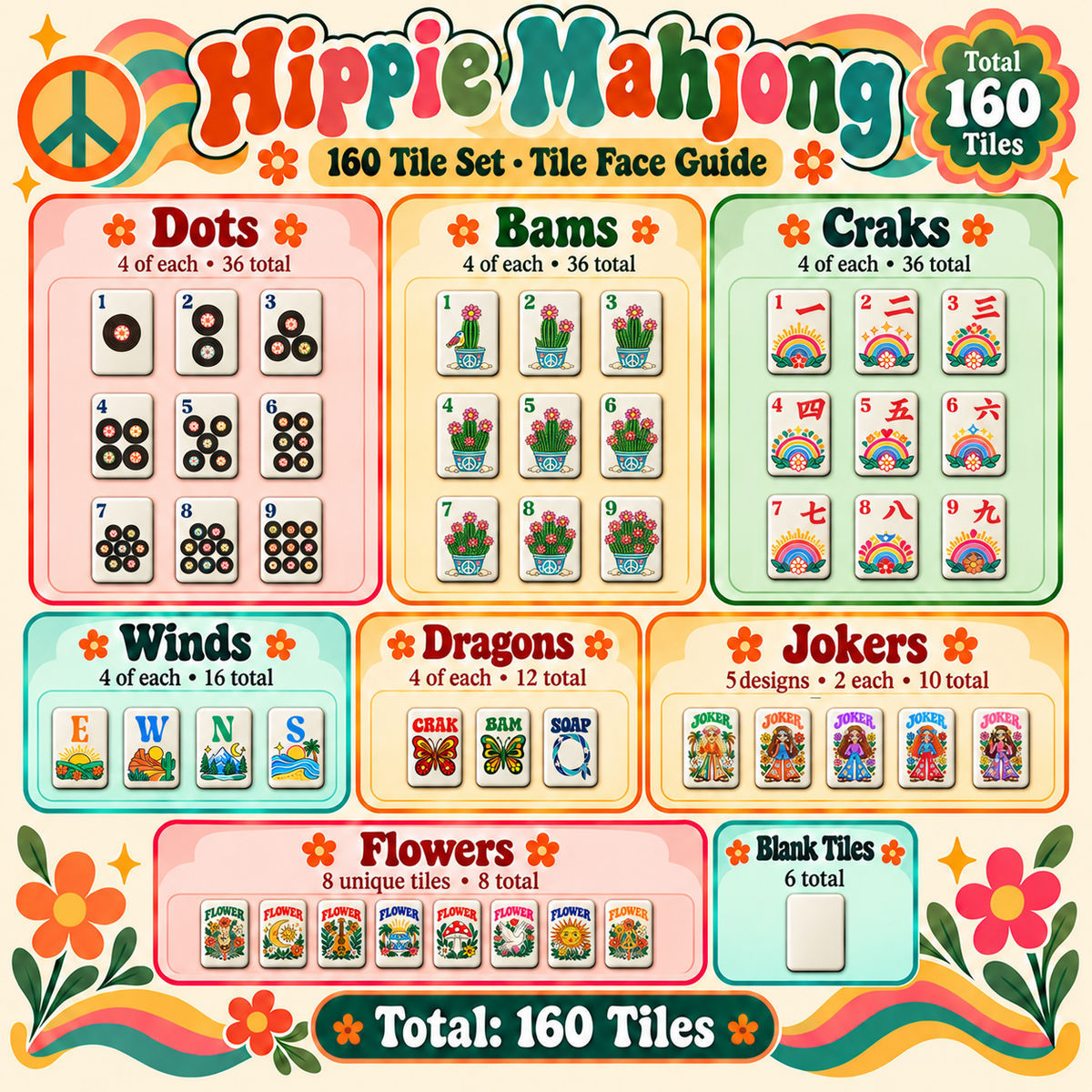
Vietnamese mahjong apps range from casual free-to-play options to serious competition platforms with authentic rule sets. Most popular apps—available on iOS and Android—replicate the fast-paced 16-tile draw, rapid discards, and luck-heavy mechanics that define Vietnamese play. They typically include solo practice, AI opponents, and multiplayer lobbies; some feature social chat and ranked seasons. The majority are free-to-download with optional cosmetics or premium memberships. Vietnamese mahjong differs sharply from American mahjong: it uses only 136 tiles (one suit of 1–9 in each of four copies, plus winds and honors), allows winning on any draw, and emphasizes speed over the leisurely four-player pass-and-discard rhythm of American games. Before committing to app play, understand that Vietnamese rules vary by region and house, so checking your group's specific rule set first prevents frustration mid-game.
What's the difference between Vietnamese mahjong apps and other variants?
Vietnamese mahjong is entirely different from American mahjong—the tiles, rules, and tempo are distinct. American mahjong uses 152 tiles (three suits, 1–9, plus winds and dragons), requires hands from an annual card, and involves the elaborate Charleston tile-pass ritual before play begins. Vietnamese mahjong uses 136 tiles in a single suit (1–9 repeated in four copies), plus winds and honor tiles, with rapid play and immediate winning. Apps capture this speed perfectly because they handle shuffles, draws, and discard timers automatically—something impossible at a physical table without tension. The biggest practical difference: Vietnamese apps enforce strict rule timing and auto-calculation, whereas American games demand careful hand-reading and card reference. If you've only played American mahjong, Vietnamese apps will feel like a completely different game.

Which Vietnamese mahjong apps have the most authentic rules?
Authenticity in Vietnamese mahjong apps hinges on how closely they follow regional rule variants—particularly Hong Kong–influenced rules (common in Vietnam) versus Taiwanese or mainland Chinese rule sets. Leading platforms like Mahjong Ways, Casual Mahjong, and Mahjongg Dark Dimensions do include Vietnamese-style speed rules and rapid draw cycles, though many prioritize accessibility over strict authenticity. When evaluating an app, check whether it allows dead hand penalties, kong reversals, and the specific winning patterns your circle uses. Many apps offer rule customization menus, letting you toggle House rules on or off. Before downloading, ask your regular play group which app they use—rule consistency matters far more than features. The most authentic experience happens when your app matches your friends' app, not when it claims historical purity.
Can you actually win money on Vietnamese mahjong apps?
Money play on Vietnamese mahjong apps exists in regions where it's legal, typically through third-party betting platforms or licensed casino apps that integrate mahjong. In the United States and many Western countries, real-money mahjong apps are either unavailable or operate in legal gray zones. Most mainstream Vietnamese mahjong apps (found on Google Play and the Apple App Store) are explicitly casual and free-to-play—you accumulate in-game currency that has no cash value. If you're seeking high-stakes play, check your local gambling laws first; many jurisdictions prohibit digital real-money games entirely. The safest route for serious players is traditional in-person play with your regular group, where you control the stakes and the rules directly. App play works best for casual practice, solo skill-building, and social connection across distance.
How do Vietnamese mahjong apps compare to in-person play?
Aspect | App Play | In-Person Play |
Speed | Auto-timed, enforced rounds | Human-paced, conversation allowed |
Rule disputes | Algorithm decides instantly | Players negotiate or house rules clarify |
Tile handling | No shuffling, no wear | Physical tiles develop patina, muscle memory |
Social depth | Chat-only, geographically unlimited | Face-to-face reading, multi-hour session bonds |
Practice accessibility | Play anytime, solo or AI | Requires group coordination |
Cheating risk | App prevents it | Depends on group trust |
The honest takeaway: apps excel for solo practice and casual social play across continents, but they strip away the tactile pleasure of handling tiles and the human unpredictability that makes in-person mahjong thrilling. Many serious Vietnamese players use apps during the week to sharpen tile memory and calculation speed, then gather in person on weekends for the real game. Neither is objectively better—they serve different needs.

What should you check before downloading a Vietnamese mahjong app?
Before installing, verify four core elements. First, rule transparency: does the app clearly state which rule variant (Hong Kong, Taiwanese, Vietnamese regional) it uses, and can you customize them? Second, player base: a dead app with no active multiplayer lobby won't sustain engagement—check recent reviews for lag complaints or empty servers. Third, language support: if you're non-Anglophone, ensure the UI and tiles display in your language accurately; some apps butcher tile names or honor symbols. Fourth, data privacy: Vietnamese mahjong apps sometimes come from international studios with opaque privacy policies; if you're uncomfortable sharing play data, stick to offline-only modes or well-known publishers. Finally, ask your regular play group which app they use before committing—rule consistency beats feature bells-and-whistles every time. Test the first three rounds free before investing emotional energy.
When should you play physical tiles instead of an app?
Play physical tiles when the ritual matters as much as the result: weekly group sessions, teaching beginners, celebrating milestones, or simply wanting to slow down. Holding tiles, hearing the clink of a kong, watching opponents' micro-expressions—these create memories apps cannot replicate. Apps shine for solo practice, asynchronous play across time zones, and rapid skill iteration. If you're serious about Vietnamese mahjong, do both: use an app 2–3 times per week to build pattern recognition and speed, then gather in person monthly or weekly for the full sensory and social experience. The combo is powerful because apps remove logistical friction (no shuffling, no organizing a group) while in-person play removes digital fatigue and rebuilds the human connection that makes mahjong legendary among players worldwide.
🀄 Shop best-selling mahjong sets →
For players ready to bring Vietnamese mahjong back to the table, a quality physical set matters. Apps can't teach you the tactile flow of a real game, and many serious Vietnamese players eventually upgrade from casual app use to hosting in-person circles. If you're building your first Vietnamese mahjong setup or refreshing worn tiles, our best-selling mahjong sets collection offers durable acrylic American mahjong sets that work beautifully for mixed-variant play—many players supplement or replace Vietnamese tiles with quality Western sets designed to last decades. The transition from app to physical play often happens faster than expected once you start hosting.
What to check before you buy Vietnamese mahjong app equipment
If you're moving app skills to a physical table, ensure your setup matches your game. Vietnamese mahjong typically requires tile racks to organize the 13-tile hand efficiently—our mahjong racks with pushers collection provides sturdy pushers that prevent accidental tile reveals and speed hand management in fast-paced rounds. A quality mahjong mat keeps tiles organized and dampens the clink that startles cats. Many groups that mix American and Vietnamese play invest in a single premium set they use for both, which requires understanding how tile counts differ—Vietnamese uses 136 tiles; American uses 152. Before purchasing, clarify which variant your group prioritizes, then buy once and buy well.
🎁 See our most-loved mahjong sets & accessories →
Can you learn American mahjong after playing Vietnamese apps?
Yes, but expect significant reorientation. American mahjong requires studying the current-year National Mah Jongg League card, mastering the Charleston passing ritual, understanding joker placement rules, and adjusting to slower, more cerebral play. Vietnamese apps condition you for instant pattern recognition and rapid discard cycles—the opposite of American's deliberate strategy. Many players find the transition easier than expected because both games reward tile memory and hand-reading. To start with American mahjong, read our guide to how to play American mahjong—it walks through the fundamentals and explains why the two games feel like cousins, not twins. Many players in cosmopolitan cities play both, alternating by group or season.
✨ Find your Mahstead set — free US shipping →

FAQ
Are Vietnamese mahjong apps legal in the US?
Yes—casual free-to-play apps (available on Google Play and Apple App Store) are entirely legal and safe to download. Real-money apps vary by state; most US players stick to casual versions. Always check your local laws if money is involved.
Do Vietnamese mahjong apps teach you to play in person?
Partially. Apps teach tile patterns, hand speed, and discard reading brilliantly, but they skip the tactile skills (shuffling, tile feel, hand management with pushers) and social negotiation that in-person play demands. Use apps for skill-building, then practice in person to internalize the full game.
Which Vietnamese mahjong app is best for beginners?
Casual Mahjong and Mahjongg Dark Dimensions offer adjustable difficulty and clear rules explanations. Start with offline practice mode (no multiplayer pressure), then move to AI opponents before joining live lobbies. Pick whichever app your regular play group uses first.
Can you play Vietnamese mahjong on a computer or laptop?
Some apps have desktop versions or web-based clients, though most are mobile-first. Check the app's official website for PC/Mac availability. Many players prefer mobile because the touchscreen speed matches the rapid-play rhythm of Vietnamese rules.
What's the main advantage of Vietnamese mahjong apps over buying a physical set?
Instant availability, no setup friction, and automatic rule enforcement. You can play solo or against AI anytime, anywhere. The trade-off: you lose the sensory pleasure and social depth of in-person play. Most serious players use both.


View More
View More
View More
