
Mahjong Classes for Beginners in Honolulu
Last updated: Nov 23, 2026
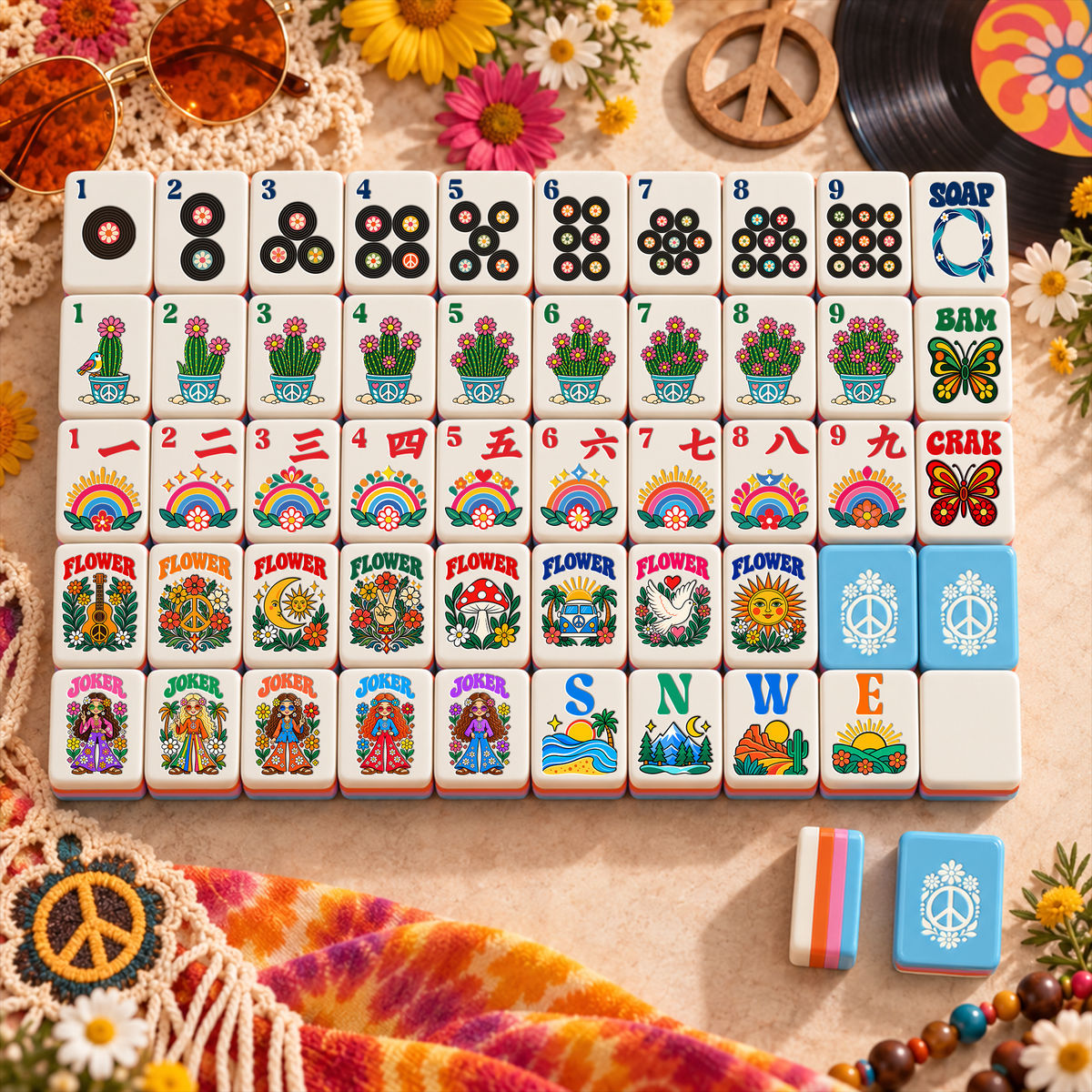
Honolulu's beginner mahjong classes are available through public libraries, community recreation centers, synagogues, country clubs, and private instructors advertised on community Meetup boards. Most programs teach American mahjong (the ruleset played on the National Mah Jongg League card, updated yearly) and cover tile recognition, Charleston passing, hand patterns, and joker use over 4–8 weeks. Class sizes range from 2–12 players; fees vary by provider. Start by calling your local library's recreation desk or searching "[your neighborhood] mahjong meetup" online. Instructors typically provide loaner sets, but players serious about the hobby invest in a quality American mahjong set and mat to practice at home.
Where do I find mahjong classes in Honolulu?
Honolulu beginners typically locate classes through five main channels. Public libraries often host free or low-cost lessons in community rooms; call your branch's activities desk or check the website's event calendar. Parks & Recreation centers run seasonal adult education programs—search "Honolulu Parks and Recreation adult classes" and filter for games or wellness. Synagogues and Jewish community centers frequently offer women's and co-ed mahjong circles, some teaching, some open-play. Country clubs and retirement communities post class schedules online or accept walk-ins for open-play sessions. Finally, Meetup.com and Eventbrite let you filter by "mahjong" and "Honolulu" to find private instructors or casual meetups. When you find a prospect, ask if it's American mahjong (the most common variant in the U.S.), what the instructor's experience is, and whether you can observe a session free before enrolling.

What should I expect in my first class?
Your first session typically covers the 152-tile American mahjong set's composition: three suits (Bams, Craks, Dots numbered 1–9), winds (North, East, West, South), three dragon types (Red, Green, White), flowers, and eight jokers. The instructor will demonstrate how tiles are drawn, the Charleston (the ritualized tile-passing sequence before play), and how to read the current year's National Mah Jongg League card to recognize winning hand patterns. You'll practice calling and exposing groups (three or four identical tiles called a pung or kong) and learn that American mahjong has no sequences or "chows"—only identical sets. Most classes include 1–2 practice hands at normal speed so you feel the rhythm of play. Expect to take notes; many players keep a personal cheat sheet of the most common hand types. Bring a notebook, wear glasses if you need them (tile print is small), and arrive 10 minutes early.
How long does it take to become comfortable?
Most players feel functional after 4–6 weeks of once-weekly lessons totaling 4–6 hours in class, plus 3–5 hours of solo practice using flashcards or online tile recognition drills. You'll recognize the tiles, understand the Charleston, and spot 3–4 common hand patterns confidently. True comfort—speed, decision-making, strategy—takes 8–12 weeks of combined class and weekly home play. Beginners often underestimate how much the eye learns: tile recognition speed jumps dramatically after your third live hand. A realistic timeline: Week 1–2, tile recognition and basic rules; Weeks 3–4, hand reading and Charleston flow; Weeks 5–6, live play without stopping to ask questions; Weeks 7–12, strategic thinking (which tiles to discard, when to claim tiles). Playing at home with a mahjong set and mat between classes accelerates this arc by 50%.
Should I buy my own set before or after my first class?
Wait until after your first or second class, when you've handled loaner tiles and confirmed American mahjong appeals to you. Loaner sets in Honolulu classes vary in quality—some use plastic tiles so small they're hard to read, others use larger acrylic. Once you've felt a decent set, you'll know what matters to you: tile size, weight, case durability, or engraved personalization. Beginners often assume any set works; experienced players report that a set with small tiles or poor contrast between suits drains focus and slows learning. A best-selling acrylic American mahjong set designed for home play ships ready to use, with all 152 tiles, 8 jokers, a mat, and racks in one box—no hunting for spare parts. Buying after your first class also lets you ask the instructor what they recommend for home practice. Many instructors and local players develop trusted preferences; a personal recommendation beats generic features.
🀄 Shop best-selling mahjong sets →
What is the biggest mistake beginners make?
The most common error is memorizing individual hands instead of learning pattern families. The National Mah Jongg League card organizes hands by structure, not by tile combination. For example, a hand might say "2023 card, Section 5: Pung/Kong/Quint/Sextet," meaning any four groups of those types in one suit wins—hundreds of tile combos satisfy it. New players spend hours drilling specific tile sequences, then panic at the table when the exact tiles don't appear. The card is your reference tool, not a memorization text. Before class, learn how to read a mahjong card so you understand the card's logic. Another frequent trap: over-valuing discards. Beginners hold risky tiles too long, hoping to build a hand, when folding and moving to the next round is faster. Ask your instructor early: "Should I discard the dangerous tile or hold it for the win?" A single clear answer prevents 10 rounds of second-guessing at the table.
Beginner Mistake | Why It Slows Learning | What to Do Instead |
Memorizing exact hands | Card has hundreds of solutions per pattern; you'll freeze when tiles differ | Learn pattern families and use the card actively |
Holding risky discards too long | Fear of "losing" leads to dead hands and slow play | Discard defensively; fold faster; play the next round |
Not using a mat or racks | Tiles slip, your hand orientation confuses others, you miss called groups | Use a mat and racks from your first practice session |
Treating the Charleston as optional | It's a rule, not a courtesy; uneven trades mess up everyone's odds | Perform it exactly as taught; ask questions after, not during |
Skipping the current-year card | Last year's hand doesn't win this year; rule changes appear annually | Buy or request the current card; update it each spring |

What should I practice at home between classes?
Between lessons, spend 20–30 minutes three times a week on tile recognition drills: shuffle a loose set (or digital flashcards), draw tiles one at a time, and name the suit and number aloud as fast as you can. You're training your eye to distinguish Bam from Crak from Dot reliably—the top speed limiter for beginners. Set a timer: most experienced players name 20 tiles in under 60 seconds. If you're slower, practice another week. Next, ask your instructor for three sample hands from the current year's card. Copy them onto index cards, then lay out tiles on a mat to see how each hand looks physically. This bridges theory and table reality. Finally, invite a friend or family member to practice the Charleston with you step-by-step, even if they don't play mahjong. The Charleston is the biggest hurdle for newcomers; drilling it outside class removes the time pressure and social anxiety at the first live game.
Do I need a mat, racks, and bag right away?
No—loaner mats and racks are often included in class. But within 2–3 weeks, buying your own streamlines practice. A mahjong mat keeps tiles from sliding off your lap or table and marks out wall, flower rack, and discard positions clearly. Racks with pushers let you organize your hand visibly without fumbling—crucial for beginners managing 14 tiles for the first time. A bag or case keeps your set and mat clean and portable, so you can attend social games or meetups without worry. Together, they cost less than two months of private lessons and last years. Many Honolulu players with regular games upgrade mats every 2–3 years as wear accumulates. If budget is tight, start with a mat, add racks by week four, and add a bag only once you're playing weekly outside your home.
🎁 See our most-loved mahjong sets & accessories →
What rules differ between American and other variants?
American mahjong is distinctive because no chows (sequences like 1–2–3) can be called or exposed—only pungs (three identical tiles) and kongs (four identical) plus quints and sextets. You win from the current year's National Mah Jongg League card only, and the card changes every spring. Chinese and Hong Kong mahjong allow chows and use a fixed ruleset updated less often. Riichi mahjong (Japanese) has an entirely different tile set and hand structure. If your Honolulu class teaches American mahjong, stick with that until you're comfortable, then explore variants if curious. Most casual Honolulu groups play American because it's simpler for drop-in players and the annual card adds novelty. Knowing this helps you confirm the variant before enrolling, so you aren't surprised on day one.
✨ Find your Mahstead set — free US shipping →
What to check before you buy a mahjong set for practice at home
Tile size: Holds 1–1.25 inches per side (no smaller; tiny tiles hurt beginner eyes).
Clarity of markings: Suits and numbers are crisp, printed or engraved, not smudged.
Case or mat included: At minimum, a protective case keeps tiles from chipping or getting lost.
152 tiles + 8 jokers: American play uses exactly these quantities; anything less or more is a red flag.
Acrylic or quality plastic: Bamboo or bone sets are beautiful but heavy for practice; acrylic is lighter and cleaner.
Return or warranty info: Reputable makers stand behind their sets.
Mahjong for beginners covers setup, hand reading, and first-game jitters in detail. If you're also curious about how jokers work and the Charleston explained, those guides will deepen your confidence before class starts.

FAQ
Are there women-only mahjong classes in Honolulu?
Yes. Synagogues and Jewish community centers often host women's-only mahjong meetups and lessons. Libraries and Meetup also list women-focused groups. Call ahead to confirm the group's vibe and whether it welcomes absolute beginners.
How much do Honolulu mahjong classes cost?
Cost varies. Public library lessons are free or $5–15 per session. Community recreation classes typically run $30–60 for a 4–6 week session. Private instructors charge $25–60 per hour. Search providers in your area for exact rates.
Can I learn mahjong online instead of in-person?
Online lessons (video or live Zoom) work for rules and tile recognition drills. However, in-person play is crucial for speed, social comfort, and learning what the table feels like. Combine online basics with one in-person class for best results.
What's the National Mah Jongg League card, and why does it matter?
The card is an annual printout listing all legal American mahjong winning hand patterns for that year. Hands must match the card exactly. Instructors distribute the current card in class; new players often assume hands stay the same yearly and miss the annual update—a common mistake.
Should I learn American or Chinese mahjong as a beginner?
If you're in Honolulu taking a local class, ask the instructor which variant they teach. American is more common in U.S. community centers and casual groups. Chinese is more strategic but harder to learn solo. Choose the variant your local community plays—you'll find teammates and faster growth.
Do I need to buy an expensive mahjong set for practice?
No. Loaner sets are fine for your first 2–4 weeks. Once you're committed to playing weekly, a mid-range American mahjong set with a mat and case improves practice speed significantly. Spending more on engraving or exotic materials is optional and doesn't affect learning.


View More
View More
View More
