
How Many Tiles in Wuhan Mahjong: Complete Tile Count Guide
Last updated: Nov 23, 2026
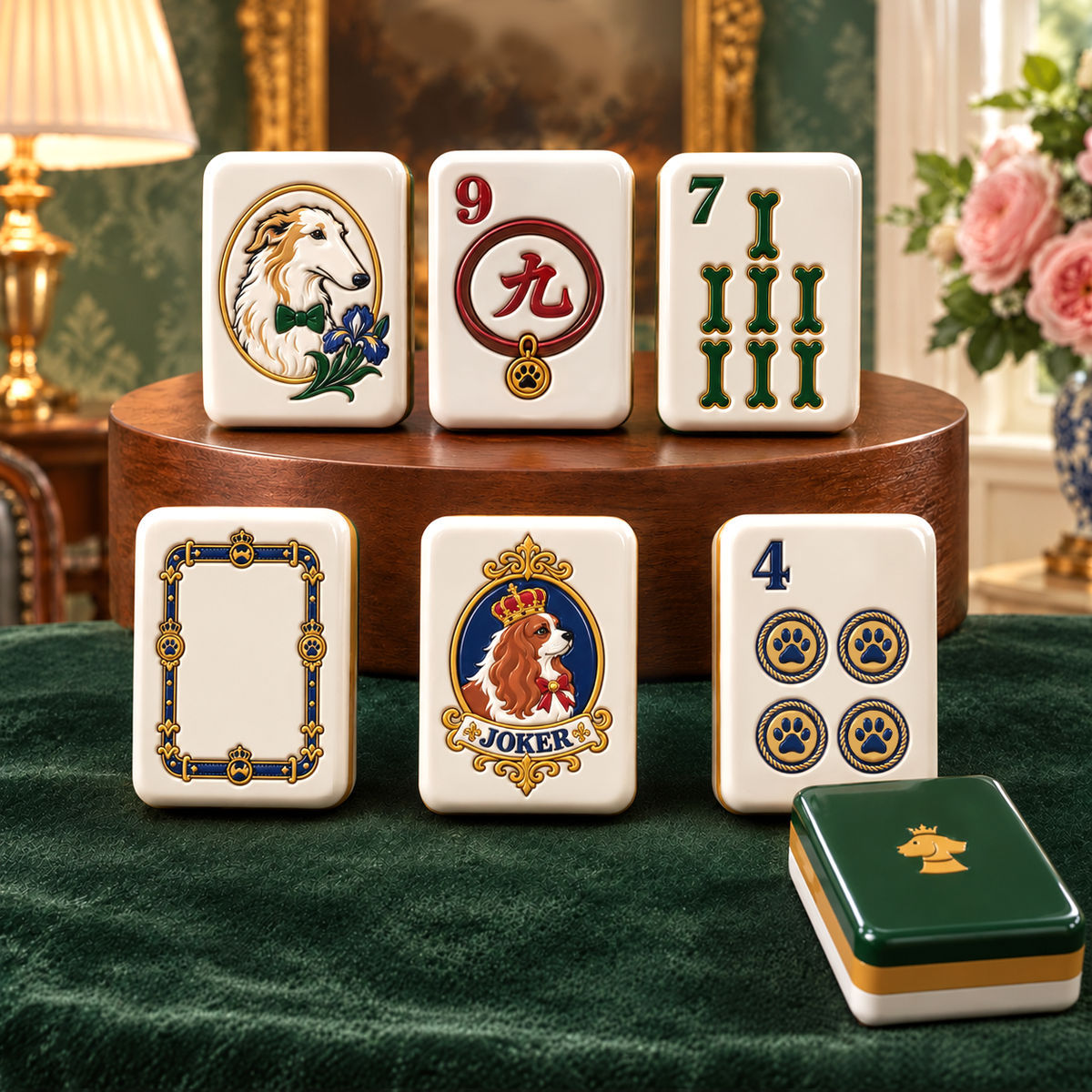
Wuhan mahjong, played in Hubei Province, China, uses 108 tiles: three suits (Bams, Craks, Dots) numbered 1–9 with four copies each (108 total), plus no honors, dragons, flowers, or jokers. This is Chinese Classical mahjong, the ancestral form. Unlike American mahjong's 152-tile set (which adds 16 winds, 12 dragons, 8 flowers, and 8 jokers), Wuhan strips play to pure suit tiles and draws all 14 tiles at game start. Hands form from chows (1-2-3 sequences), pungs (three identical), and kongs (four identical)—mechanics forbidden in American mahjong. A Wuhan game plays faster and with less scoring complexity; there's no League card and no official hand list. If you've played American mahjong, Wuhan feels like learning a cousin language: same tile faces, entirely different rules.
Wuhan mahjong, also called Wuhan-style or standard Chinese Classical mahjong, represents one of the most direct lineages from mahjong's original 19th-century Shanghai form. When players in Wuhan Province gather around a table, they're using half the tiles you'd need for an American game—and that's by design, not accident.
Why Does Wuhan Mahjong Have Only 108 Tiles?
The 108-tile count comes straight from mahjong's oldest structure: three suits × nine ranks × four copies each. Wuhan players treat this as complete. Honors (winds and dragons) arrived later as regional elaborations; Wuhan retained the core. This streamlined count makes the tile pool more volatile—you see every number rank more often per hand, forcing quicker decisions. The math also means faster rounds: with four players drawing 14 tiles each at start (56 total) plus the wall draw sequence, you reach winning hands in fewer turns than American mahjong, where the tile pool's 152-piece size and presence of honors dilute suit-tile frequency.

What's Actually in a 108-Tile Wuhan Set?
A Wuhan set contains exactly three suits—Bams (bamboo), Craks (characters), and Dots (circles)—each running 1 through 9. Four identical copies of each tile exist, yielding 108 tiles total. No winds. No dragons. No flowers. No jokers. Wuhan mahjong tiles look identical to American mahjong tiles at first glance; the difference is which ones are in the box. If you bought a standard best-selling American mahjong set, you'd have 44 extra tiles—all honors and bonuses. Strip those away, and you're holding a Wuhan set. Most Chinese retailers outside Wuhan don't sell dedicated "Wuhan" sets; they sell generic 108-tile Classical sets and let regional rule variation happen at the table.
How Does Wuhan Play Differ from American Mahjong?
American mahjong forbids chows (1-2-3 sequences) in your hand—you may only expose pungs (3), kongs (4), quints (5), and sextets (6). Wuhan mahjong requires chows. Every winning hand in Wuhan contains at least one chow; the hand structure is melds (pungs, kongs, chows, or eyes). You draw one tile, discard one tile, and announce which melds you're forming as you play, sometimes exposing them. Jokers don't exist in Wuhan; you use no wild tiles. Scoring is simpler—most hands are worth the same base points, with multipliers for special patterns like "all one suit" or "all terminals." The American mahjong experience revolves around hunting for hands on an annual League card; Wuhan relies on memorized pattern families passed down and adapted locally.
Aspect | Wuhan (108 Tiles) | American (152 Tiles) |
Tile count | 108 (suits only) | 152 (suits + honors) |
Honors & dragons | None | 16 winds + 12 dragons |
Chows allowed | Yes, required | No, forbidden |
Jokers | None | 8 jokers (Whites wild) |
Flowers | None | 8 flower tiles |
Melds | Chows, pungs, kongs | Pungs, kongs, quints, sextets only |
Hand source | Memorized patterns | Official League card (yearly) |
Draws per game | ~13 per player | ~13 per player |
Pacing | Faster rounds | Slower, more deliberate |
Exposure | Mid-hand melds shown | All melds shown before going out |
🀄 Shop best-selling mahjong sets →

Where Is Wuhan Mahjong Played Today?
Wuhan mahjong is strongest in Hubei Province and among diaspora communities from that region—Wuhan natives abroad often host home games using Classical rules. You won't find Wuhan mahjong in American mahjong leagues or clubs; those exclusively play American rules with the League card. If you're learning mahjong in North America, Europe, or Australia, you'll encounter American or Hong Kong variants far more often. To find Wuhan players, look for Chinese cultural centers, informal home games in Wuhan expat networks, or online communities focused on Chinese Classical mahjong (sometimes called "Guobiao" or "national standard" play). The 108-tile format is also the foundation for Riichi mahjong (Japanese), though Riichi adds its own rule layer and hand structures.
🎁 See our most-loved mahjong sets & accessories →
Can You Play Wuhan Rules with an American Mahjong Set?
Technically yes—you'd ignore the 44 extra tiles (all winds, dragons, flowers, jokers) and set them aside, then play with the remaining 108 suit tiles. But this approach wastes half your set and wastes space storing unused tiles. If you're serious about Wuhan play, sourcing a dedicated 108-tile Classical set from a Chinese retailer makes more sense than buying American. That said, many households that own engraved American mahjong sets for formal home games sometimes keep a separate smaller set for casual Wuhan or Hong Kong play. Acrylic tile sets (like those with engraved designs) are durable enough to justify owning two or more; bamboo or bone sets are expensive, making dual ownership less practical. If you host weekly games and expect to teach both American and Wuhan variants, two sets let you accommodate both rule groups without confusion.
✨ Find your Mahstead set — free US shipping →
What to Check Before You Buy
If you're shopping for a Wuhan mahjong set online, verify the tile count in the product description—it should say "108 tiles" or "Classical" or "Chinese." Confirm the suits are Bams, Craks, and Dots (no other suit names). Check that the set contains NO winds, NO dragons, NO flowers, and NO jokers. If a listing shows a tile photo, count the honor tiles visible—if you see any tile with wind characters (N, E, S, W) or dragon symbols (red, green, white), it's not a pure Wuhan set. Many retailers mislabel "universal" sets that include honors as "108-tile" when they're actually 144-tile or larger hybrid sets. Ask the seller directly: "Does this set contain only Bams, Craks, and Dots, with no honors?" A "yes" answer confirms a true Wuhan set. For travel or regular hosting, pair your set with a durable mahjong mat and a travel bag to protect tiles and keep components organized.

FAQ
Is Wuhan mahjong the same as Chinese mahjong?
Wuhan is one regional style of Chinese mahjong. China has many variants—Hong Kong, Sichuan, and Shanghai each have different rules and tile counts. Wuhan uses 108 tiles and strict chow requirements; other Chinese regions vary. They share the same cultural root but differ in play.
Can I learn Wuhan mahjong if I already play American mahjong?
Yes. You'll already understand tile faces and basic pung/kong logic. The big shift is learning chows (sequences) and how to form melds during play rather than hunting a pre-written card. Most experienced American players pick up Wuhan in 2–3 sessions of focused practice.
Why don't American mahjong sets use only 108 tiles?
American mahjong evolved from Shanghai rules in the early 1900s and added honors (winds, dragons) and flowers for complexity and scoring variety. The League card system (introduced 1937) further shaped what tiles were needed. American and Chinese play diverged as distinct games with different philosophies.
Where should I buy a Wuhan mahjong set in the US?
Check Chinese import retailers, online marketplaces focused on Chinese games, and local Chinese cultural centers or shops. Western retailers like Mahstead specialize in American mahjong sets; they don't stock dedicated Wuhan sets because demand is much lower than American play in North America.
Can I use a Wuhan set to play Hong Kong or Sichuan mahjong?
Not fully. Hong Kong and Sichuan add honor tiles and flowers, so a 108-tile Wuhan set is incomplete. Those variants need 144-tile or larger sets. Wuhan's 108-tile format is specific to Wuhan and closely related Classical-only rulesets.
Do Wuhan tiles look different from American mahjong tiles?
No. The tile faces (Bams, Craks, Dots numbers, and any honor symbols) look identical. The difference is which tiles are in the box. A Wuhan set just excludes the honors, flowers, and jokers. If you see the tile photos, you won't visually know it's Wuhan until you count the complete inventory.
How long does a Wuhan mahjong game take?
Typically 15–30 minutes per hand, faster than American mahjong (20–40 minutes). The smaller tile pool and simpler scoring mean fewer deliberation breaks. A casual session of three or four hands usually takes 60–90 minutes.


View More
View More
View More
