
Mahjong Classes for Beginners in Greenville: Where to Start
Last updated: Nov 23, 2026
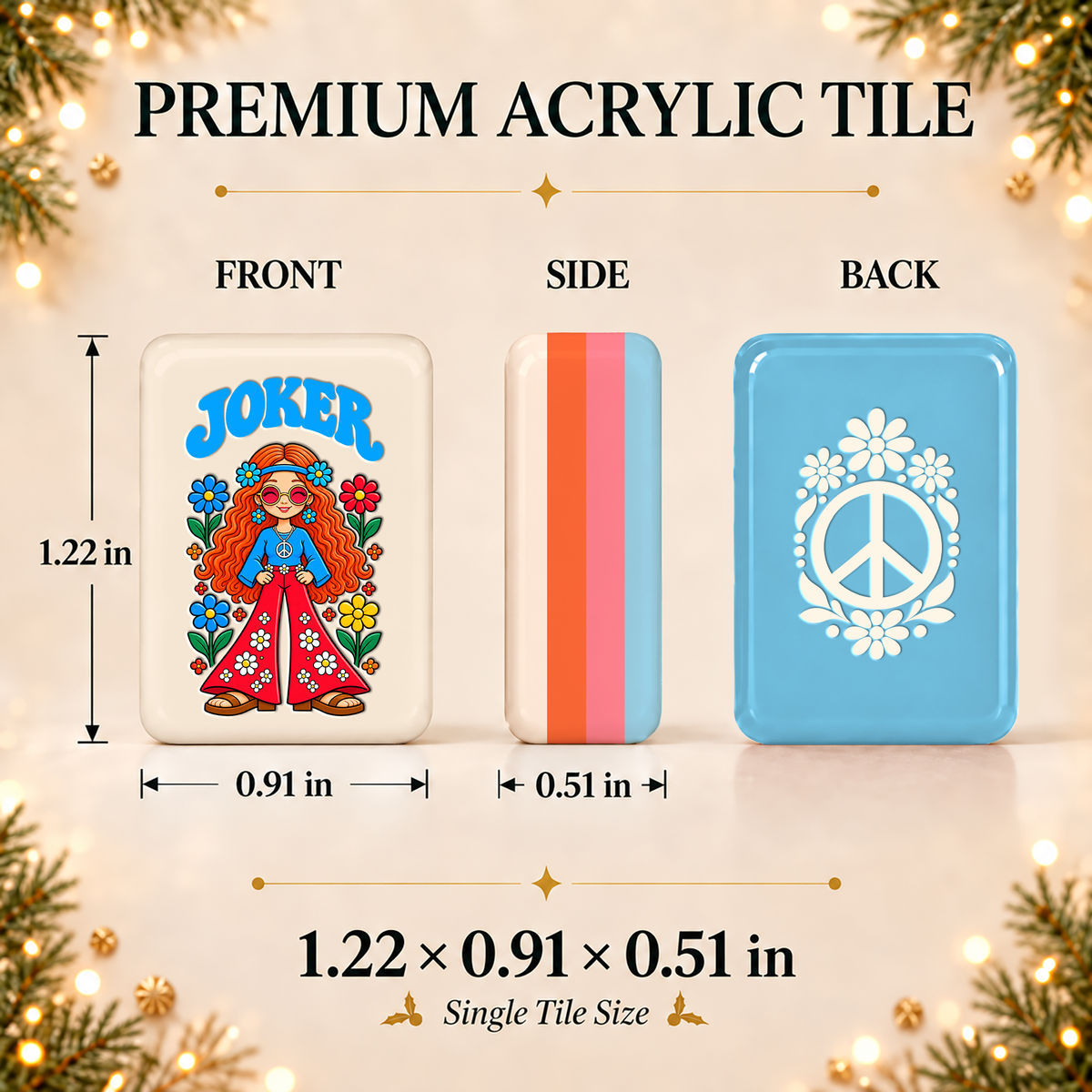
Greenville's mahjong community lives in public spaces: check your library system's activity calendar, community center bulletin boards, country clubs' game rooms, and meetup.com for weekly beginner tables. Most groups welcome absolute newcomers and teach as you play, though a private tutor (found through library staff or local players) costs more but moves faster. Beginner fundamentals take 3–4 weeks of twice-weekly play to stick; expect friendly games, not competition. You'll need a 160-tile American mahjong set (152 playing tiles plus spares), a mat for tile grip and organization, and the current National Mah Jongg League card. Many groups loan sets initially; once hooked, investing in your own set lets you host games and practice daily at home.
Greenville, South Carolina has no formal mahjong school, but that's actually good news: American mahjong thrives in casual, welcoming settings where players teach by example. We've played in similar mid-sized cities and found that beginner players learn fastest in relaxed weekly games with one experienced hand at the table. Let's walk through exactly where to find these games, what they'll teach you, and how to get ready.
Where do beginner classes meet in Greenville?
Start at Greenville County Library's main branch and branch locations—call the reference desk or check their online event calendar for "game groups" or "mahjong" listings. Libraries often host rotating game tables, and librarians know local players who run informal meetups. Community recreation centers (run by the city or parks department) sometimes offer seasonal beginner workshops or drop-in game nights; check their spring/summer program guides. Country clubs, synagogues, and church fellowship halls frequently host weekly games; ask about visitor passes. Finally, search meetup.com for "mahjong Greenville SC" or "game night Greenville"—if no active group exists, you can post a call for players.

What will your first class actually teach?
Most beginner meetups don't follow a "class" curriculum; instead, one or two experienced players sit with you while everyone plays. You'll learn how American mahjong works—the 152-tile set, the four suits (Bams, Craks, Dots), winds, dragons, and flowers—in context as tiles hit the table. Expect to spend session one on tile names and the Charleston (the tile-passing ritual before the hand starts). Sessions two and three cover reading the National Mah Jongg League card to recognize winning patterns and how jokers work. By week four, you'll follow a full hand, spot your own melds, and understand basic strategy. The teaching stops being deliberate around week five—you're just playing, learning from mistakes and watching others' choices.
🀄 Shop best-selling mahjong sets →
How long before you can play a real game?
Most groups get beginners into their first complete game by session two or three. "Real" means you're playing with three other players, following the card, calling melds when you have them, and playing until someone wins or the hand ends in a draw. You won't win often at first—you're still learning which tiles are safe to throw and how to read the card quickly—but you'll feel the game's logic by the end of week two. Full competence (winning regularly and reading the card without delay) takes 6–10 sessions spread over 2–3 months. Many players keep improving for a year or two, and strong players study forever. The beauty is that you're never "bad enough" to be asked to leave; every group remembers being new.
What equipment do beginners actually need?
You need a 160-tile American mahjong set (152 playing tiles plus spares for breakage), a mat, a rack with pushers for each player, and the current year's National Mah Jongg League card. Most groups provide sets and mats for first-timers, but after two or three sessions, hosting your own games at home speeds learning dramatically. A set with engraved tiles in your style makes practicing solo or with friends more enjoyable. A padded mat keeps tiles from sliding and makes tile organization visible; a travel-ready bag or case lets you carry your set to the library or meetup. If you'll play weekly at home, invest in racks with pushers—they hold tiles at the right angle so you don't strain your wrists and they make play faster and quieter.
Item | Beginner's first need | When to buy it | Why it matters |
Mahjong set (160-tile) | Maybe not yet; borrow | After 2–3 sessions | Lets you host games and practice daily |
Mat | No; groups have them | When you buy a set | Prevents sliding; organizes your view |
Racks with pushers | Nice to have; borrow | After 4+ sessions | Speeds play; saves wrist strain |
National Mah Jongg League card (current year) | Yes, immediately | Before first session | You cannot play without it |
Bag or case | No | If you host weekly games | Protects set during travel |

How do you know if a group or tutor is right for you?
Visit a session without committing. A good beginner group plays the right speed (not so fast you never see your tiles coming; not so slow you forget what suit you're holding), explains card-reading when asked, and gently corrects rule mistakes without shaming anyone. The tutor or experienced player(s) sit with the group, not apart, and play their own hand. If the table feels competitive or impatient with questions, try another meetup. A private tutor should have played American mahjong for at least two years, be willing to let you practice hands before keeping score, and cost roughly what one dinner out costs per hour. Red flags: anyone who says you need to buy a specific set brand, anyone who won't explain the card, and anyone who plays "house rules" instead of the National Mah Jongg League ruleset.
🎁 See our most-loved mahjong sets & accessories →
What should you practice at home before week two?
Memorize tile names: all nine Bams (including the bird on the 1), Craks, and Dots; four winds (North, East, West, South); three dragons (Red, Green, White); eight flowers (Spring, Summer, Fall, Winter, Plum, Orchid, Bamboo, Chrysanthemum). Play the "tile-naming game" by yourself—shuffle your set and lay out 20 tiles, naming each aloud. Learn the current National Mah Jongg League card: study one or two hand patterns each day so you recognize shapes when tiles appear in play. If you have a partner or friend, do the Charleston together several times (the four-way tile pass before the hand) and practice calling melds ("pung of 3 Dots," "kong of East wind") out loud. This sounds tedious, but one hour of solo naming practice eliminates half the cognitive load you'd carry into your first group session. You'll look confident and people will want to teach you.
✨ Find your Mahstead set — free US shipping →
What to check before you buy a set for home practice
If you've played 3+ times and you're ready to host your own games, choose a set that fits your hands and your table. Acrylic tiles (smooth, durable, easy to clean) last longer than bamboo and bone for casual play. Engraved sets with personalized text or designs make games feel more intentional and are easier to spot if you loan tiles to friends. A mat with a raised lip keeps tiles contained and prevents them rolling onto the floor. If you travel to meetups, a padded case protects your tiles and fits on a car seat. Avoid novelty sets marketed as "beginner-friendly" if they use non-standard tile counts (American mahjong always uses exactly 152 playing tiles, never fewer or more) or skip the current year's National Mah Jongg League card. A set without a card is decorative, not playable.

FAQ
Can I learn mahjong online instead of a class in Greenville?
Video tutorials and beginner guides teach the rules, but real-money or free-play mahjong apps differ from American mahjong and won't prepare you for live games. In-person play is faster: you learn tile feel, speed, and social rhythm in one session.
How much does a beginner class or meetup cost?
Drop-in community center games are free to around $5 per session. Library games are free. Private tutors cost $40–100 per hour depending on your city and tutor experience. No legitimate group charges membership fees upfront.
Do I have to buy a mahjong set right away?
No. Borrow from the group or a friend for your first 3–4 sessions. Once you're hooked and ready to host, buying a quality set lets you practice daily and deepen your game.
What's the difference between American mahjong and Chinese or online mahjong?
American mahjong uses the National Mah Jongg League card—you can only win with patterns listed on the current year's card. Chinese and online variants use free-form hand combinations. American is slower, more strategic, and better for social play with mixed skill levels.
Where can I find Greenville players once I'm comfortable?
Ask at your first class for a regular meetup WhatsApp group or email list. Many Greenville games run weekly at libraries or homes year-round; experienced players will invite you if you show up and participate kindly.


View More
View More
View More
