
Mahjong Table Décor: Design Your Game Night Space
Last updated: Nov 23, 2026
Mahjong table décor combines the playing surface, seating comfort, lighting, and personal style elements that turn a regular table into a gathering place. Your setup includes a mat or cover beneath the tiles, racks that frame the game, and ambient touches—wall color, centerpieces, or themed accessories—that reflect your players' tastes. Most players spend 2–4 hours per game session, so comfort and visibility matter as much as aesthetics. A complete décor approach pairs a quality mahjong mat with cohesive accessories: a best-selling mahjong set in a coordinated finish, racks with pushers that complement your table's vibe, and proper lighting overhead. Mahstead players often anchor their décor around the tile set's color and engraving style, building the rest of the room outward from there.
What's your table's foundation—mat or cover?
A mat and a table cover serve different roles. A mat sits directly on your table with tiles played on top of it; a cover protects the table surface itself and sits beneath everything. If your table has scratches or you rent your space, a protective cover makes sense. If you own the table and want the mat to frame the game and protect tiles from sliding, choose a mat. Most weekly game hosts use a mat because it defines the play zone visually and travels easily to other homes. Mat thickness ranges from thin microfiber to padded versions; thicker pads reduce noise when tiles click and stack, a real comfort during long sessions. Learn how to choose between mat styles before deciding—one isn't better, just suited to different spaces.

How does your tile set color anchor the whole room?
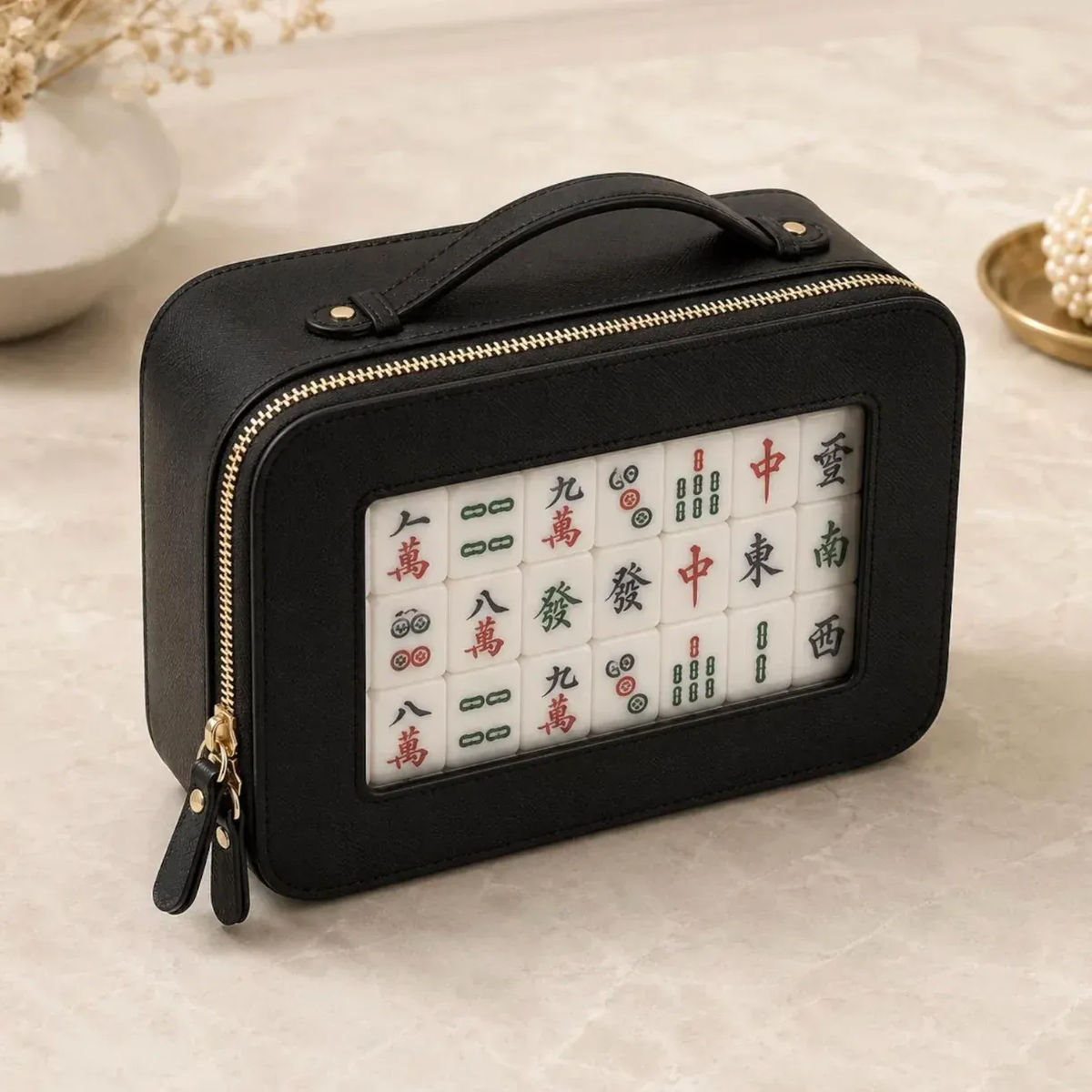
Your tile set's aesthetic—whether classic jade green, bold red, or engraved with house names—becomes the visual centerpiece. Hosting weekly games means players see your set every session, so choose a finish that reflects your group's personality. Light-colored tiles (cream, white, natural bone tones) pair well with neutral walls and natural wood tables. Deep colors like emerald or burgundy feel luxe and suit rooms with darker furniture. Engraved sets with family names, funny house titles, or custom designs tell a story and give casual groups a shared identity. Our best-selling collection includes traditional and contemporary finishes—browse by color family and theme to find what feels right. Once you've chosen the set, your mat, rack finishes, and accent colors follow naturally.
What role do racks and pushers play in décor?
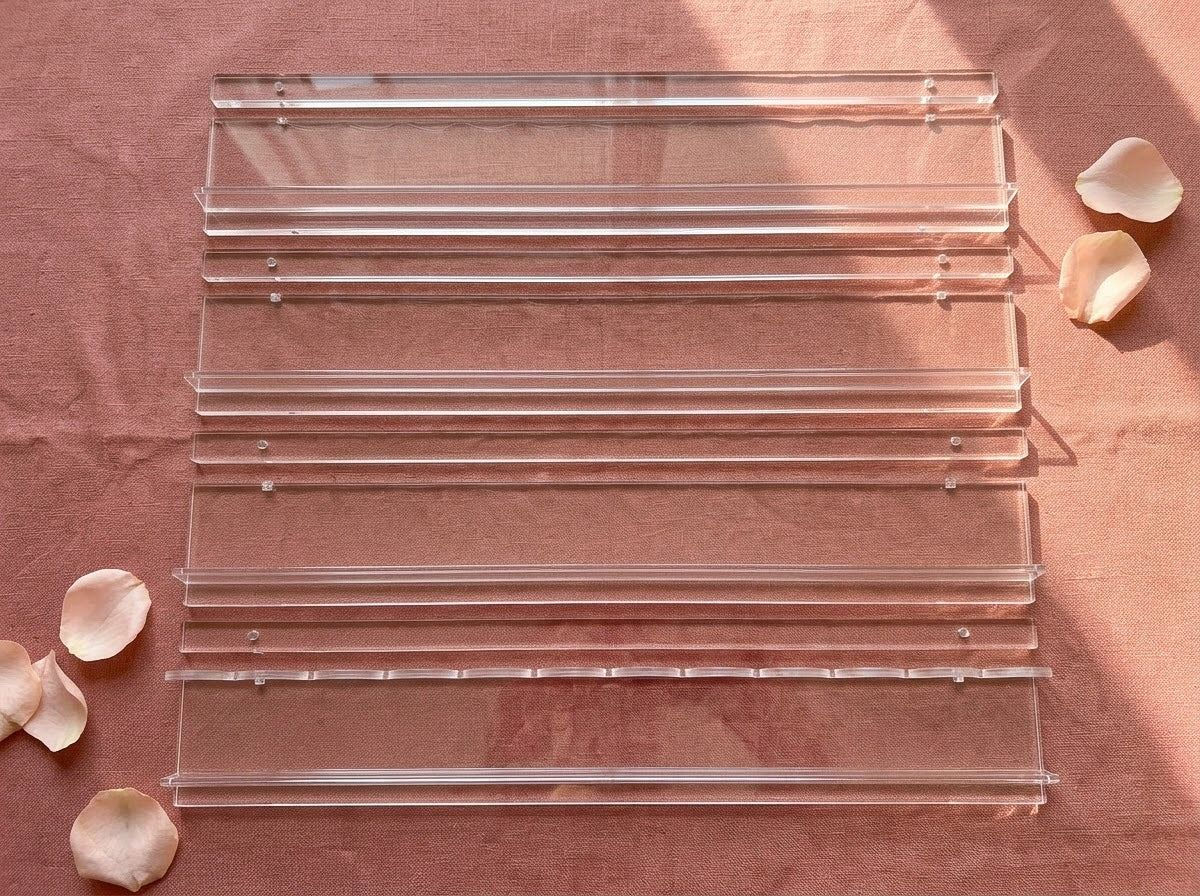
Racks aren't just functional—they're front-and-center pieces that frame each player's tiles visually. A matching set of four racks with pushers creates symmetry and a polished look. Bamboo racks read warm and traditional; clear acrylic racks feel modern and open. Pushers (small tools for sliding tiles) can be wood, acrylic, or metal, each with a different visual weight. If your table is small or cozy, slimmer racks keep things intimate. Larger tables and groups benefit from taller, more substantial racks that are easy to see across the room. The mahjong racks with pushers guide covers height, material, and why matching all four racks matters more than you'd think—mismatched racks distract players and undermine the intentional vibe you're building.
Which lighting and seating upgrades matter most?
Good overhead lighting is non-negotiable—tiles are small, and squinting players get tired fast. Position a ceiling fixture or pendant directly above the table so light hits the mat without glare. Dimmable lights let you adjust for daytime versus evening games. Seating comfort keeps players engaged for full sessions: four chairs with good back support, arm space, and height that aligns with table surface make a real difference. Skip bar-height seating unless your table is very high; standard dining table height (30 inches) pairs best with 18-inch chair seats. Add a small side table within arm's reach for drinks, snacks, and the National Mah Jongg League card so players don't fumble mid-game. Soft rugs under the table define the space acoustically and make the room feel intentional.
How do accessories tie the whole aesthetic together?
Small touches build personality: a decorative centerpiece at the table's edge (never blocking sight lines), coordinating placemats for drink glasses, or a storage shelf nearby that displays extra mahjong bags and cases and accessories. If your group loves humor, custom engraved tiles with inside jokes or house names become conversation starters. Wall décor matters too—a framed mahjong calendar, art celebrating the tiles, or photos of past game nights create context. Some hosts keep a notebook at the table to track running scores, adding a functional craft element. Seasonal touches—a holiday mahjong set at Christmas, fresh flowers in spring—keep regular players excited about returning. The key is cohesion: every piece should echo your set's color and style, not fight it. Think "curated living room" rather than "decorated garage."
🀄 Shop best-selling mahjong sets →
Décor Decision Framework: Match Your Setup to Your Players
Setup Type | Best For | Key Pieces | Vibe | What to Know |
Formal weekly group | 4 regulars, 2–3 hour sessions | Engraved set + padded mat + matching racks | Refined, intentional | Invest in comfort; players will see this weekly |
Casual friend group | Rotating players, relaxed stakes | Bright-colored set + simple mat + basic racks | Fun, approachable | Durability trumps luxury; focus on easy storage |
Teaching space | New players learning rules | Clear-tile set + instructional mat + adjustable racks | Open, educational | Good lighting essential; choose neutral accessories |
Holiday hosting | Seasonal or special events | Festive or themed set + coordinating cover + guest comfort | Celebratory, memorable | Christmas sets work well here |
Multi-table tournament | 8+ players, multiple games | Matching sets (color/finish) + consistent mats + storage system | Professional, organized | Standardize across tables so no one feels slighted |
What to Check Before You Buy Your Setup
Measure your table first. Standard dining tables are 36–48 inches wide; ensure your mat fits with 2 inches of clearance on all sides so tiles don't hang off. Visit a store or handle sets in person if possible so you can feel tile weight and see actual color (photos rarely match). Count your players permanently. Four racks cover standard play; if you host three-player games, you'll adapt, so don't buy fifth racks unnecessarily. Check your room's natural light. Dim rooms need better overhead fixtures; bright rooms hide flaws in tile finish, so matte finishes work better. Budget for upgrades over time. Start with a solid best-selling set, add a good mat, then upgrade racks and lighting as you host more. Verify shipping and assembly. Mahstead ships free across the US; sets arrive intact and ready to play—no assembly needed. Test your setup for one month before inviting guests, so you can adjust lighting, seating, or accessory placement based on real use.
🎁 See our most-loved mahjong sets & accessories →
Seasonal and Themed Décor for Year-Round Hosting
If you host weekly games, rotating small décor elements keeps the space fresh without constant overhaul. Winter sessions feel cozier with warm wood tones and dim lighting; spring games shine under bright fixtures with light-colored tiles. Summer outdoor games need weatherproof mats and shade structures. Themed game nights—"red dragon night," "lucky numbers," or anniversary celebrations—can lean into matching tile sets or custom engraved pieces that tell your group's story. Mahstead's new mahjong arrivals introduce seasonal and limited designs throughout the year, perfect for hosts who want to refresh their table without replacing the core setup.
Your Mahjong Table: A Living, Evolving Space
Décor isn't static—it grows with your group. Your first setup might be simple: a set, a mat, four chairs. As you host more, you'll notice what works: maybe taller racks so corner players see better, or a darker mat so light-colored tiles pop. Maybe you'll add a scoring board, upgrade the lighting, or invest in engraved sets that make newcomers smile. The best mahjong tables reflect their hosts' choices, not a magazine spread. Start with fundamentals—a quality mat, comfortable seating, good light—and build from there. When you're ready to invest further, our mahjong racks guide and accessory collections show what weekly hosts actually use.
✨ Find your Mahstead set — free US shipping →

FAQ
Can I use a regular tablecloth instead of a mahjong mat?
A tablecloth won't prevent tiles from sliding or protect them from knocks. A mahjong mat grips tiles, reduces noise, and creates a defined play zone. If you love your tablecloth underneath, layer a mat on top—the mat protects both.
What's the ideal overhead lighting for a mahjong table?
A single fixture 3–4 feet above the table, dimmable, delivering 500–800 lumens, eliminates shadows and glare. Avoid ceiling fans that cast moving shadows. Test it before guests arrive; if players squint in the first 15 minutes, your lighting isn't bright enough.
Do all four racks have to match?
Matching racks create visual balance and signal that your setup is intentional. Mismatched racks look accidental and can distract players. If you're starting out, buy a set of four; if upgrading, replace all four at once rather than one at a time.
How much space do I need around the table for players to sit comfortably?
Leave 12–18 inches between the table edge and each chair for leg room and seat adjustment. Four chairs need a rectangular table at least 48 inches long and 36 inches wide, or a round table 48 inches in diameter. Cramped seating ends game nights early.
Can I host mahjong outdoors, and what décor changes?
Yes, but choose weatherproof mats, bring a shade structure to control glare, and use weights to hold tiles down on windy days. Outdoor tiles show dirt faster, so lighter finishes may require more cleaning. Store your set indoors after each session to prevent moisture damage.
Should I buy extra jokers or blank tiles for my décor setup?
Extra jokers and blanks are spares; a 160-tile set has everything you need for play. Don't display spares on the table—keep them with your set for replacements if tiles get lost. Décor stays cleaner and rules clearer that way.


View More
View More
View More
