
Mahjong Mat for Beginners: How to Choose & What to Expect
Last updated: Nov 23, 2026
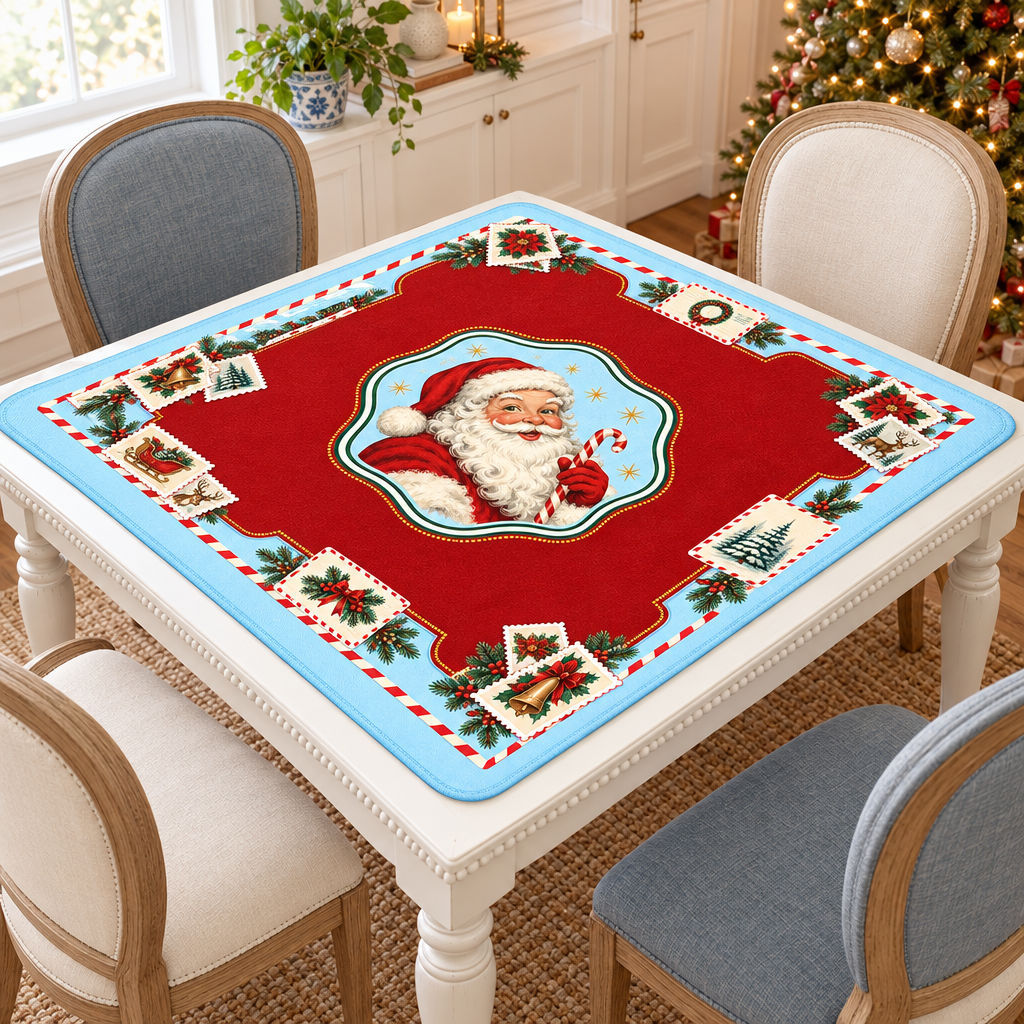
A mahjong mat is a cloth or vinyl playing surface that defines the game area, protects tiles from wear, and shows where each player sits. Mats come in standard sizes (typically 30–36 inches square for four-player games) and fold for storage or stay flat on a table. Most feature embroidered or printed compass markings (North, East, South, West) and sometimes decorative titles or jokes. Beginners can expect to spend a modest amount—see our mahjong mats collection for current pricing. The key decision: do you want a foldable mat for portability or a thicker mat designed to stay on one table? Choose foldable if you host rotating locations; choose a fixed mat if you have a dedicated game night setup. Look for non-slip backing so tiles don't slide, and check that the surface is easy to clean—that matters after months of play.
What size mat do you actually need?
Standard four-player mahjong mats run 30 to 36 inches square, which fits a dining table or card table comfortably. A 32-inch mat is the sweet spot for most home games: it leaves room for a player's rack on each side without crowding the center tile area. Measure your table depth and width before ordering; if your table is under 36 inches on any side, a 30-inch mat is safer. A mat that overhangs too far can catch on laps or armrests. If you play two or three players sometimes, a 30-inch mat works, though three-player games feel tighter. Beginners often misjudge depth—test the measurement by laying a measuring tape on your actual table.
🎁 See our most-loved mahjong sets & accessories →
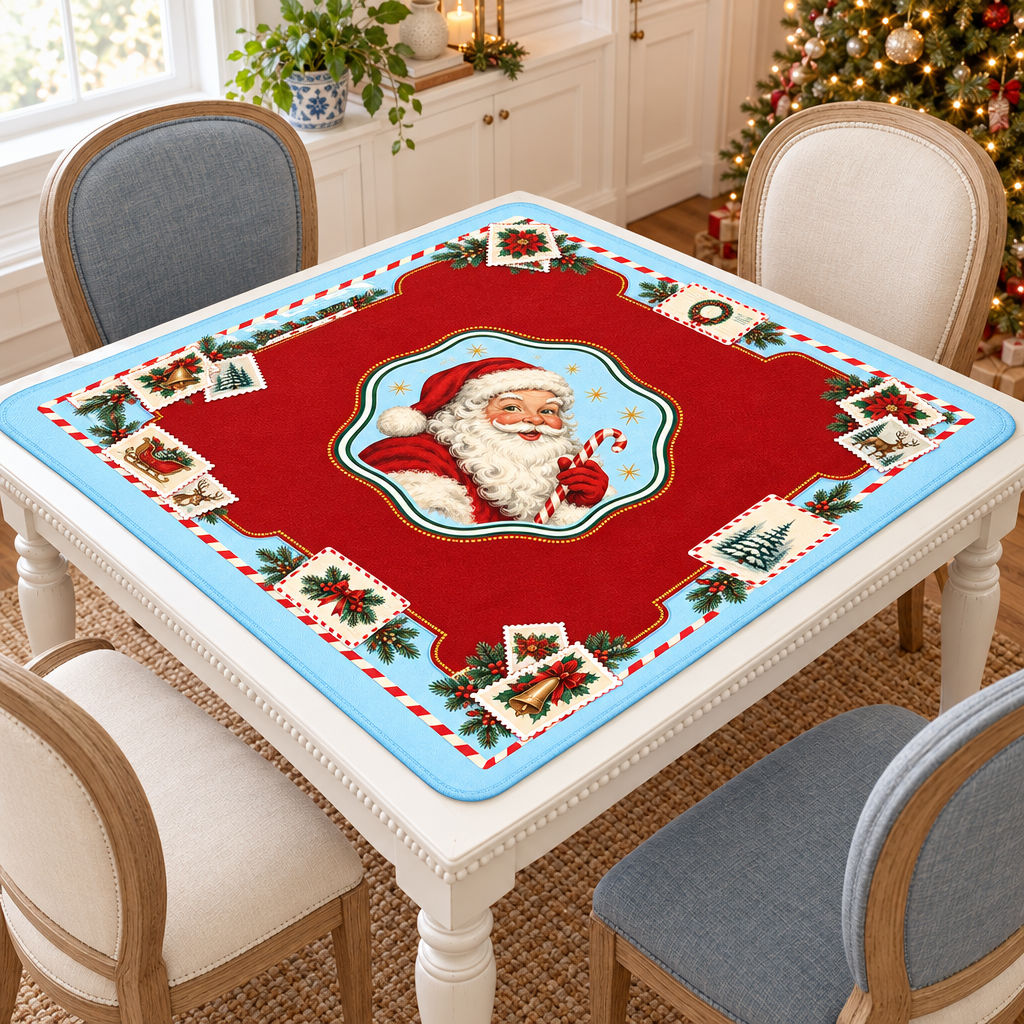
Foldable vs. flat mat: which is for you?
Feature | Foldable Mat | Flat Mat |
Weight | Light, travels easily | Heavier, stays put |
Setup time | Unfolds in seconds | Lay flat, position once |
Storage | Rolls or folds to 12–18 inches | Needs a drawer or large flat space |
Durability | Fold lines may wear over years | No fold stress |
Price range | Lower end of spectrum | Mid to upper range |
Best for | Rotating hosts, game groups | Dedicated home table |
Beginners in game groups with rotating hosts almost always pick foldable. If you're the anchor—same four players, same night, same table—a flat mat lasts longer and feels more stable. A foldable mat fits in a game bag alongside tiles and racks with pushers, so you can host anywhere. Many players have both: a foldable mat for visiting, a permanent mat at home.
What surface should a beginner look for?
Grip matters. A slick vinyl or plastic surface lets tiles slide under your racks—annoying when you're learning to manage your hand. A cloth or textured surface holds tiles in place so beginners can focus on the card and hand logic instead of chasing tiles. Look for a non-slip backing (usually rubber or suction cups); this keeps the mat from sliding across the table during play, especially when someone leans or bumps it. After four weeks of weekly games, you'll notice whether your mat grips. Most beginners prefer a fabric weave with a raised or embroidered compass. Clean a cloth mat with a damp cloth; vinyl wipes clean in seconds but feels less "game night" to many of us.
Decorative titles or plain: does it matter?
This is personal. Some mats come plain (solid color, compass only). Others display engraved or embroidered titles, jokes, or player names. Beginners sometimes worry the title will distract. In practice, after the first ten minutes of play, you stop reading it. What matters is whether you like looking at it before game night starts—it sets mood. If your game group is casual and joking, a titled mat (with humor or the host's name) becomes part of the ritual. If the game is serious or you're learning official rules, a clean compass mat keeps attention on the card. Neither choice changes play. See the best-selling mahjong sets for mat styles bundled with tile sets; many include a matching mat so you don't have to choose separately.
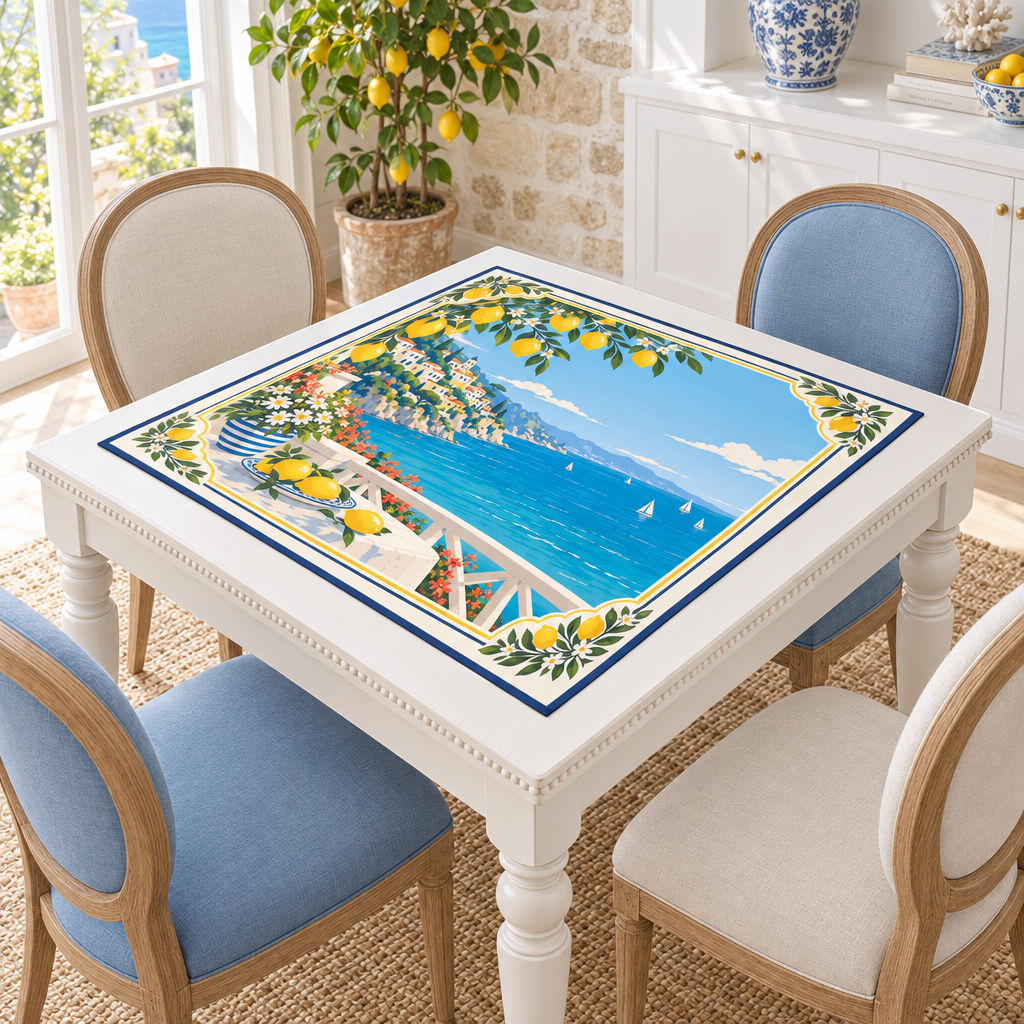
What to check before you order your first mat
Measure your table twice. Note the smallest dimension (usually depth). Subtract 4 inches. That's your safe mat size.
Decide: portable or permanent. If you travel more than once a month, foldable. Otherwise, flat.
Check the backing. Click through images or contact the seller to confirm non-slip rubber or suction cups exist on the underside.
Read the care instructions. Can it go near water? Does it need special cleaning? Beginners often ignore this and regret stains later.
Verify compass markings are clear. The North/East/South/West labels should be readable at a glance from any angle; this helps during Charleston and when calling hands.
Consider bundling. A mat + tile set combo often saves money versus buying each separately. Check the mahjong mats collection and tile options together.
🀄 Shop best-selling mahjong sets →
Common beginner mistakes with mats
New players often buy a mat too small because they focus on the tile area alone and forget the racks. A 28-inch mat looks big until you set four racks around it—then tiles are inches from the table edge. Beginners also assume a mat is optional if they own a felt-topped card table. Wrong. Even a card table benefits from a mahjong mat because it shows seating positions and protects the felt from tile wear. Another trap: buying a mat without checking the fold pattern. Some foldable mats have four-way folds (quad-fold) that stay compact; others have two-way folds that roll into a long tube. Quad-fold mats fit easier into game bags alongside racks and travel cases. Finally, beginners sometimes pair a beautiful mat with a low-grip surface and a set of light plastic tiles, then watch everything slide. Match the mat's grip to your tile weight and material.
How do you know if a mat will last?
Look at the stitching or seam binding around the edges and at the compass embroidery. Sloppy stitching unravels after a season. Clean, tight stitching—especially around seams and letters—means the mat will hold up. If you're buying in person or can see close-up photos, check the corners; they take the most stress during folding. If a corner looks frayed or loose in the image, skip it. Beginners rarely inspect this detail, but it's the difference between a mat lasting two years or ten. A mat that feels stiff when new is usually tightly woven and lasts longer than one that feels limp. Cotton-poly blends outlast pure nylon for home play; pure vinyl is cleanest for casual groups.
Is a mat worth bundling with your first tile set?
Yes, for most beginners. Buying a complete kit—160-tile set, mat, racks with pushers, and a carrying case—costs less per item than buying each separately. You also ensure the mat matches the tile design (color, theme, style), so your game setup feels cohesive. Many beginners starting a home game buy a bundled set and host weekly. If you're joining an existing group, check first: the host may have a mat already and prefer you bring only your best-selling tile set. Once you're committed to regular play, invest in your own mat so you can host whenever you want.
✨ Find your Mahstead set — free US shipping →
FAQ
What's the difference between a mahjong mat and a table cover?
A table cover protects the table surface underneath; a mahjong mat defines the game area and shows seating compass. You can use both, but a mat alone is enough for mahjong. A mat is thicker, stays centered, and has compass markings.
Can I use a mahjong mat on a carpet or uneven table?
Yes, but it's less stable. Uneven surfaces let the mat wrinkle. Non-slip backing helps, but a level, hard surface (dining table, card table) is ideal. On carpet, use suction cups or tape the mat corners.
Do I need to buy a mat if I already own a tilting rack table?
Not required, but helpful. A mat protects your tile set from dust, marks seating clearly for guests, and is easier to clean than a table surface. Many rack table owners add a thin foldable mat for these reasons.
How do I clean a fabric mahjong mat?
Damp cloth with mild soap for stains; air dry flat. Avoid the dryer. For embroidered titles, scrub gently to avoid snagging thread. Most spills (water, light food) wipe off quickly if treated within hours.
Should I buy a mat before I know the rules?
Yes. A mat helps you learn the rules because it shows seating and compass directions, which matter for the Charleston and hand declaration. Beginners benefit from the visual clarity a mat provides from day one.
What size mat fits in a standard mahjong travel bag?
Most foldable mats (30–36 inches) compress to 12–18 inches when quad-folded and fit in bags designed for tile sets and racks. Check the bag's interior dimensions (usually listed online) before ordering both together.


View More
View More
View More
