
Mahjong Classes for Beginners in Boston: Where to Start
Last updated: Nov 23, 2026
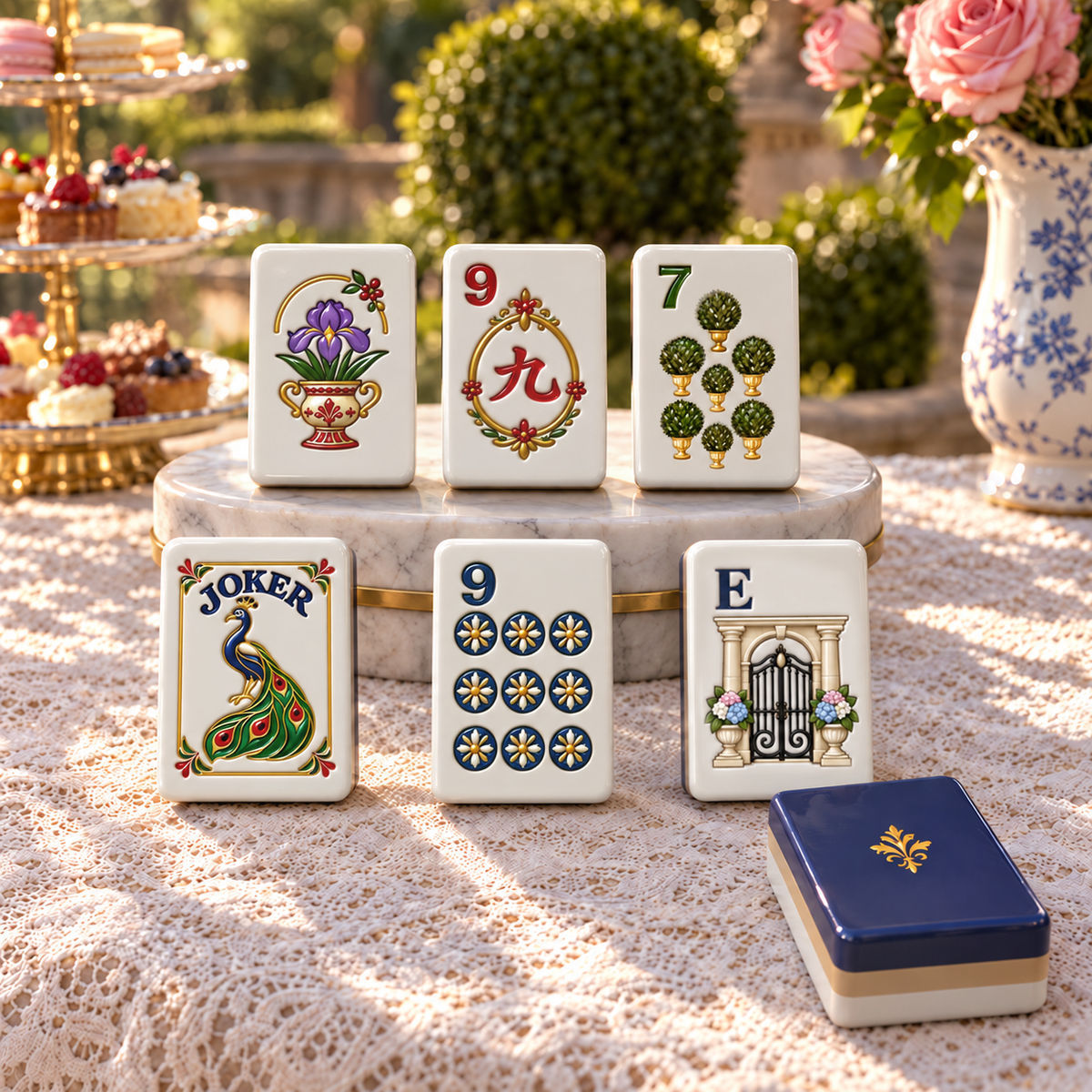
Boston beginners can find mahjong classes through community centers (check Boston Parks & Recreation programs), local libraries (many host weekly drop-in games), synagogues and Jewish community centers (traditional teaching hubs), and casual meetup groups advertised on neighborhood boards and online group sites. Most beginner classes run 60–90 minutes and cost on a sliding scale or donation basis; a few instructors offer private lessons. Classes teach American mahjong (the most common variant in the US), which uses 152 tiles in three suits plus winds, dragons, flowers, and jokers. You'll learn the National Mah Jongg League card, the Charleston tile-passing ritual, and how to build and call hands. Most classes provide loaner sets, but having your own best-selling mahjong sets accelerates learning and makes practice at home easier. Plan to spend 4–8 weeks of weekly play before feeling comfortable.
Boston has a growing mahjong community. We'll show you how to find beginner classes, what to expect in your first lesson, and how to prepare.
Where do Boston beginners actually find mahjong classes?
Community centers and recreation departments are your first stop: Boston Parks & Recreation runs seasonal classes at neighborhood sites, and many are free or low-cost for residents. Libraries often host weekly drop-in games; Roslindale, Jamaica Plain, and other branches sometimes have beginner slots. Jewish community centers and local synagogues have taught mahjong for decades and welcome new players. Check Meetup.com for casual mahjong groups—Boston has several active ones posting weekly game times. Senior centers and adult education programs (including those through Boston Public Schools' Office of Advancement) occasionally offer beginner sessions. Ask at local country clubs and community gardens; word-of-mouth networks often lead to private games that accept learners. Start by calling your neighborhood library or community center directly rather than relying on websites alone—staff can tell you which groups have beginner-friendly slots or waiting lists.

What should you expect in your first beginner mahjong class?
Your first class will cover tile names (Bams, Craks, Dots, winds, dragons, flowers, and jokers), how to hold tiles on a rack, and the Charleston—the tile-passing ritual that starts every game. The instructor will show you how to read the current year's National Mah Jongg League card, which lists every legal winning hand. You'll learn the four-player setup, how to draw tiles, and how to recognize a completed hand. Most classes use loaner sets, but you'll spend time handling real tiles and learning why quality matters: acrylic tiles sound and feel different from cheaper plastic, and that feedback helps beginners count faster and recognize patterns. Expect to play one or two short practice hands at the end of your first session. Don't worry about speed or perfect strategy—most instructors spend the first four weeks on mechanics. Bring a pen and paper to write down hand patterns you see. Wear comfortable clothes; mahjong tables are waist-high and you'll sit for 60–90 minutes.
🀄 Shop best-selling mahjong sets →
How long does it really take to feel comfortable playing mahjong?
Most players need 4–8 weeks of weekly play to recognize tiles quickly, understand hand patterns, and follow game flow without constantly asking for help. By week 3, you'll stop confusing Craks and Dots; by week 6, you'll spot simple winning hands without reading the card every time. Speed comes last—even experienced players scan the card for complex hands, and that's normal. The National Mah Jongg League card has 63–80 hands per year (the card changes every April), and memorizing a few common patterns—like like the simple pairs section or basic melded sequences—speeds up gameplay faster than anything else. Many classes let you stay in a beginner slot for 8–12 weeks, then invite you to mixed-skill games. Join a weekly game group after your class ends; consistent play (even one hour per week) builds pattern recognition muscle memory faster than sporadic marathon sessions. Some players feel comfortable joining their first casual game after 3–4 weeks; others prefer 10 weeks. There's no wrong timeline.
What's the difference between American mahjong and the versions taught elsewhere?
American mahjong is the only variant played with a card that changes yearly—the National Mah Jongg League card lists every legal winning hand for that season, and you must match the card to win. How to play American mahjong uses 152 tiles and jokers as wild cards, and you can only call exposed pungs (3 identical tiles), kongs (4), quints (5), and sextets (6)—never chows (1-2-3 sequences). No jokers allowed in single tiles or pairs. Chinese mahjong (more common in Asian communities) has no card and allows chows; hands come from centuries of tradition, not a yearly list. Hong Kong and Taiwanese variants use different tile sets and hand types entirely. Riichi mahjong (Japanese) plays with a 136-tile set and a scoring system tied to melds and patterns, not a card. Boston's diverse population means you might find classes or games in all these variants; ask ahead so you join a group teaching the style you want. American mahjong is best if you're joining a general "mahjong" group without ethnic focus, because it's the official tournament standard in the US.

What equipment should you own before your second or third class?
A personal tile set matters more than most beginners realize. Loaner sets work for learning, but owning your own best-selling mahjong sets speeds up muscle memory—you learn tile weight, sound, and how your specific set's tiles stack on your rack. Acrylic tiles are louder and have better edge grip than plastic, making them easier to pick quickly. A rack with pushers (not just a wooden stand) lets you organize your hand into the melds the card shows, so you can find winning hands faster. A mat protects tiles from spills and keeps the center discard pile organized. Here's a useful comparison:
What You Need | Why | Beginner Timeline |
Tile set (152 tiles + spares) | Muscle memory, pattern recognition | After week 1–2 if playing twice weekly |
Rack with pushers (per player) | Organize melds, find hands faster | After week 2–3 |
Mat | Protect tiles, organize discards | After week 3–4, optional at first |
Bag or case | Protect set between games | After 4 weeks of regular play |
Don't buy all four items at once. Start with a basic set after your second class. Add racks after week 3 if you're hooked. A mat becomes useful once you're hosting home games. A durable bag matters only if you're traveling to games off-site. Beginners often overbuy and then never play; wait until you've attended four classes and know your schedule before investing in a case.
🎁 See our most-loved mahjong sets & accessories →
How do you choose between teaching resources—cards, apps, books, videos—as a beginner?
The official National Mah Jongg League card is non-negotiable: you must own a printed copy of the current year's card (it changes every April). Some classes provide laminated cards; if not, buy one. Apps and videos help, but they vary wildly in accuracy. Search for resources from established teachers (look for names affiliated with the National Mah Jongg League, not random YouTube channels) and cross-check hand examples against the official card. Books like "The Official Encyclopedia of Mah Jongg" are solid references once you understand basics, but they're overwhelming for week one. How to read the mahjong card is an essential skill to master before anything else—spend one class session just learning to scan sections and identify patterns. The best learning tool is a consistent human instructor who can watch your hand-holding technique, tile placement, and discarding strategy. Videos and apps can't correct your posture or timing. Lean on your class instructor for the first 4–6 weeks, then supplement with books or apps to speed up pattern recognition.
✨ Find your Mahstead set — free US shipping →
What mistakes do Boston beginners make most often, and how do you avoid them?
Confusing suits too long. Dots look like eyes, Craks look like Japanese symbols, and Bams look messy. Write abbreviations on sticky notes and put them on your tile rack until shapes stick. By week 3, you won't need them.
Rushing to understand scoring. Beginners often panic when an experienced player calls mahjong. Ignore scoring for the first 2–3 weeks. Focus on recognizing a legal hand from the card, not the points. American mahjong scoring is complex; learn it after you understand hands.
Not asking for the Charleston to slow down. The tile-passing ritual is not a speed test. Ask your partner to pass slowly. Any player can call "hold" if tiles are moving too fast. Teachers expect this.
Borrowing a set and then not showing up. If a class provides a loaner set, treat it like your own. Cracked tiles, missing jokers, and dented racks make everyone's game worse. Return loaner sets in the condition you received them.
Playing with friends before you've finished class. Your first home game should be after week 4, not week 2. Early games are frustrating and you'll misunderstand hands, discard strategy, and the card. Finish your beginner course first.
Buying a cheap plastic set immediately. Loaner sets feel weird because they're well-used, not because they're low-quality. Cheap home sets feel worse and slide on tables. Invest in a mid-range acrylic set after you've played 8–10 times. Engraved sets are nice gifts later, not first purchases.
What to check before you buy your first mahjong set
Tile count: A full American mahjong set has 152 tiles in play plus spare jokers and blanks. Don't buy 144-tile or 136-tile sets—they're for other mahjong variants.
Material: Acrylic is standard for American mahjong. Bamboo-backed tiles are beautiful but heavier and slower for beginners. Plastic is cheapest but sounds bad and tiles wear fast.
Tile size: Standard American tiles are approximately 1¼" × 1" (30mm × 25mm). Slightly larger tiles are easier to handle as a beginner.
What comes in the box: You need a set, four racks, a mat (optional at first), and pushers. Some sets include bags; some don't.
Engraved vs. plain: Engraved sets (with custom titles, jokes, or names) are fun for gifts after your first season. For your first set, plain tiles are faster to learn on because you're not distracted by custom art.
From our experience hosting weekly games, beginners learn fastest with plain acrylic tiles and a mat that keeps discards organized. Once you've played 20+ times, upgrade to a set you love.

FAQ
Can I learn mahjong entirely from videos and apps without a class?
Possible but much slower. Videos can't correct your posture, tile-holding technique, or timing. A class gives you real opponents and immediate feedback. Most beginners plateau after 2–3 weeks without an instructor.
Do I need to know Mandarin or any other language to play American mahjong?
No. Tile names are standardized English (Bam, Crak, Dot, Wind, Dragon, Flower). The National Mah Jongg League card is in English. Ethnic heritage doesn't matter.
What if I can't find a beginner class near my neighborhood?
Call your library, synagogue, or senior center directly—websites often lag behind. Post on local Nextdoor or Facebook groups asking where people play. Many groups welcome learners in private home games after you've watched one session.
How much should I spend on my first mahjong set?
Buy after week 4 of classes, not week 1. At that point, you'll know if you're staying. A quality acrylic set with racks and a mat fits most budgets; see current prices on our product pages for options that match your timeline.
Can I play mahjong at a bar or café in Boston, or is it only a home game?
Boston has casual mahjong nights at some cafés and community spaces, but most are irregular. Your class instructor will know which venues host open games. Home games are most common.
What's the Charleston, and do I need to memorize it before my first class?
The Charleston is a tile-passing ritual at the start of every game—players pass tiles left, right, and across. The Charleston explained covers it in detail. You don't memorize it; your instructor will walk you through it step-by-step in class. Everyone does it the same way.
If I learn American mahjong in Boston, can I play with Chinese or Taiwanese mahjong players elsewhere?
No—the rules, tiles, card, and winning hands are completely different. You'd need to learn that variant separately. Stick with American mahjong in the US.


View More
View More
View More
