
What Is Concealed Hand in American Mahjong?
Last updated: Nov 23, 2026

A concealed hand (also called a closed hand) is a winning hand you've drawn entirely from the wall without calling any tile discarded by another player. You keep all 14 tiles hidden in your rack until you win, then reveal the complete set. In American mahjong, the National Mah Jongg League card lists very few concealed-hand patterns—usually one or two per year—making them difficult to achieve and often worth higher payoffs. Concealed hands are scored according to the current year's card; they're prized not because they're inherently worth more, but because they're statistically rare and require both luck and strategic tile management. From a practical standpoint, a concealed hand is the opposite of an exposed hand, where you call tiles from other players' discards and reveal those melds face-up on the table. See your current year's mahjong card to locate the exact concealed patterns and their base payoffs. 🀄 Shop best-selling mahjong sets →
What's the difference between concealed and exposed hands?
A concealed hand stays hidden in your rack the entire game; an exposed hand shows melds on the table. When you call a tile from another player's discard and add it to a pung, kong, quint, or sextet, that meld must lie face-up in front of you. American mahjong allows no sequences (chows), only identical-tile groupings and honor pairs. The moment you call one tile from the discard, your hand becomes exposed and you forfeit concealed-hand status forever that round. Exposed hands are far more common and typically easier to achieve because you can steer your winning pattern by studying what others discard.

How rare is it to win with a concealed hand?
Concealed patterns appear selectively on the National Mah Jongg League card—often just one or two each year. Over a season of weekly games, a casual player might see it happen only a handful of times at their table. The rarity stems from the constraint that you cannot call any tile, meaning you must draw exactly the right tiles in exactly the right order from the wall. Luck plays the largest role; skill helps you recognize when a concealed pattern is still possible and avoid calling tiles too early. Most players focus on exposed hands as their primary strategy because the odds of completing a concealed hand are so low that chasing one often leads to a bust (no win).
What happens if you call a tile by accident—do you lose concealed status?
Once you call a tile from another player's discard and add it to your meld, concealed-hand status is lost immediately. You cannot reclaim it. In American mahjong, calling is intentional—you declare "call" aloud before taking the discarded tile—so accidental calls are rare. However, if you've declared a call, you're obligated to complete that meld and expose it. Some tables may have house rules about taking back a call within seconds; always confirm your group's rules before the first hand. If you're close to winning and worried about accidentally losing concealed status, communicating clearly with the table ("I'm playing closed tonight") can help keep everyone mindful.
Can you win a concealed hand if no one discards certain tiles?
Yes. A concealed hand is drawn entirely from the wall, so it doesn't depend on other players' discards at all. You flip tiles from the wall yourself during your turn. The challenge is that you must draw the exact tiles your concealed pattern requires, and if the wall runs short or you don't draw them in time, you won't win that round. This independence from the discard pile is actually what makes concealed hands so difficult—you cannot adapt mid-game by calling strategic discards. You must either draw your pattern or go home empty-handed. Many players say chasing a concealed hand is a "all-or-nothing" bet.
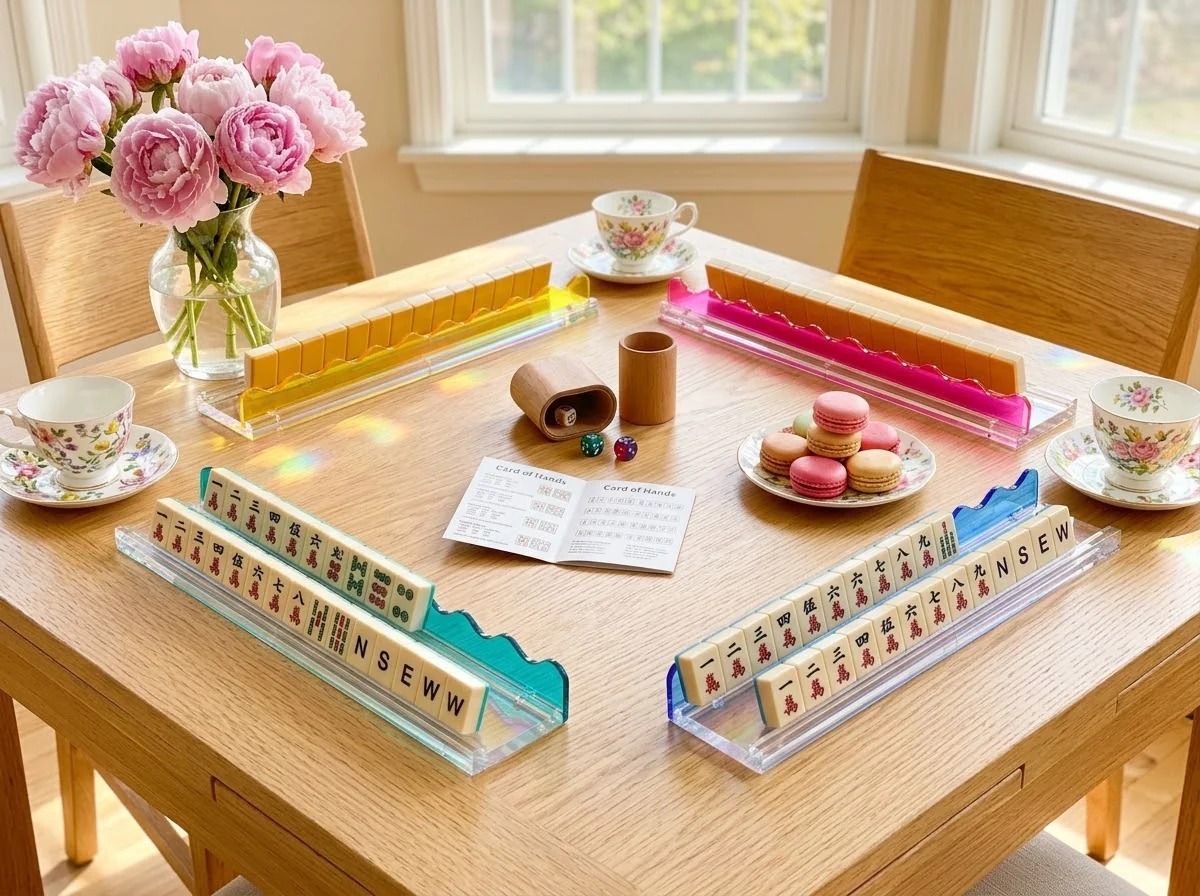
How do I spot concealed-hand patterns on the mahjong card?
The card usually marks concealed patterns with a distinct icon or label (check your copy for the exact marker). Concealed patterns are typically grouped in their own section or flagged clearly. Read the guide to reading your mahjong card for detailed navigation tips. Most concealed hands use specific honor tiles, number sequences, or flower combinations that occur rarely in normal play. Once you've identified a concealed pattern you want to pursue, write it down or photograph it so you can reference it during the game without slowing play. Some players keep a small notebook at the table listing the year's concealed hands they're aware of—a practical habit that pays off when a pattern becomes reachable mid-round.
Should you ever change strategy mid-game to chase a concealed hand?
Rarely. If you've already called tiles, you've surrendered concealed status and should focus on winning your exposed hand. If you haven't called yet and you see a concealed pattern forming in your rack, you can stay alert—but don't throw away good tiles hoping to complete it. The odds are too low to justify discarding safely toward it if you're close to winning an exposed hand. Most experienced players keep concealed hands as a "pleasant surprise" rather than a target. The exception: late in the round, if the wall is running out and you're nowhere near an exposed win, you might gamble that your current tiles align with a concealed pattern—but this is high-risk and often results in a bust. Play to win an exposed hand first; treat concealed as a bonus.
Comparison: Concealed vs. Exposed Hand Strategies
Aspect | Concealed Hand | Exposed Hand |
Tiles drawn from | Wall only | Wall + called discards |
Visibility | Hidden in rack until win | Face-up melds exposed mid-game |
Frequency on card | 1–2 patterns per year | Dozens of patterns |
How often won | Rare (< 5 times per season per table) | Common (multiple times per round) |
Adaptability | Low (can't react to discards) | High (choose which patterns to pursue) |
Scoring | Per card (often higher base points) | Per card (standard base points) |
Best play | Recognize pattern early, stay disciplined | Read discards, call strategically, adapt |
🎁 See our most-loved mahjong sets & accessories →
What to check before you buy a set to practice concealed hands
If you're serious about studying concealed patterns, invest in a quality American mahjong set with clear, readable tiles so you can spot patterns quickly during play. Look for sets where suits (Bams, Craks, Dots) are distinctly colored and numbers are large enough to read at arm's length. Acrylic tiles are durable and hold up through hundreds of hands; bamboo or bone tiles are traditional but require more care. Keep your current year's mahjong card close at hand—print a copy or keep your phone nearby so you can verify concealed patterns without slowing play. A good rack with pushers also helps: it keeps your tiles organized and makes it easier to spot the exact tiles you're holding, reducing the chance of accidental misplay or miscounting. Finally, use a protective mat to define the play space, keep tiles from sliding, and signal to other players that you're running a serious game.
Why concealed hands matter—even if you rarely win them
Concealed hands represent the purest form of American mahjong play: pure luck meeting pure strategy. Watching someone win a concealed hand is memorable because it's so uncommon. Even if you never win one, understanding concealed-hand patterns sharpens your tile-reading skills and teaches you how the card is organized. Some players study concealed patterns specifically to understand the designer's logic for the year—it's a small edge in reading the overall card faster. Most importantly, concealed hands enforce discipline: if you're tempted to call every discard, you'll never have a shot at one. The existence of concealed hands on the card is a gentle reminder that American mahjong rewards patience and precision.
✨ Find your Mahstead set — free US shipping →
FAQ
Can I call a tile and still claim concealed-hand status later?
No. The moment you call a tile from another player's discard, you lose concealed status permanently that round. You must now win as an exposed hand.
What if I win a concealed hand on the first draw—do I immediately announce it?
Yes. Declare "Mahjong!" aloud and reveal your complete hand. The player dealing that round scores zero; you collect payment from all three other players per the card's value for your concealed pattern.
Are concealed hands worth more points than exposed hands?
It depends on the pattern. Some concealed patterns on the card have higher base points than similar exposed patterns; others are equal. Always check the current year's card to compare the exact scores.
Do concealed hands use different tiles than exposed hands?
Not necessarily. A concealed pattern might use the same tiles as an exposed pattern, but concealed patterns are always listed separately on the card and are worth what the card says for that specific concealed line.
Should a beginner focus on learning concealed hands or exposed hands first?
Start with exposed hands. They're easier to achieve and teach you basic American mahjong strategy. Once you're comfortable reading the card and calling tiles strategically, study the concealed patterns—usually by mid-season, after you've played 20+ hands.
If the wall runs out before I can complete my concealed hand, what happens?
You have no win that round. All four players bust (score zero), and the next round begins with the deal passing to the next player. This is why many players don't chase concealed hands unless they're close.


View More
View More
View More
