
Lunar New Year Mahjong Party Ideas: Sets, Themes & Hosting Tips
Last updated: Nov 23, 2026
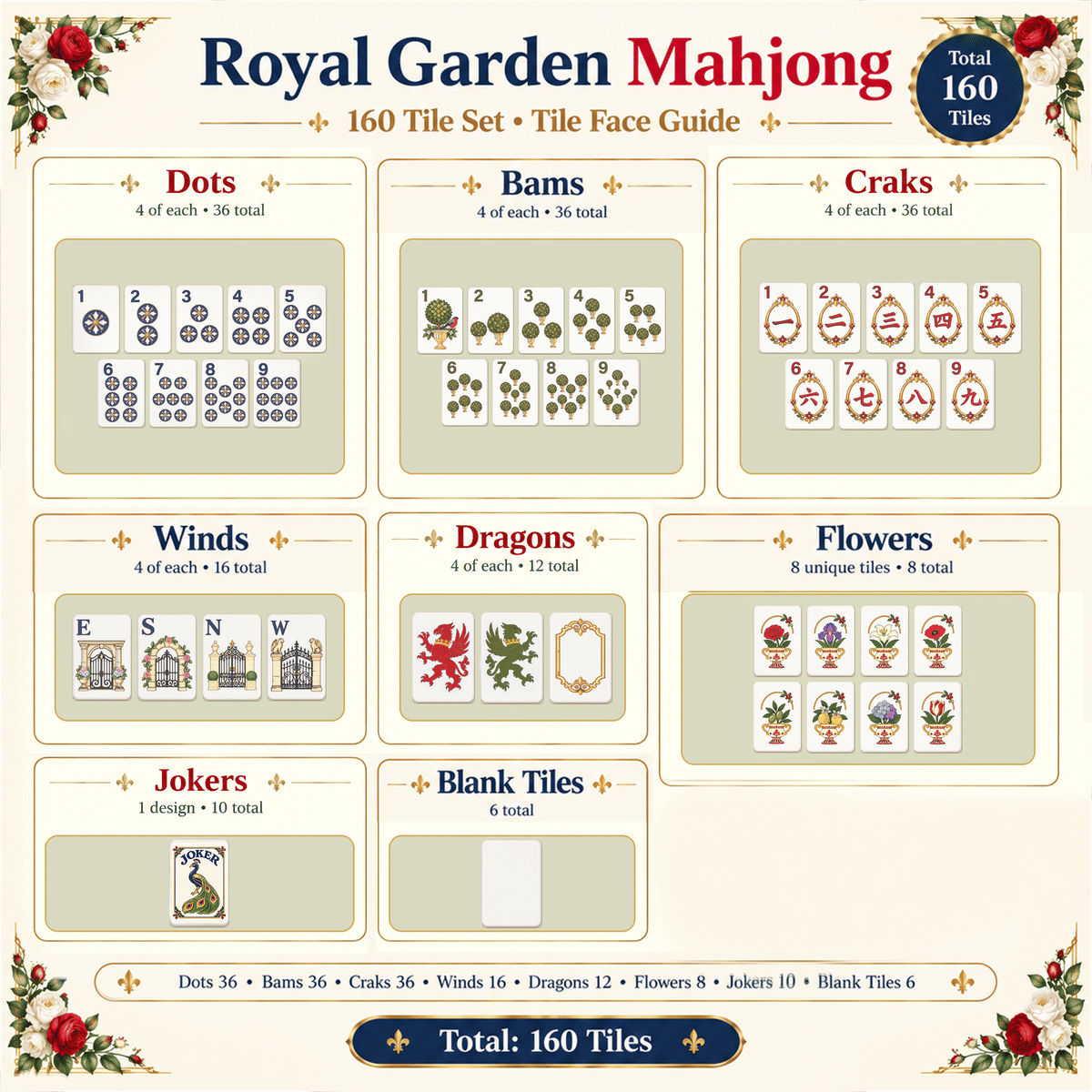
Lunar New Year mahjong parties blend tradition with celebration. Start by choosing an American mahjong set that fits your group's skill and aesthetic—beginners appreciate clear tile markings, while seasoned players enjoy engraved or themed designs that reflect the season. Plan for four players, arrange seating, pull out the current-year card (from the National Mah Jongg League), and prep the Charleston. Set the table with a quality mat to protect tiles and keep play organized. Time the evening around dinner or tea; most games run 20–40 minutes per hand. Theme your gathering with red and gold accents, lucky foods (tangerines, dumplings), and decorations that celebrate renewal. Mahstead offers best-selling mahjong sets designed for both casual and serious players, plus mats and racks that elevate the experience. The atmosphere—warm company, unhurried play, shared history—matters as much as winning.
Lunar New Year and mahjong belong together. The game's roots in Chinese tradition, its focus on luck and skill, and the excuse it gives to gather indoors during winter make it the centerpiece of holiday entertaining. Whether your group plays weekly or comes together once a year, a Lunar New Year mahjong party deserves thoughtful planning.
We've hosted hundreds of games over decades, and we've learned what transforms a casual tile session into a celebration people remember. It's not just about having four people and a set—it's the setup, the rhythm, the intention. Here's how to pull it off.
What kind of mahjong set should I choose for a Lunar New Year party?
Your set is the heart of the experience. For a Lunar New Year gathering, choose one that balances durability, readability, and mood. Acrylic tiles—durable, loud, satisfying to shuffle—are ideal for regular play; they survive years of weekly games. Look for clear suit markings (Bams, Craks, Dots) and wind/dragon symbols you can spot quickly, especially if your group includes newer players or anyone playing under lower light. Best-selling mahjong sets combine these features with designs that feel festive—some feature red accents, gold embossing, or cultural motifs that amplify the holiday spirit without sacrificing function. Avoid tiny tiles or faded colors; readability matters more than novelty.

Should I buy a new set or use one I already own?
If you own a reliable set you've played with for years, use it—familiarity breeds comfort, and your group likely knows its quirks. But if your set is older, tiles are chipped, jokers are missing, or colors are faded, a replacement set signals respect for the occasion and for your players' experience. A fresh set also removes the mental friction of "waiting for someone to find that lost 3 Dot." For Lunar New Year specifically, a new set creates a symbolic fresh start—the Chinese tradition of renewal aligns beautifully with new tiles. If you're buying for the first time, invest in a 160-tile acrylic set with clear markings; you'll use it for years of gatherings.
🀄 Shop best-selling mahjong sets →
What role does a mat play in a Lunar New Year mahjong setup?
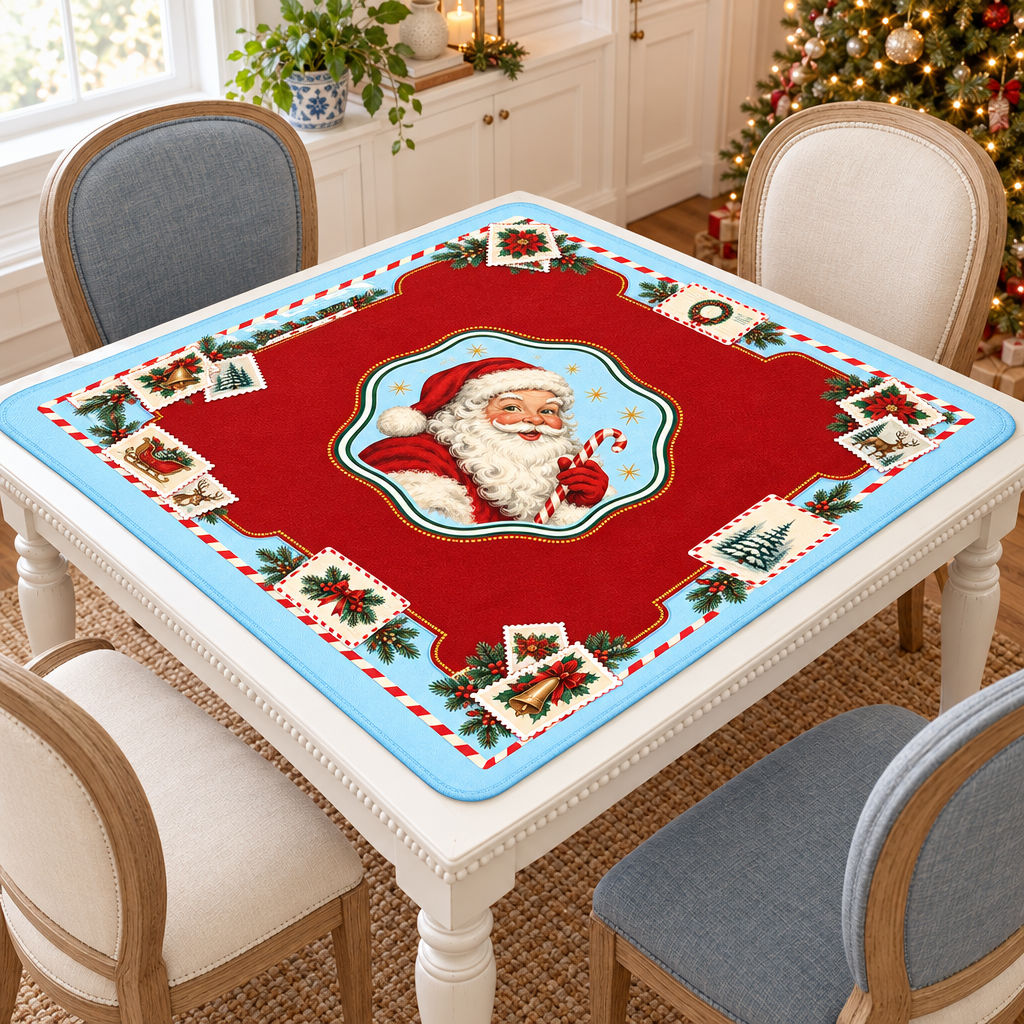
A mat does far more than look decorative. It protects your tiles, keeps play organized, defines the playing space, and dramatically improves the experience for all four players. Mats come in various sizes; measure your table before buying. A quality mat has a non-slip bottom (so tiles don't slide during shuffles), clear layout markings for walls and discard areas, and durable fabric that tolerates years of tile movement. For Lunar New Year, choose a mat in red, gold, or black—colors tied to the holiday and formal enough to feel intentional. How to choose a mahjong mat walks through sizing and features. A mat also makes setup faster: new players instantly see where tiles go. Hosting becomes less about managing chaos and more about welcoming guests.
How do I pace the evening so it feels like celebration, not work?
Timing is everything. Plan for four hours total: thirty minutes greeting and settling, ninety minutes of play (roughly three hands), thirty-minute dinner break, then another ninety minutes of play, closing remarks. Build in tea, snacks, and conversation between hands. Many groups play for money (pennies per point) or score honor—both create stakes without stress. Avoid back-to-back hands that exhaust players; breaks keep energy high. Start early enough that evening games don't run past 10 p.m.; late nights dampen enthusiasm. Announce the schedule upfront so guests plan their evening around it. Most importantly, treat winning as secondary to participation. Lunar New Year celebrates continuity and togetherness; the goal is everyone leaving happy to return next year.
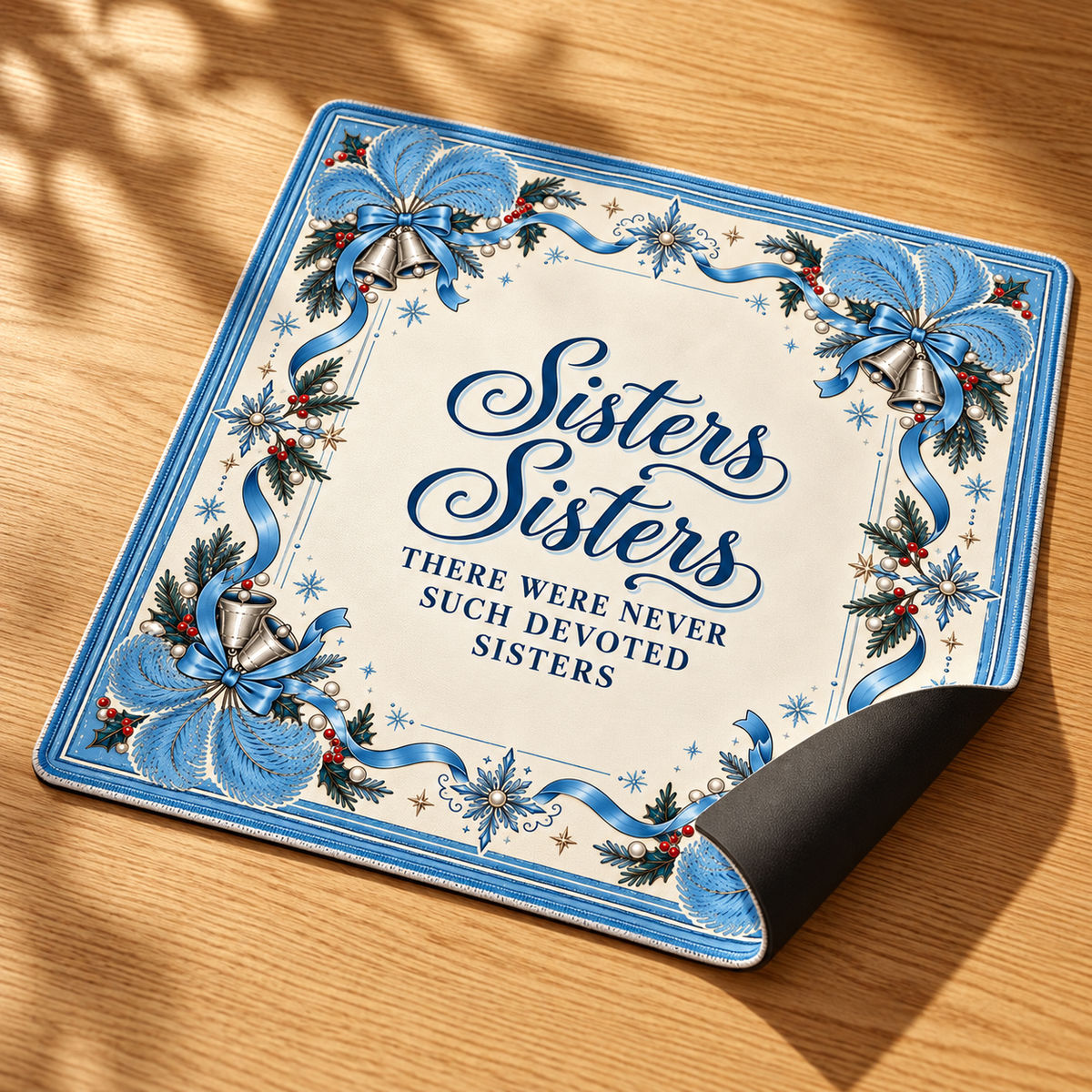
What design themes work best for a festive Lunar New Year atmosphere?
Red, gold, and black dominate the palette—red for luck and prosperity, gold for wealth, black for sophistication. Decorate the table with fresh tangerines, small red envelopes, or a red cloth runner. If you're using engraved American mahjong sets, choose designs that echo the season—zodiac animals, traditional patterns, or auspicious symbols. Dim the overhead lights and use warm lamps or candles to create intimacy. Play soft background music (instrumental Chinese classical, gentle piano) at very low volume; you want tile sounds to carry. A small display of past lucky game moments (photo of last year's group, a scoreboard from a memorable hand) reminds players of continuity. The aesthetic should feel deliberate but not overdone—the focus remains on play and company.
Hosting Setup Checklist
Task | Timing | Why It Matters |
Set table, arrange mats & racks | 30 min before | Guests arrive to calm, ready space |
Print current National Mah Jongg League card | 1 week before | No frantic last-minute searching |
Brief new/rusty players on hand layout | 15 min before | Reduces confusion, speeds play |
Arrange snacks, drinks, napkins | 30 min before | Eliminates mid-game interruptions |
Count tiles & jokers in set | 1 day before | Missing pieces ruin the night |
Test shuffling & wall building | 1 day before | Confirms no tile damage |
🎁 See our most-loved mahjong sets & accessories →
What accessories make hosting easier and more elegant?
Four items elevate a party from functional to polished:
Racks with pushers: These hold tiles upright so players can see their hands without fumbling. For Lunar New Year, choose racks in natural wood or colors that match your mat. Mahjong racks with pushers store compactly and save table space.
A dedicated bag or case: Keep your set, mat, racks, and extras organized and ready. Bags with soft interiors protect tiles during storage and transport; cases offer security for valuable sets. Mahjong bags and cases come in sizes for every group.
Score sheets or tracking tools: Keeps scoring transparent and prevents disputes. Print a simple form or use a small whiteboard.
Dice: Quality dice roll smoothly and look intentional. They're part of the ritual.
A mat, racks, and case together create the impression of someone who honors the game—and your guests feel that respect.
✨ Find your Mahstead set — free US shipping →
What should I check before buying a new set for the party?
Before checkout:
Confirm the set includes all 152 playing tiles plus jokers (160-tile sets include spares).
Verify tile markings are printed clearly and won't fade with handling.
Check return or replacement policy in case tiles arrive damaged.
Confirm free US shipping to avoid last-minute costs.
Order at least two weeks before the party; don't assume overnight delivery.
When the set arrives:
Count tiles by suit (36 of each suit, 16 winds, 12 dragons, 8 flowers, 8 jokers).
Inspect for cracks, stains, or illegible markings.
Test shuffling and wall building to confirm no tiles stick or bind.
Store in a cool, dry place until party day.
Missing or damaged tiles discovered the day before the party cause stress no one needs. Unbox early, inspect, and reach out to the seller immediately if anything's wrong.
FAQ
Can I host mahjong for fewer than four players?
Yes, but rules change. Two-player and three-player mahjong exist but use different hand lists and tile distributions. If you're expecting exactly four players, that's ideal; if not, plan ahead. 2 and 3 player mahjong rules explains adaptations.
What's the Charleston and why do we do it before every game?
The Charleston is a tile-passing ritual before play begins—each player passes tiles to the left, across, and right, then players pass back a different number. It randomizes starting hands and ensures no one controls the initial distribution. The Charleston explained walks through the steps. It takes five minutes and feels ceremonial—perfect for Lunar New Year.
Should beginners join a Lunar New Year party, or only experienced players?
Include beginners if they want to play. Spend fifteen minutes before the party showing hand layout, how to read the card, and what a pung/kong/exposure looks like. Slow the first hand deliberately. Many lifelong players started at a holiday gathering; Lunar New Year is an auspicious time to learn.
What's the difference between an engraved set and a standard acrylic set?
Engraved sets have custom designs, names, zodiac symbols, or patterns etched into tile faces. Standard acrylic sets use printed markings. Engraved sets feel more personal and prestigious; printed sets are louder (tiles snap together audibly, which many players love) and sometimes easier to read under poor light.
How do jokers work in American mahjong?
Jokers are wild tiles; they substitute for any other tile in a pung, kong, quint, or sextet. You can never use a joker as a single tile or as a pair. Jokers can never be exposed on the table—they stay in your hand or are replaced. How jokers work covers strategy and edge cases.
If I'm a beginner, where do I start learning American mahjong?
Learn hand layout and basic terms first (pung, kong, exposure, chow). How to play American mahjong covers full rules. Then read mahjong for beginners for practical hosting and social tips. Practice one hand before hosting a party.


View More
View More
View More
