
Is American Mahjong Hard to Learn? A Player's Honest Guide
Last updated: Nov 23, 2026
American mahjong is not inherently hard to learn; most players grasp the fundamentals in a single session and play competently within two to four weeks. The game uses 152 tiles (Bams, Craks, Dots, Winds, Dragons, Flowers, and Jokers), and you match your hand to patterns on the National Mah Jongg League card issued annually. Unlike chess or bridge, there's no strategy tree—you follow a visual template and learn which tiles are "active" that year. The real learning curve isn't the rules; it's tile recognition speed, the Charleston (tile-passing ritual), and remembering which joker rules apply. A quality set with clear tile markings cuts learning time by weeks. Most players who struggle spent their first sessions with worn, hard-to-read tiles or unclear rule explanations, not because the game is inherently difficult.
What Stops Beginners Most Often?
The biggest obstacle isn't the rules—it's tile identification. New players squint at unfamiliar symbols: the 1 Bam shows a bird, 5 Bam has two connected circles, Winds look abstract. They also confuse suit colors and dragon meanings. Within three sessions, this dissolves. The second hurdle: joker placement rules. Jokers are wild cards, but you can't use them in a pair or as a single tile; they must fill pung (three), kong (four), or larger exposed melds. Beginners forget this and waste turns. Third: reading the card feels like decoding hieroglyphics. The card organizes hands by pattern family (like "consecutive like numbers" or "mixed pairs"), and each pattern shows which tiles or combinations qualify. Once you scan the card twice, the system clicks.
How Long Until You Play Your First Game?
A motivated beginner can sit down to a real game in one afternoon if a patient player coaches them. However, "playing" and "playing well" are different. You'll understand turn order, hand-building basics, and how to spot your winning pattern in 90 minutes. You'll stop making illegal melds (like trying to use jokers as pairs) after four or five sessions. You'll develop tile-reading speed—spotting a 7 Crak at a glance instead of decoding it—over two to four weeks of weekly play. By week three, most new players declare their own melds without coaching and remember why certain patterns are off-limits. By week six, you're no longer asking questions mid-turn. Speed comes from repetition, not complexity.
Why Tile Quality and Mat Setup Matter for Learning
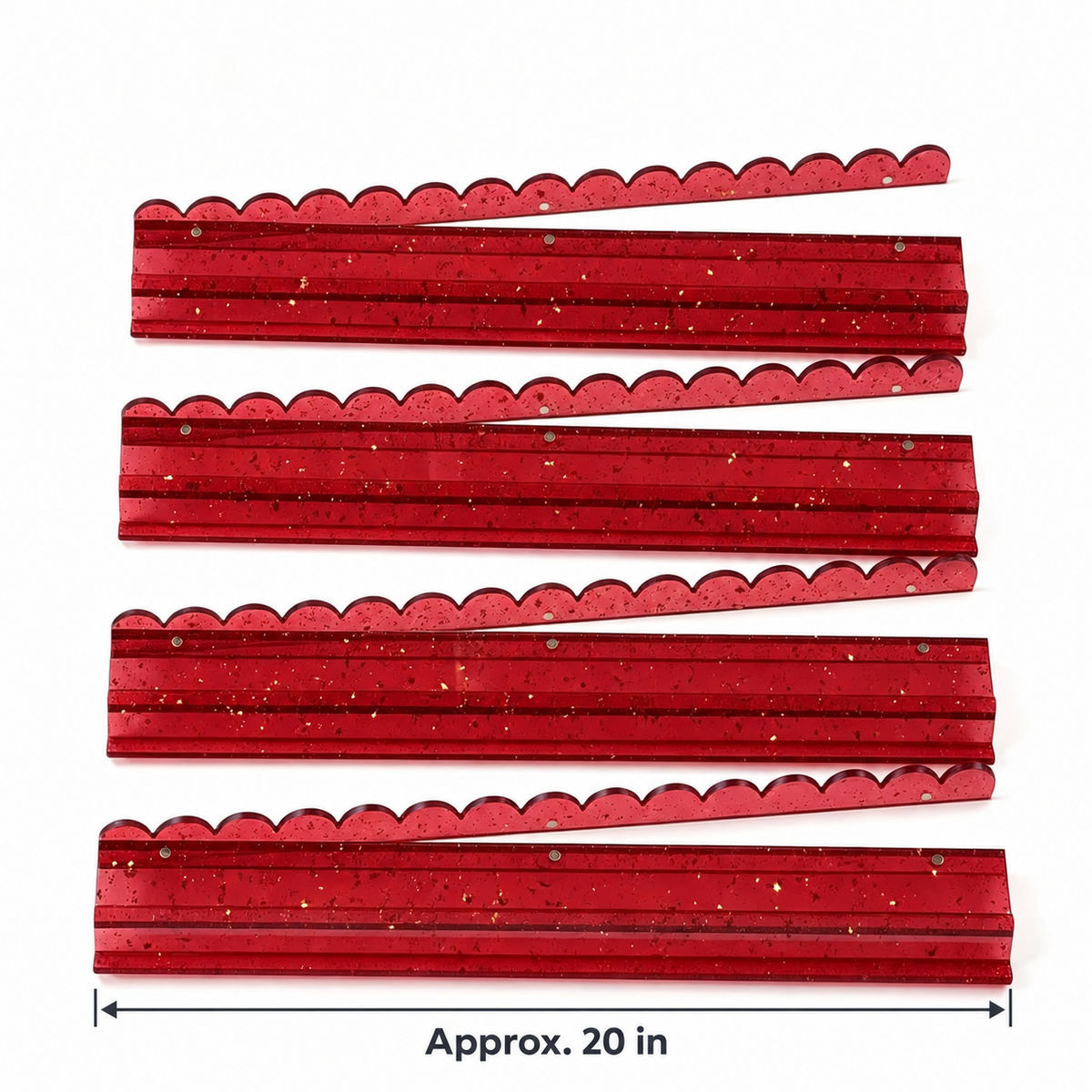
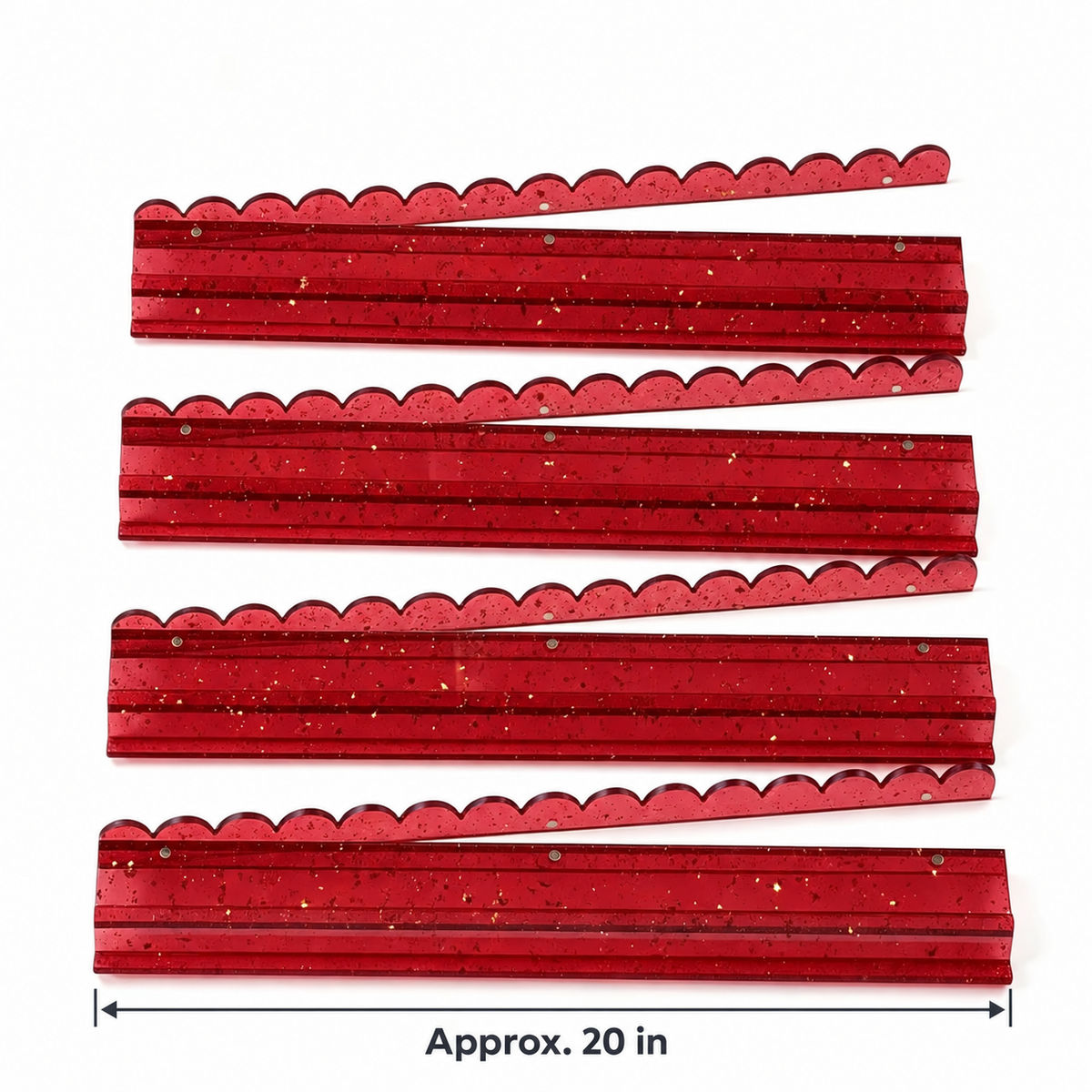
A worn or poorly printed tile set destroys confidence. If the Bam suit numeral is faded on half the tiles, or if the wind characters bleed into the background, you waste mental energy decoding tiles instead of learning the game. We see this constantly: a beginner gets handed a 30-year-old set from someone's closet, struggles to identify tiles, assumes they're bad at mahjong, and quits. A clear, modern set—acrylic with deep engraved characters, sharp suit colors, large numerals—cuts learning friction. A dedicated mat also helps. Instead of tiles sliding across a bare table, a mat with a center well and four racks (with pushers) keeps your hand visible, speeds up identifying exposed melds, and lets you organize tiles without dropping them. Beginners who use mahjong mats and racks with pushers report feeling less clumsy and more confident.
🀄 Shop best-selling mahjong sets →
The Charleston: Only Confusing Until You Do It Twice
The Charleston—the tile-passing ritual before each game begins—sounds elaborate but is mechanical. Players exchange tiles in three passes (right neighbor, across the table, left neighbor), then have one chance to swap with the center pool. Beginners panic because everyone moves at once; it looks chaotic. In reality, the Charleston explained is a two-minute process that repeats identically every game. After two or three games, your hands move on autopilot. The learning barrier here isn't logic; it's rhythm and timing. Playing weekly accelerates this. Playing with a mat that has clear passing zones (visible on many quality mats) removes ambiguity about where tiles go.
Reading the Card: Pattern Matching, Not Memorization
You do not memorize hands. You learn to scan the current year's card. Each hand is a combination of number runs, matching pairs, identical sets, or mixed suits. For example, one pattern might require "three pungs of consecutive numbers in one suit plus a pair of dragons." You hold your tiles, glance at the card, and ask: "Do I have 3-4-5 Bams as a set, 4-5-6 Bams, 5-6-7 Bams, plus two Red Dragons?" If yes, that's your hand. The card is your grammar book. Most beginners find how to read the mahjong card mysterious because they expect memorization. Reframe it: you're pattern-matching, not memorizing. Players with visual thinking skills or background in Sudoku or logic puzzles pick this up instantly. Others need five or six games to internalize card structure.
Why "Hard" Is Often About Expectations, Not Ability
Some people approach mahjong expecting it to feel like Scrabble (quick turns, clear scoring every round). Instead, it plays like poker: hands build gradually, you manage risk, turns feel long when you're learning. Others expect it to be like bridge (deep strategy and bidding). Mahjong has no bidding—just pattern-matching and tile-drawing luck. When first-timers realize the game doesn't match their mental model, they label it "hard." It's not. It's different. Players who accept that mahjong is primarily about recognizing patterns on a card—not inventing strategy—usually embrace it within two weeks. Those who resist the card-based system stay frustrated.
Skill | Learns in Session 1? | Master Timing | Why It Matters |
Hand-calling | Yes | Week 1–2 | You spot your winning pattern |
Tile ID speed | Partial | Week 2–3 | Turns flow faster |
Charleston ritual | Yes | Game 2–3 | No more questions mid-pass |
Card navigation | Partial | Week 3–4 | You stop asking "is this hand legal?" |
Scoring (optional for play) | No | Month 2 | Helps settle bets; not critical to play |
Joker placement rules | Partial | Week 2 | Prevents illegal melds |
🎁 See our most-loved mahjong sets & accessories →

What You'll Actually Need to Start
A complete 160-tile acrylic set ensures clear tile markings that speed learning. A mat with defined player zones and a center well prevents tiles from migrating mid-hand. Racks with pushers keep your hand organized and visible. A quality bag protects the set and makes carrying to game nights frictionless. These aren't luxury items; they're learning tools. New players with poor tiles or a bare table struggle not because mahjong is hard, but because the physical experience is chaotic. Beginners who use organized, clear equipment advance twice as fast.
The Honest Comparison: Mahjong vs. Other Games
Game | Rule Complexity | Time to Play First Game | Time to Competence | Memory Load |
Mahjong | Moderate | 90 min | 3–4 weeks | Low (card-based) |
Bridge | High | 3 hours | 8–12 weeks | High (bidding systems) |
Poker | Low | 30 min | 1–2 weeks | Low (hand rankings) |
Gin Rummy | Low | 20 min | Few hours | Low |
Go | Moderate–high | 1 hour | 6–12 months | High (position intuition) |
Mahjong sits in the middle: moderate complexity, pattern-driven, faster to competence than bridge or Go, less luck-dependent than poker. Most adult learners grasp playable mahjong in the timeframe of a hobby starter course.
Starting Your First Game: A Checklist
☐ Get a modern, clear tile set with deep engravings or clear printing.
☐ Sit with a patient, experienced player who will coach your first game without rushing.
☐ Review the current year's card before playing—don't memorize, just familiarize.
☐ Learn the four basic hand families first (all numbers, all pairs, mixed suits, consecutive runs).
☐ Play three games before judging your grasp. Confusion on game one is normal.
☐ Invest in a mat and racks if you plan to play weekly; they remove friction and accelerate learning.
☐ Don't worry about scoring in your first month. Focus on recognizing hands and following turns.
☐ Attend a second session within a week; breaks longer than seven days reset muscle memory.
✨ Find your Mahstead set — free US shipping →
Common Beginner Mistakes and How to Avoid Them
Mistake 1: Thinking jokers are always helpful. New players hold jokers and feel lucky. In fact, jokers occupy space needed for real tiles and often force illegal melds. Use jokers only when the pattern explicitly requires them—usually in sextets or complex runs.
Mistake 2: Assuming you've "seen" the card once and understand it. The card is like a language. Glancing once isn't fluency. Skim it before each session until around week four, when patterns become automatic.
Mistake 3: Rushing the Charleston. Take your time on tile exchanges. Passing slowly is not rude; it prevents errors and lets you settle your hand between passes.
Mistake 4: Playing too little too fast. One game a week is ideal for learning. Two or three consecutive games in one day, then nothing for two weeks, resets progress. Consistency beats intensity.
Mistake 5: Using a worn or unclear set. If you can't identify a tile at a glance, you're adding unnecessary cognitive load. Borrow a modern set from a club or invest in one yourself; it pays back in confidence.
Finding a Patient Table to Learn At
Most towns have mahjong clubs, drop-in games at community centers, or regular home groups. Search local synagogues, country clubs, and community boards online. When you find a group, ask: "Are you welcoming to new players?" and "Do you have a coach or a player who mentors?" Avoid tables where everyone warns you upfront that they play fast or competitively. Your first table should feel like a classroom, not a tournament. Once you're confident, competitive games are fun. Early on, clarity matters more than speed.

FAQ
Can I learn mahjong if I've never played a tile game before?
Yes. American mahjong is card-based pattern-matching, not tile logic. People from bridge, Scrabble, and Sudoku backgrounds learn fastest. Zero tile experience is not a barrier.
How much does equipment cost, and is it worth it for a beginner?
See current prices on product pages. A quality set and mat are investments; they last decades and make learning faster. Many beginners borrow first, then buy after a month of weekly play.
Is there a different difficulty level between American mahjong and Chinese or Hong Kong mahjong?
Yes. American mahjong is easier to learn because it's card-based—you match patterns on a printed guide. Chinese and Hong Kong mahjong require memorizing hand-types and use strategic calling rules. American is the best starting point.
What if I forget the rules mid-game?
Stop and ask. Pausing for questions is normal in your first month. A good table will explain; a bad table will rush you. Play at tables that teach, not tables that punish.
Do I need to learn scoring to play my first game?
No. Focus on recognizing hands and following turns. Scoring (paying winners, settling points) is layer two. After four or five games, ask a coach to explain.
How often should I play to stay sharp?
Weekly play for one to two hours is ideal. After competence (week 4–6), you can play less frequently and hold your skills. Gaps longer than two weeks introduce rust.


View More
View More
View More
