
Best Singapore Mahjong App: Expert Guide for Online Players
Last updated: Nov 23, 2026
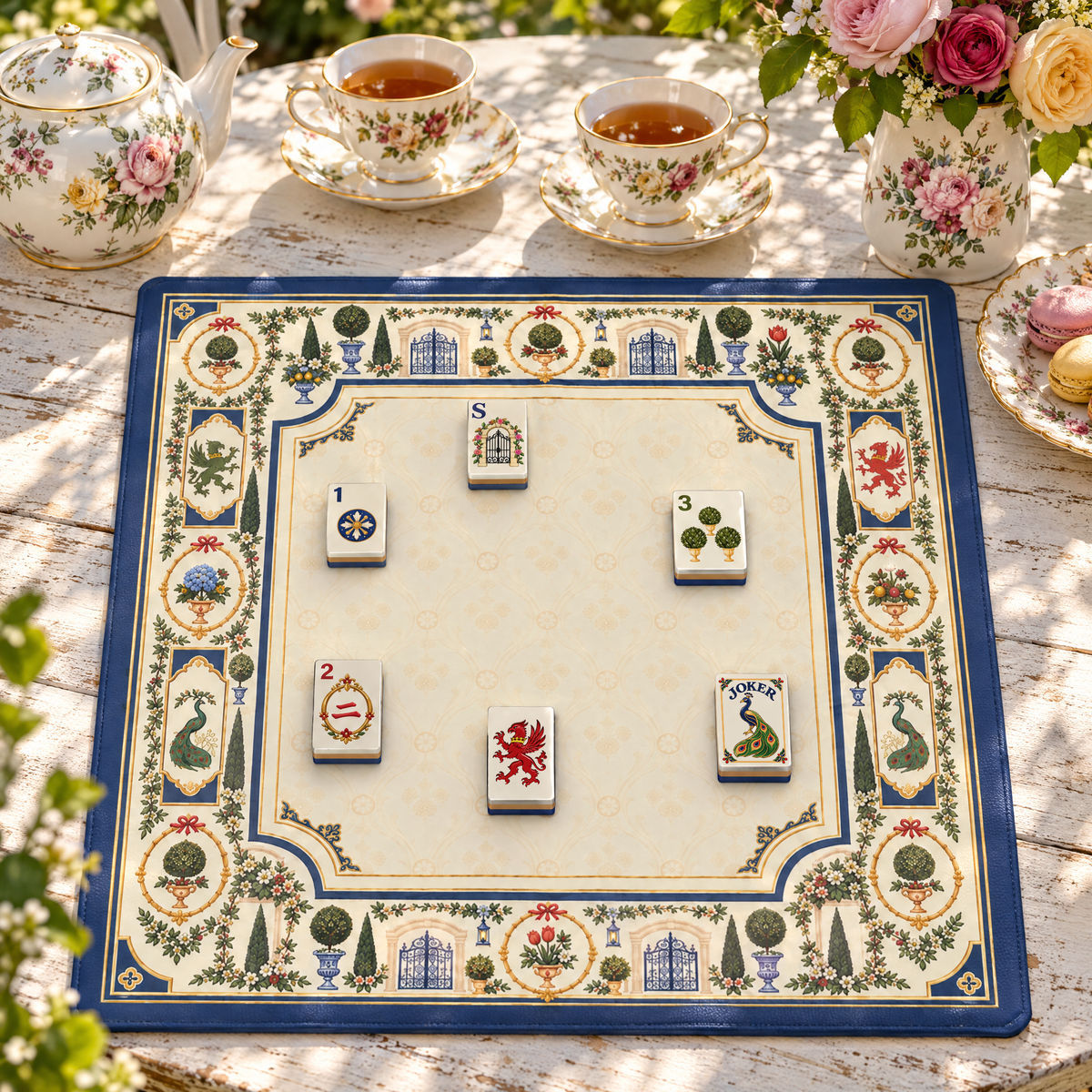
Singapore hosts several well-reviewed mahjong apps: Mahjong Ways (casual, browser-based), Tencent's QQ Mahjong (largest user base in Asia), Happy Mahjong (social, no stakes), and regional platforms like 89 Mahjong and Mahjong Master. Most run on iOS and Android; some require VPN access outside Asia. Choosing depends on your variant preference—Hong Kong rules dominate Singapore apps, while fewer support traditional Cantonese or Malaysian styles. Free-to-play versions exist, though premium currency and ads are common. Before committing, test connection stability on your home wifi and check whether the app's tile animations match your preferred speed and hand visibility. No app fully replaces the tactile feedback and social intimacy of physical play, which is why many serious players combine digital practice with weekly in-person games using our best-selling acrylic sets.
Singapore mahjong apps offer convenience and speed, but choosing the right platform depends on your preferred variant, connection stability, and whether you want real-money stakes or social play.
Which Singapore mahjong app has the most active players?
QQ Mahjong (operated by Tencent) and Mahjong Ways dominate Southeast Asia by user base. QQ Mahjong integrates with WeChat accounts and hosts tournaments with thousands of concurrent players; Mahjong Ways emphasizes browser simplicity and requires no download. Smaller apps like Happy Mahjong and 89 Mahjong serve niche communities focused on social play over competition. Player count fluctuates seasonally—expect peak activity during Chinese New Year and holiday breaks. Active multiplayer pools ensure short wait times and varied opponent skill levels, which matters if you're practicing reads against different strategies.

What rules variant do Singapore apps support?
Most Singapore mahjong apps default to Hong Kong rules (13 tiles drawn at game start, chows/sequences allowed, no NMJL card reference). Some support Cantonese Mahjong (14 tiles, simpler melds, fewer hand types) or Malaysian Mahjong (similar to Hong Kong but faster rounds). Few apps offer American Mahjong—the variant popular in the US relies on the National Mah Jongg League's annual card and exposed melds only (pungs, kongs, quints, sextets), which most Singapore platforms do not code. If you play both American and Hong Kong mahjong, you'll switch apps. American players often keep a physical acrylic set for in-person weekly games and use an app for occasional Hong Kong practice when traveling.
Should you play for money on Singapore mahjong apps?
Many apps offer "play chip" or low-stakes real-money modes in jurisdictions where gambling is permitted. Real-money stakes increase engagement but risk financial loss if your connection drops mid-hand; Singapore law restricts gambling on unregistered platforms. Free-to-play versions with cosmetic rewards, leaderboards, and seasonal tournaments provide competitive satisfaction without legal or financial risk. Beginners benefit from play-chip modes—no pressure to make optimal decisions immediately. Serious players often reserve real-money apps for nights with stable wifi and clear mental energy; casual sessions use free modes.
Feature | Best For | Notes |
QQ Mahjong (Tencent) | Maximum players, tournaments | Largest Asia base; WeChat login; possible VPN requirement outside China |
Mahjong Ways (browser) | Zero download, casual | Simple UI; quick matchmaking; works on weak wifi |
Happy Mahjong (app) | Social/friendly games | Ad-supported; no real money; slower pace |
89 Mahjong | Regional variant players | Malaysian/Cantonese support; smaller player pool |
Mahjong Master (app) | Single-player training | AI opponents; no live play; best for learning |
🀄 Shop best-selling mahjong sets →

How does connection stability affect your app choice?
Lag during tile selection or window period (the drawing phase when all players act simultaneously) causes misplays and dropped hands—a particular risk on 4G networks or shared office wifi. Apps differ in latency tolerance: Mahjong Ways (browser-based) and QQ Mahjong compress updates efficiently; smaller platforms occasionally stutter on peak-load evenings. Test your connection by playing five casual rounds on each app before committing time or stakes. If you're in Singapore and experience frequent disconnects, try switching to 5G hotspot or playing during off-peak hours (early morning or early afternoon). Note: no app eliminates lag entirely—if you rely on real-time decision-making for competitive play, learning on a physical mat with partners provides the most reliable practice environment.
Can Singapore apps teach you to play American mahjong?
Rarely. Singapore apps focus on Hong Kong, Cantonese, Malaysian, and Riichi (Japanese) variants. American Mahjong uses a closed hand (13 hidden tiles initially, then 1 drawn), only exposed groups (pungs/kongs/quints/sextets—no sequences), and requires the current year's National Mah Jongg League card. Learning American Mahjong online means finding Zoom study groups, watching YouTube tutorials, or reading our beginner guide. Serious American players practice with physical sets because the card reference, rapid meld calls, and table rhythm depend on in-person coordination. If you play both variants, use Singapore apps for Hong Kong refresher rounds (which share some tile logic) and reserve American play for weekly in-person games with a full acrylic set and matching mat.
What to check before you buy (or download) an app
Connection: Test on your home and office wifi. Play three casual rounds; note lag during tile picks and melding calls.
Rules match: Confirm the app supports your preferred variant (Hong Kong, Cantonese, Malaysian, or American). Read the rules guide in-app before joining.
Real-money stakes: Check your local law. Verify whether the platform is licensed and whether you can afford losses from disconnects or bad plays.
Hand speed: Choose between real-time (all players act simultaneously) and turn-based (sequential moves). Real-time mirrors table play; turn-based suits casual, mobile-multitasking sessions.
UI clarity: Download and play one free round. Tile visibility, meld panels, and discard tracking should feel intuitive within two hands.
Offline practice: If you'll use the app for travel, check whether single-player AI mode works without internet (most don't; browser-based apps require connection).
🎁 See our most-loved mahjong sets & accessories →
The best Singapore mahjong apps complement rather than replace in-person play. Weekly games with a trusted set—whether engraved acrylic tiles or a travel-friendly bag with pushers—build social bonds and muscle memory that no screen can match. Use apps to practice hand reading, speed, and variant rules between game nights. Join online tournaments to stay sharp. But when you're ready to play seriously or teach newcomers, gather around a real table with real tiles and play until your fingers remember the click.
✨ Find your Mahstead set — free US shipping →

FAQ
Is QQ Mahjong available outside China and Singapore?
Yes, but you may need a VPN and a WeChat account. Latency outside Asia can be higher. Test before committing time to tournaments.
Can I learn American Mahjong rules on a Singapore app?
No. Singapore apps focus on Hong Kong and Cantonese variants. For American Mahjong, use YouTube guides or find a live group—the National Mah Jongg League card is essential.
Will playing apps on my phone make me better at in-person mahjong?
Partially. Apps teach tile recognition, hand logic, and speed. They don't teach table etiquette, meld calling timing, or reading opponents' hesitations—skills you gain only from sitting across the table.
Which app is best for a beginner?
Happy Mahjong (free, no stakes, slower pace, clear UI) or Mahjong Master (AI-only, single-player, tutorial-focused). Both let you learn without pressure.
Do Singapore mahjong apps work on weak wifi?
Mahjong Ways (browser) and QQ Mahjong handle 3G better than smaller apps. Test on your wifi before playing ranked or real-money rounds; lag during meld windows causes dropped hands.


View More
View More
View More
