
How to Host a Kentucky Derby Mahjong Party
Last updated: Nov 23, 2026
A Kentucky Derby mahjong party fuses American mahjong with Derby Day theatrics—think mint juleps, a big screen for the race broadcast, and tiles. Host four players with a standard 160-tile acrylic set; plan 90–120 minutes per session. Set up in mid-May (race day is early May), use the current year's National Mah Jongg League card, and rotate who deals. No special rules required—play standard American mahjong, but make the room festive: play in pastels, wear fascinators or bow ties, and time tile play so players can pause for the race. Mahstead's engraved acrylic sets work beautifully for a themed event; their acrylic tiles are durable enough for frequent shuffling and loud play. Avoid heavy drinking before your hand; hand-eye coordination matters.
Why does a Kentucky Derby mahjong party work so well?
The Derby is a four-minute cultural moment, but a mahjong hand lasts 90 seconds to five minutes. Players can finish a hand, watch the race in a group, celebrate or reset, then deal again. The social energy—spectacle plus skill—matches mahjong's mix of luck and strategy. Kentucky attracts horse racing fans from all over; mahjong draws people who love games. Combine them and you attract hosts and guests who want both pageantry and genuine play.
What tiles and equipment do you actually need?
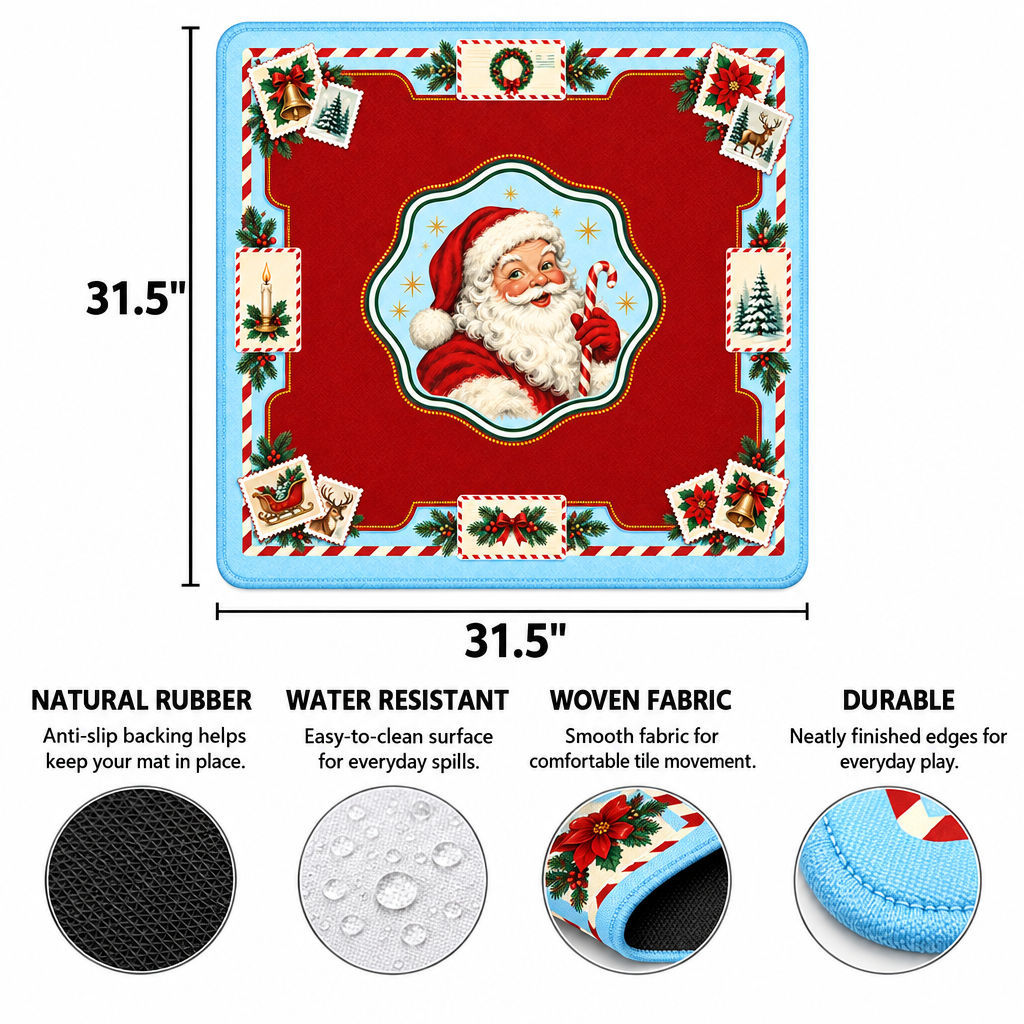
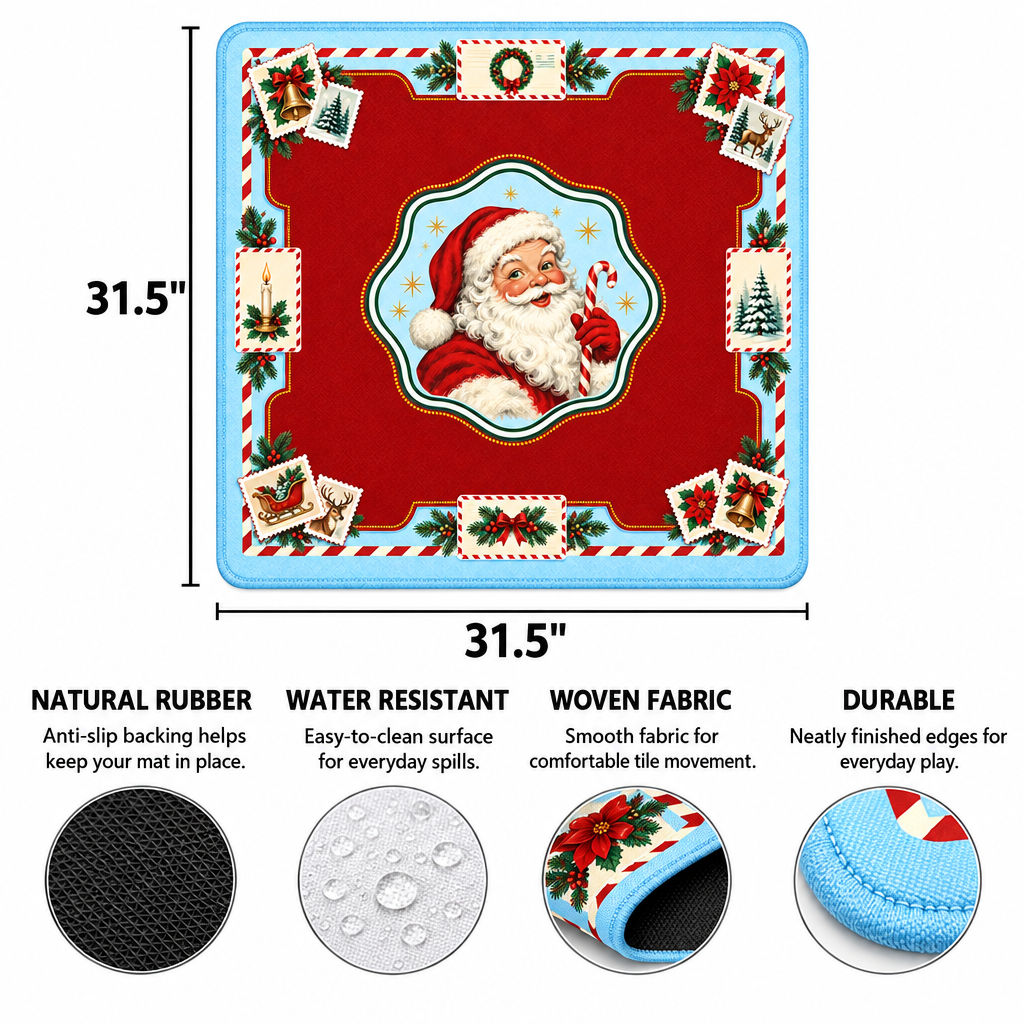
You need one full 160-tile best-selling mahjong set per table of four. American mahjong uses 152 tiles (three suits, winds, dragons, flowers, jokers) plus eight spares. Each player holds thirteen tiles; the wall has 108. You'll also want racks with pushers so players can organize and conceal their hands comfortably—essential during a crowded party. A padded mahjong mat protects acrylic tiles from loud noise and keeps play visible. If you're hosting multiple tables, grab a spare set and mat; if you're traveling to a Derby party, a travel-friendly bag or case keeps tiles safe in your car.
🀄 Shop best-selling mahjong sets →
How do you schedule play around the actual race?
The Kentucky Derby typically runs around 6:46 p.m. Eastern time on the first Saturday in May. Work backward: if guests arrive at 4 p.m., play one or two hands (90–150 minutes), break for drinks, watch the 15-minute pre-race hype, play another hand during post-race celebration, then eat and deal again. Set a loose schedule on your invite ("Tiles 4–5:45, Derby at 6:46, tiles 7–8:30") so guests know what to expect. Avoid back-to-back intense hands; mahjong tires the brain, and you want players sharp and laughing, not frustrated.
What's the best way to seat four players for a themed party?
Assign compass seats—North, East, South, West—not player names; it matches the game's tradition and keeps play fair. Rotate who deals after each hand (East always deals first; if East wins, East deals again; if someone else wins, the next player clockwise becomes East). For a Derby theme, seat your most competitive or experienced player East so the game runs smoothly and newer players feel supported. If you have five to eight guests, rotate tables or run two simultaneous games; mahjong is genuinely better with exactly four. Never seat three or play with more than four unless you've learned the special rules for 2 and 3 player mahjong, which use a different card.
What gear makes the party feel intentional, not generic?
Details sell the theme. Serve in mint julep glasses, play Appalachian or bluegrass in the background, and print the current year's National Mah Jongg League card and a simple hand-scoring guide for newcomers. If you want a keepsake, order a set with an engraved motif—Mahstead's titled or custom designs turn a party favor into a conversation piece. Pass tiles loudly during the Charleston (the pre-game tile-passing ritual) so people feel the ceremony. Avoid cluttered table space; use a mat to define the play zone and keep the broadcast screen visible from every seat.
🎁 See our most-loved mahjong sets & accessories →
What's the rookie mistake hosts make, and how do you avoid it?
Most new hosts underestimate how many tiles guests will accidentally touch or miscount during the Charleston. Set up your tiles the morning of the party and do a quick count—all four of each number and wind, eight jokers, no missing pieces. Have a current League card on hand; new players will ask about valid hands every three or four plays, and you can't argue without it. Don't assume players know how jokers work—one joker replaces one tile in a pung, kong, quint or sextet, never a pair and never alone. Explain the Charleston before guests arrive; confused tile-passing slows everything down and kills energy. And never serve alcohol before someone learns the rules; a martini and the hand chart don't mix.
Hosting Checklist: Kentucky Derby Mahjong Party
Task | Timing | Notes |
Order or dust off set(s) | 2 weeks before | 160-tile acrylic set per four players |
Print current League card | 1 week before | Free online via National Mah Jongg League |
Confirm four players, get RSVPs | 2 weeks before | Email rules link if anyone's new |
Set up table(s) and mat(s) | Day of, 2 hours early | Test mat lay-flat, check tile counts |
Brief on Charleston and hand limits | 30 min before first deal | Use League card as your reference |
Serve pre-race snacks | 4–4:30 p.m. | Mint juleps, cheese, fruit |
Play hand(s) | 4–5:45 p.m. | 90–150 min depending on speed |
Tune in race broadcast | ~6:30 p.m. | All players gather at screen |
Resume play or celebratory hand | 7–8:30 p.m. | Lower-pressure, fun-focused round |
What to Check Before You Buy Mahjong Gear for a Derby Party
Tile material: Acrylic sets are durable, loud (fun for a festive room), and water-resistant if someone spills a mint julep nearby. They're easier to clean than bone or bamboo.
Mat grip: Your mat should have a non-slip backing so tiles don't skid when you shuffle hard or guests get excited during the race.
Rack stability: Racks with pushers keep hands private and organized; test that they're tall enough to hide tiles from opponents but not so steep that players strain their wrists.
Storage: If you're hosting multiple parties, a padded bag or case keeps your set safe between uses and makes transport to a Derby venue easy.
✨ Find your Mahstead set — free US shipping →

FAQ
Can we play mahjong while watching the race?
Yes, but plan it carefully. Finish a hand before the 15-minute pre-race show, then all four watch together. Resume after the race ends (about 6:50 p.m.). Pausing mid-hand for the race breaks momentum and frustrates players.
Do we need special rules or a themed card for Derby mahjong?
No. Use the standard current-year National Mah Jongg League card. The "Derby" part is the setting, snacks, and betting (on horses, not tiles), not rule changes. Standard American mahjong plays beautifully as-is.
How many people can play at one mahjong table?
Exactly four. Mahjong is designed for four players; hands, walls, and scoring all rely on four seats. If you have more than four guests, run two simultaneous tables or rotate players between hands.
What if someone's never played mahjong before?
Hand them a copy of the League card and explain the Charleston (tile-passing before the first hand) and the basic idea: build a hand from the card, use pushers to hide your tiles, and the first person to declare a legal hand wins. Play one slow hand so they see the rhythm. Most people pick it up in 10 minutes.
Can we drink while we play?
Light drinking (one bourbon or mint julep) is fine. Heavy drinking slows decision-making and leads to misdeals or rule confusion. Serve after a hand, not before; mahjong requires mental clarity and steady hands.
How loud is acrylic tile play, and is that a problem at a party?
Acrylic tiles click and rattle loudly—intentionally. It's festive and signals to all four players that a tile is played. For a Derby party, that energy is perfect. The noise is never offensive; it's part of the mahjong culture.


View More
View More
View More
