
Is Mahjong Similar to Mexican Train? Key Differences Explained
Last updated: Nov 23, 2026
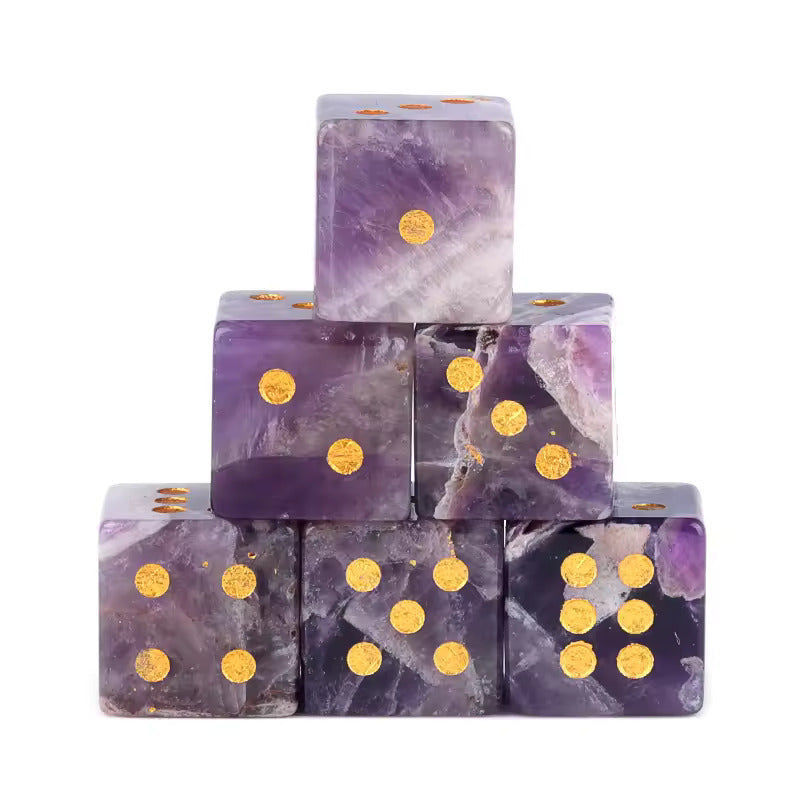
Mahjong and Mexican Train are cousins, not twins. Both use tiles you draw, hold, and lay down; both involve dominoes or tile trains. But mahjong (especially American mahjong) draws from 152 playing tiles across three numbered suits, winds, dragons, and flowers—requiring hands matched to a published card each year. Mexican Train uses double-six dominoes (28 tiles), no hand card, and a completely open tableau where players extend a communal "train." American mahjong emphasizes hidden hands and pattern memory; Mexican Train is sight-based and strategic. If you love hidden information and preset combinations, mahjong wins. If you prefer real-time train blocking and lightweight rules, Mexican Train is your game. Mahstead carries best-selling mahjong sets for anyone ready to cross into mahjong's deeper waters.
Both mahjong and Mexican Train descend from tile-play traditions, but they occupy different branches of the game tree. Mahjong (especially the American variant) is a memory, observation, and hand-building game where players conceal their tiles and match them to abstract patterns from an annual card. Mexican Train, by contrast, is a dominoes game played entirely in the open—players build a shared chain of dominoes, block each other's trains, and race to empty their racks. The tiles are different, the rules are different, and the psychology is different. If you've played one, the other will feel like a new language.
What Equipment Do These Games Use?
American mahjong uses 152 playing tiles (plus 8 jokers) divided into three suits of numbers 1–9, four winds, three dragons, and flowers—a total of 160 tiles in a standard set. Each tile appears four times. Mexican Train uses a standard domino set of 28 double-six dominoes (each shows two numbers 0–6), plus a hub and train markers. Mahjong tiles are larger, often decorative, and require a hand rack or mat to organize; dominoes are thinner and smaller, played on a flat surface in a visible line. If you already own mahjong gear—a mat, racks, or tiles—you cannot reuse it for Mexican Train. The two games demand separate equipment entirely.
How Do Drawing and Holding Tiles Differ?
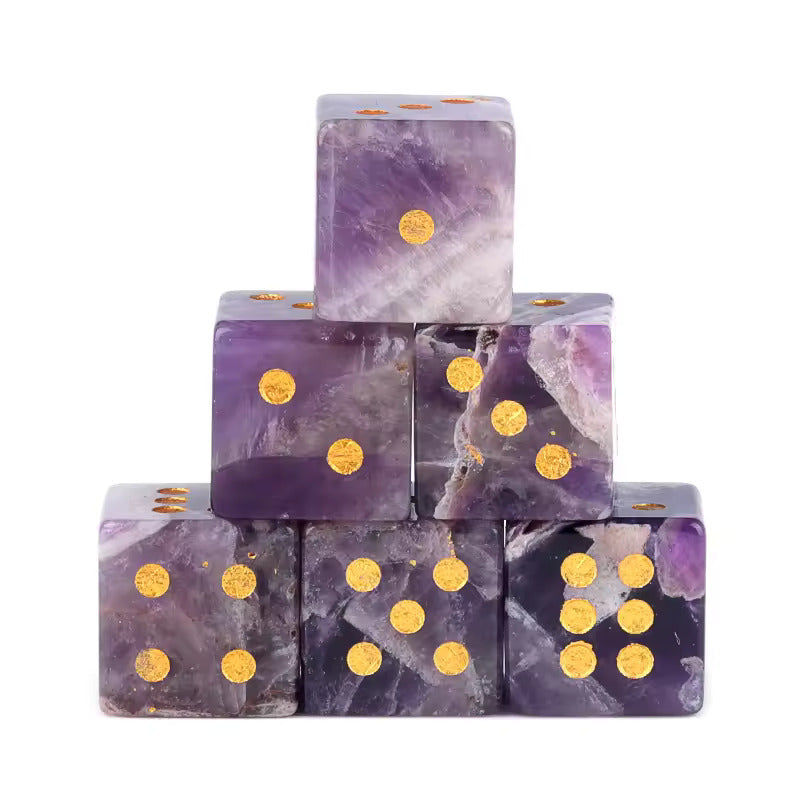
In American mahjong, players draw tiles one by one during the Charleston—a passing ritual before play begins—then during play draw one tile per turn from the wall. Your hand stays hidden in a rack, visible only to you. The goal is to match your 14 tiles to one of hundreds of patterns on the current year's hand card. In Mexican Train, players draw dominoes (typically five to seven) and hold them openly, or at least in a way your opponent can count. You build outward from a central hub, connecting dominoes that match pips. There's no hidden hand card, no memory of patterns—everything you need is visible on the table or in other players' open racks.
What's the Role of Strategy and Memory?
Mahjong rewards pattern recognition, tile memory, and the ability to spot when an opponent is close to winning. You track what tiles have been exposed in melds, predict what tiles other players hold, and remember which hands appeared on the card years ago. The game unfolds over 16 rounds, with scoring tied to the difficulty and rarity of each hand. Mexican Train emphasizes tactical blocking: do you extend your own train, extend another player's train to deny them a move, or play the domino hub? It's a game of immediate, visible decisions with minimal memory overhead. If you enjoy quiet, introspective play, mahjong fits; if you want fast banter and obvious strategy, Mexican Train delivers faster.
How Do Winning Hands Compare?
In American mahjong, you win by assembling all 14 of your tiles into one specific pattern from the current year's hand card—perhaps three pungs (sets of three identical tiles), one kong (set of four), and a pair, or a sequence of tiles in one or two suits. The hand must match exactly; a near-miss is a losing hand. Each hand has a point value and a payment rule. In Mexican Train, you win by playing all your dominoes first, or if play stops (no one can extend any train), you score the fewest remaining pips. There are no preset hand patterns—any sequence of dominoes that connects is legal. Mahjong hands are discrete, preset, and scored by name and rarity. Mexican Train wins are about emptying your rack, not achieving a particular configuration.

Can You Transition Between the Two Games?
Many players switch between mahjong and Mexican Train seasonally or by mood. The tile-pushing skills overlap slightly—both demand patience and arithmetic for scoring—but the core mental discipline differs radically. Mahjong players must memorize the current hand card and develop visual pattern recall. Mexican Train players must think two moves ahead on an open board. If you've mastered one, the other is not automatic; it's a genuine new skill. Some people love both; others prefer one and find the other tedious. The real answer is to play both once and trust your instinct.
Aspect | American Mahjong | Mexican Train |
Tile Count | 160 (152 playing) | 28 dominoes |
Hand Visibility | Hidden in rack | Open or countable |
Hand Patterns | Fixed by annual card | Any connecting sequence |
Drawing Method | Charleston + wall draws | Initial draw; no passing |
Winning Condition | Match 14 tiles to card pattern | Play all dominoes first |
Skill Emphasis | Memory, pattern recognition | Tactical blocking, math |
Round Duration | 16 hands per session | Varies (3–7 plays typical) |
Setup Time | 10–15 minutes (Charleston) | 2–3 minutes |
🀄 Shop best-selling mahjong sets →
What Should New Players Know Before Choosing?
If you're drawn to mahjong because you love pattern puzzles, hidden information, and a learning curve that rewards repeated play, start there. If you want a faster, more social game with less memorization, Mexican Train is gentler. Mahjong requires an investment: you need the tiles, a mat or rack, the current year's hand card, and study time. Many new players begin with friends who already play or join a local group at a community center or synagogue (ask at libraries and recreation departments). Mexican Train needs just dominoes and a flat surface—you can start today with a basic set.
For mahjong specifically, we recommend exploring our best-selling mahjong sets to see what appeals to you aesthetically and practically. A quality set with clear tiles and a sturdy mat makes the learning phase much less frustrating. If you decide mahjong is your game, you'll also want to invest in racks with pushers to keep tiles organized and a travel bag if you plan to carry your set to games. The mahjong beginner guide walks through the basics step-by-step, and the Charleston article explains the pre-game tile-passing ritual in detail.
🎁 See our most-loved mahjong sets & accessories →
What to Check Before You Buy
If buying a mahjong set: Ensure tiles are thick acrylic or bone (not cheap plastic), that one suits you aesthetically, and that it includes a mat or your budget covers one separately.
If choosing mahjong over Mexican Train: Confirm you have or can access the current year's hand card (published each spring by the National Mah Jongg League) and that a player or group can teach you the first few hands.
If split between both: Buy a mahjong set now; Mexican Train plays fine with a borrowed or basic domino set. Mahjong is the deeper investment.
Community fit: Locate a mahjong group near you before committing. Visit community centers, libraries, synagogues, or country clubs and ask for game times. Mexican Train spreads wider in some regions; mahjong clusters in others.
✨ Find your Mahstead set — free US shipping →

FAQ
Can I use mahjong tiles to play Mexican Train?
No. Mahjong tiles are numbered and suited (Bams, Craks, Dots, winds, dragons); Mexican Train dominoes show pips (dots) on two halves, 0–6 each. The indexing is incompatible.
Is mahjong harder to learn than Mexican Train?
Yes. Mexican Train rules are simple (match pips, extend trains) and learnable in 10 minutes. Mahjong requires memorizing the hand card, understanding melds, and grasping scoring—typically 2–4 weeks of play to feel comfortable.
Do both games take the same amount of time?
No. A Mexican Train round lasts 10–20 minutes. A mahjong session is 16 hands, typically 1–2 hours. Mahjong is a longer commitment.
Can I play mahjong online if I don't have friends nearby?
Yes, but competitive American mahjong is easiest in person. Chinese mahjong and Riichi mahjong have active online communities. For American mahjong, local groups (at community centers, synagogues, or libraries) are the fastest entry point.
What's the best way to transition from Mexican Train to mahjong?
Start by watching one game live, learning the Charleston, then studying the hand card for 10 minutes before your first play. Don't memorize patterns; just follow the card and ask questions. Most mahjong groups welcome beginners.
Do I need special furniture or a mat to play mahjong?
A mat is strongly recommended—it organizes your hand, marks the wall, and protects tiles. A regular table works, but a mahjong mat makes play cleaner and faster.


View More
View More
View More
