
Are Expensive Mahjong Racks Worth It? A Player's Guide
Last updated: Nov 23, 2026
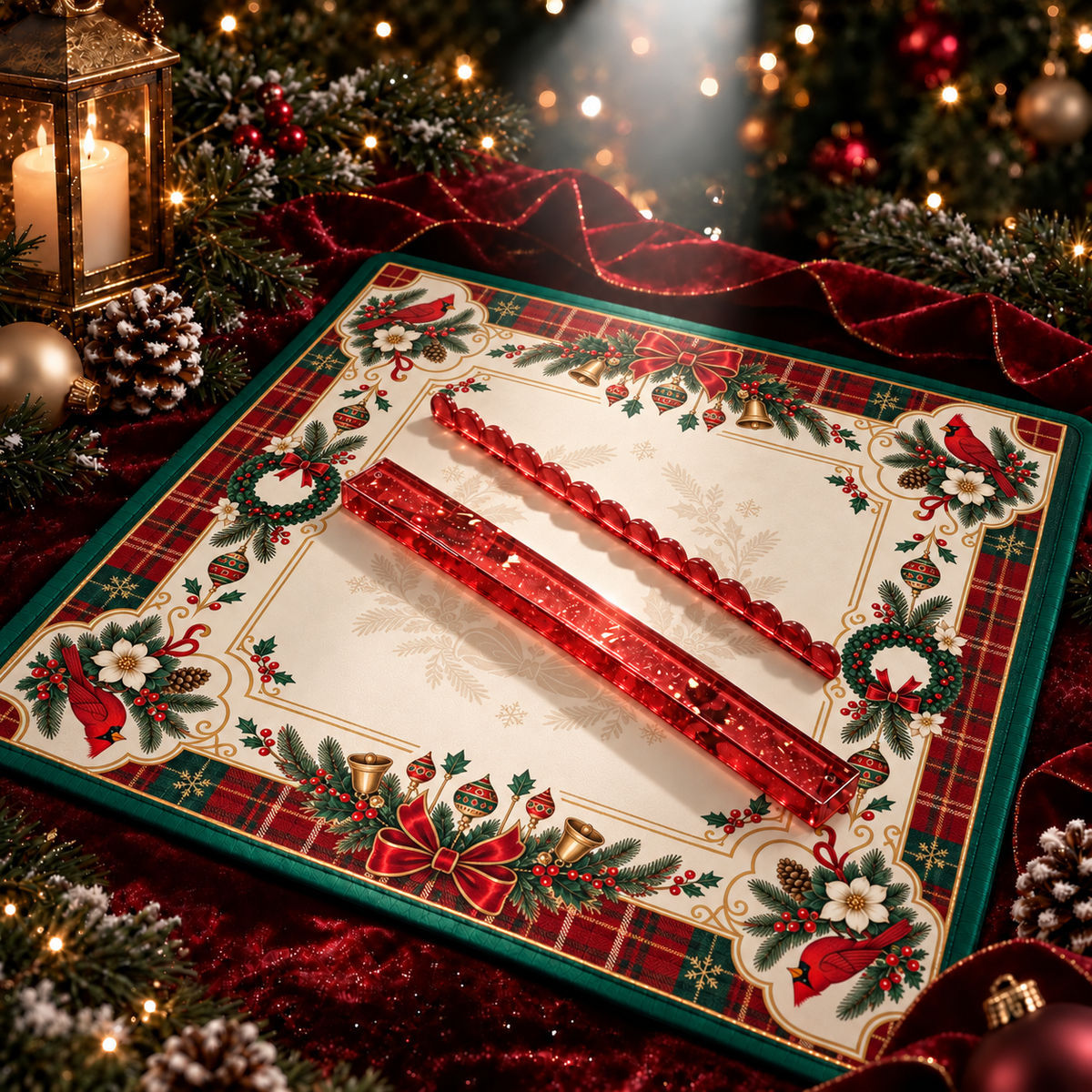
Expensive mahjong racks with pushers are worth it if you play weekly or host regularly, because they protect tile visibility from opponents and speed up your draw. A premium rack holds 152 tiles securely, uses smooth pushers that glide without jamming, and sits at a comfortable angle for 2–3 hours of play. Basic racks often have stiff pushers, warp under tile weight, or slide across the table—wasting time and frustrating players. The mahjong racks with pushers collection offers options across price ranges; choose based on play frequency, table space, and whether you're hosting. If you play casually or borrow a set occasionally, a mid-range rack is fine. If you host monthly games or play competitively, a high-quality rack pays for itself in durability and game flow. Avoid racks marketed for 144 or 166 tiles—American mahjong uses exactly 152 tiles plus 8 jokers, so sizing matters. 🀄 Shop best-selling mahjong sets →
Why do rack pushers make such a difference?
Pushers are the small wooden or plastic bars that slide your tiles forward as you draw. A stiff pusher forces you to use finger strength on every draw, fatiguing your hand during a long game. A smooth pusher glides with a light touch—one finger flicks it forward, and your new tile emerges. Cheap pushers stick, bind, or skip, which breaks rhythm and slows the game. Premium pushers use better wood or higher-grade plastic, slide with barely perceptible friction, and don't warp after 50 games. If your rack doesn't have pushers at all, you're manually arranging tiles by hand each turn, exposing your strategy to sharp-eyed opponents and losing minutes per session.
What's the real difference between budget and premium racks?
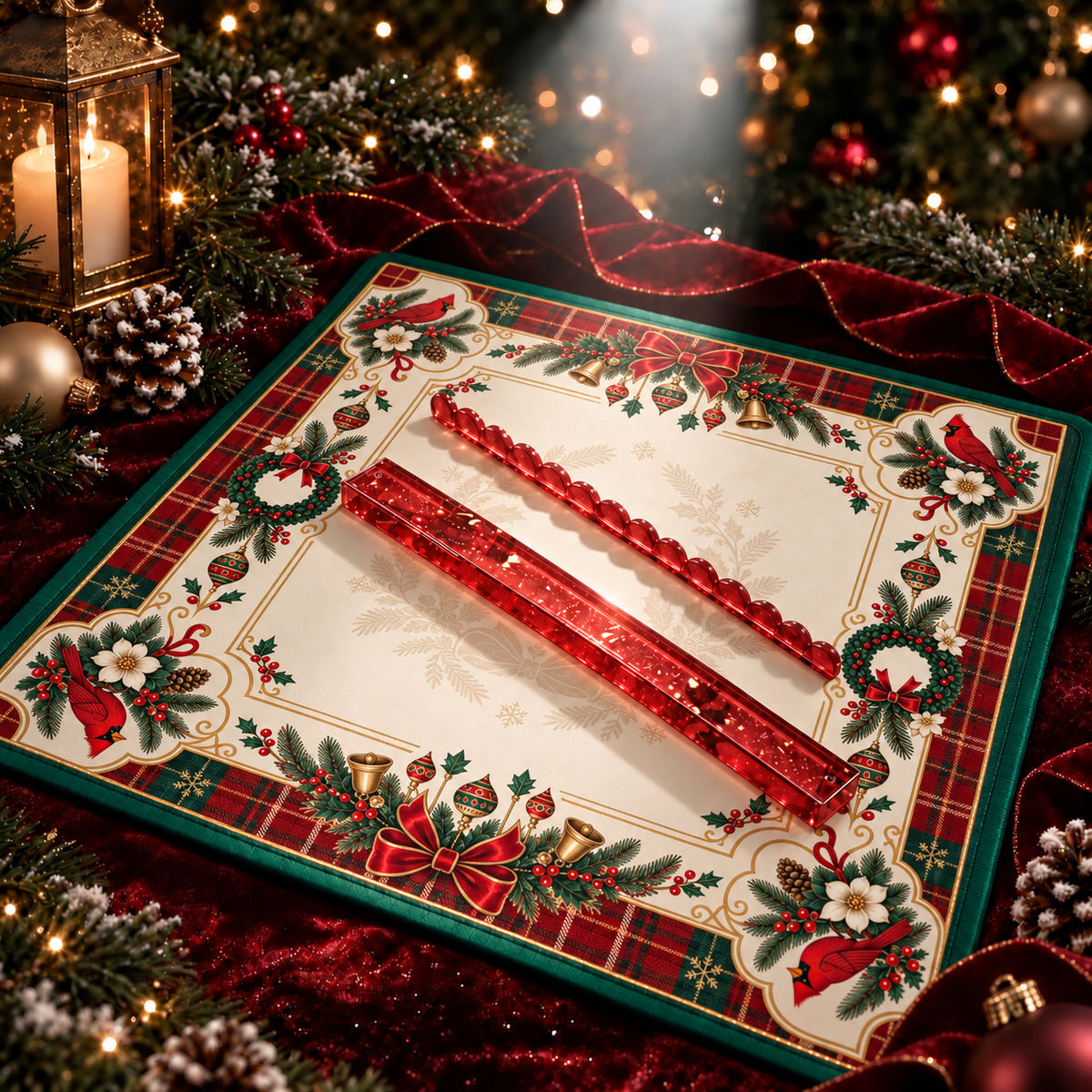
Budget racks (entry-level price) usually have a fixed angle, hold tiles in a single row, and use thin pushers that flex under weight. They work for casual play but feel flimsy after a year of weekly games. Mid-range racks offer better wood or resin, adjustable angles, and thicker pushers that hold their shape. Premium racks add refinements: a deeper well for secure tile nesting, dual-pusher systems for left- and right-handed players, felt-lined bases to prevent sliding, and angle adjustability for tall or petite players. A comparison of racks by durability and feature shows:
Feature | Budget | Mid-Range | Premium |
Pusher smoothness | Stiff, sticky | Smooth | Buttery, effortless |
Tile capacity | Uneven (some slip) | Secure 152 | Holds all 152 + comfort |
Angle adjustment | Fixed | 2–3 settings | Full range |
Warp risk (1-year use) | High | Low | Minimal |
Felt or grip base | Rarely | Often | Always |
Suited for hosting | No | Yes | Yes |
Premium racks cost more upfront but don't need replacing after two seasons. A budget rack might cost 1/3 the price of a premium one—but if you replace it twice while a premium rack lasts eight years of weekly play, the premium model wins on total cost.
Who actually needs a high-end rack?
If you host or co-host a weekly game, invest in a premium rack. Your guests notice immediately: smooth pushers mean faster draws, better game flow, and fewer fumbles. Serious players who track hands and study strategy benefit from the security a premium rack offers—opponents can't see your tile order if it's tucked neatly away. Competitive players preparing for tournaments use premium racks to build muscle memory with the exact gear they'll play with. If you're a casual player who visits a friend's game once a month, a mid-range rack borrowed from the set owner or a shared table rack is fine. If you travel with your own set, a lightweight mid-range rack suits you better than a heavy premium model. Tournament hosts should provide premium racks for all four seats—it's part of the table setup, just like a quality mat.
🎁 See our most-loved mahjong sets & accessories →
What should you check before ordering a rack?
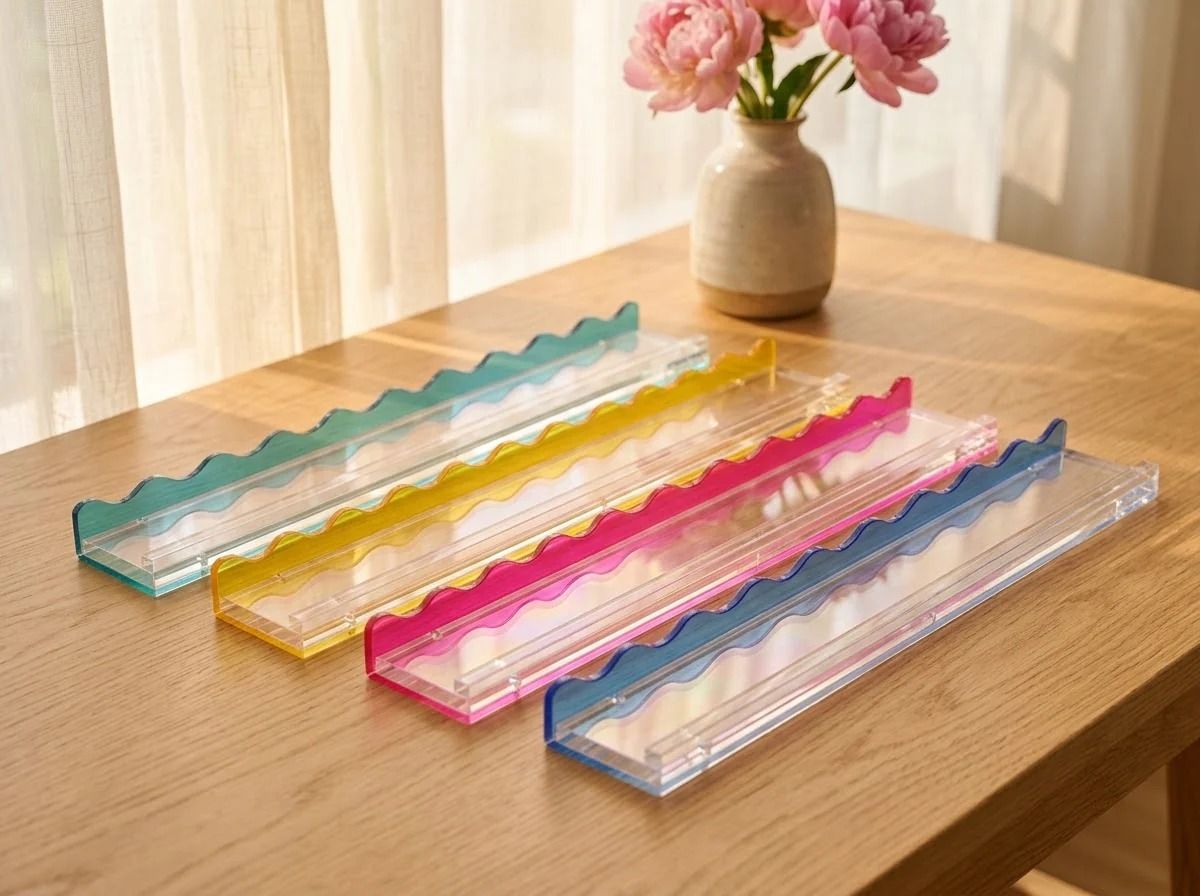
Before buying, confirm the rack holds 152 tiles (American mahjong standard) and fits your table width. Measure your mahjong table or work surface—most premium racks are 22–26 inches long and need clearance on both sides for playing space. Check the weight: a solid hardwood rack may weigh 3–4 pounds, while resin or bamboo racks are lighter. If you travel, lighter matters. Test the pusher action if possible—order from a seller with a return policy so you can feel the smoothness before committing. Ask if the rack is left- or right-handed, or if it's ambidextrous. Check the base: felt or rubber grips prevent the rack from sliding, which is critical on smooth tables. If you have limited table space, look for racks designed for compact play or stacking. Avoid racks with sharp edges or splinters—you'll place your hand on it thousands of times. Some premium racks come with protective covers or bags; that's a bonus if you host and need to store four racks.
How does rack quality affect your overall game setup?
A premium rack is one piece of a good table setup. Pair it with a high-quality mahjong mat to define the play zone and add cushioning, and a durable mahjong set with clearly engraved tiles so everyone reads hands quickly. Premium racks, mats, and sets work together: the mat keeps tiles from sliding, the set has readable faces, and the racks organize play. If you spend on a premium rack but use a worn, scratched set or a thin mat, the effect is diluted. Hosting players invest in all three. Casual players can mix budget and mid-range items and still enjoy the game. A travel bag or case protects your whole setup if you move between locations. The cost of hosting well—four good racks, one mat, one set, and a bag—comes to less than one year of weekly restaurant meals, and you're hosting 52 game nights.
✨ Find your Mahstead set — free US shipping →
What to check before you buy
Measure your table: Length and width; confirm the rack fits with tile-reaching room on both sides.
Test the pusher: Request a product demo or confirm a return window.
Check weight and portability: Is this a home rack or a travel rack?
Verify American mahjong sizing: The rack must hold exactly 152 tiles.
Inspect the base: Felt or rubber, not bare wood or plastic.
Ask about left/right-handed design: Do you need ambidextrous or a specific orientation?
Plan for four: If hosting, budget for four matching racks so all players have the same quality experience.
FAQ
Can I use a mahjong rack designed for Chinese mahjong (144 tiles) for American mahjong (152)?
No. Chinese racks are sized for 144 tiles and won't fit American sets securely; tiles will slip or jam. American mahjong racks are specifically built for 152 tiles plus the wider arrangement. Always confirm the rack matches your game variant.
Do I really need pushers, or can I just move tiles by hand?
Pushers are optional for casual play but essential for serious games. They hide your tile order from opponents, speed up your draw, and reduce hand fatigue over 2–3 hours. Without pushers, you expose your strategy and waste time rearranging tiles each turn.
What's the difference between a rack with a single pusher and a dual-pusher rack?
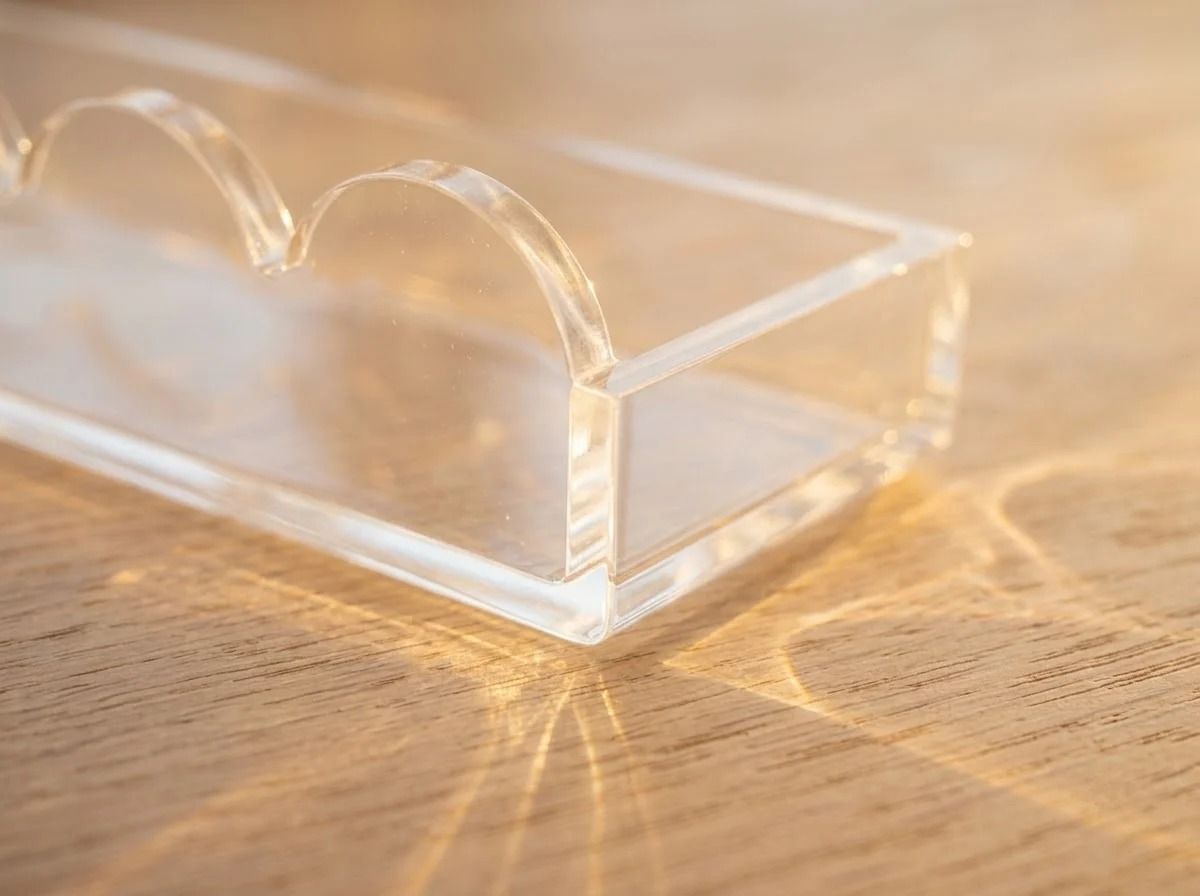
Single-pusher racks work for right-handed players. Dual-pusher racks have pushers on both ends, letting left-handed or ambidextrous players use the same rack comfortably. If your group mixes left and right, dual-pusher racks save you from rotating or flipping the rack.
Can a premium rack wear out, and is it repairable?
Premium racks are designed to last 5–10 years of weekly play. Pushers can stiffen from dust or humidity; light sanding or lubrication (never oil) restores smoothness. If a pusher cracks, some makers offer replacement pushers. Budget racks are rarely worth repairing—replacement is cheaper.
If I'm just learning mahjong, should I buy a premium rack now or wait?
Start with a mid-range rack from your first set or borrow from a host. Once you're playing weekly and comfortable with the game, upgrade to premium if you host or travel. You'll know your preferences (angle, weight, pusher feel) by then and won't waste money on the wrong style.


View More
View More
View More
