
Hong Kong vs. American Mahjong Rules: Key Differences
Last updated: Nov 23, 2026
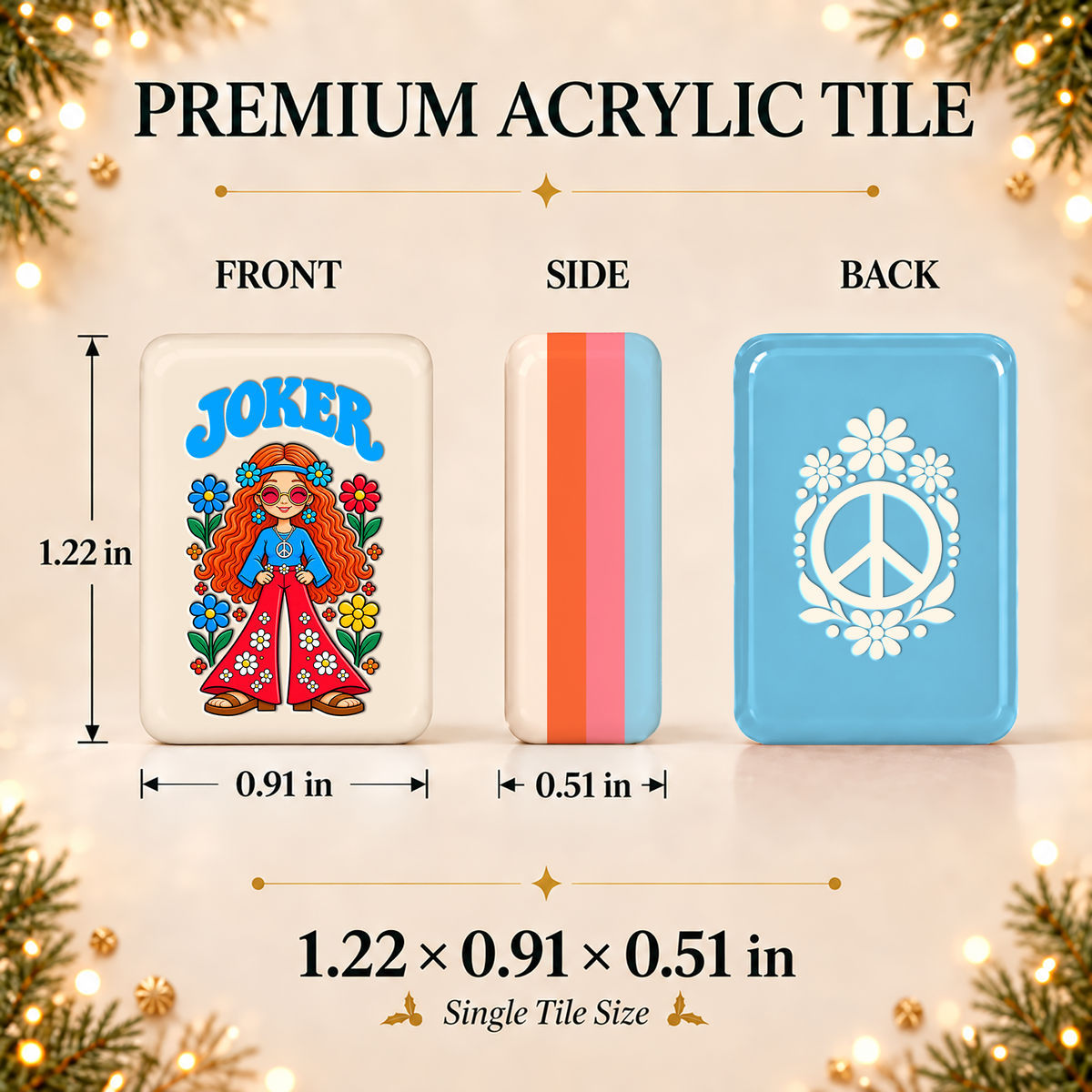
Hong Kong mahjong uses 144 tiles (one suit has no fours; no flowers or seasons) and rewards melds you can call or expose during play—chows (1-2-3 sequences), pungs (three identical), kongs (four identical). American mahjong uses 152 tiles, requires hands only from the year's National Mah Jongg League card (no sequences allowed), restricts exposed melds to pungs, kongs, quints, and sextets, and forbids jokers in pairs or single tiles. Hong Kong games end when a player completes any valid combination; American games end only when someone declares a hand that matches the card exactly. Scoring in Hong Kong is point-based per meld; American scoring counts the hand type and tile value from the card. If you host weekly games and play American, switching to Hong Kong requires unlearning sequence calls and memorizing entirely different hand lists.
Hong Kong mahjong and American mahjong are separate games, not variants of the same ruleset. Players often assume they're interchangeable—they aren't. A hand that wins in Hong Kong is invalid in American play, and melds you call in Hong Kong can't be called in American. Knowing the differences keeps you from confusing house rules with actual game law.
Why do the tile counts differ?
Hong Kong mahjong starts with 144 tiles: three suits (Bamboo, Character, Dot) numbered 1–9, four copies each (108 total), plus 16 winds and 20 honors (dragons and special tiles). American mahjong uses 152 tiles because it adds flowers (eight tiles: four Seasons, four Flowers) and more jokers. Hong Kong traditionalists consider flowers decorative extras; American players built them into the core deck. This matters because Hong Kong hands are built on a smaller pool—fewer combos exist, so patterns repeat more—while American hands are designed around the larger set's flexibility. If you own a Hong Kong set and join an American game, you'll lack flowers and won't have enough jokers for the full play.

What melds can you expose and call?
In Hong Kong mahjong, any meld you can form legally—a chow (1-2-3 of the same suit), a pung (three identical), a kong (four identical)—can be called openly or melded in your hand. The moment another player discards the tile you need, you can shout the meld name, expose the tiles, and discard one. This fluidity makes Hong Kong feel faster; the game rewards quick recognition and decision-making.
American mahjong forbids chows (sequences) entirely—you cannot call, expose, or form them. You may only expose pungs (three identical), kongs (four identical), quints (five identical), and sextets (six identical). Jokers can appear in any meld except a pair or a single tile. How jokers work in American mahjong changes the melds you build. American play discourages constant calling; most melds stay hidden until you declare a completed hand. This makes American games quieter and more strategic—you hold your cards close and lay them down only when you win.
How do hand patterns work differently?
Hong Kong hands are open-ended. Any combination of melds that includes one pair wins the game. You might play 1-2-3, 1-2-3, 4-5-6 of Bamboo, plus three Dragons, plus one pair—and that's a legal win. The hand doesn't need to match a preprinted card; it only needs to follow the meld rules.
American hands are closed and strict. Every winning hand must match exactly one pattern from the current year's National Mah Jongg League card—issued each spring, available to all players. The card dictates which combinations of numbers, suits, dragons, winds, and jokers form valid hands. Two players might see the same tiles but disagree on whether a hand wins, because only the card settles it. This rigidity requires every player to own a current card and learn to read it. How to read the mahjong card is a core American skill.
🀄 Shop best-selling mahjong sets →

How does scoring differ?
Hong Kong scoring is point-based and cumulative. Each meld you form earns points based on its composition (e.g., a pung of dragons is worth more than a pung of number tiles; a chow is worth less). When you win, you collect points from all other players. Scoring tables vary by region and house rules—Hong Kong players often negotiate scoring at the start of the game.
American scoring is hand-based. The card lists each hand pattern with a base score (typically 30 or 40 points). That score doubles or halves based on tile values—winds, dragons, and special tiles have different point values. Your final score is card-determined and less negotiable. American mahjong scoring is more standardized because the card is the authority. This makes American games fairer across different groups; Hong Kong games can vary wildly depending on house agreement.
Which game is easier to learn?
Neither is "easy," but they favor different learning styles.
Hong Kong mahjong has simpler rules (any valid meld combination wins) but requires rapid tile recognition and calls. If you learn sequences, chows, and honor logic quickly, Hong Kong feels intuitive—the game is fundamentally about completing melds. The learning curve is steep at first (tile values, which melds beat others, local scoring), but the ruleset itself is stable across all regions.
American mahjong has more rules to memorize upfront (no sequences, hand patterns from the card, joker placement rules) but plays slower, giving you time to think. The card is your safety net—you don't decide if a hand is valid; the card does. Many Western players find this reassuring. However, learning a new card every spring means you're always starting over slightly. How to play American mahjong takes effort, but the payoff is a standardized, portable ruleset.
Feature | Hong Kong | American |
Tile count | 144 | 152 |
Flowers/Seasons | No | Yes |
Chows allowed | Yes, can call | No, forbidden |
Exposed melds | Any legal meld | Pungs, kongs, quints, sextets only |
Hand patterns | Any valid combo | Card-determined only |
Joker pairs allowed | Yes | No |
Scoring method | Points per meld | Card-based, hand value |
Card dependency | No official card | New card each spring |
Learning curve (beginner) | Fast on melds, slow on speed | Slow on card, fast on play |
Best for | Speed, tradition, casual groups | Standardization, Western clubs |
🎁 See our most-loved mahjong sets & accessories →
What to check before you buy a set
If you're choosing between Hong Kong and American mahjong for your group, buy the right tile set first. Mahjong sets for American play include 152 tiles, flowers, and eight jokers. Hong Kong-style sets have 144 tiles and no flowers. Mixing them up wastes money and frustration.
Once you've chosen your game, invest in a mahjong mat if your group plays weekly—it protects tiles, speeds dealing, and keeps score organized. American players especially benefit from racks with pushers because holding hidden melds is core to the strategy. Hong Kong players often play without racks, since tiles are called and exposed constantly. For travel, a mahjong bag or case keeps tiles and accessories safe and makes setup portable.
Ask your regular players which game they prefer before you commit. Switching mid-habit is possible but frustrating—it's easier to start with your group's tradition and learn deeply.
✨ Find your Mahstead set — free US shipping →

FAQ
Can I use a Hong Kong set to play American mahjong?
No. Hong Kong sets lack flowers and have fewer jokers. American play requires all 152 tiles plus eight jokers. You'll be missing critical tiles and can't form valid hands. Invest in a proper American set.
Do I need a new mahjong card every year?
Yes, in American mahjong. The National Mah Jongg League issues a new card each spring. Old cards have invalid hand patterns. Many groups use free digital versions or print it from the League's website. Hong Kong mahjong has no official card.
Can I play American mahjong without the card?
Not properly. The card defines every legal hand. Without it, you'll argue endlessly over which combos win. Some groups memorize common hands, but beginners need the physical or digital card at the table to settle disputes.
Why is Hong Kong mahjong faster than American?
Because melds are called and exposed immediately. Every discard triggers quick decisions and reactions. American mahjong is slower because most tiles stay hidden until someone declares a complete, card-verified hand—no live calling keeps tension low until the reveal.
Which game do casinos and tournaments use?
It varies by region. Hong Kong and Chinese casinos use Hong Kong rules. American mahjong tournaments follow the National Mah Jongg League card and rules. If you want to play competitively, learn the rules of the tournament format in your area.
Can I teach American mahjong to my family if we played Hong Kong growing up?
Yes, but expect confusion for 2–3 games. The biggest mental shift is accepting "no chows ever" and "the card is final." Players who already know melds and tiles adapt faster than complete beginners. It helps to start with simple hands from the card and ignore advanced combos until they're comfortable.


View More
View More
View More
