
Mahjong Lessons in West Palm Beach: Where to Learn & What to Know
Last updated: Nov 23, 2026
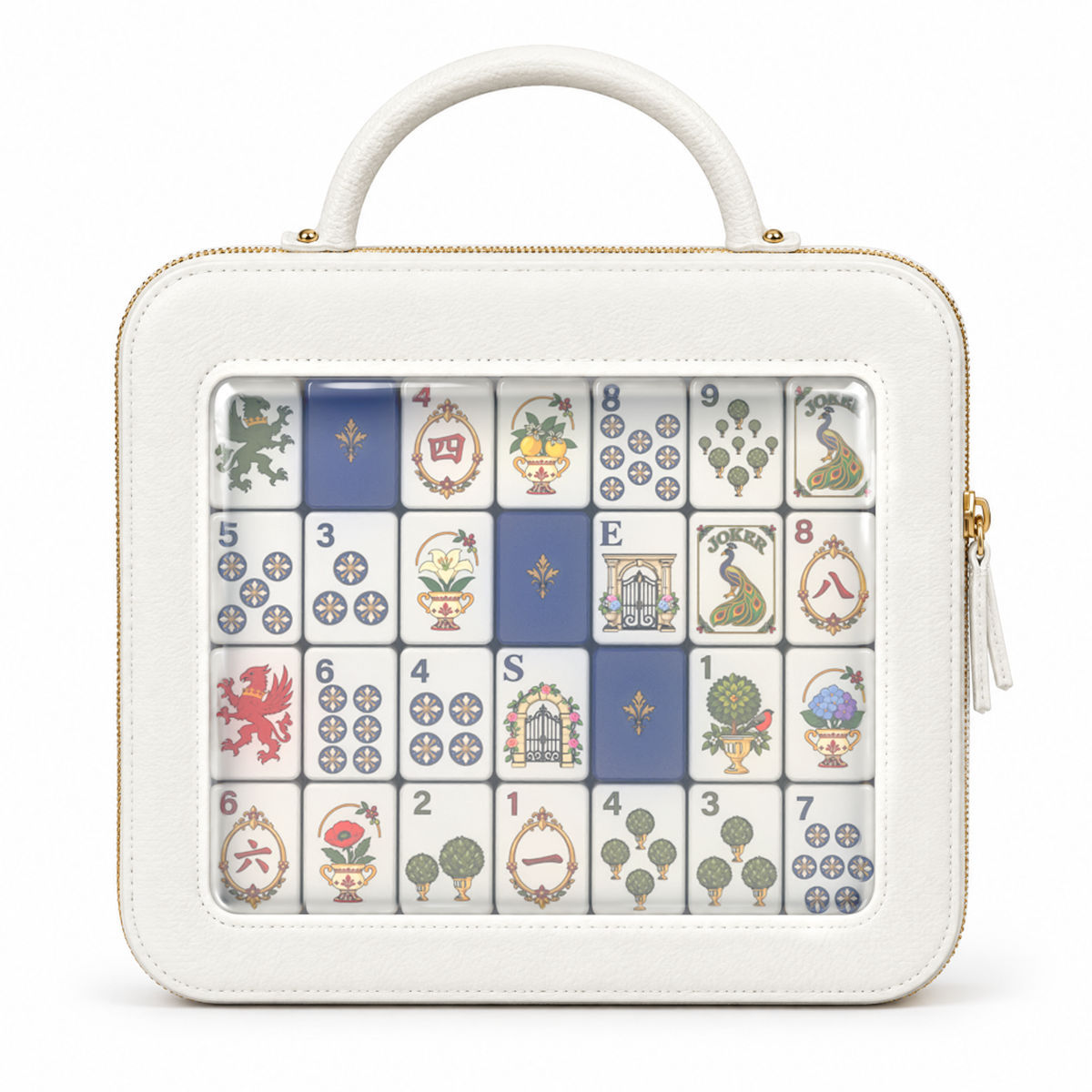
Mahjong lessons in West Palm Beach are available through community centers, libraries, synagogues, country clubs, and private instructors. Most beginner programs meet weekly for 4–8 weeks and teach American mahjong (152 tiles, the National Mah Jongg League card). Expect to pay per session or per course; instructors typically charge hourly rates. Look for classes at your local Parks & Recreation department, Jewish Community Center, or search community boards and Meetup for game groups. Before enrolling, confirm the variant taught (American mahjong is most common), class size, and whether tiles and mats are provided or if you'll need to bring your own best-selling mahjong sets. Ask about the current-year League card, hand examples, and whether the teacher uses a structured curriculum or informal play-based learning.
Where can I find mahjong lessons near me in West Palm Beach?
West Palm Beach's community infrastructure makes it practical to find lessons. Start with the Palm Beach County Parks & Recreation Department website—they often list seasonal mahjong classes at branch locations. Call local libraries and community centers directly; many host drop-in games or organized lessons on weekday evenings or weekend afternoons. Synagogues in the area frequently offer mahjong nights or beginner workshops, especially during fall and winter months. Country clubs sometimes host lessons for members. Search Meetup, Nextdoor, or Facebook groups for "mahjong West Palm Beach" or "Palm Beach mahjong" to find casual game circles that welcome newcomers. When you find a prospect, ask whether the group plays American mahjong (the 152-tile variant with the National Mah Jongg League card) or another style, since rules differ significantly across Chinese, Hong Kong, and Riichi variants.
🀄 Shop best-selling mahjong sets →
What should I expect in a first mahjong lesson?
A good beginner class starts with tile anatomy and hand notation. Your instructor will explain the three suits (Bams, Craks, Dots numbered 1–9), winds, dragons, flowers, and jokers. You'll learn the Charleston—the tile-passing ritual before each game, how to read a hand from the current year's League card, and the difference between exposed melds (pungs of 3, kongs of 4, quints and sextets) versus concealed tiles. Most teachers then walk through a sample hand step-by-step, showing how tiles go into racks, how to call a meld, and how the wall draw works. Expect 1–2 hours of instruction before playing your first full game. Bring a notepad. Ask the instructor how jokers work in American mahjong—this rule catches newcomers off guard because jokers can substitute for any tile except a single tile or a pair.

How long does it take to learn American mahjong?
Most players understand the basics—tile sets, hand reading, melds, and one complete game—after 2–4 hours of guided play. Comfort with the National Mah Jongg League card and consistent hand recognition typically comes within 4–8 weeks of weekly play. Scoring and advanced strategy (when to hold, when to discard, tile counting) develop over 2–3 months of regular games. There's no certification or "completion," so learning is ongoing; even experienced players refresh the card each spring. Your pace depends on how often you play: weekly games accelerate skill far faster than monthly. If you miss a week, review your notes on the mahjong for beginners guide or ask the group for a quick reminder before the next game.
🎁 See our most-loved mahjong sets & accessories →
What's the difference between learning American mahjong and other variants?
American mahjong is unique among its peers. It uses 152 tiles (four of every piece) plus 8 jokers, has no sequences (chows)—only three-tile or larger identical sets—and depends entirely on the League's hand card, which changes every April. Chinese and Hong Kong mahjong use 144 tiles (including honor tiles), allow sequences, and use traditional hand patterns passed down orally. Riichi (Japanese) mahjong uses 136 tiles, hidden hands, and complex scoring based on tile combinations. Taiwanese mahjong mixes elements of all three. Instructors in West Palm Beach teaching American mahjong will focus on this year's League card and the rule that jokers can never be a single tile or pair. If a teacher offers "flexible hand" or "free-style" mahjong, ask specifically if it follows the current League card; if not, you'll be learning a variant that won't transfer to organized play.

What equipment do you need for home practice after lessons end?
After a few lessons, you'll likely want your own set. A home mahjong setup includes a 160-tile set (152 playing tiles plus spares), a mat to define the table zone and protect tiles, and racks with pushers if your hands tire easily. For a foursome, you'll need one set. Choose a mat based on your table size: 36–42 inches fits a standard dining table. Racks with pushers keep tiles organized and are especially helpful for players with limited hand dexterity or those building speed. A travel bag protects your set from dust and tile shifts during transport. You don't need to buy premium right away—start with a best-selling set at a mid-range price point and add accessories as you host games. Many players in West Palm Beach use these same setups for weekly home games after their formal lessons end.
How do I choose an instructor or game group?
Evaluate instructors and groups using this simple checklist:
Factor | Why It Matters | What to Ask |
Variant taught | American vs. Chinese/Hong Kong rules are incompatible | "Do you teach American mahjong from the League card?" |
Class size | Fewer than 8 means one-on-one or small group coaching; more than 12 dilutes attention | "How many students per class?" |
Supply of tiles/mat | Instructors vary—some provide, some expect you to bring your own | "Should I bring a set and mat, or will they be provided?" |
Pace | Slow (4–6 weeks) suits nervous learners; fast (1–2 weeks) suits experienced game players | "How long is the course, and how often do we meet?" |
Hand materials | Does the teacher give you a League card or printed hand sheet? | "Will you provide the current mahjong card?" |
Cost basis | Per-class fees vs. block pricing; ask if drop-ins are welcome | "Do you charge per session or per course?" |
Red flags: an instructor who won't answer these questions directly, a group that plays a nonstandard variant without disclosing it upfront, or a "free" offer that pivots to upselling expensive tiles. Legitimate groups are transparent about rules, cost, and what to bring. Attend one session before committing to a full course.
✨ Find your Mahstead set — free US shipping →
What should I do after finishing formal lessons?
Once you've completed a lesson series, the real learning accelerates through play. Host a weekly game at your home with friends from your class or local players. Bookmark the how to play American mahjong guide for rule disputes. Invest in your own set—a 160-tile set with a mat and racks makes hosting easier and faster. Update your League card every spring; the hands change, and old cards won't match current winning hands. Join a local game circle if you want more consistent play outside your home; many West Palm Beach groups welcome players of varying skill levels and meet year-round. Keep a small notebook during games to jot down hands you win or lose—this builds your memory of patterns and card positions faster than play alone. Consider taking a second-level course if your community offers one, focusing on scoring and strategy rather than basics.
What to check before you buy a set for home play:
Tile size. Standard American mahjong tiles are about ¾ inch—check that they fit comfortably in your hand. Larger tiles suit players with arthritis or vision challenges.
Material. Acrylic is durable, noise-resistant, and affordable. Bone and bamboo sets are heavier and more traditional but need gentle care.
Mat fit. Measure your table; a mat should overhang slightly but not drape to the floor. A 36–42 inch mat fits most dining tables.
Racks and pushers. Essential only if you have hand pain or play competitively; casual players often skip them, but they're worth trying if your hands tire.
Joker count. A 160-tile set contains spare jokers and tiles beyond the 152 used in play, so you always have replacements if a tile cracks.

FAQ
Do I need to know mahjong before taking a lesson in West Palm Beach?
No. Beginner classes assume zero prior knowledge and teach tile anatomy, hand reading, and rules from scratch. Bring a notebook and an open mind. Most instructors pair beginners with experienced players in casual games so you learn through observation and play.
What's the difference between a lesson and a game group?
Lessons are structured, 1–2 hours, and focus on teaching rules and basics with an instructor. Game groups are unstructured, usually 2–4 hours, and assume you know the rules; they're for play and socializing. Both are valuable—lessons build foundation; groups build speed and intuition.
Can I learn mahjong online instead of in-person in West Palm Beach?
Online video tutorials (YouTube, instructional sites) can teach rules and hand reading, but they can't replicate table speed, live hand shuffling, or the feel of calling a meld. In-person lessons are faster and more engaging. Use videos to review between lessons.
How much does a mahjong lesson typically cost in Florida?
Costs vary by provider. Community center classes often run $15–30 per session or $60–120 for a 4–6 week course. Private instructors usually charge hourly rates. Game groups are often free or ask a small contribution (a few dollars) for mat/tile wear. Call your Parks & Rec department or local center for exact pricing.
What if I can't find lessons nearby—can I teach myself?
Yes, but slower. Use the mahjong for beginners guide, watch instructional videos, and host a casual game with friends using written rules. Learning from experienced players (even informally) is much faster than solo study. Many West Palm Beach game groups welcome self-taught newcomers at a relaxed table.
Do I need to buy a set right away, or can I borrow one from the class?
Most instructors provide sets during lessons, so don't buy yet. After your course ends and you want to host home games, that's when you invest in your own. A 160-tile set with a mat and racks is a one-time purchase that lasts for years if cared for properly.


View More
View More
View More
